Why No One Cooks Anymore—10 Fast Food Trends Changing Our Kitchens Forever

Drive-thru culture is rewriting the rules of home-cooked meals.

©Image license via iStock

The smell of something simmering on the stove used to feel like the heartbeat of home. But now, the buzz of food delivery alerts and late-night snack runs has taken its place. Cooking—once a daily ritual—is starting to feel like a nostalgic memory. And it’s not because people don’t like food. It’s because the way we get it has completely transformed, and fast food trends are winning the convenience war.

With digital menus, lightning-fast delivery apps, and crave-worthy options on every corner, many people are ditching the cutting board and reaching for their phones instead. Fast food isn’t just about burgers and fries anymore—it’s gourmet milkshakes, vegan burritos, sushi bowls, and breakfast sandwiches delivered in minutes. These shifts are shaping how people eat, think about food, and even design their kitchens. These ten fast food trends are doing more than adding pounds—they’re changing the way we live, shop, and spend time together.

Read more

The Productivity Lie—9 ‘Hacks’ That Are Actually Making You Less Efficient

Trying to do more is often the exact reason you’re getting less done.

©Image license via iStock

Productivity hacks used to sound like magic tricks—wake up earlier, drink more water, write to-do lists in three colors, and suddenly, your day would unfold like a dream. But somewhere along the way, these tips became gospel, and instead of helping, they started to backfire. What once felt like useful guidance has quietly morphed into a race to optimize every waking moment. And ironically, that obsession with doing more is making it harder to actually finish anything that matters.

These days, people are juggling planners, productivity apps, life hacks, and endless advice videos—all promising to streamline life and unlock potential. But it’s easy to get caught in a cycle where you’re always planning but rarely doing. You might even be working harder while accomplishing less. Not every productivity tip is a scam, but a lot of them create a false sense of progress that distracts you from real focus and flow. If your brain feels scattered and your to-do list only grows, it might be time to ditch the hacks and take a more honest look at what’s actually working. These nine popular tricks might just be slowing you down.

Read more

The Lost Art of Conversation—10 Reasons No One Knows How to Talk Anymore

Everyone’s talking, but no one’s really connecting anymore.

©Image license via iStock

People have never had more ways to communicate, yet somehow, meaningful conversation is slipping through the cracks. Quick texts, comment threads, and voice notes are replacing genuine back-and-forth dialogue. Screens keep us connected, but they’ve also trained us to speak in headlines, scroll mid-sentence, and listen with only half an ear. As a result, something as simple as sitting down for a real, uninterrupted chat now feels almost radical.

Conversation used to be a skill, a kind of shared ritual. Now it’s something people avoid, rush through, or stumble over awkwardly. Many can’t tolerate silence, disagreement, or even basic small talk without reaching for a device. Attention spans are shorter, and face-to-face exchanges feel rare, even among close friends. The lost art of conversation isn’t just about nostalgia—it’s about something deeper we’re all starting to miss. These ten shifts explain why meaningful talk is becoming a lost language.

Read more

Clickbait Overload— 10 Ways Social Media Is Warping Your Reality

Constant exposure to exaggerated headlines is rewiring how you think and feel.

©Image license via iStock

Scrolling through your feed, it’s easy to get sucked into a headline that promises to shock, outrage, or blow your mind. These aren’t just harmless distractions—they’re carefully designed hooks built to hijack your attention. The more you see them, the more your brain starts expecting drama in every story, even when real life is far more nuanced.

Social media isn’t just feeding you information—it’s shaping how you perceive the world. Over time, it distorts your sense of proportion, making every topic feel like a crisis and every post a personal attack. It’s not just tiring—it’s changing how we think, connect, and react. These ten effects highlight just how deep the rabbit hole goes.

Read more

Thanks for Nothing—12 Maddening Company Moves That Cause the Best Workers to Leave

High-performing employees don’t quit jobs—they quit the tone-deaf decisions that make their work unbearable.

©Image license via iStock

Great employees usually don’t walk away because of a bad day or a stressful week. What really sends them packing are those maddening company choices that chip away at their motivation and insult their intelligence. It’s not about laziness or disloyalty—it’s about watching a place that once inspired them turn into a checklist of red flags. These people care, sometimes more than they should, which is exactly why they leave when leadership keeps missing the mark.

Smart companies know that talent is fragile. But some businesses still treat their top workers like replaceable cogs instead of people with goals, opinions, and limits. They push just a little too far, promise too much and deliver too little, or create a work culture that drains more than it supports. If you’ve ever felt the sting of being overlooked, overworked, or completely misunderstood at your job, these 12 maddening moves will probably sound familiar—and explain why the best people don’t stick around forever.

Read more

The Cancellation Curse—12 Fan-Favorite Shows That Ended Too Early

The cancellation curse hit harder than any cliffhanger could.

©Image license via iStock

Shows that grab your heart, sink into your couch, and then vanish without warning leave a hole in your weekly rhythm. It’s not just entertainment—it’s shared moments, inside jokes with friends, and a sense of belonging that’s suddenly ripped away. The abrupt endings of fan-favorites have felt like a betrayal, cutting off characters you’ve lived with and stories you’ve grown to love. That unresolved tension isn’t just narrative friction—it’s emotional residue that stays with us long after the credits roll.

This isn’t nostalgia speaking—it’s the frustration of investing time, hope, and sometimes tears into shows that don’t get the closure they earned. Every canceled series carries its own “what if” and “I need to know what happens next” energy. And while some endings are graceful, others stall mid-arc or trail off into nothingness. These twelve shows captured audiences with their charm, depth, and innovation—and then disappeared too soon, leaving fans with questions bigger than any season finale could answer.

Read more

Boomers vs. Gen Z: 10 Cultural Clashes That Keep Them at Odds

Two generations shaped by totally different worlds keep misunderstanding each other.

©Image license via iStock

It’s not just the slang, the music, or how each group uses their phones—Boomers and Gen Z seem to speak completely different cultural languages. These aren’t just petty generational quirks, either. The tension runs deeper, built on wildly different life experiences, economic realities, and expectations about how the world should work. You can feel the friction in workplace meetings, family dinners, and every corner of the internet where opinions fly fast.

Boomers came of age in a world of long-term jobs, face-to-face communication, and more rigid social roles. Gen Z, meanwhile, is navigating gig work, climate anxiety, and a digital-first everything. The result? Constant eye-rolling, passive-aggressive memes, and two groups that often feel like they’re living on different planets. These ten cultural clashes explain why mutual understanding is so rare—and why the gap between them doesn’t seem to be closing anytime soon.

Read more

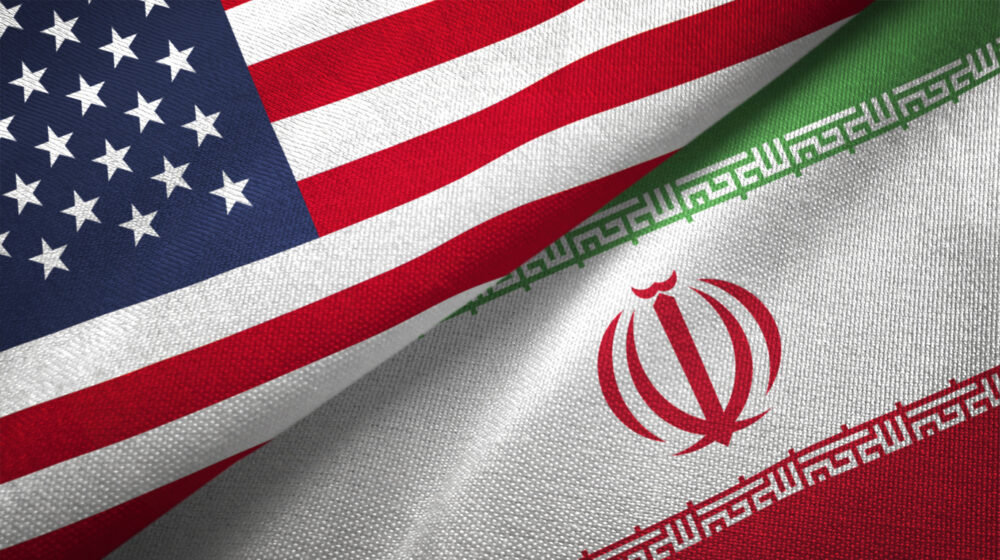
The Price of War— 9 Scary Ways a U.S.-Iran Conflict Could Send Prices and Bills Soaring

Conflict abroad has a brutal way of showing up on your bills.

©Image license via iStock.

Geopolitical tension doesn’t stay overseas—it hits your wallet fast and hard. If the U.S. gets tangled in a direct conflict with Iran, the ripple effects won’t just be headlines and cable news drama. It’ll mean real costs: higher prices at the pump, wild swings in your investments, and creeping expenses on everything from groceries to heating bills.

Wars used to hit the defense budget and leave domestic life mostly untouched, but those days are gone. Global supply chains, oil markets, and digital investments are so interconnected that one missile strike can jack up costs for millions of people overnight. If tensions escalate, your paycheck won’t go as far, and the rising cost of just staying afloat might blindside even well-prepared households. These nine financial shockwaves show exactly how bad it could get—and why planning ahead isn’t paranoia anymore.

Read more