5 Household Habits That Lower Your Monthly Utility Bills
Utility bills have a way of creeping up without much warning. A few dollars here, a slightly higher summer cooling cost there, and suddenly the total feels a lot bigger than it used to. The good news is that a lot of the savings don’t come from expensive equipment or major renovations. …


1. Give Your Thermostat a Daily Setback Routine
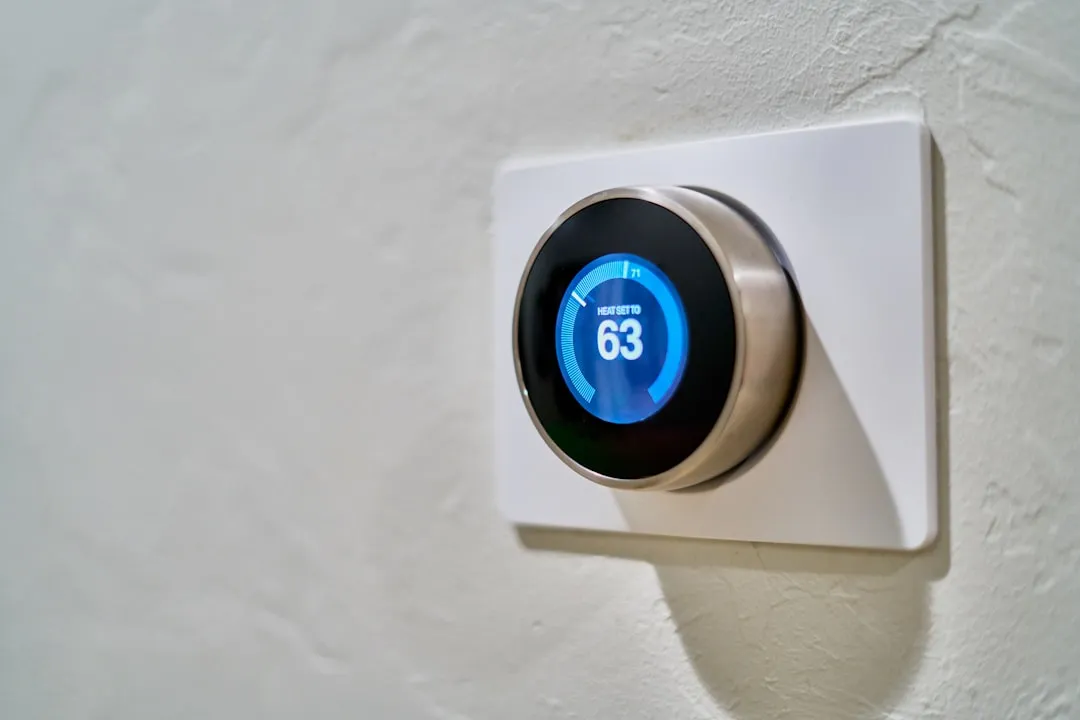
Heating and cooling make up the single biggest chunk of most home energy bills, so this is the habit worth building first. Heating and cooling account for up to 48% of home energy consumption, according to the Department of Energy. That means even small, consistent adjustments here matter more than tweaks almost anywhere else in the house.
The Department of Energy’s actual recommendation is fairly specific. The agency estimates savings of about 1 percent for each degree of thermostat adjustment per 8 hours, and recommends turning thermostats back 7 to 10 degrees from their normal settings for 8 hours per day to achieve annual savings of up to 10%. In practice, that means something like 68°F while you’re home and awake in winter, dialed back several degrees while you sleep or head to work.
Summer works the same way in reverse. In warm seasons, aim for 78 degrees and push it up to 85 degrees when no one is home. A programmable or smart thermostat makes this habit effortless since it handles the adjustments automatically, and an ENERGY STAR certified smart thermostat can reduce your heating and cooling bill by more than 8% and save you about $50 a year, on average.
2. Wash Clothes in Cold Water and Skip the Heated Dry Cycle
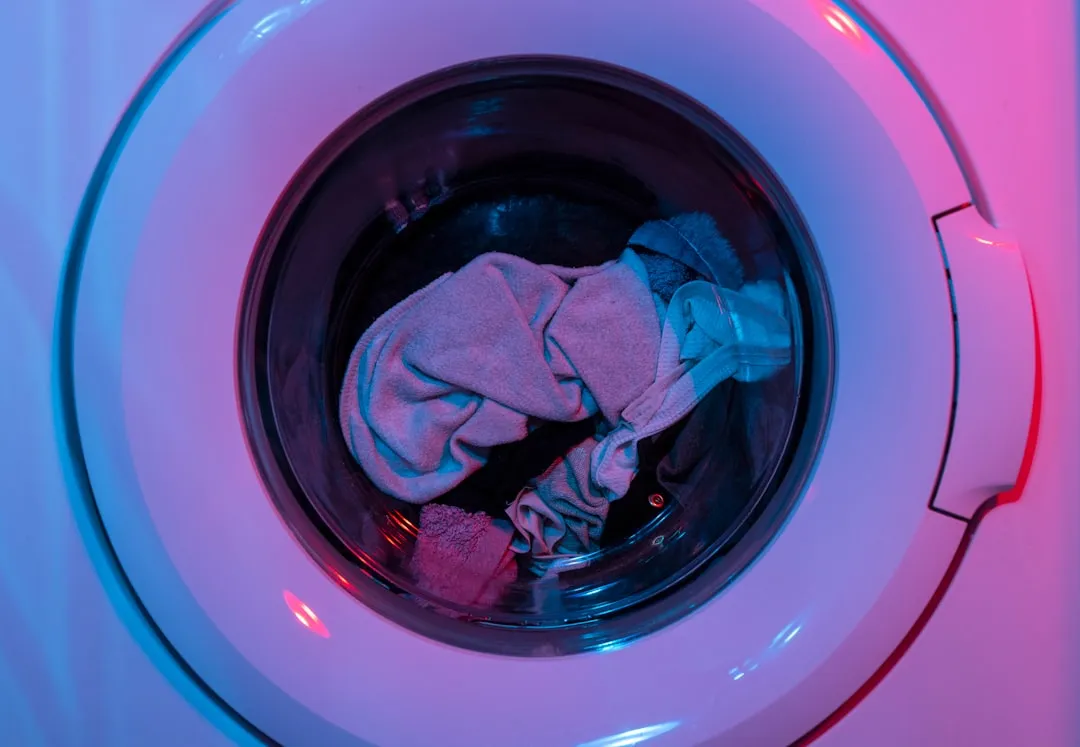
Laundry habits are one of those things people rarely think about, yet the numbers here are surprising. Energy Star says that nearly 90% of the energy consumed by a washing machine is due to heating the water, and the American Cleaning Institute says that modern soaps are designed to work well at lower temperatures. In other words, the motor spinning your clothes barely costs anything to run. It’s the water heater doing the expensive work.
Modern detergents are formulated to handle this shift without sacrificing cleaning power. Detergents are designed to perform in temps of 65 to 85 degrees F, and cold water is just as effective for rinsing as warm or hot. Save hot water for genuinely tough stains and let cold handle the rest.
The dryer offers a similar opportunity. Selecting a no-heat or air-dry setting when running a dishwasher, and keeping the dryer’s lint trap clean between loads, both help equipment run more efficiently rather than working harder than it needs to. Even something as simple as a drying rack for a portion of your laundry cuts into that cost without requiring a full clothesline setup.
3. Hunt Down Phantom Power Draws
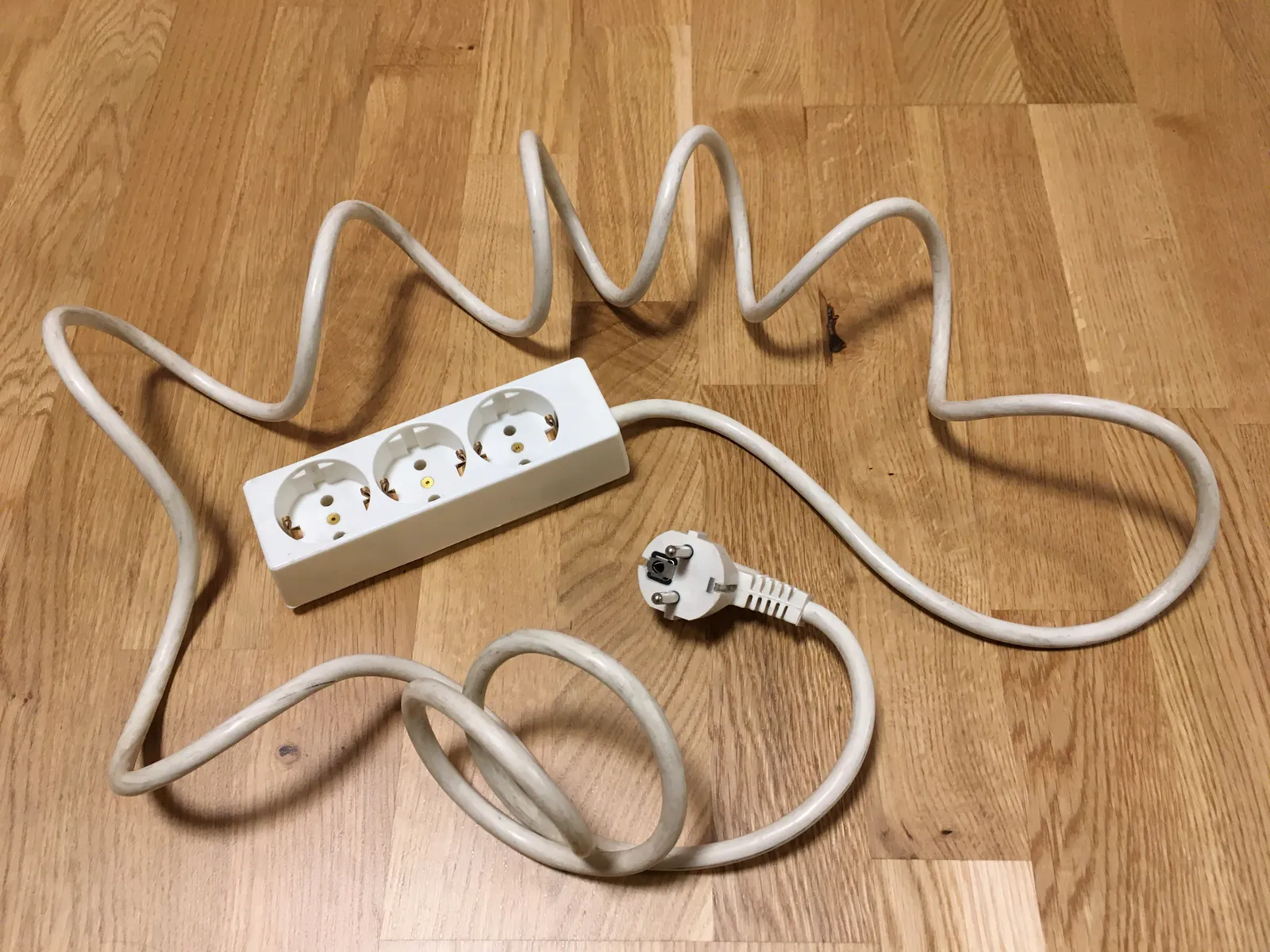
Devices that are technically “off” are often still pulling a small but steady amount of electricity, and it adds up across a household full of gadgets. Consumer electronics play a large role in home energy consumption, and according to the Consumer Technology Association, 3.4 billion consumer electronic devices consumed about 143 TWh of electricity in 2017, representing about 10% of residential sector electricity consumption. Multiply that by every TV, game console, phone charger, and printer sitting plugged in around the house.
The fix is a genuinely low-effort one. Plugging office equipment into an advanced power strip means that when you manually switch off your computer or put it in sleep mode, all connected devices automatically turn off, and advanced power strips reduce energy consumption by automatically cutting power when products aren’t being used. Grouping chargers, entertainment centers, and small kitchen appliances onto smart strips turns this into a one-switch habit instead of a room-by-room hunt for cords.
4. Run Full Loads and Shift Them to Off-Peak Hours
Timing matters almost as much as the appliance itself, especially for anyone on a utility plan with variable rates. Running the dishwasher early in the morning or late at night avoids adding to electricity demand during the hottest part of the afternoon, and if a utility offers time-of-use pricing, this habit can help lower the bill further. The same logic applies to laundry and any other energy-heavy chore that can wait a few hours.
Full loads matter too, since half-empty cycles waste water and energy per item cleaned or dried. Choosing a dishwasher model with several wash cycle selections helps optimize energy savings, and running full loads minimizes energy use and saves water. It’s a habit that costs nothing to adopt, just a bit more planning around when the dishwasher or washing machine actually gets started.
5. Keep Filters Clean and Seal Up Drafts
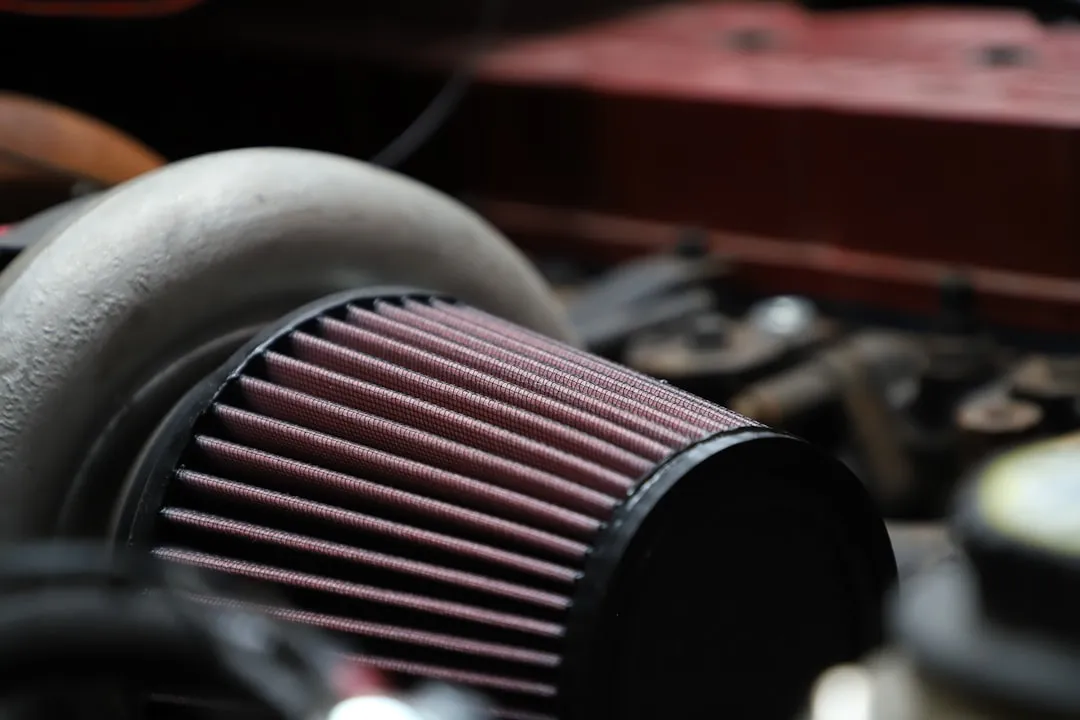
This last habit is more maintenance than lifestyle change, but it pays off in a way that’s easy to overlook. Furnace and air conditioner filters are designed to prevent dirt, dust, and other air pollutants from recycling through the home, and once a filter becomes clogged with debris, it requires more energy to run the HVAC system. A quick monthly check keeps the whole system from quietly working overtime.
Drafts around windows and doors create a similar drag on efficiency. About 30% of all energy used in buildings goes to waste or could be used more efficiently, which is why sealing a home against drafts is one of the easiest and most effective ways to reduce energy usage and lower costs year-round. Weatherstripping is inexpensive, and checking it once or twice a year turns into a habit that protects every other energy-saving effort in the house from leaking out through a gap under the door.
Small Habits, Steady Savings