5 Reasons Why Buying a Vacation Home Could Be a Poor Investment
There’s a particular kind of daydream that hits after a good vacation. You’re sitting on a porch somewhere, coffee in hand, thinking how nice it would be to own this instead of just renting it for a week. That fantasy has pushed a lot of people into second home ownership over the years, and for …

1. Financing a Second Home Costs More Than You’d Expect

Lenders treat vacation homes differently than primary residences, and not in your favor. The average second home mortgage rate is currently 7.60%, according to April 2026 data from Curinos, compared to a national average of roughly 6.54% for a 30-year primary residence loan as of early July 2026. That gap of half a point or more sounds small until you run it across a 30-year term.
Down payments are steeper too. A second home down payment is typically higher than a primary residence, often ranging from 20 to 30% of the purchase price. Add closing costs, which typically run about 2 to 5% of the loan amount, and you’re locking up a meaningful chunk of cash before you’ve even bought a towel for the guest bathroom.
Why the premium? Lenders see these loans as riskier. As one Bankrate analyst put it plainly, rates on mortgages for second homes might create a little sticker shock, and the standard advice about shopping around is especially relevant. Part of the reasoning is simple human behavior: if money gets tight, people pay off the roof over their head before the one they visit on weekends.
2. The Ongoing Bills Add Up Faster Than the Fun Does

Owning two homes means, more or less, paying for two homes. Taxes, insurance, utilities, upkeep, and travel costs all show up twice, and none of them pause just because you’re not there. Owning a second home means taking on double the costs, like taxes, insurance, maintenance, and travel, not just the mortgage.
Maintenance alone can be a shock. Financial planners generally estimate that maintenance and repairs typically run 1 to 4% of the property’s value annually, and that’s before anything unexpected, like a roof or a well pump, decides to fail. For homes in condo or resort communities, HOA dues pile on top, often running $4,800 to $14,400 annually, covering shared amenities, exterior maintenance, and sometimes snow removal.
Put it all together and one financial planning firm estimates these carrying costs can easily reach $20,000 to $50,000 or more annually for properties in the $500,000 to $1,500,000 range. That’s not a rounding error in most household budgets. It’s a second mortgage’s worth of expense, arriving whether or not you set foot in the place that month.
3. It Rarely Outperforms Simpler Investments
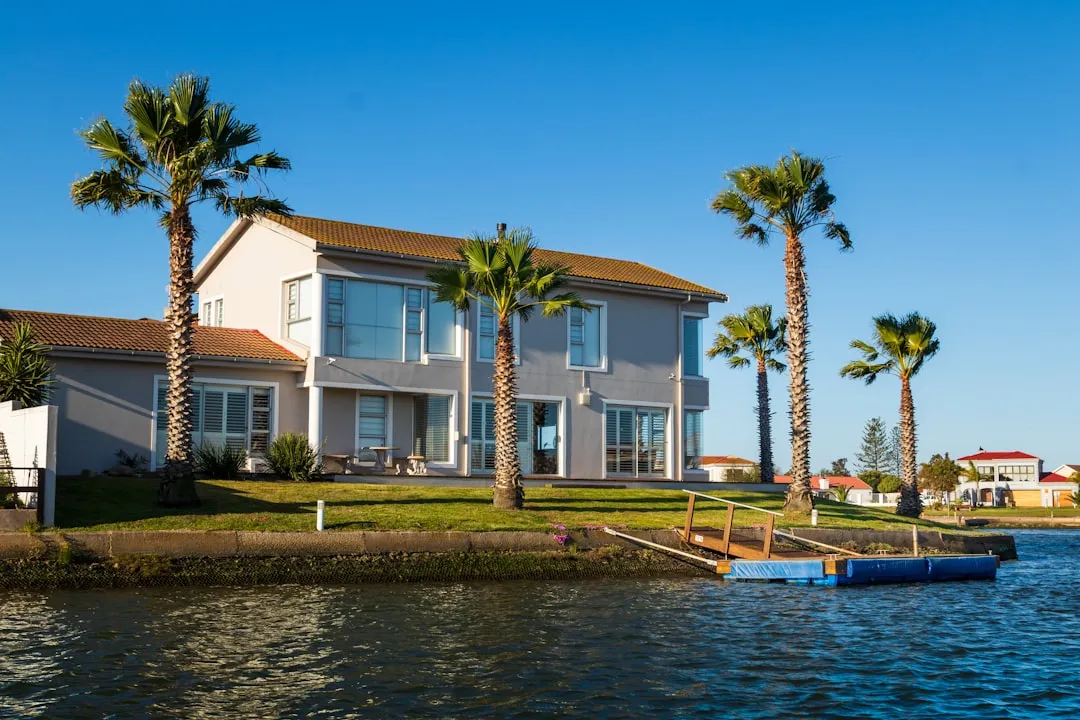
People sometimes buy a vacation home half-expecting it to behave like a stock portfolio with a hot tub attached. Historically, it just doesn’t. The median existing-home price has historically appreciated at roughly 3 to 5% annually over long periods, though this varies significantly by location and timeframe, according to figures cited from the National Association of Realtors.
Compare that to the S&P 500’s historical average annual return of approximately 10% before inflation, and the gap becomes hard to ignore. One financial planning guide put the tension directly, noting that viewing a vacation home as purely an investment vehicle may not align with optimal wealth-building strategies.
There’s also the opportunity cost of the down payment itself. Every dollar tied up in a beach cottage or mountain cabin is a dollar not compounding in a retirement account, index fund, or REIT, which offers similar real estate exposure without owning a physical roof. As one wealth planning resource put it, REITs provide exposure to real estate markets with liquidity and diversification, without the burden of property management.
4. Rental Income Rarely Covers What People Expect
The plan sounds reasonable on paper: rent it out when you’re not using it, let the guests pay the mortgage. In practice, the numbers often disappoint. Many who buy a second home with the justification that they will rent it out when they’re not there are surprised to find out it doesn’t actually cash flow.
Part of the issue is structural. A second home, like a first home, is in many respects a consumption item rather than an investment, and even the saved rent dividends a home pays are typically much less significant on a second home. Seasonal demand doesn’t help either, since vacation homes are often located in areas that experience seasonal demand, which means rental income may fluctuate and can be difficult to predict.
Regulation is the wildcard nobody plans for. Short-term rental rules can shift with little warning, and as one industry analysis warned, what’s legal today might become prohibited tomorrow, potentially eliminating your rental income overnight or forcing expensive compliance updates. If a management company handles bookings and turnover, they typically take a real cut too, sometimes as much as a quarter of revenue, which further narrows the margin between what a property earns and what it costs.
5. It Locks Up Money and Flexibility You Might Need Later

Real estate is illiquid by nature. Unlike stocks or a savings account, you can’t sell off a third of a vacation home when an emergency hits. That illiquidity, paired with concentrated exposure to one property in one location, means a downturn in that specific market can hurt in ways a diversified portfolio simply wouldn’t.
Tax rules add another layer of complexity rather than simplicity. Mortgage interest is deductible on up to $750,000 of qualified residence debt across first and second homes, subject to limits, while the SALT deduction is capped at $40,000 total, limiting additional tax benefits from vacation properties. Rental deductions come with their own thresholds too, since less than 15 rental days means no reporting required, but also no deductions allowed.
One financial planner who works with vacation home buyers summed up the deeper issue well: a vacation home is rarely just an investment, and it’s equally rare that it’s purely an indulgence. Most often, it falls somewhere in between, a lifestyle asset with financial implications that need careful consideration. Treating it purely as a wealth-building tool, without weighing the lost flexibility, is where a lot of buyers get tripped up.
Weighing the Decision Honestly