Envelope Method 2.0: A Modern Twist on a Classic Trick
There’s something almost quaint about picturing a stack of labeled envelopes, cash tucked inside each one, sitting on a kitchen table. Yet that same image has somehow found new life among people who grew up swiping cards and tapping phones to pay for everything. The old trick your grandmother used to stretch …
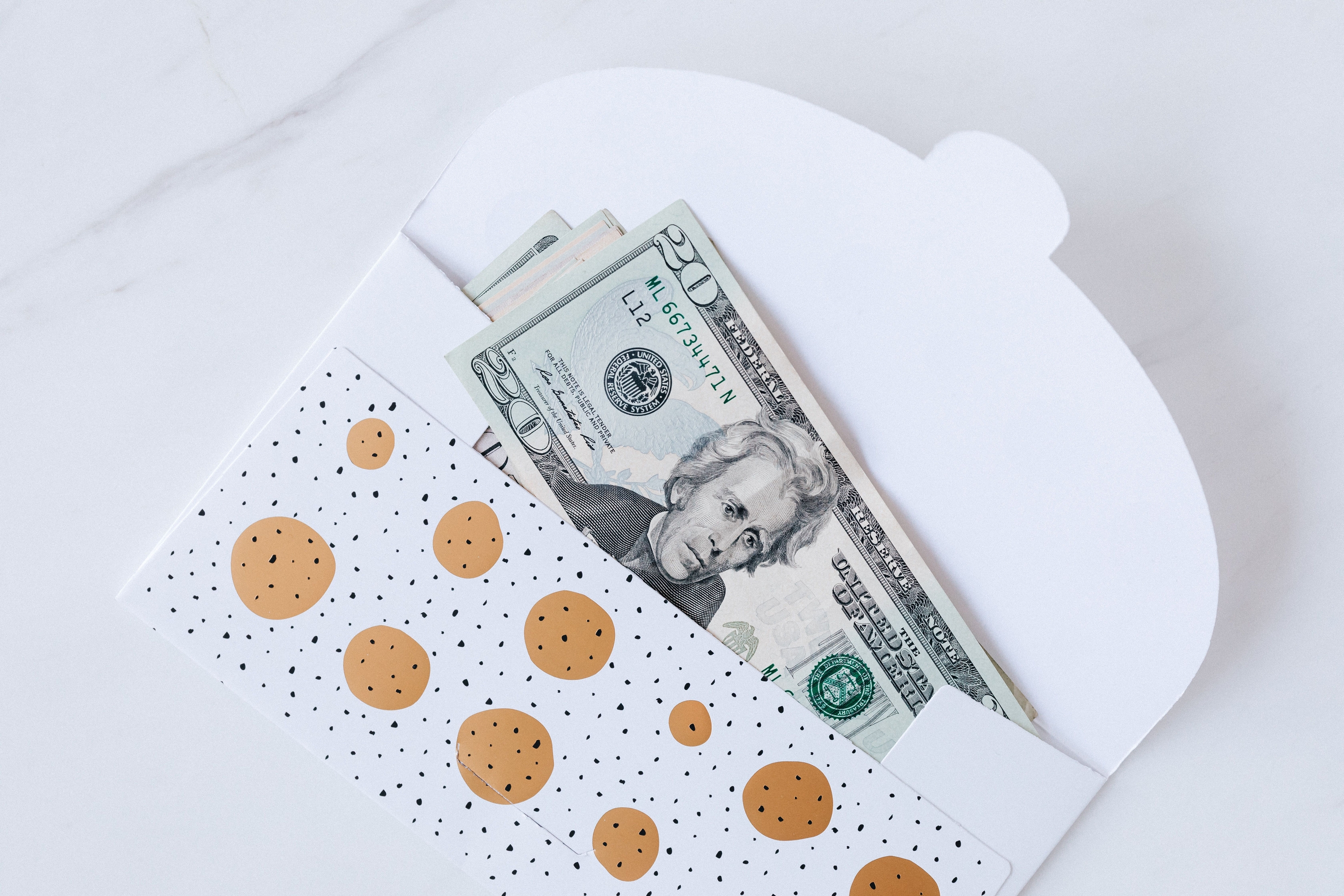
The Classic Envelope Method, Revisited
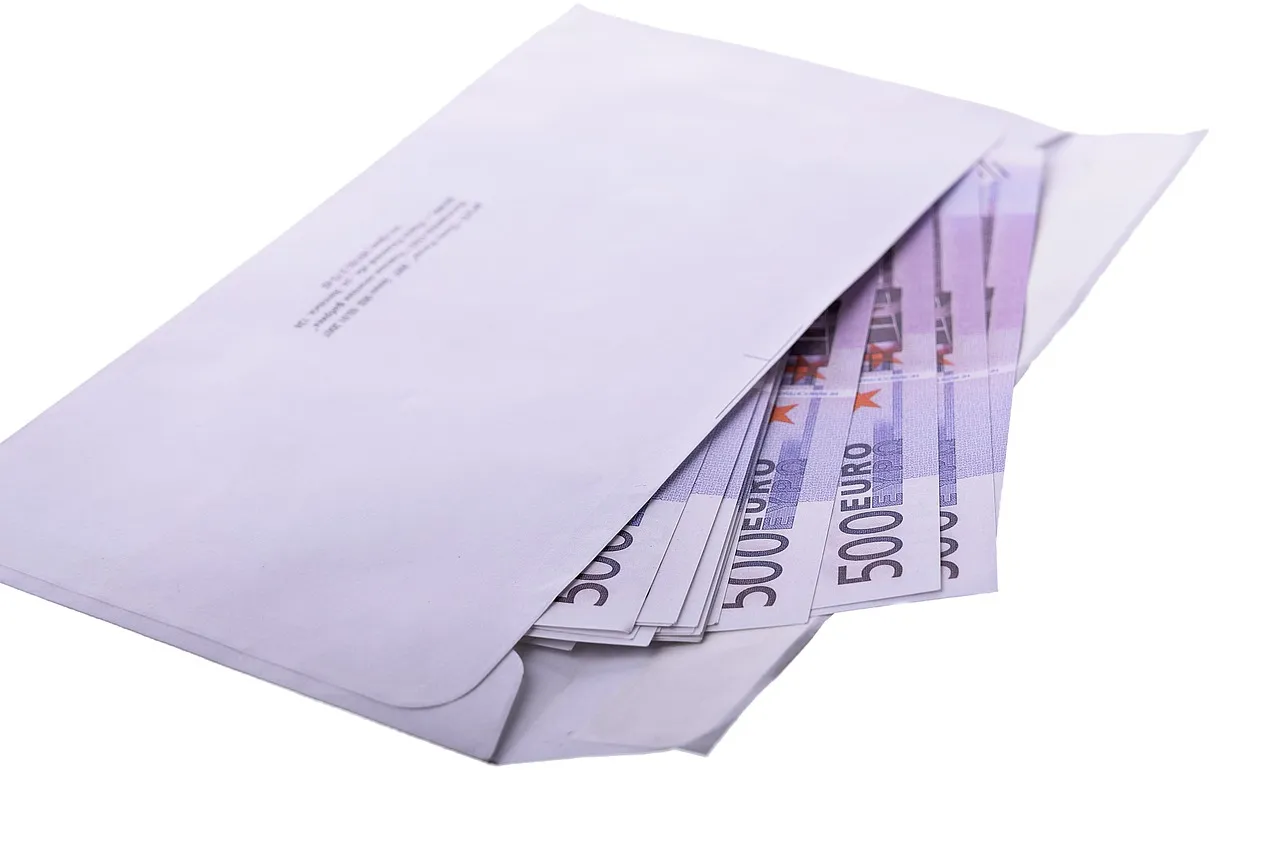
The original concept is straightforward. You withdraw cash, divide it into categories like groceries, gas, and entertainment, and spend only what’s inside each labeled envelope. The envelope method is a budgeting system where you assign each spending category its own physical envelope filled with cash. Once it’s empty, spending in that category stops until the next cycle.
The idea of budgeting by physically allocating cash into spending categories is nothing new; personal finance personality Dave Ramsey has been touting his envelope system for nearly 20 years. What’s changed is the audience. Cash stuffing has taken off with Gen Zers and millennials, some of whom are facing credit card debt and inflation for the first time.
Why Cash Still Beats Cards for Some People
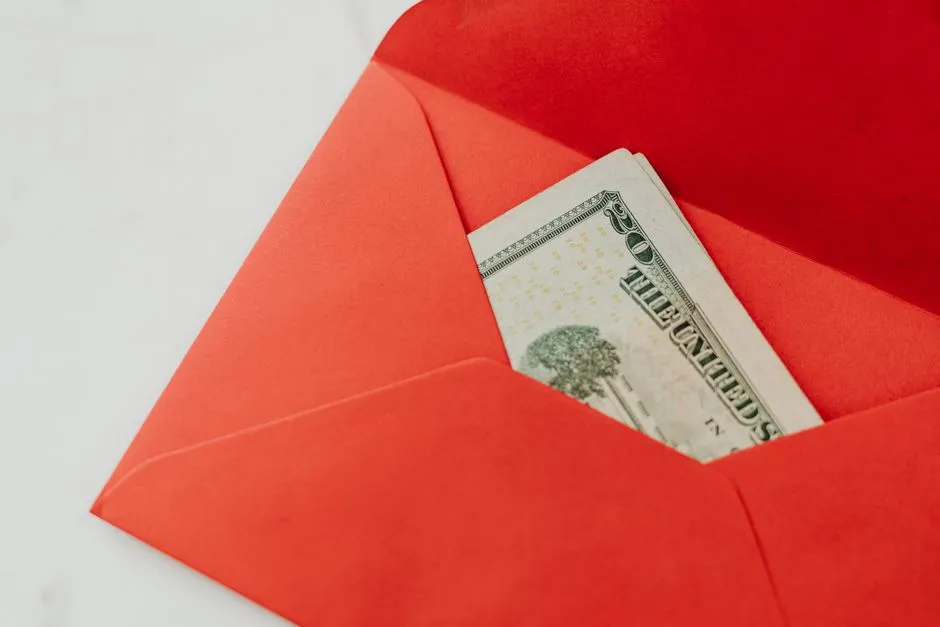
There’s a psychological reason envelopes work better than a mental tally in your head. Research from MIT shows that paying with cash activates the same brain regions as physical pain, while credit cards remove this friction, causing people to spend up to 100% more. Handing over real bills registers differently than a tap or swipe.
This isn’t just theory. Cash envelopes are more effective for overspenders because of the pain of paying, and research shows people spend roughly 12 to 18 percent less when using cash versus cards. There’s also a separate effect at play once money is divided into distinct pots. When money sits in separate envelopes, your brain treats each as an independent fund, so spending from a dining out envelope doesn’t feel like it affects the groceries budget, which prevents the trap of just taking from somewhere else.
Going Digital: Envelope Apps for the Modern Wallet

Carrying cash isn’t practical for everyone, especially with rent, subscriptions, and most bills now handled electronically. In 2026, the method has gone digital, with apps like Plan and Multiply, YNAB, Goodbudget, and EveryDollar replacing physical cash with virtual envelopes that track spending in real time.
Pricing and features vary quite a bit across these tools. Digital envelope apps cost between $0 and $109 a year and help users manage their money without carrying physical cash. YNAB, one of the more established names, follows the same underlying logic as the paper version. Its core method is envelope budgeting, where every dollar gets a job, and when money comes in, you assign it to specific categories until your balance hits zero. According to the company’s own reporting, the average user saves $600 in their first two months and over $6,000 in their first year, though that figure comes from YNAB itself rather than an independent study, so it’s worth treating as a marketing claim rather than a guarantee.
The TikTok Cash Stuffing Revival
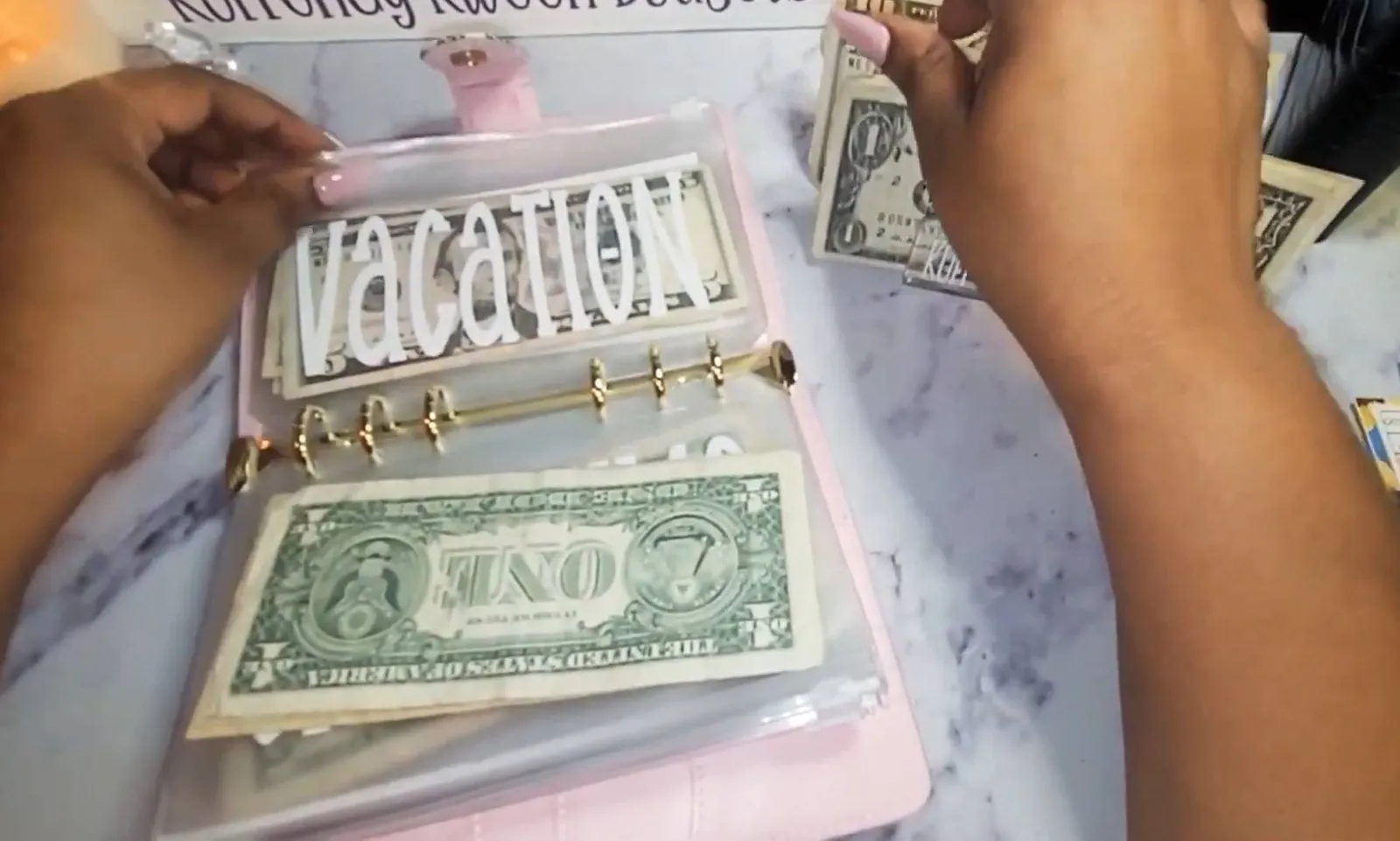
Social media didn’t invent the envelope method, but it gave it a new name and a much bigger stage. Clips tagged with cashstuffing, cashenvelopesystem, and cashenvelopes have garnered more than 3 billion views combined on TikTok. Creators film themselves sorting bills into decorated binders, often set to calming music, turning a mundane budgeting chore into something oddly satisfying to watch.
TikTokers have glamorized cash stuffing with aesthetic budget binders, ASMR videos of cash, and decorating envelopes, making budgeting oddly satisfying to watch. Beneath the visual appeal, though, the mechanics haven’t changed much. Cash stuffing is the practice of pulling variable spending money out of the bank in cash and physically placing it into labeled envelopes or binder sleeves for each spending category, and when the envelope is empty, that category is closed for the rest of the period.
Hybrid Systems: Cash Where It Counts, Apps for the Rest
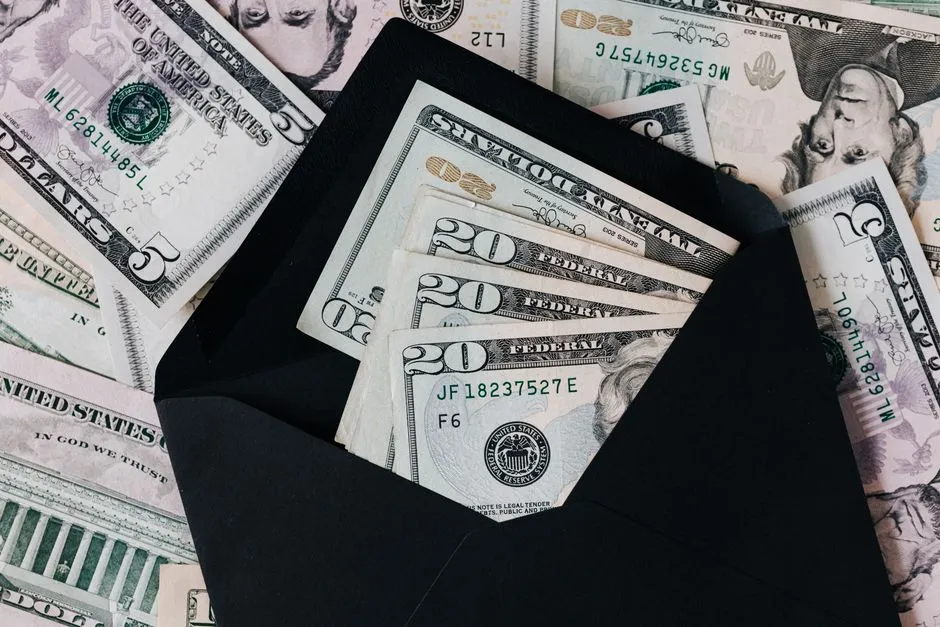
Few people run a purely cash or purely digital system these days. Many blend the two, using physical envelopes for the categories where they’re most tempted to overspend and apps for everything else. You can use cash envelopes for high-risk categories like eating out or personal spending, and track everything else with a daily allowance.
This split makes practical sense. Digital cash stuffing is more convenient but slightly less powerful for impulse control because you don’t physically hand over cash, though it’s far more sustainable long-term because it works with modern spending habits like online shopping and card payments. Fixed bills rarely belong in an envelope at all. You typically don’t do envelopes for fixed bills like rent or utilities, since those are better paid online.
Common Mistakes When Starting Out

The most frequent misstep is trying to do too much on day one. The most common mistake is starting with too many envelopes, since five to seven categories is plenty for month one. Overcomplicating the system tends to lead to abandoning it within a few weeks.
Another common trap involves quietly moving money between categories. It’s easy to borrow from one envelope to cover another, which can derail your plan. Once that habit starts, the whole point of separating funds by category starts to unravel. Reviewing your envelopes weekly, rather than only at the end of the month, helps catch this early before it becomes routine.
Setting Up Your Own Envelope System

Getting started doesn’t require much beyond a little planning. The first step in any budgeting method is figuring out how much money you have to work with. From there, you label each envelope for a category like groceries or entertainment, and only spend what’s inside.
If cash isn’t your preference, a digital alternative works the same way in spirit. Many banks and budgeting apps offer virtual envelopes or buckets that automatically move money into categories without carrying cash. Whichever version you pick, the goal stays the same, spend within your limits and stop when the envelope, physical or digital, is empty.
Who This Method Actually Helps Most
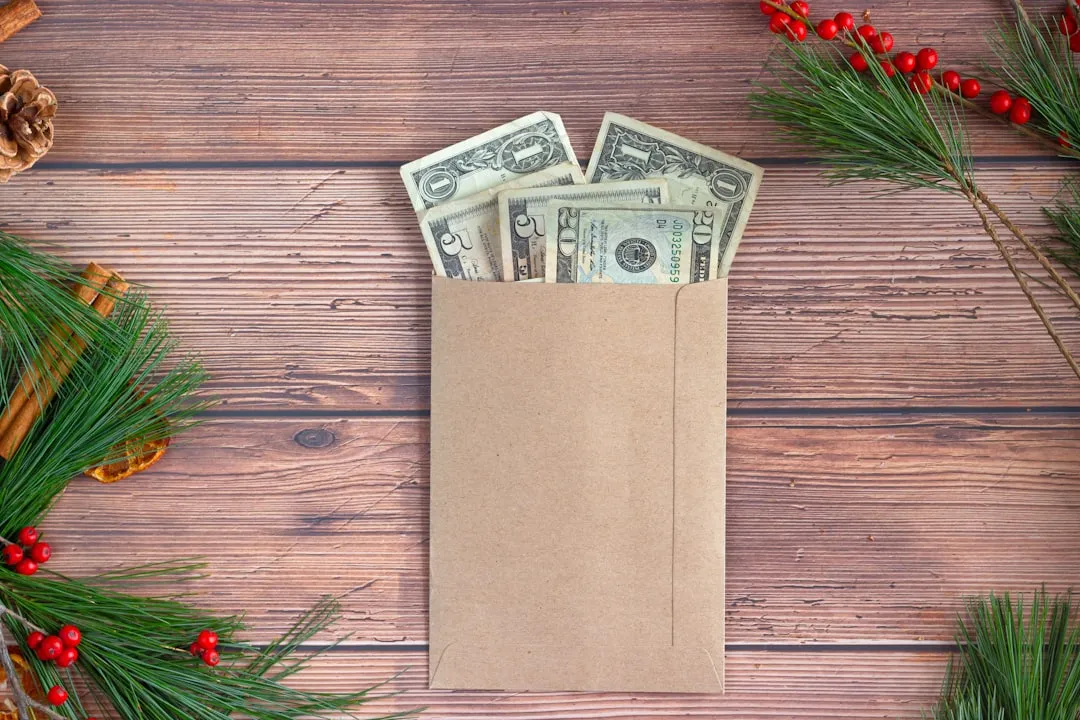
The envelope system isn’t a fit for every financial situation, but it shines for certain habits. It physically limits overspending, builds awareness because handling cash is more memorable than tapping a card, is simple to teach, and works well when you’re climbing out of debt or trying to break a pattern. That combination explains why financial educators keep recommending it to families and young adults, decades after it first became popular.
It’s also worth being honest about the drawbacks. Cash stuffing can be time consuming, offers less protection for your money, earns no interest, and can be more difficult when it comes to paying certain bills like rent and utilities online. For someone who struggles specifically with impulse spending in a few categories rather than overall money management, it tends to work better than for someone juggling complex bills and multiple income sources.
Final Thoughts
The envelope method has never really needed reinventing, just repackaging for whatever decade it lands in. Cash, apps, or some mix of both, the core idea hasn’t budged: decide where the money goes before you spend it, not after. That small shift in timing is still doing most of the heavy lifting, whether it’s happening in a paper envelope on your kitchen table or a colorful jar inside your phone.


