Why Buying Peace and Quiet Is the Only True Luxury Money Can Buy
Think about the last time you felt genuinely at ease. Not entertained, not stimulated, not distracted by a new purchase. Just calm. The kind of calm where you could hear yourself think and your nervous system wasn’t quietly bracing for the next interruption. That feeling, more than anything else money can buy, …


The Real Luxury Nobody Advertises

Wealth, at its most useful, is not a collection of things. It is a buffer. Money can provide calm and control, allowing us to buy our way out of unforeseen bumps in the road, whether a small nuisance like dodging a rainstorm or a bigger worry like handling an unexpected hospital bill.
Research from Harvard Business School suggests this protective function is actually more central to well-being than most people realize. It’s not about the bigger home or the better vacation. Financial stability helps people escape the everyday hassles of life.
The implication is direct: the joy of wealth is less about what you can acquire and more about what you can avoid. That reframing changes the entire conversation about money.
Noise Is Not Just Annoying. It’s Harmful.

High noise levels can activate the body’s stress response, and prolonged exposure to loud sounds can increase the production of stress hormones like cortisol and adrenaline, which over time can contribute to high blood pressure, heart disease, and weakened immune function.
Noise pollution can disrupt sleep patterns, leading to fatigue, reduced cognitive function, and poorer mental health. Chronic noise exposure has also been linked to increased risks of anxiety, depression, and impaired concentration, especially in children and older adults.
The body does not distinguish between a sound you consciously find bothersome and one you’ve learned to tune out. Researchers have found that the more people are bothered by noise, the greater the health risks they face from it. Yet even those who tune out noise pollution, whether when awake or asleep, experience autonomic stress reactions.
The Quiet Gap Between Rich and Poor Neighborhoods

There are a lot of things wealth is good for, but one of the most underrated benefits is being able to buy peace and quiet. This isn’t abstract. It plays out every day in where people live and what their immediate environment actually sounds like.
As one analysis noted, money gives people the ability to insulate themselves from the outside world. They can buy quieter cars, houses in gated communities, and private schools for their children. They can also afford to take vacations to quiet places.
That gap is not accidental. A seminal 2017 study published in Environmental Health Perspectives shows that people in neighborhoods with low socioeconomic status and higher proportions of residents of color bear the brunt of noise pollution. Quiet, in other words, is distributed unequally.
The “Stealth Wealth” Shift Toward Silence

Something has been changing at the top of the wealth pyramid. The loudest signals of affluence, the penthouse, the ostentatious address, are giving way to something quieter. Literally.
The truly wealthy have begun to migrate, not because they cannot afford the famous postcodes but because they no longer want the attention that comes with them. The modern billionaire has discovered something rather revolutionary: privacy is the ultimate flex. The shift is driven by a new philosophy often called stealth wealth. Instead of announcing success with towering penthouses and gold-plated everything, the ultra-rich are choosing understatement.
One of the best uses of wealth is optionality, including the ability to live in a quieter, safer, and more peaceful environment. The market reflects that preference. Ultra-quiet neighborhoods command premium prices not despite their silence but because of it.
Buying Time Is Buying Quiet

Peace and quiet isn’t just about where you live. It’s also about what you’re not spending mental energy on. Every outsourced chore, every task delegated to someone else, reduces a specific type of cognitive noise that accumulates through the day.
Despite rising incomes, people around the world are feeling increasingly pressed for time, undermining well-being. The time famine of modern life can be reduced by using money to buy time. Surveys of large, diverse samples from four countries reveal that spending money on time-saving services is linked to greater life satisfaction.
People said they felt happier when they bought themselves some time. As one researcher put it, “Lots of research has shown that people benefit from buying their way into pleasant experiences, but our research suggests people should also consider buying their way out of unpleasant experiences.”
Why Most People Spend Money Backwards

Here is where the research gets genuinely surprising. Even people with considerable wealth often fail to deploy it toward the purchases that would actually improve their lives. The instinct is still to buy things, not tranquility.
Despite the potential benefits of buying time, many respondents allocated no discretionary income to buying time, even when they could afford it: just under half of the 818 millionaires surveyed spent no money outsourcing disliked tasks.
Research shows that using money to buy experiences rather than things, using it to help others, to develop or deepen relationships, and buying time by hiring others to do things you don’t like will add to overall psychological well-being. The gap between knowing this and doing it remains wide. Old spending habits run deep.
More Money, More Happiness? The Research Is More Nuanced
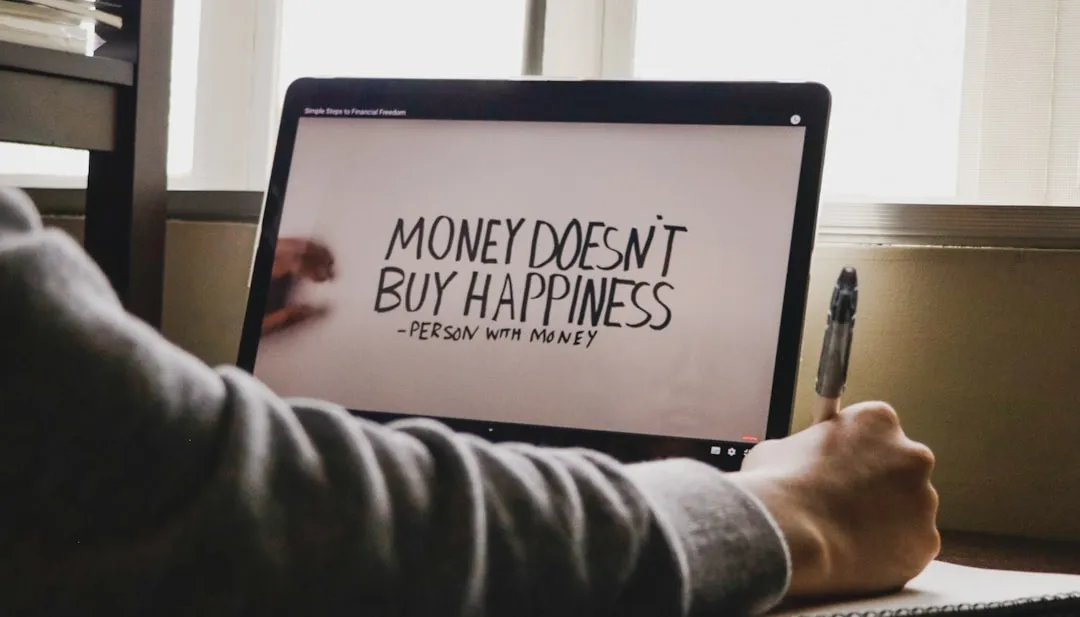
The popular idea that happiness simply plateaus once income reaches a certain threshold has been largely revised by more recent work. Using over 1.7 million experience samples, Professor Killingsworth found that larger incomes were robustly associated with both greater happiness and greater life satisfaction. There was no observed plateau in either happiness or life satisfaction at any particular income level. As income increased, positive feelings increased, and negative feelings decreased.
Still, more money does not automatically translate into better spending decisions. Having more money leads to more choices, freedom, and feeling more in control of life and circumstances. Wealthy individuals, when asked about the benefits of their wealth, typically describe it as providing freedom and a sense of control. This feeling of control and autonomy is a crucial ingredient of how we feel about our lives.
Control is the operative word. Noise, chaos, and constant demands are all forms of lost control. What peace and quiet gives you is precisely the sense that your environment answers to you, not the other way around.
The Health Costs of Living Without It

The stakes are higher than comfort. Estimates hold that chronic noise exposure contributes to 48,000 new cases of heart disease in Europe each year and disrupts the sleep of 6.5 million people. These are not abstract statistics about other people’s lives.
When chronic exposure to noise increases stress hormones and affects your central nervous system, the resulting inflammatory state may increase your risk for mental health conditions including anxiety, depression, and behavioral issues. One review of previous research reports that several studies associate road traffic noise exposure with mental health, finding it can increase the risk of depression by a meaningful margin and anxiety by nearly one in ten.
Researchers in the European Union identified traffic noise as the second leading cause of environmental health risk after air pollution, contributing to a loss of 1 million life years annually, according to the World Health Organization. Silence, it turns out, is not a preference. It is a health asset.
How to Actually Buy Peace and Quiet

The good news is that some of the most effective moves don’t require a billionaire’s budget. If you need to think for a living, you need silence to do it well. And if you need to recover from a long day’s manual work, that quiet is worth far more than most people realize. Wealth helps, but it’s not the only lever you can pull.
Prioritizing where you live over what you drive is one of the most impactful choices in this direction. Spending more on rent to live closer to work could put you in a better state of mind than a newer car or a larger TV. Location shapes your sound environment more than almost any other financial decision.
Money can buy time and peace of mind. It can buy security and aesthetic experiences, and the ability to be generous to your family and friends. When you frame spending that way, a lot of conventional luxury purchases start to look overpriced, while the unglamorous ones, the better neighborhood, the cleaner commute, the delegated chore, start to look like exactly what they are: investments in well-being.
The Quiet That Actually Compounds
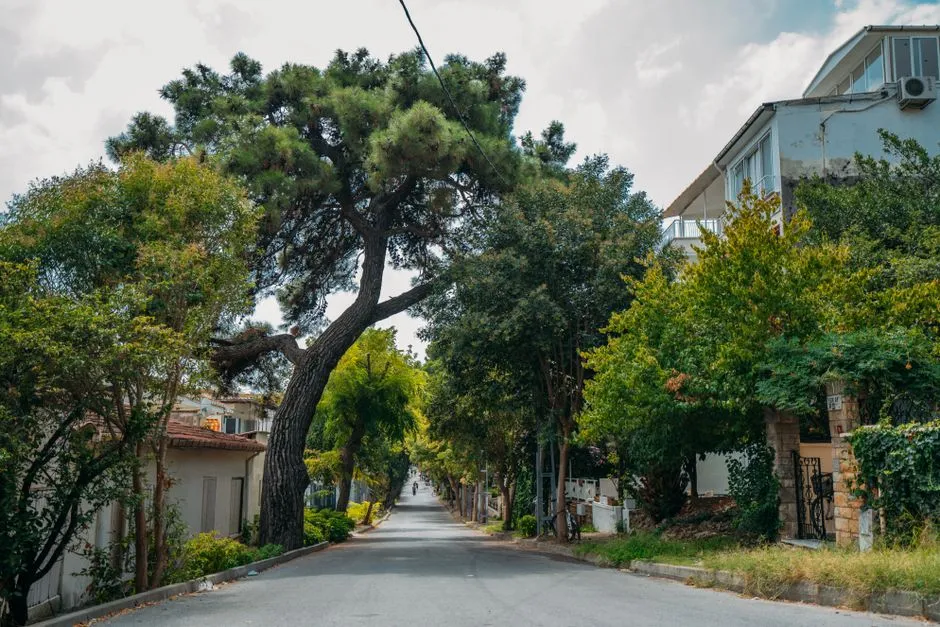
There’s a useful parallel to investing here. Just as compounding returns grow slowly and then powerfully, the benefits of a quieter life accumulate in ways that are hard to notice day to day. Less cortisol, better sleep, cleaner thinking, lower baseline stress. None of it shows up on a highlight reel.
There’s no doubt that money can buy you a certain amount of peace of mind. Knowing that you have a safety net to fall back on can deliver a huge boost to how confident you are about the future and allow you to enjoy the present.
The most expensive neighborhoods in the world sell, at their core, a reprieve from the noise of modern life. That’s what the price tag is really for. And once you understand that, the entire framework for thinking about how to spend money shifts. The flashy purchase becomes less interesting. The quiet street, the free afternoon, the cleared calendar starts to look like exactly the right thing to chase.


