
Explore how economic challenges drive high government benefit dependence in various american towns.

Numerous towns across the United States rely heavily on government benefits due to persistent economic challenges and limited job opportunities. This dependence reflects broader issues such as unemployment, poverty rates, and industrial decline rather than individual choices. Understanding these factors is essential to grasp how social safety nets support communities, providing vital assistance during difficult times and fostering eventual economic resilience.
1. McAllen Texas stands out for its significant use of federal assistance programs.

McAllen, located near the southern tip of the state, has a high proportion of its population relying on federal assistance programs. Many residents depend on social safety nets to make ends meet, largely due to the area’s economic challenges and high poverty rates.
Understanding McAllen’s reliance on benefits involves examining factors like unemployment and limited economic diversification. Critics often overlook these systemic issues, mistaking benefit reliance for complacency. However, social welfare provides crucial support amid adversity, helping to stabilize communities during economic challenges.
2. Brownsville Texas exhibits high government benefit reliance among its residents.
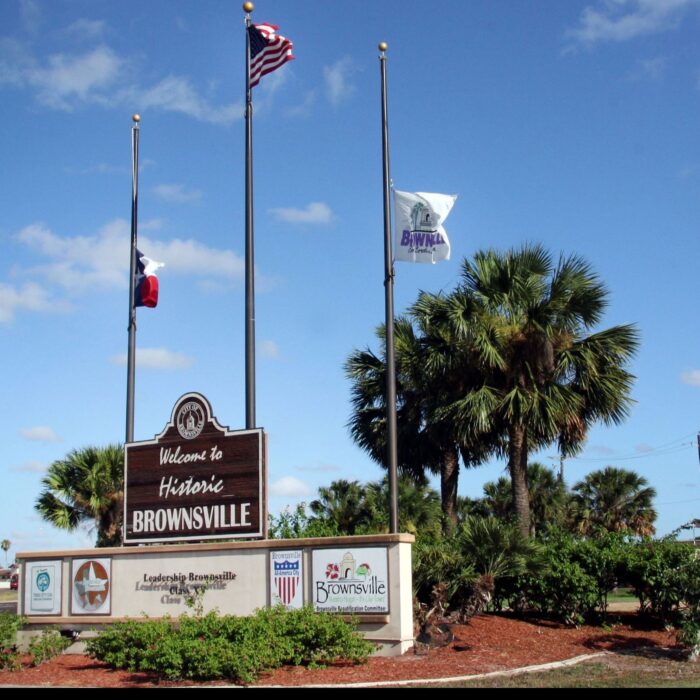
Government benefits play a pivotal role in the lives of many residents in Brownsville. High poverty rates and minimal economic opportunities necessitate widespread use of federal assistance programs throughout the community.
Brownsville’s reliance on government aid underscores the need to address underlying economic discrepancies. While critics may prematurely attribute dependency to individual shortcomings, it’s critical to consider systemic factors impacting the town. Social programs serve as essential lifelines, offering residents potential paths to improved well-being.
3. Detroit Michigan shows widespread dependence on various government aid services.

Detroit, known for its industrial past, sees widespread dependence on government aid services. Following economic downturns and significant job losses, many residents now look to social safety nets for support.
Evaluating Detroit’s aid reliance requires assessing lengthy structural changes affecting its economic landscape. While some associate high benefit use with laziness, historically entrenched economic declines often drive these trends. Government aid, though temporary for some, remains vital in bridging gaps created by sustained industrial shifts.
4. Flint Michigan maintains a notably large portion of citizens on government support.

In Flint, government support remains crucial, given its ongoing economic hardships. Historical job losses and public health crises have led to substantial citizen reliance on programs to maintain basic living standards.
Critics often misinterpret the aid reliance here, assuming long-term dependency indicates systemic issues. However, social programs there address real-time needs stemming from historical setbacks. By stabilizing household income and improving welfare, these benefits allow families to gradually pursue recovery pathways.
5. Atlantic City New Jersey relies heavily on government programs for local income.

Atlantic City, famous for its casinos, often contends with economic volatility. As a result, residents have come to depend heavily on government programs for crucial support, reflecting the area’s complex financial landscape.
Understanding the city’s aid reliance demands looking beyond short-term economic activity. The city’s fortunes, frequently tied to fluctuating tourism, necessitate robust safety nets. Such programs help residents weather economic instability while policymakers explore strategies for sustainable development.
6. Camden New Jersey experiences considerable community reliance on social assistance benefits.

Camden, experiences remarkable community reliance on social assistance, shaped by entrenched economic and social hurdles. Significant portions of residents face challenges in achieving financial independence, resulting in substantial public assistance engagement.
Camden’s circumstances require appreciating broader systemic and historical dynamics, beyond attributing need to individual failings. Critiques of dependency must recognize the vital role safety nets play, offering crucial resources that hope to eventually drive economic recovery and opportunity.
7. Gary Indiana has a strong connection to government benefits among its population.

Gary, has faced economic challenges following its steel industry’s decline, leading to a strong connection to government benefits. The city’s residents often rely on federal assistance to navigate unemployment and limited job opportunities.
The economic story highlights the impact of industrial shifts on local populations. While assistance programs initially address immediate needs, they also reflect broader systemic disparities. Reliance here showcases how social safety nets become necessary, structural responses to evolving industry demands.
8. Pine Bluff Arkansas records substantial government aid use among city dwellers.

In Pine Bluff, substantial government aid use underscores its residents’ economic reliance. High poverty rates and a lagging job market necessitate continued engagement with social assistance programs within the city.
Critiques may overlook systemic obstacles driving Pine Bluff’s benefit use, unfairly attributing need to personal shortcomings. Recognizing the role of social programs here involves appreciating their part in community welfare, providing temporary support while responding to the wider economic landscape.
9. Huntington West Virginia features elevated levels of social benefit participation.

Huntington features elevated levels of social benefit participation as residents deal with economic stagnation. Limited industry presence and high unemployment rates necessitate significant support from government programs.
Observing Huntington’s situation indicates systemic factors shaping high aid dependence. While benefit reliance can attract criticism, it’s crucial to understand the broader industrial and economic context shaping these trends. Such government programs remain pivotal in addressing immediate needs amid a challenging environment.
10. Rockford Illinois depends significantly on various government support initiatives.

Rockford exemplifies an area with significant dependence on government support initiatives. Economic contractions and job losses have integrated social welfare into many residents’ lives as they seek economic stability.
Rockford’s benefit reliance highlights systemic economic issues that surpass individual behaviors. Facing a complex labor market, social programs become necessary to meet fundamental needs and fuel community resilience. Understanding these dynamics involves scrutinizing broader economic shifts contributing to such reliance on aid.