
Automation and ai threaten various jobs, reshaping the future workforce landscape worldwide.
As automation and artificial intelligence technologies advance, certain careers face significant risks of becoming obsolete or fundamentally transformed. Jobs once considered stable are evolving or disappearing due to machines performing tasks faster and more efficiently. Understanding which roles are vulnerable helps workers plan strategically, focus on reskilling, and embrace adaptability. Reliable data from institutions like the Bureau of Labor Statistics and OECD highlight trends that reveal both challenges and opportunities in the future of work.
1. Postal workers face a declining demand as digital communication dominates.

Postal workers once delivered bundles of letters and packages with precision, but the landscape has shifted dramatically. Now, the click of a button sends emails in seconds, reducing traditional mail’s relevance amid rapid digital communication.
With fewer letters to deliver, postal services adapt by focusing more on package deliveries, driven by the influx of online shopping. Yet, technology’s shadow looms over even this area, pushing postal workers to explore new skills and roles as their traditional tasks diminish.
2. Telemarketers struggle to compete with automated voice systems and software.

In the past, telemarketers engaged customers with scripted calls, hoping to make a sale. Today, automated voice systems and sophisticated software preemptively handle these interactions, offering tailored responses without human aid.
Consequently, telemarketers face shrinking opportunities as companies lean on AI to reduce costs and enhance efficiency. As the industry shifts, roles may pivot towards managing automation tools rather than direct customer engagement, demanding a different skill set altogether.
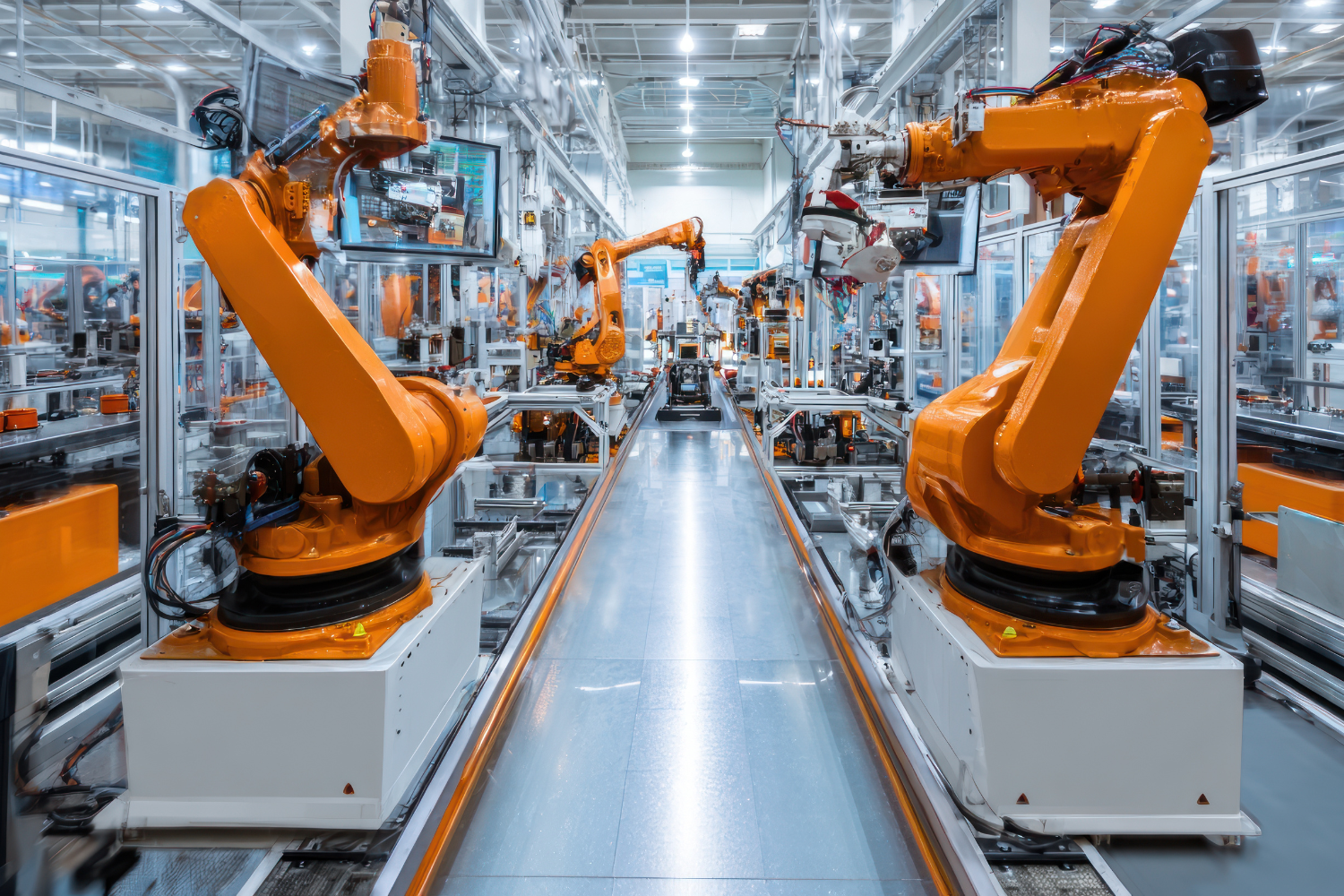
3. Assembly line workers are increasingly replaced by efficient robotic technology.

Assembly line workers once formed the backbone of manufacturing, manually crafting products on a daily basis. Now, robotic technology automates repetitive tasks with unmatched precision and speed, transforming production floors.
While robots efficiently handle bulk manufacturing, human oversight remains vital for troubleshooting and innovation. As roles evolve, workers may find new opportunities in technical or supervisory positions within automated environments, blending human insight with machine efficiency.
4. Travel agents experience reduced relevance due to online booking platforms.

Travel agents guided clients through vacation planning, offering personalized recommendations and booking services. The rise of online platforms, however, democratizes access to travel information, enabling users to curate experiences themselves.
Despite diminishing demand, travel agents now focus on specialized itineraries and unique travel experiences, offering insights beyond what online platforms can. This shift requires deeper destination knowledge and exceptional customer relations, emphasizing a consultative approach over traditional transactional roles.
5. Cashiers encounter threats from self-checkout machines and mobile payments.

Cashiers once played a pivotal role in retail transactions, facilitating sales and ensuring customer satisfaction at checkout. Today, self-checkout kiosks and mobile payment systems provide convenience, allowing shoppers to complete purchases independently.
As retail spaces increasingly prioritize efficiency, the cashier’s role transforms, emphasizing customer service and problem-solving when technology falters or questions arise. Embracing these changes may lead to new opportunities within customer service and retail management domains.
6. Data entry clerks see diminished roles as AI processes information faster.

Data entry clerks historically ensured accuracy by manually inputting information across databases. AI now accelerates this task, processing data with incredible speed and minimized errors.
In light of this efficiency, clerks face fewer routine tasks, redirecting focus towards data analysis and verification roles. Augmenting AI efforts through critical oversight and interpretation can create value, blending machine proficiency with human intuition to derive insightful conclusions.
7. Bank tellers are replaced by automated ATMs and online banking services.

Bank tellers expertly managed transactions and offered financial guidance within bustling branches. However, ATMs and online banking platforms automate tasks like withdrawals and transfers, streamlining services without physical interaction.
In response, tellers diversify by providing personalized advice and focusing on complex transactions not easily transferred to machines. Branches evolving into financial hubs create new roles, emphasizing relationship building and tailored client solutions that technology can’t replicate alone.
8. Print newspaper reporters face challenges as digital news reshapes media.

Print newspaper reporters once delivered timely stories to eager readers, shaping public discourse. Digital news, with its instant updates and broad reach, gradually redefines media consumption, challenging traditional print journalism.
Adapting to digital platforms, reporters leverage multimedia storytelling and real-time reporting, expanding their skillset to remain relevant. While print roles decline, the digital sphere offers avenues to engage new audiences with interactive and dynamic content forms.
9. Warehouse packers contend with automated sorting and robotic fulfillment systems.

Warehouse packers diligently filled orders, ensuring items reached their destinations intact. Automation now streamlines sorting and fulfillment systems with robotic precision, handling bulk tasks seamlessly.
As technology takes the helm, human roles pivot towards system maintenance and oversight, ensuring reliability and addressing unforeseen issues. This shift fosters new opportunities within logistics, requiring a blend of technical skills and strategic problem-solving to enhance automated efficiency.
10. Taxi drivers adapt to the rise of autonomous vehicle technology.
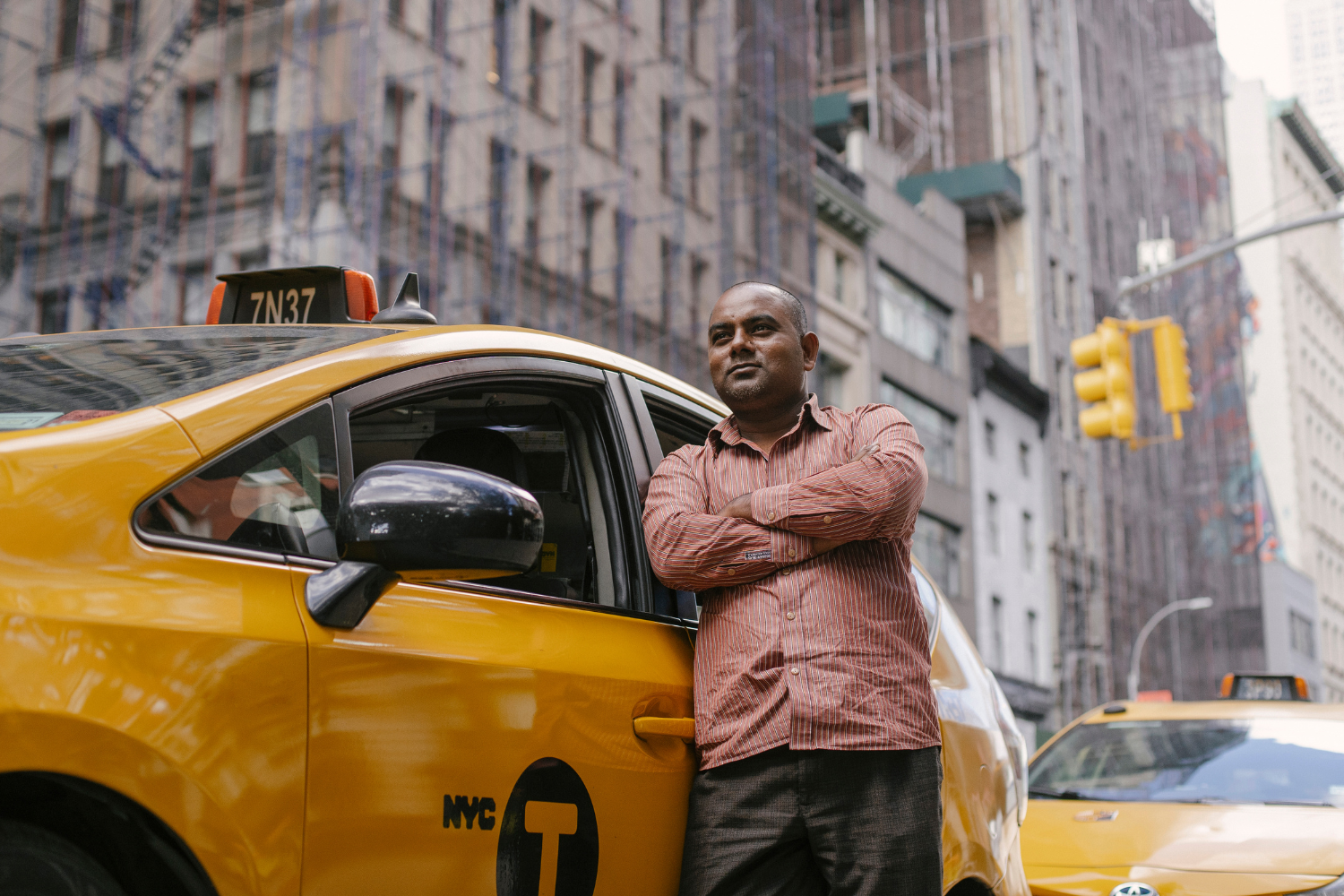
Taxi drivers navigated cities, offering personal transport with intimate knowledge of local streets. Autonomous vehicle technology, though still developing, promises self-driving solutions that may one day transform the industry.
While the shift is gradual, it prompts drivers to adapt, focusing on specialized transport services or engaging with emerging mobility sectors. Harnessing unique human experiences can complement evolving technology, creating new niches within an increasingly automated world.