
Consider essential factors like cost, range, and charging infrastructure when buying an ev without credits.

Purchasing an electric vehicle without relying on tax credits requires thorough evaluation beyond just the sticker price. Key considerations include understanding total ownership costs, assessing battery range and charging options, and factoring in maintenance and resale values. These insights help buyers make informed decisions that align with both their financial goals and lifestyle needs, ensuring a satisfying EV experience over time.</p>
1. Understand the true cost of owning an electric vehicle beyond the purchase price.
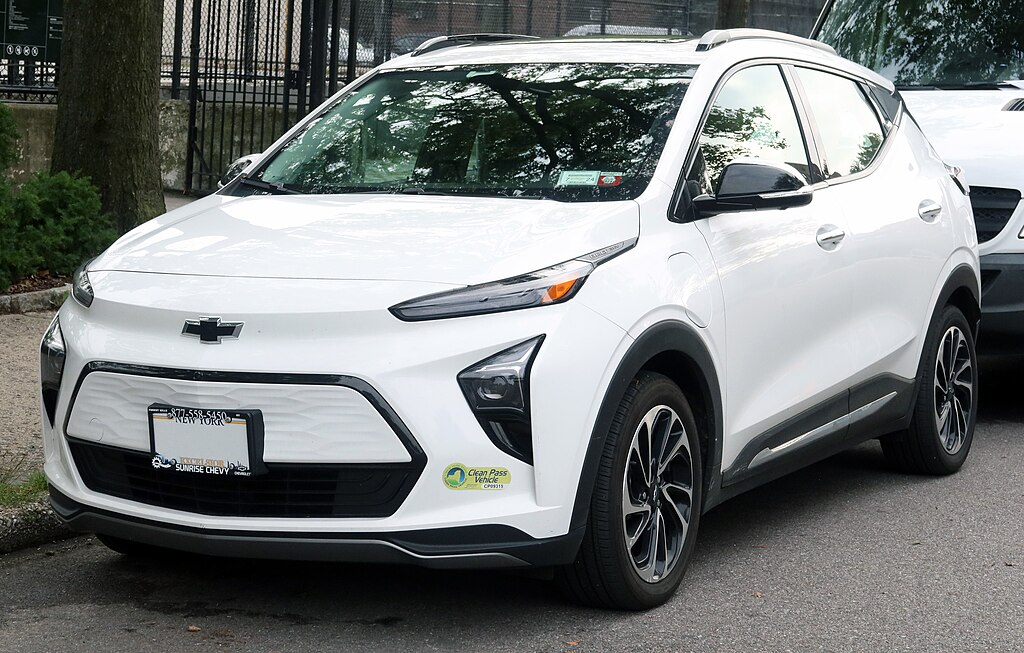
An electric vehicle’s cost extends beyond the initial sticker price. Key expenses include insurance, regular maintenance, and electricity usage over time. Depreciation also plays a role, with some models losing value faster than others, potentially impacting financial planning and resale prospects.
Comprehensive budgeting can unveil differences in long-term expenses between EVs and traditional vehicles. Total cost of ownership includes unseen factors like battery replacements. Strategic financial choices, such as committing to a robust maintenance plan, could significantly alter long-term expenditures, ultimately affecting overall satisfaction with the purchase.
2. Evaluate the availability and convenience of charging stations in your area.

Charging stations are vital for any EV owner, providing the juice for daily commutes or cross-country trips. Public and at-home options each come with conveniences and limitations. Urban areas may offer better access, but locations can differ in speed and reliability.
Mapping out available charging spots in frequently traveled areas ensures smooth journeys. In places with limited infrastructure, the scarcity of reliable stations might affect the practicality of an EV. Exploring consistent charging solutions helps mitigate range anxiety, providing peace of mind during longer journeys.
3. Consider the expected range of the EV and how it fits your daily needs.

Battery range is a pivotal feature, dictating travel potential of electric vehicles. It determines how far one can drive on a single charge, differing across models. Matching a vehicle’s range to daily driving needs can optimize convenience and eliminate range concerns.
Consideration of a daily routine can contextualize which EV range best suits an individual’s lifestyle. Inadequate range necessitates frequent stops at charging stations, which might be inconvenient. Comprehending this relationship ensures that a well-suited vehicle can support needs without constant recharging interruptions.
4. Assess potential savings on fuel and maintenance compared to traditional vehicles.

Fuel savings are an enticing benefit of electric vehicles, as electricity costs often undercut gasoline prices. EVs typically demand less maintenance, favoring simplicity with fewer moving parts. Over time, these factors contribute to lower running costs compared to traditional internal combustion engines.
However, fluctuations in electricity prices and service expenses can influence these savings. Evaluating total maintenance needs and the cost-per-mile over several years clarifies the financial advantage. Such analysis underscores how electric vehicles can economically outpace traditional options.
5. Research the reliability and warranty options offered by different EV manufacturers.

Evaluating the reliability of an electric vehicle helps foresee challenges potentially encountered during ownership. Manufacturer warranties vary, protecting different components for assorted durations. Not all brands offer the same depth of coverage or equivalent levels of service and support.
Comparing warranty lengths and service quality across manufacturers can alter brand perceptions. Consistent vehicle performance paired with reliable support creates confidence. Understanding these commitments could potentially guide decisions, influencing long-term satisfaction and peace of mind.
6. Factor in the impact of battery degradation on long-term vehicle performance.

Battery degradation affects an EV’s efficiency and range over time. Wear and tear gradually reduce battery capabilities, slowing charging times and decreasing overall performance. All batteries degrade, but the rate can vary based on numerous factors including usage and climate.
Anticipating battery decay’s impact on range and functionality is essential for ownership planning. Factoring in potential replacement or refurbishment costs can affect budgetary allowances. Aware consumers can make better-informed decisions about which EVs offer reliable longevity.
7. Explore financing options and incentives that may still apply without tax credits.

Electric vehicles might still offer incentives beyond federal tax credits. State or local initiatives occasionally provide rebates or benefits that help offset purchase costs or enhance affordability. Financing options and dealership promotions might also present unique opportunities for reduction.
Investigating available incentives aids in optimizing purchase decisions. Additionally, exploring financing solutions can pave the way for more manageable payments. Such arrangements underline how financial flexibility can coexist with sustainable choices, even without direct tax credits.
8. Think about the environmental benefits of choosing an electric vehicle overall.

Choosing an electric vehicle can align personal values with broader environmental objectives. EVs typically produce fewer emissions over their lifecycle compared to traditional cars. Lower tailpipe emissions contribute positively to the atmosphere, illustrating significant ecological benefits.
Comparing the ecological footprint of an EV against a gasoline-powered model reveals contrast in carbon impacts. Each purchase decision lends itself to potential climate influence. Understanding this relationship enhances appreciation for the environmental contribution made by selecting electric vehicles.
9. Check the compatibility of home charging solutions with your living situation.

Home charging solutions require compatibility checks with existing electrical systems. Installation of Level 1 or Level 2 chargers might necessitate upgrades to accommodate power needs. Local building codes or homeowner restrictions could affect installation feasibility or preferred charging types.
Adapting domestic infrastructure ensures seamless EV integration into everyday routines. Building familiarity with residential electrical systems clarifies potential associated costs or restrictions. Comprehensive adaptation planning establishes convenience in recharging, making home the primary hub for vehicle energy needs.
10. Plan for resale value and how electric vehicles hold their worth over time.

Resale value remains crucial as it deeply affects whether invested funds can be recovered. Some models may hold value better due to demand or quality assurances. Consideration of these trends could influence initial purchase choices, securing potential returns.
Recognizing which EVs depreciate least fast informs ownership horizons. Savvy purchasers might lean towards proven models offering assurance of steady market interest. Balancing ownership duration with potential depreciation ensures better alignment with future financial strategies.