
They faced a unique gauntlet of global and economic shifts.

Millennials often face unfair stereotypes, but perhaps no generation has been tested by such a unique gauntlet of global and economic shifts. From navigating the turbulent waters of the Great Recession as young adults to adapting to a world fundamentally reshaped by technology, their formative years were anything but stable.
These aren’t just historical footnotes; they’re the crucible in which a remarkably adaptable and resourceful generation was forged.
1. Navigating the great recession as young adults.

Many millennials entered the workforce or were just starting their careers during the most severe economic downturn since the Great Depression. Jobs were scarce, student loan debt loomed large, and the traditional path to homeownership or financial stability felt incredibly distant. This forced a rapid adaptation to a tougher economic reality.
This period instilled a deep-seated financial pragmatism and adaptability. They learned to be resourceful, embrace side hustles, and question conventional career paths, forging a generation that’s often more financially literate and less risk-averse in their pursuit of stability.
2. Witnessing and adapting to the rise of digital technology.

Millennials are the true digital natives, growing up alongside the internet, personal computers, and eventually, smartphones. They experienced the world before widespread digital connectivity and then seamlessly transitioned into an increasingly online existence, mastering new technologies as they emerged.
This unique vantage point gave them unparalleled adaptability to technological shifts, making them pioneers in areas like social media, e-commerce, and remote work. Their comfort with constant innovation has made them incredibly agile in a rapidly changing world.
3. Experiencing the profound impact of 9/11.

For many millennials, 9/11 occurred during their formative years, profoundly shaping their worldview and understanding of global security. The immediate aftermath and the subsequent geopolitical shifts instilled a heightened awareness of global events and a sense of collective vulnerability.
This shared experience fostered a generation that often values community, social justice, and collective action. It prompted a deeper engagement with complex global issues and a desire to contribute to a more secure and interconnected world.
4. Enduring the housing market crash and its aftermath.

The bursting of the housing bubble disproportionately affected millennials, who often saw their parents’ equity evaporate or faced insurmountable barriers to buying their first homes. This event shattered the traditional American dream of homeownership and forced a reevaluation of financial planning.
This experience led to a more cautious approach to large investments and a greater emphasis on financial flexibility. Many millennials delayed homeownership, embraced renting, or sought alternative living arrangements, demonstrating their ability to adjust expectations in the face of economic upheaval.
5. Grappling with the student loan debt crisis.

Millennials graduated into an era of skyrocketing tuition costs and unprecedented student loan burdens, forcing many to delay major life milestones like marriage, homeownership, and starting families. This financial albatross became a defining characteristic of their early adulthood.
This collective struggle fostered a strong sense of advocacy for systemic change and innovative approaches to education and career development. It also encouraged a generation to be more strategic about their educational investments and to seek out alternative pathways to success.
6. Navigating the evolving landscape of work and careers.

The traditional career path of staying with one company for decades largely disappeared during the millennials’ entry into the workforce. They’ve had to adapt to a gig economy, portfolio careers, and a constant need for upskilling and reskilling to remain competitive in a fluid job market.
This constant state of professional evolution has made them incredibly adaptable and entrepreneurial. They’re often comfortable with career changes, prioritize work-life balance, and actively seek out opportunities for continuous learning and growth.
7. Witnessing and contributing to social and political activism.
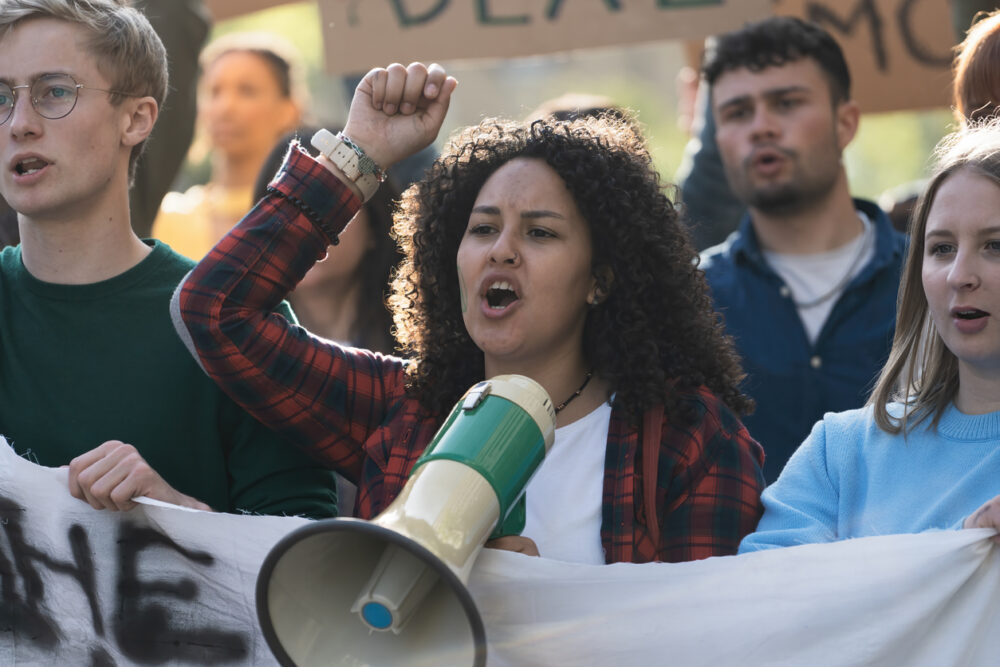
From Occupy Wall Street to the rise of social justice movements, millennials have been at the forefront of advocating for change on a wide range of issues. They’ve leveraged digital platforms to organize, mobilize, and amplify voices, demonstrating a strong commitment to societal improvement.
This engagement showcases their resilience in pushing for a more equitable and just world, even when faced with significant opposition. They’ve learned to navigate complex social issues and to use their collective power to influence policy and public discourse.
8. Enduring the COVID-19 pandemic as established adults.

For many millennials, the pandemic hit during a time when they were establishing careers, raising families, or managing significant responsibilities. They faced unprecedented challenges like remote work, homeschooling, and navigating a global health crisis while balancing their personal and professional lives.
This period tested their ability to adapt to extreme uncertainty and significant disruption, often while simultaneously caring for older relatives and younger children. Their ability to pivot and manage multiple complex demands further solidified their reputation for resilience.
9. Experiencing an unprecedented level of global interconnectedness.

Growing up with readily available international news and travel, millennials have a uniquely global perspective compared to previous generations. They’ve witnessed major international conflicts, humanitarian crises, and economic shifts, fostering a broader understanding of interconnectedness.
This global awareness has made them more empathetic and open-minded, often leading to a greater appreciation for diverse cultures and a desire to engage with global challenges. Their understanding of the world as a small place has shaped their approach to problem-solving.
10. Living through the rise of climate change awareness and its impacts.

Millennials have come of age as climate change has become an undeniable and increasingly urgent crisis. They’ve witnessed extreme weather events, natural disasters, and the growing scientific consensus on environmental degradation, leading to a profound sense of responsibility.
This heightened awareness has galvanized many millennials into environmental activism and a push for sustainable practices. Their resilience is evident in their determination to address a seemingly overwhelming global challenge, advocating for long-term solutions and a greener future.