
Avoid common psychological pitfalls that inflate your tipping expenses unknowingly and unnecessarily.

Tipping might seem straightforward, but several psychological traps can quietly influence how much you end up paying. From feeling pressured to conform with social norms to misjudging tip percentages or confusing service charges with discretionary tips, these subtle biases can lead to overspending. By understanding these common decision-making pitfalls, you can approach tipping more consciously, ensuring your generosity aligns with your budget and the quality of service received.
1. Believing tipping is obligatory regardless of service quality.

Many individuals feel tipping is mandatory, irrespective of service quality. Restaurants and cafes often evoke a sense that gratuity should be given even for subpar experiences. This stems from societal norms deeply ingrained, dictating that tipping signals respect and acknowledgment.
While customary in many cultures, this obligation can lead to unnecessary expenses over time, especially when service benchmarks aren’t met. It becomes crucial to gauge the distinction between genuine service gratitude and socially driven habits, allowing for a more balanced approach to tipping practices.
2. Over-tipping to avoid feeling guilty about poor service.

Over-tipping stems from guilt when services fall short of expectations. Patrons might feel a compensation through higher tips eases their dissatisfaction or apologies to staff. It is a complex emotional reaction that frequently leads to skewed financial decisions.
Acknowledging this tendency is vital, as it may result in unplanned spending in the long term. This dynamic showcases how intertwined emotions and financial choices can impact consumer behavior, often without conscious realization.
3. Relying on others’ tips to decide your own amount.

Anchoring on others’ tips can heavily influence individual tipping behavior. Observing colleagues or friends tipping generously may inadvertently lead one to do the same, thinking it is the appropriate action. This subconscious mimicry often overshadows personal judgment.
Consequently, this reliance might result in overspending or feeling out of control of personal finances. Developing an independent tipping style aligned with individual standards and financial comfort is a subtle yet effective way to counter peer influence.
4. Assuming larger tips guarantee better future service.

Assuming larger tips ensure superior future service is a widespread myth. While it might occasionally guide better treatment, consistency and courtesy are usually more reliable guarantees. Tipping heavily with expectations often creates a cycle of disappointment if the desired outcome isn’t achieved.
This assumption can inflate tipping habits unnecessarily, leading to unintended financial strain. Recognizing the fundamental driver of excellent service—quality interaction—can help reset these expectations effectively.
5. Letting round numbers influence tip size instead of service.

Oddly, round numbers frequently dictate tipping decisions. Choosing a $10 tip because it’s a nice, even amount sometimes happens instead of a genuine reflection of service received. This phenomenon can cause tipping patterns to drift from intended standards.
Focusing solely on these numbers bypasses evaluating the actual service merit. Taking a moment to focus on qualitative experiences over quantitative perceptions helps recalibrate this common inclination effectively.
6. Feeling pressured to tip high in unfamiliar or formal settings.

Encountering formal or unfamiliar situations amplifies tipping pressure. New environments often lead individuals to assume higher tipping standards automatically, which occasionally results in excessive expenditure. It acts as a default response due to uncertainty and anxiety about fitting in.
Such circumstances can build undue stress, causing even conservative tippers to act against their usual preferences. Developing context-awareness helps in maintaining a balanced perspective and managing expenses accordingly.
7. Misjudging tip percentages due to confusing billing practices.
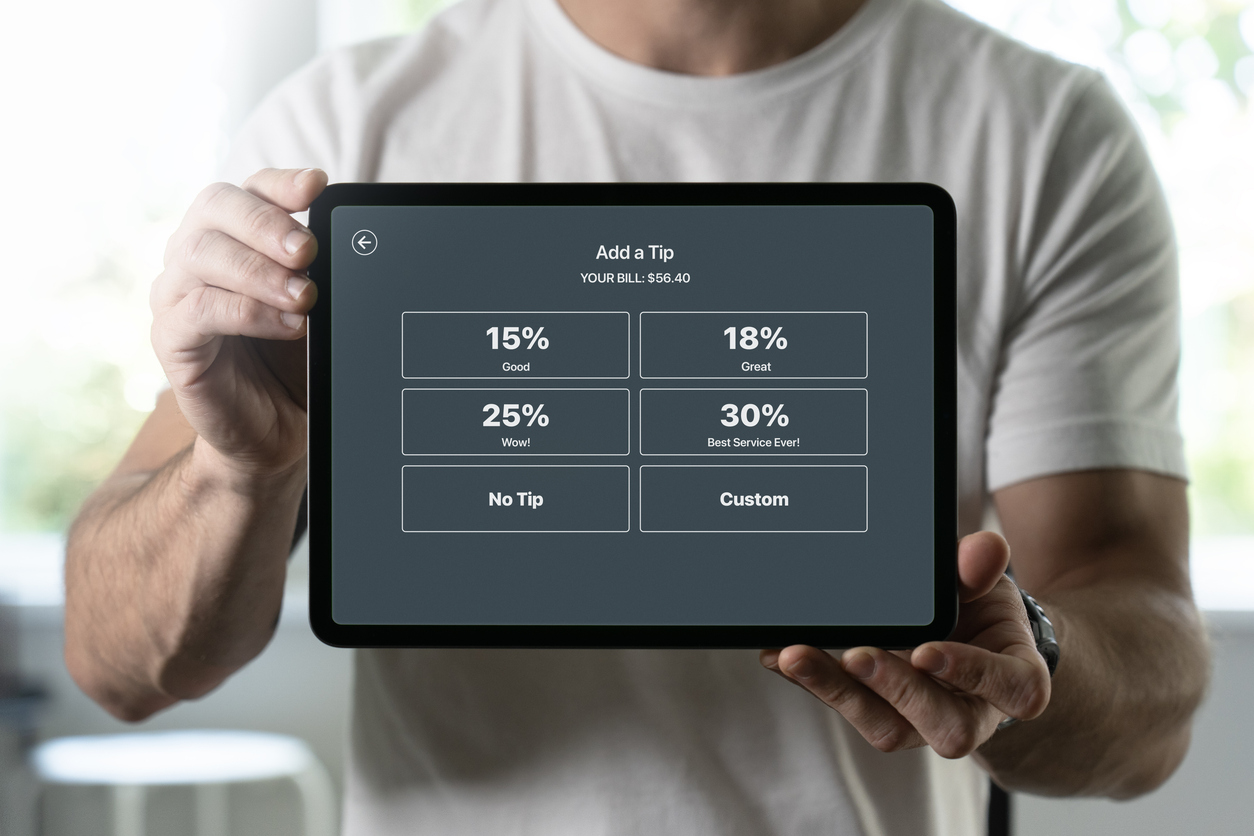
Misjudging tip percentages can arise with confusing billing practices, such as service charges or taxes being included in the total. Misinterpretations of receipts might lead to tipping based on incorrect amounts, thus unsettling intended budgets.
This calls for careful attention to how costs are presented, ensuring discretionary amounts align accurately. Clarity on these figures establishes realistic structures for financial decisions, optimizing overall tipping habits.
8. Confusing inclusive service charges with discretionary tips.

Some diners confuse automatic service charges with the freedom of discretionary tips. Such charges are often intended to simplify gratuity but can be mistaken as additional charges for tipping, leading to unintended expenses.
Recognizing the difference between obligatory additions and personal choices in tipping reinforces financial prudence. Gaining awareness helps distinguish appreciation gestures from mandatory fees, streamlining budgeting approaches.
9. Tipping out of habit without considering personal budget limits.

Habitual tipping frequently dismisses personal financial boundaries. Regularly offering tips without recognizing budgetary constraints can stretch finances thin over time. This behavior, often unnoticed, becomes unhealthily automatic.
Reassessing such routines against financial outlooks provides balance and avoids compromising other essential expenses. Incorporating intentional reflection on spending practices ensures tipping remains a feasible and thoughtful gesture.
10. Allowing social norms to override personal tipping preferences.

Social norms sometimes eclipse individual tipping preferences. Various societal influences, from cultural to situational, can push personal choices aside. Such conformity might escalate unwarranted spending beyond comfort boundaries.
Attuning tipping practices to align with personal values and capacities is key. Identifying and understanding these norms helps nurture genuine financial decisions, reinforcing a true sense of fiscal autonomy.