
Explore common retail pricing tactics that subtly influence shopper perception and decision making.

Retailers use a variety of pricing strategies to shape how shoppers perceive value and cost. These techniques often rely on psychological cues, from price endings like .99 to strategic product placement, aiming to guide purchasing behavior. By understanding these common tricks, consumers can make more informed decisions, recognizing when a deal is genuine or merely a clever illusion crafted to encourage spending.
1. Use charm pricing to make prices appear lower than they actually are.

Charm pricing is a tactic where prices end in .99 or .95, giving the impression of a deal. The psychology behind this revolves around the tendency to focus on the first digit rather than the entire number, making $9.99 seem cheaper than $10.
Retailers employ this subtle technique to manipulate perception, encouraging impulsive decisions. Even rational shoppers might misjudge their savings when charmed by such prices, often leading to more purchases than initially intended, driven by the allure of perceived bargains.
2. Apply smaller font sizes to increase perceived affordability subtly.
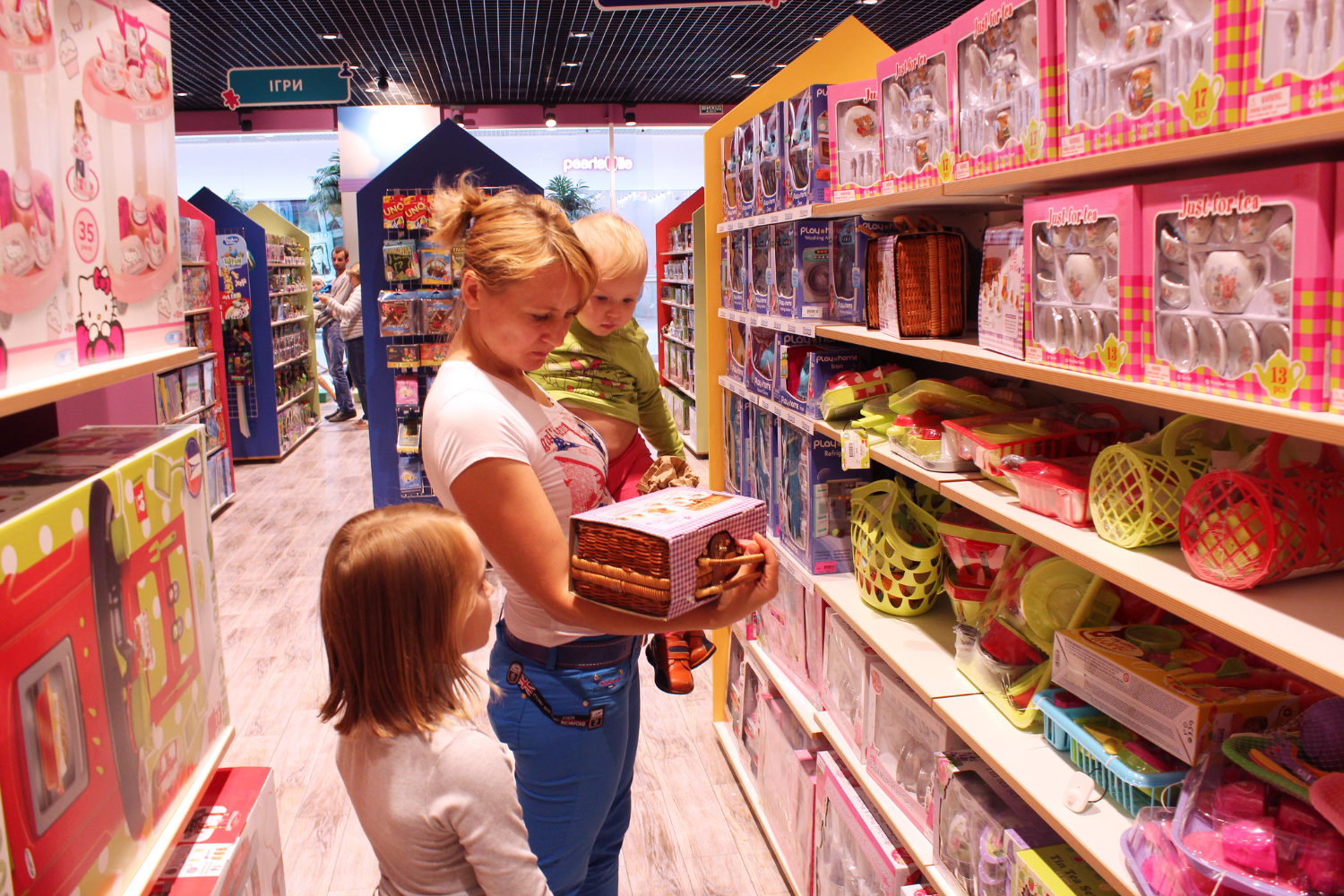
Reducing font sizes in price tags can make costs seem less significant. A smaller font conveys discount-like attributes without altering the price itself, subtly guiding the customer’s attention elsewhere. Much like quieted whispers, these smoothed visuals soothe reluctance.
By making prices less visually dominant, retailers subtly ease the decision-making process, rendering the expense secondary to the perceived value or features. While the price remains constant, the feeling of affordability is enhanced, influencing buying behavior.
3. Position higher-priced items next to mid-range options to anchor shoppers’ choices.

Positioning higher-priced items next to mid-range choices serves as an anchor to influence shopper expectations. The contrast makes the mid-range options appear more reasonable by comparison. This tactic subtly shifts perceived value, creating a new reference point in the buyer’s mind.
Anchoring capitalizes on the inherent need for context; shoppers benchmark prices against one another, rather than considering the absolute cost. Consequently, an item’s position relative to others affects its perceived worth and can guide decisions toward mid-range products.
4. Highlight discounts prominently while downplaying the original price details.

Retailers prominently feature discounts to draw attention, often minimizing the visibility of original prices. Bold sale signs capture eye contact quickly, steering focus toward enticing figures. This contrast amplifies the allure of savings, appealing to the impulse-driven shopper.
Discount-heavy displays may lack transparency about actual savings, misleading the casual observer. Without clear original price insights, consumers might misinterpret value, making decisions based solely on conspicuous markdowns without assessing the true scope of the offer.
5. Employ price ending in .99 to suggest better value without big difference.

Prices often end in .99 to suggest a better deal while barely differing from round numbers. This psychological pricing tricks the mind, creating a sense that the cost is significantly lower than an even dollar amount. It’s a minute tweak with notable consumer influence.
Such pricing crafts illusionary savings, enticing customers to buy more readily by emphasizing perceived value drop. While the literal difference is trivial, the felt impact amplifies willingness to purchase, embedding these subtly lower numbers in the collective buying psyche.
6. Bundle products to suggest savings, even when individual prices remain inflated.

Bundle pricing combines multiple products to imply savings, though individual items may remain at premium rates. Creating such packages encourages buying more because the total cost appears lower than purchasing separately. A woven convenience offers illusionary cost benefits.
Psychologically, bundles promote purchase because they signal value gain, even with few actual savings. Customers persuaded by added items might overlook unequal value distribution, prioritizing apparent savings over precision, and thus, spend more than planned perceiving greater overall benefit.
7. Use ‘was’ and ‘now’ pricing to create urgency and perceived bargains.

Displaying ‘was’ and ‘now’ pricing creates urgency, triggering a perceived bargain. The contrast between old and new prices signals a timed opportunity, motivating shoppers to act swiftly before the supposed value vanishes. A subtle rush builds through such sales techniques.
Though indicative of change, these tags can fabricate urgency without substantial original price data. Actually verifying past prices becomes secondary to the apparent fleeting nature of the offer, driving purchases propelled by scarcity thinking rather than true cost assessment.
8. Display unit prices alongside total prices to influence perception of value.

Presenting unit prices alongside totals alters value perception, offering transparency about cost relative to quantity. It emphasizes the breakdown, encouraging consumers to analyze more scrupulously. This approach infuses clarity, elevating purchases based on depth rather than surface decals.
Unit-centric prices trust the calculative eye, which helps identify genuine bargains, urging deeper financial scrutiny rather than accepting listed figures blindly. The technique leverages numeracy over narratives, fostering informed decisions based on comprehensive price understanding.
9. Increase the number of options to complicate choices and boost sales.

Increasing options complicates decision-making, inadvertently enhancing sales. A wide array creates the illusion of choice, leading to comparison-induced confusion. Without a definitive best option, shoppers might default to safer, moderate choices, easing cognitive burden.
Varied selections can overload the mind, driving not toward conclusive cheapest buys, but toward convenient middles. Faced with abundance, carefully weighted judgments often dissolve, making more appealing the reliable stability found amongst the saturated shelves of retail landscapes.
10. Place sale tags on everyday items to create false sense of discount.

Ordinary items often get adorned with sale tags to generate a false discount sense. Familiar goods appear more appealing when adorned with these signs, stirring impressions of enhanced value. A simple label can transform mundane shelves into perceived deal zones.
Detractors like these sales tactics warp valuation where no actual savings exist. The shopper wanders under an altered pricing aura, believing wandering aisles host unseen reductions, rarely suspecting that the perceived cutthroat markups reflect a retail mirage.