
Protect your transactions by choosing trusted and secure online payment methods every time.

Selling products online requires more than just listing items; it demands careful attention to payment security. Employing secure payment methods protects both seller and buyer from fraud and financial loss. By using reputable platforms, enabling additional security steps like two-factor authentication, and verifying payments before shipping, sellers create a safer environment. Understanding these measures helps ensure confidence and peace of mind throughout every transaction.
1. Use well-known payment platforms that offer buyer and seller protections.

Reputable platforms like PayPal and Stripe provide robust protection for online transactions. These services offer built-in buyer and seller protections, which include features like fraud monitoring and dispute resolution, ensuring that both parties feel secure. Payment issues get addressed swiftly, fostering trust.
Patrons appreciate the security of using established platforms that enforce strict data policies. With fraud on the rise, these protections become vital in any sales transaction. A familiar logo next to a payment button encourages customers to proceed confidently, knowing there’s a safety net beneath each purchase.
2. Enable two-factor authentication to add extra security to your accounts.

Two-factor authentication (2FA) enhances account security by adding a verification step. Before accessing an account, users must enter a code sent to a registered device, bolstering defenses against unauthorized logins. This added layer ensures your account’s integrity remains intact.
Hackers find it challenging to breach systems with 2FA, as they need both your password and the secondary code. Businesses that implement this protective measure can deter potential cyber threats. With technology evolving, staying ahead in security measures reassures stakeholders of your commitment to safety.
3. Opt for payment methods that encrypt transactions to protect sensitive data.
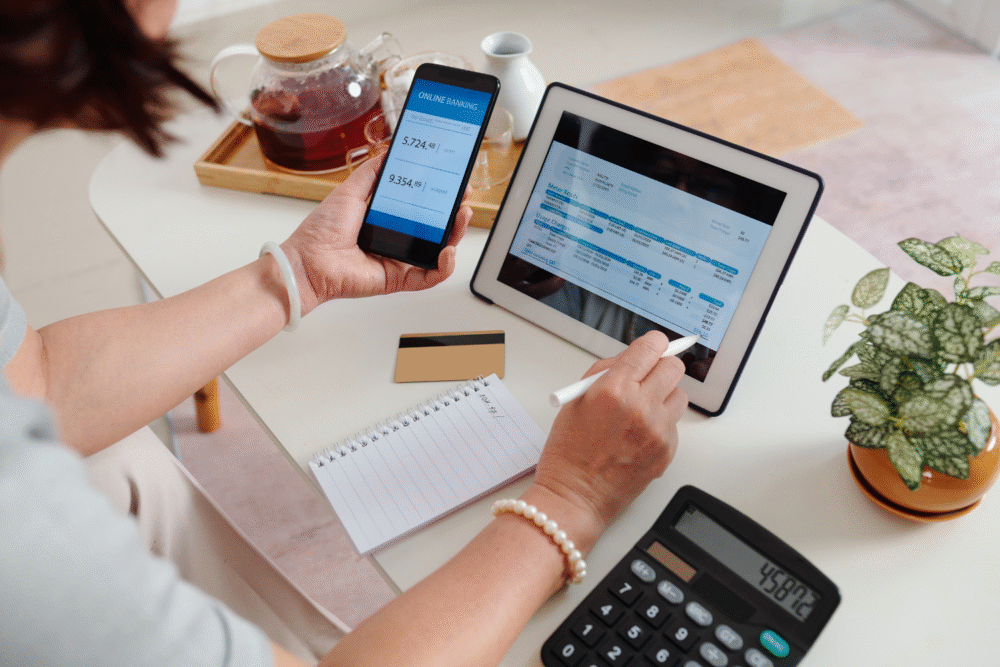
Encrypted payment methods shield sensitive data from prying eyes. When customers enter their card details, encryption converts the information into a secure code, ensuring a safe transaction path. This mechanism is crucial in preventing unauthorized access or data breaches.
Data encryption instills consumer trust, as personal details remain confidential. This protective barrier keeps transactions smooth and secure, reducing the worry of compromised credentials. Choosing encryption-focused methods aligns with best practices for maintaining both seller and buyer peace of mind.
4. Verify buyer identity through platform tools before finalizing the sale.

Verifying a buyer’s identity using platform features helps prevent potential fraud. Tools like address verification and transaction histories aid in confirming legitimacy. This step builds confidence in high-value exchanges by ensuring that buyers are who they claim to be.
Sellers who utilize these tools often experience fewer disputes and chargebacks. By leveraging available resources, they create a secure marketplace that discourages fraudulent activity. Identity verification becomes an integral part of transaction due diligence in the digital selling world.
5. Avoid sharing personal banking information directly with buyers online.

Personal banking information should remain private to prevent fraud. Sharing account details directly with buyers can lead to data breaches or unauthorized transactions. Sellers must protect their financial information to maintain transaction integrity and avoid potential risks.
Using secure communication channels and reputable platforms minimizes the need for direct detail exchange. This protective practice safeguards sensitive data, ensuring smooth interactions. Awareness and diligence about these boundaries help maintain consumer trust and reduce exposure to financial vulnerabilities.
6. Use escrow services for high-value items to ensure secure payments.

Escrow services offer a secure way to handle high-value transactions. These services hold funds until both parties fulfill their contractual obligations, adding an extra layer of security. Sellers and buyers remain protected through this intermediary step in the transaction process.
Utilizing escrow decouples funds from direct transfers, lowering the risk of fraud. It reassures both parties that items will ship and payments conclude satisfactorily. For costly items, escrow’s added reassurance enhances the credibility of the transaction, appealing to cautious customers.
7. Always confirm payment receipt before shipping any sold products.

Confirming payment receipt before shipping prevents unnecessary disputes. Sellers should verify payment appears in their account rather than rely on emailed confirmations alone. Doing so ensures funds are secure prior to dispatching items, minimizing potential conflicts.
Online marketplaces occasionally experience processing delays, and rushed shipments might complicate rectification. Clear verification practices between payment and shipping maintain transaction orderliness. Consistently applying this step strengthens transactional trust and deters premature product release.
8. Consider mobile payment options that include transaction tracking features

Mobile payment options like Apple Pay and Google Wallet support transaction tracking. These technologies facilitate seamless payments while incorporating detailed histories for users. Sellers can appeal to tech-savvy consumers who appreciate instant notifications and transaction awareness.
Mobile platforms continue to innovate with customer-centric features that offer advantages beyond traditional methods. Users can easily access tracking, fostering transparency in each transaction. Swift updates and access to previous transactions build reliability within mobile payment methods.
9. Keep your devices and apps updated to reduce security vulnerabilities.

Keeping devices and apps updated significantly reduces security risks. Platforms routinely release patches to address vulnerabilities that cybercriminals could exploit. Staying current with updates ensures that your systems benefit from the latest protective measures.
Outdated software may harbor exploitable weaknesses, offering easy access points for attackers. Regular maintenance secures devices against known threats and streamlines their performance. Investing time in updates is a worthwhile endeavor, fortifying your digital environment against unforeseen risks.
10. Regularly review your payment accounts for any unauthorized transactions.

Regular review of payment accounts helps detect unauthorized activity. By scrutinizing transaction records, sellers can swiftly identify discrepancies or unfamiliar charges. This vigilant practice serves as an effective measure to prevent long-term financial harm.
Beneath the surface of routine transactions, hidden issues might lurk. Addressing these concerns promptly safeguards financial interests while fostering accountability. Consistent oversight and thorough examination of account history fortify your defenses against evolving threats.