
Key factors to weigh for efficient and cost-effective solar panel installation success.
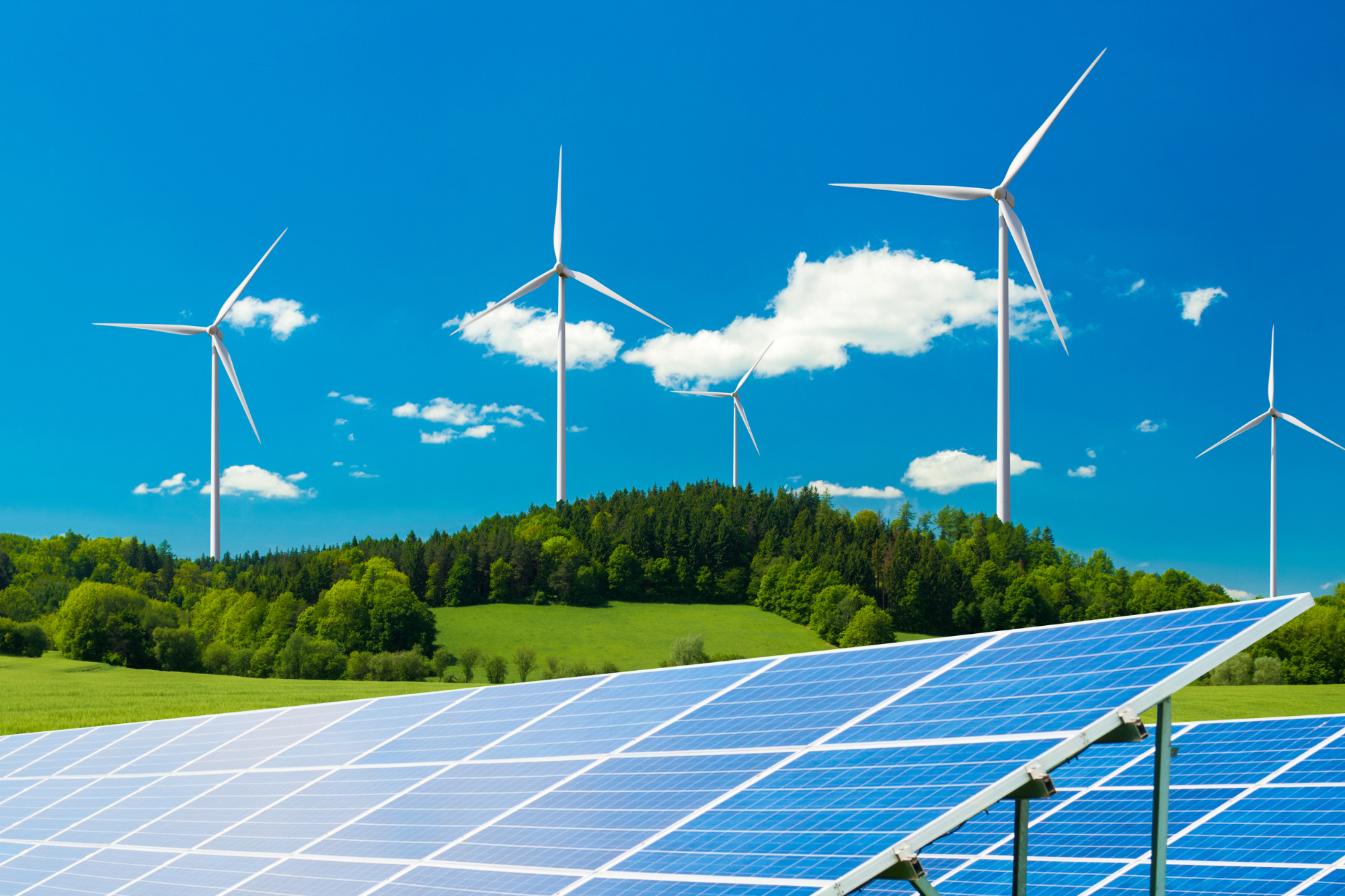
Installing solar panels offers a sustainable energy solution, but it comes with various considerations that can impact effectiveness and expense. From assessing your roof’s condition to understanding local regulations and maintenance needs, each factor plays a crucial role in ensuring your system performs well over time. Being aware of potential challenges ahead can help homeowners make informed decisions and set realistic expectations for energy output and savings.
1. Panels may underperform if they receive insufficient sunlight throughout the day.
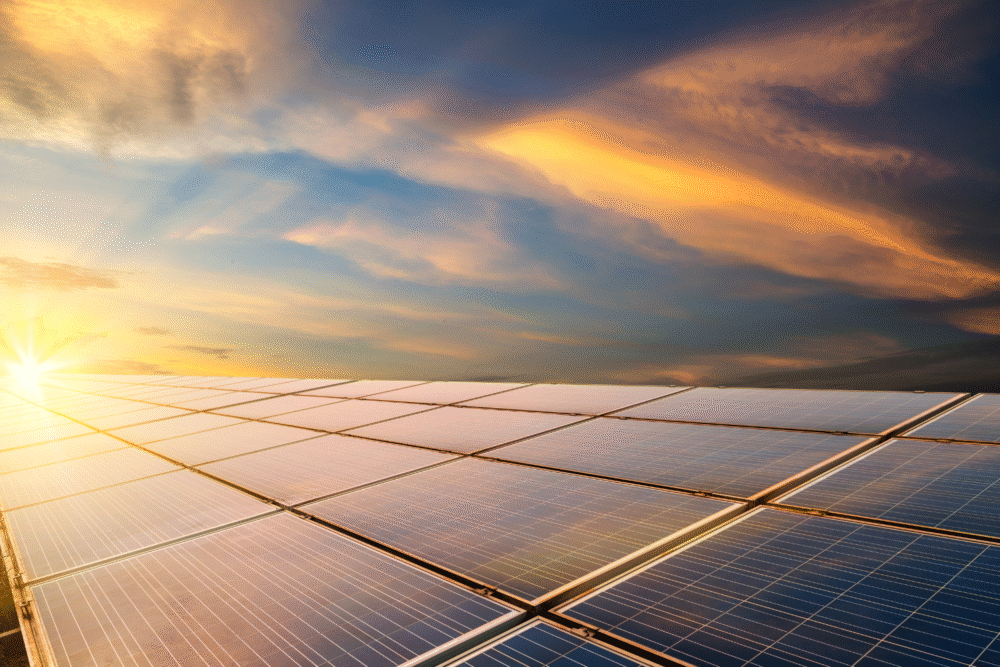
Sunlight is crucial for solar panels to generate electricity efficiently. Panels need direct exposure throughout daylight hours to produce optimal energy. A tree-cast shadow or a nearby building can notably reduce the amount of electricity your panels can generate, affecting overall system efficiency.
Systems placed in less-than-ideal conditions often result in significant drops in energy output. Even a few hours of obstruction can shift anticipated savings. Think of a patchy network of sunlight landing on the panels, where a missed spot might mean less power for the entire day.
2. Installation on a shady roof can significantly reduce energy efficiency.

Shady roofs significantly impact the performance of solar systems. If panels spend most of the day without direct sunlight, the system’s ability to produce power efficiently diminishes. Even partial shading can decrease the energy output substantially.
A prime example occurs in urban areas with tall structures nearby. Here, panels on the roof might not receive adequate sunlight, causing the homeowner to miss out on expected savings. Proper site assessment helps understand how shade could affect anticipated performance.
3. Older roofs might not support the weight of solar panels safely.
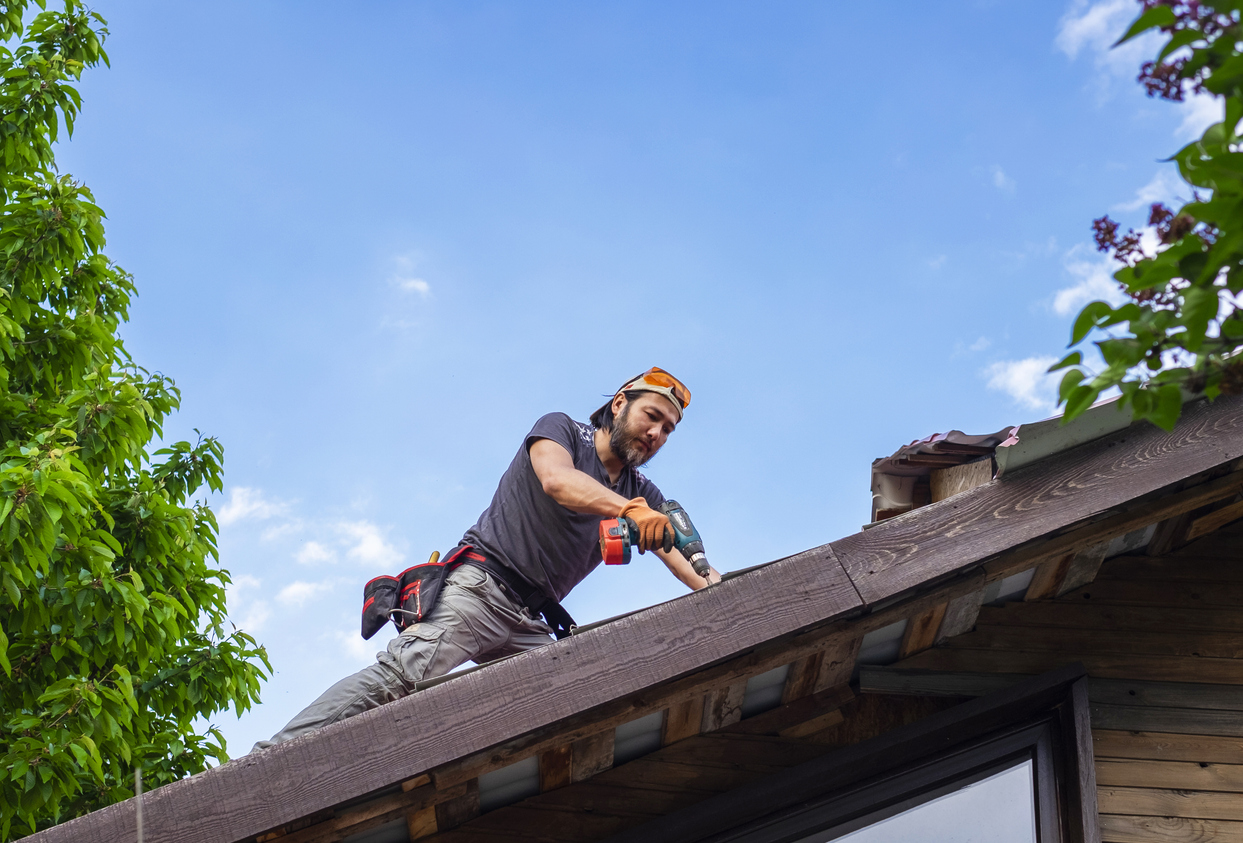
Older roofs may not be ready to support the weight and installation of solar panels. Some roofing materials or structures could require reinforcement or replacement before adding additional load. Solar installers often recommend assessing the roof’s condition as part of the planning process.
Comprehensive evaluations can ensure that a roof remains safe and durable under the added stress of solar equipment. Revisiting the roof’s longevity helps avoid costly repairs or replacements soon after installation. Trying to save on initial checks might lead to higher expenses later on.
4. Unexpected shading from growing trees or new structures can impact output.
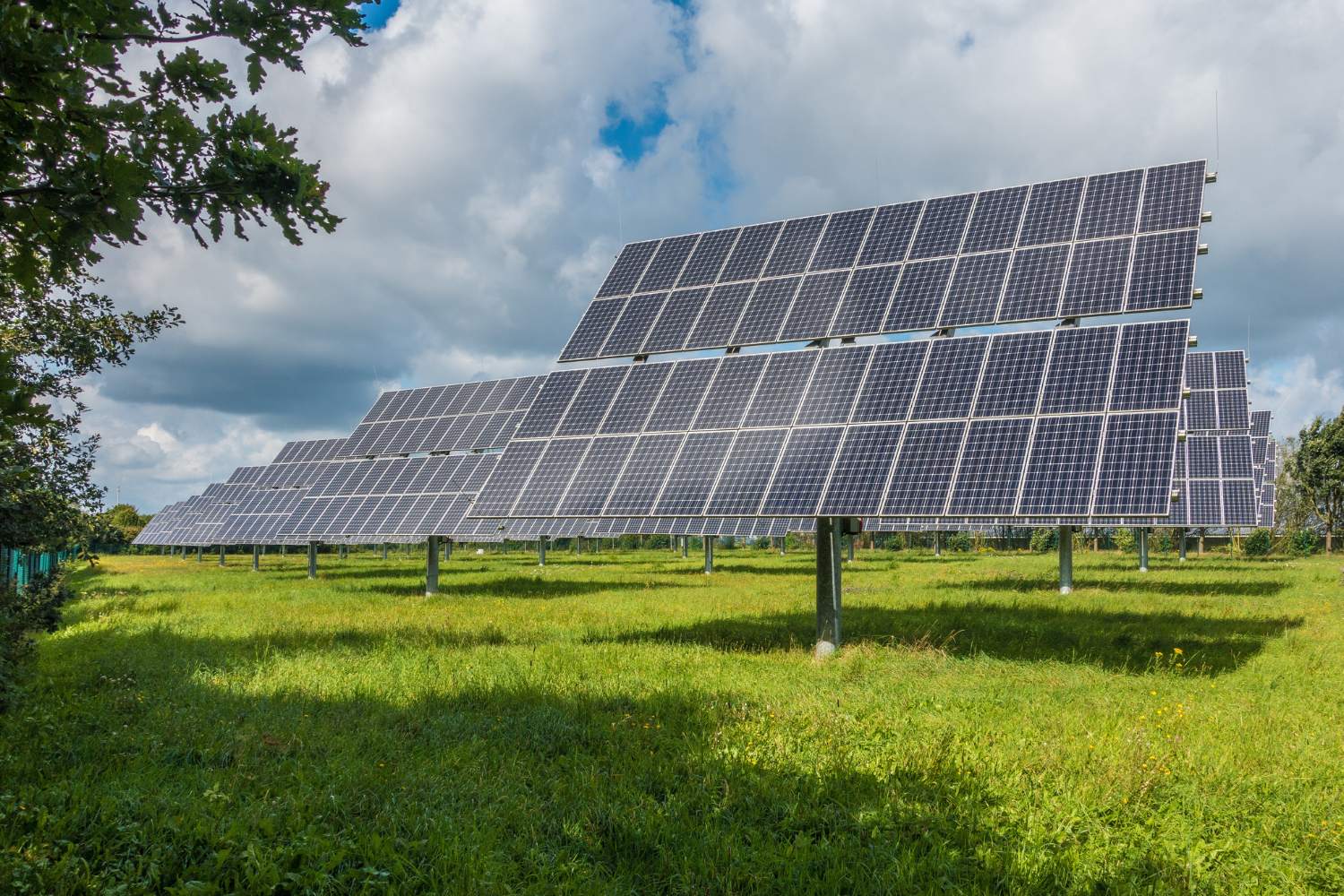
The introduction of new structures or growing vegetation can alter the sunlight reaching solar panels. Over time, trees may grow taller, casting unexpected shadows on the system. A neighboring building erected after installation can similarly impact efficiency, affecting projected energy outputs.
Regular monitoring of the surroundings helps maintain optimal conditions. Consideration of changes in the environment helps sustain energy efficiency over time, preserving initial investments and minimizing unexpected declines in power production. Small adjustments, like trimming branches, might keep panels performing their best.
5. Accumulation of dirt and debris can decrease panel effectiveness over time.
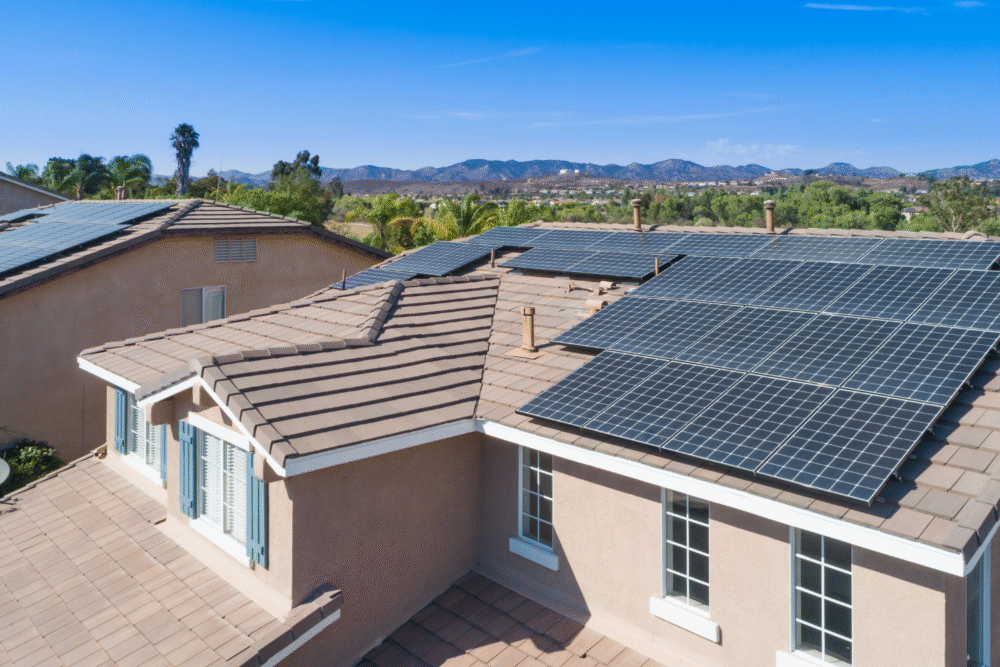
Grime and debris accumulation can drastically reduce solar panel performance over time. Dust, leaves, and bird droppings create a film over the panel surface, obstructing the sunlight. Regular cleaning becomes necessary to maintain performance.
In urban environments, pollution may lead to faster buildup, necessitating more frequent maintenance checks throughout the year. Unfortunately, overlooking this aspect could mean a gradual loss of efficiency, translating into lower energy savings. Maintaining a thorough cleaning routine ensures panels function at their best.
6. Inverter malfunctions may cause the entire solar power system to stop working.
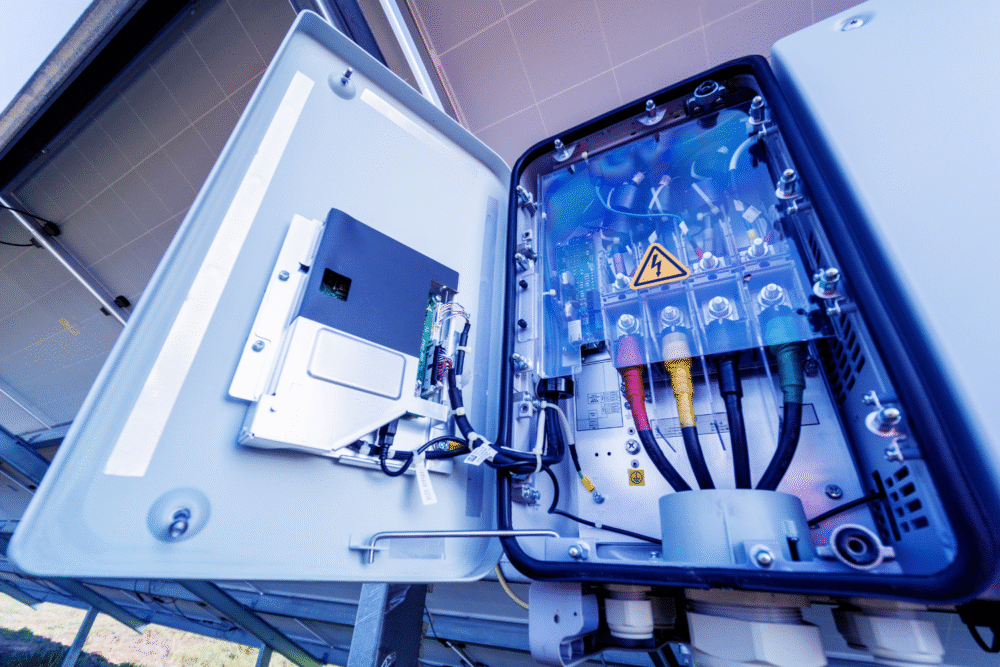
Inverter malfunctions could halt the entire solar power system’s operation. An inverter converts the DC electricity generated by panels into usable AC power. Any fault in the inverter means the electricity generated remains unusable, leading to downtime in power production.
Such issues do not solely affect older inverters; new installations could experience factory defects as well. Ensuring regular monitoring and prompt repairs prevents extensive downtime. Comparing these electronics to a car’s engine highlights their essential role in an effective solar system.
7. Local regulations and permits can complicate or delay the installation process.
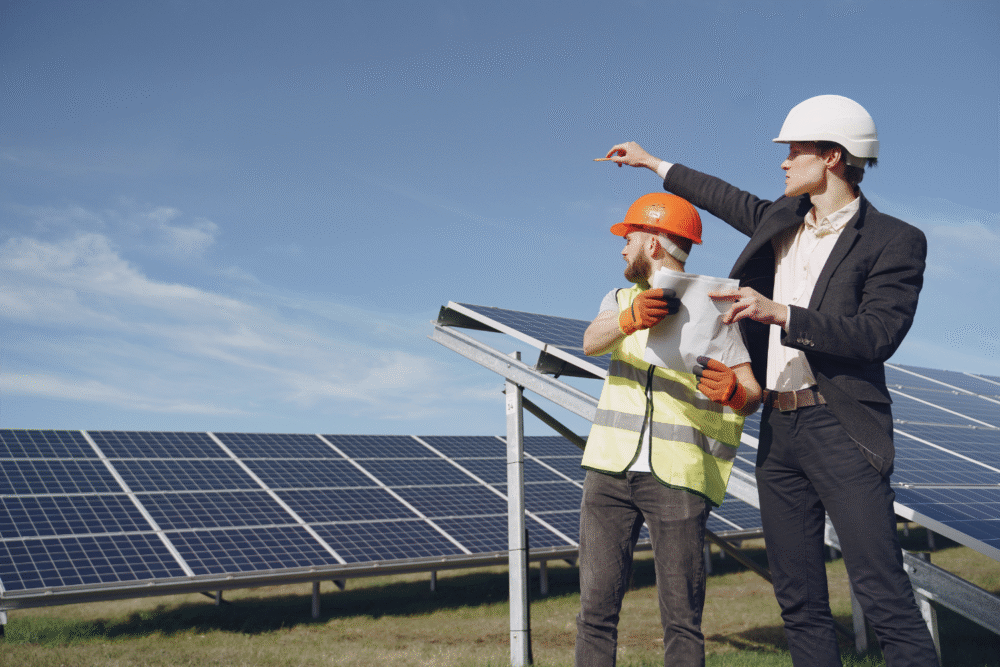
Complex local regulations can complicate solar panel installations. Depending on regional policies, permissions and paperwork could lead to lengthy delays. Understanding building codes and zoning requirements helps streamline the process.
Communities may have diverse rules concerning aesthetic preservation or historical considerations. Skipping these essentials might lead to unexpected pauses or additional costs, extending projected timelines. Engagement with local authorities can clarify these steps early on.
8. Weather conditions like hail or heavy snow can cause physical damage.

Weather conditions pose potential hazards to solar panel systems. Hailstorms or heavy snow can inflict physical harm or reduce system efficiency. Although panels are typically robust, extreme conditions might overwhelm designed protections.
Reflecting on previous weather records helps in gauging potential risks. Unanticipated severe conditions could necessitate additional protective measures, enhancing system resilience. Replacing panels after a severe storm requires time and could disrupt energy savings.
9. Panel warranties vary greatly and may not cover all types of damage.

Not all solar panel warranties offer comprehensive coverage. Such warranties may vary, covering different types of damage or time frames. Some agreements offer peace of mind for mechanical failures, while others might not include natural damage.
Recognizing the scope of warranty service agreements can prevent unexpected surprises. Misunderstandings over coverage might result in unforeseen costs for repairs or replacements post-incident. A detailed understanding helps owners effectively navigate support options when needed.
10. Initial investment costs can be high before any long-term savings begin.

Initial costs for installing solar panels can be substantial before realizing savings over time. Expenses include purchasing panels, hiring professional installers, and setting up necessary infrastructure. Such upfront investments might feel overwhelming compared to long-term financial benefits.
Energy savings accumulate progressively, justifying the initial expenditure. Balancing out the high setup costs over several years can lead to significant future savings. It’s comparable to an up-front investment with expected returns down the road, as energy bills decrease.