

You might think you’re just walking through the door of a boutique or styling studio. Maybe you’re browsing, maybe you’ve got a vague idea of what you need, or maybe you genuinely have no clue. Here’s the thing though – the moment you step inside, a skilled personal shopper has already started reading you.
It’s not creepy. It’s their craft. And they’re far better at it than most people realize. What follows might genuinely surprise you. Let’s dive in.
1. Your Posture and How You Carry Yourself

Before a single word is exchanged, your posture sends a full broadcast. Confidence is reflected in an upright posture, with hands behind the back or near the chest. A personal shopper picks up on this instantly because it tells them how much guidance you might need versus how decisive you tend to be.
Body language offers powerful clues about a buyer’s interest, hesitation, or disengagement, often revealing more than words alone. A slouched walk through the door can signal self-doubt about style, while someone who strides in with shoulders back is likely to have strong opinions. Your shopper is already adjusting their approach.
Nonverbal communication makes up more than 50 per cent of our overall communication and can reveal our thoughts, feelings, and intentions. Skilled retail professionals know this intuitively, even if they’ve never opened a textbook on the topic. Think of your posture as the first sentence in a conversation you didn’t know you were having.
2. What You’re Already Wearing
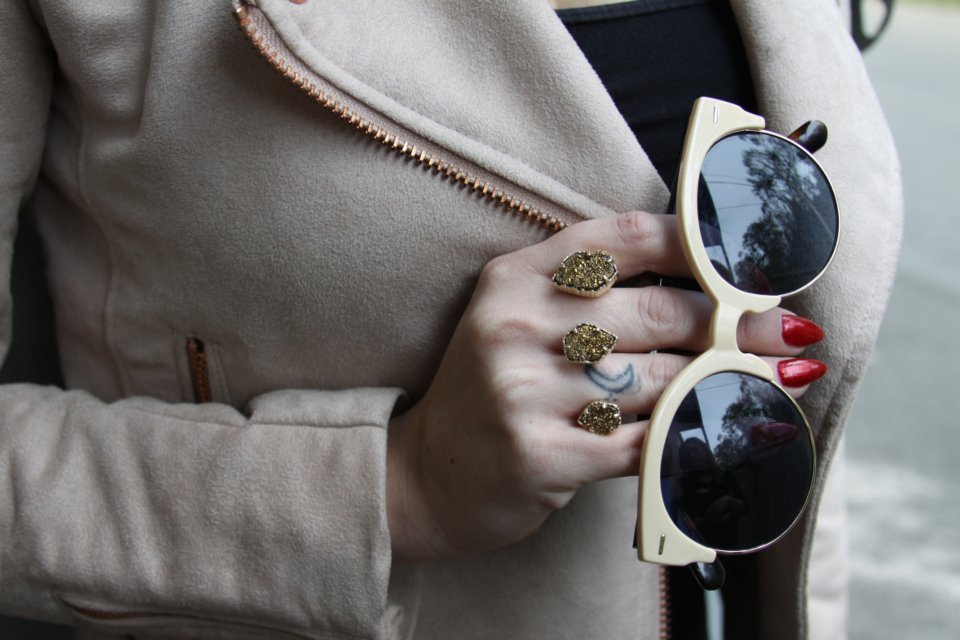
Your current outfit is basically a mood board. A personal shopper looks at your clothing the way a detective examines a crime scene – everything has a clue. Are you in head-to-toe neutrals? A maximalist mix of prints? Worn-in sneakers with a sharp blazer? Each combination points somewhere specific.
In 2025, fashion feels like it’s about expressing exactly who you are – your values, your identity – without having to say a word. What might look like chaos to someone else is often a very intentional personal language. Your shopper understands this, and they’re decoding your existing look to figure out where you want to go from here.
Even an all-black look communicates the personal style of the individual when worn with personality-driven accessories. Honestly, there is no neutral outfit. Even the most understated ensemble communicates a preference, and your shopper is taking note of all of it in those first few seconds.
3. Your Eye Movements and Where You Look First

Ever notice yourself scanning a room the moment you walk in? Your personal shopper is watching exactly where your eyes go. What your prospect’s eyes are looking at tells you what they’re thinking about. If they’re looking at you, they’re thinking about you and what you’re saying. If they’re looking at the product or paperwork, they may have questions about it.
In a retail setting, the same principle applies. Do you drift straight to the sale rack? Do you gravitate toward the new arrivals? Do you stare at the mannequins near the entrance? Observing eye movements helps gauge interest, and noting facial expressions provides emotional cues. It’s subtle, but it’s a fast-track to understanding what you’re actually there for.
This matters because your eyes rarely lie. Pupils are one of the few areas of the body over which we have no control. Your gaze reveals genuine excitement or discomfort with certain styles, price points, or sections of the store before you’ve even had a chance to process your own reaction consciously.
4. Your Comfort Level and Anxiety Signals

Some people find shopping deeply enjoyable. Others find it quietly exhausting. A personal shopper can tell which camp you fall into within about a minute of your arrival. A customer who is touching or chewing on a pen, rubbing thumbs together, biting their nails, or putting hands in pockets may need reassurance.
Clearing throat, whistling, perspiring, or any kind of fidgeting with the hands can indicate unease. Tugging or pinching at clothes or skin is also a tell-tale sign. These physical signals are often completely unconscious, which is exactly what makes them so revealing. Your body essentially announces your stress level before your mouth does.
A skilled shopper uses these signals to regulate their approach. They know when to slow down, offer more reassurance, or simply give you a moment to breathe. Research from Harvard Business Review suggests that on average, a consumer will form an impression of a retail interaction within 7 seconds. But that clock runs both ways – and a good shopper is forming their approach equally fast.
5. Whether You’ve Done Any Research

I think this one surprises people the most. There’s a huge difference between a client who walks in knowing what they want and someone who is genuinely starting from scratch. In sales encounters, a salesperson’s first impressions of a customer provide a starting point for probing customer needs and for adapting to those needs.
Someone who has done their research tends to use specific language – referencing cuts, fabrics, or brands they’ve seen online. They might mention a specific piece or ask about a particular style by name. Evidence of research can be deduced from a range of verbal or nonverbal behaviors, including the questions asked and the sales collateral they engage with.
Then again, someone who is overwhelmed and under-researched will often ask vague, open-ended questions, or simply stand in silence waiting to be guided. The most consistent theme in shopper research is the gap between what people say and what they actually do. A personal shopper bridges that gap by listening not just to your words, but to the hesitations in between them.
6. Your Budget Comfort Without You Saying a Number

Let’s be real – budget is the most awkward conversation in any personal shopping experience. Most clients don’t bring it up first. Most shoppers, though, don’t need you to. The way you react when you glance at price tags tells them everything. Do you put something back without a second look? Do you barely register the number? Do you calculate quietly behind your eyes?
A notable proportion of consumers have declared their intention to halt luxury product purchases due to economic pressures. Personal shoppers are attuned to this economic reality and watch carefully for signals that a client is quietly self-editing their choices based on price. It’s not a judgment – it’s information they use to serve you better.
Facial expressions and gestures during interactions can indicate excitement, hesitation, or skepticism. A flicker of hesitation near a higher-end item, or the opposite – a relaxed, unhurried pace through premium collections – instantly calibrates the shopper’s sense of your spending comfort zone. They won’t embarrass you. They’ll just quietly redirect.
7. How Decisive You Are (Or Aren’t)

Decisiveness is one of the most visible personality traits in a shopping environment, and it shapes the entire interaction. Some clients pick things up fast, hold them against themselves, and decide immediately. Others cycle through the same three items seven times. Both are perfectly valid. Both require completely different service styles.
Not every decision involves deep research. Sometimes the decision is made in an instant – an impulse driven by emotion, timing, or a compelling offer. A shopper who recognizes an impulsive, emotionally-driven personality will offer curated single options to avoid decision fatigue. A more deliberate client gets time, options, and facts.
The research backs this up, too. Up to 95% of consumers make purchase decisions in just a matter of moments while standing in front of the shelf. What looks like a quick, breezy decision is often an emotional pattern the person has been building for years, and your personal shopper can spot which type you are from the very first item you touch.
8. Your Emotional State That Day

Sometimes people shop when they’re celebrating. Sometimes they shop to cope. Sometimes it’s practical, sometimes it’s deeply personal. Emotions are a significant driving force behind consumer decisions. They serve as the undercurrent that steers how consumers perceive brands and their purchasing behaviors.
A client who just got a promotion walks differently from someone who needs to find an outfit for a difficult event. A personal shopper notices the slight droop in a shoulder, the distracted laugh, the way someone checks their phone too often. Beyond advertising, the very experience of shopping can be laden with emotional significance. The layout of a store, the music playing, the scent in the air – all these elements can subtly influence a customer’s mood and their propensity to make a purchase.
It’s hard to say for sure how much experienced shoppers consciously articulate this skill, but it’s undeniable. The best ones adjust the entire energy of the room to match you. When a client feels emotionally understood, they spend more confidently and return more often. Roughly six out of ten consumers say they will become repeat buyers after a personalized shopping experience with a retailer.
9. Your Lifestyle Clues Hidden in Plain Sight
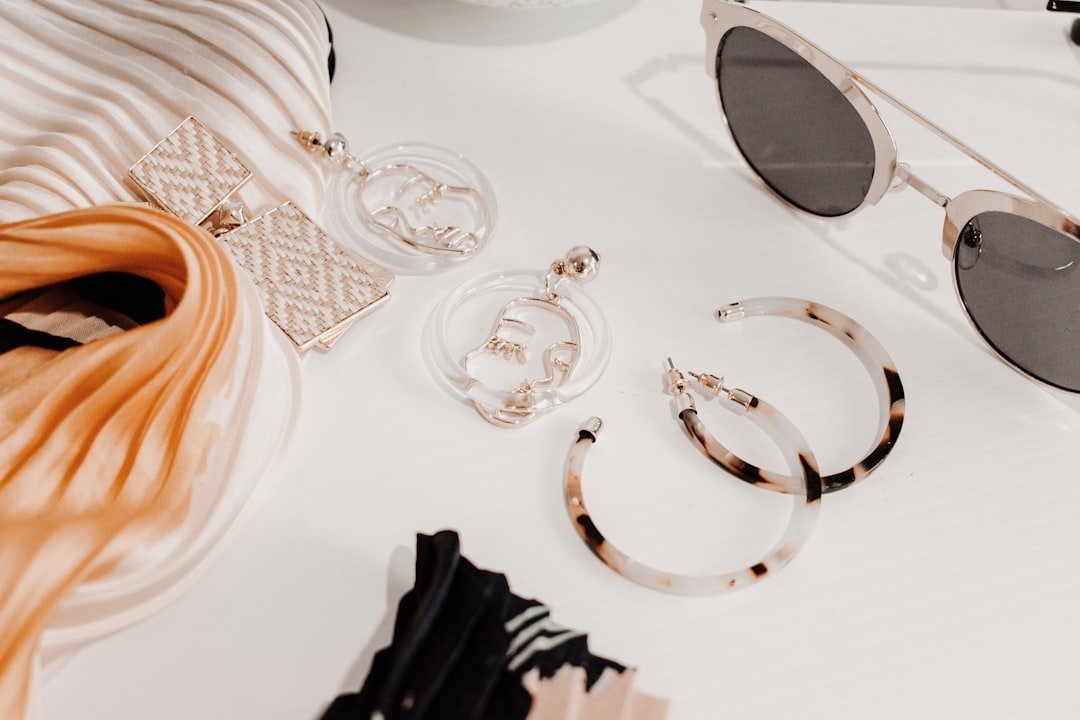
Your handbag, your shoes, your phone case, the gym bag slung over your shoulder – these aren’t invisible to a personal shopper. They’re a lifestyle summary. Personal shopping services are built around clients’ body types, color palette, lifestyle, and budget, and skilled shoppers start building that picture long before the consultation even begins.
Someone in worn-in running shoes, carrying a canvas tote, likely has different daily demands than someone arriving in heels with a structured leather bag. Observational research can capture shopper characteristics and their shopping habits, including use of shopping aids, reading signs and packaging, and interaction with salespeople. A personal shopper essentially performs a live version of this same observational practice.
Think of it this way: your lifestyle leaves breadcrumbs everywhere you go. Your accessories are like a zip code for your daily life – they point to what you need to wear, what already fills your wardrobe, and what’s missing. A sharp personal shopper pieces it together without needing to ask a single intrusive question.
10. Whether You Trust Them Yet

This is perhaps the most important thing a personal shopper clocks when you walk in – and it often determines how the entire session unfolds. Trust is readable. Studies have found that any lack of alignment between verbal and nonverbal communication will cause mistrust in the listener, and they tend to give the most credence to the visual factor. If your words say one thing and your eyes say something else, the other person believes your eyes.
An open posture, a genuine smile, a willingness to make eye contact – these all signal that a client is ready to collaborate. Crossed arms, clipped answers, and a stiff stance suggest the opposite. When feelings are masked, they can be hidden from normal everyday observers. But people who are trained to spot the true intentions of customers can identify which are the real body signals and which are masked ones.
The best personal shoppers don’t push through that wall of distrust. They work to earn it. Nine out of ten shoppers actively choose retailers that demonstrate understanding through relevant product suggestions and offers. The moment a client feels genuinely seen – not just sold to – that trust shifts, and everything becomes easier. A good session is built on that foundation, and it often starts before you’ve even said hello.
The Takeaway

Here’s what’s genuinely fascinating about all of this. You walk in thinking you’re just looking, maybe just browsing. Your personal shopper, meanwhile, has already absorbed your mood, your budget comfort, your style history, your confidence levels, and whether you’re ready to open up – all from a few steps through the door. First impressions happen fast. Research shows that customers form opinions in as little as 50 milliseconds – that’s barely a blink.
The good news? A skilled personal shopper isn’t using these observations to judge you. They’re using them to help you. In sales encounters, a salesperson’s first impressions of a customer provide a starting point for probing customer needs and for adapting to those needs. Every observation is ultimately in service of giving you a better, more tailored, and less exhausting experience.
So next time you walk into a session, remember – you don’t have to explain yourself in paragraphs. Your shopper is already listening to a language you didn’t know you were speaking. What do you think – does knowing this change how you’d approach your next shopping appointment?