
Understand the key moments when tipping is optional and social norms support skipping it.
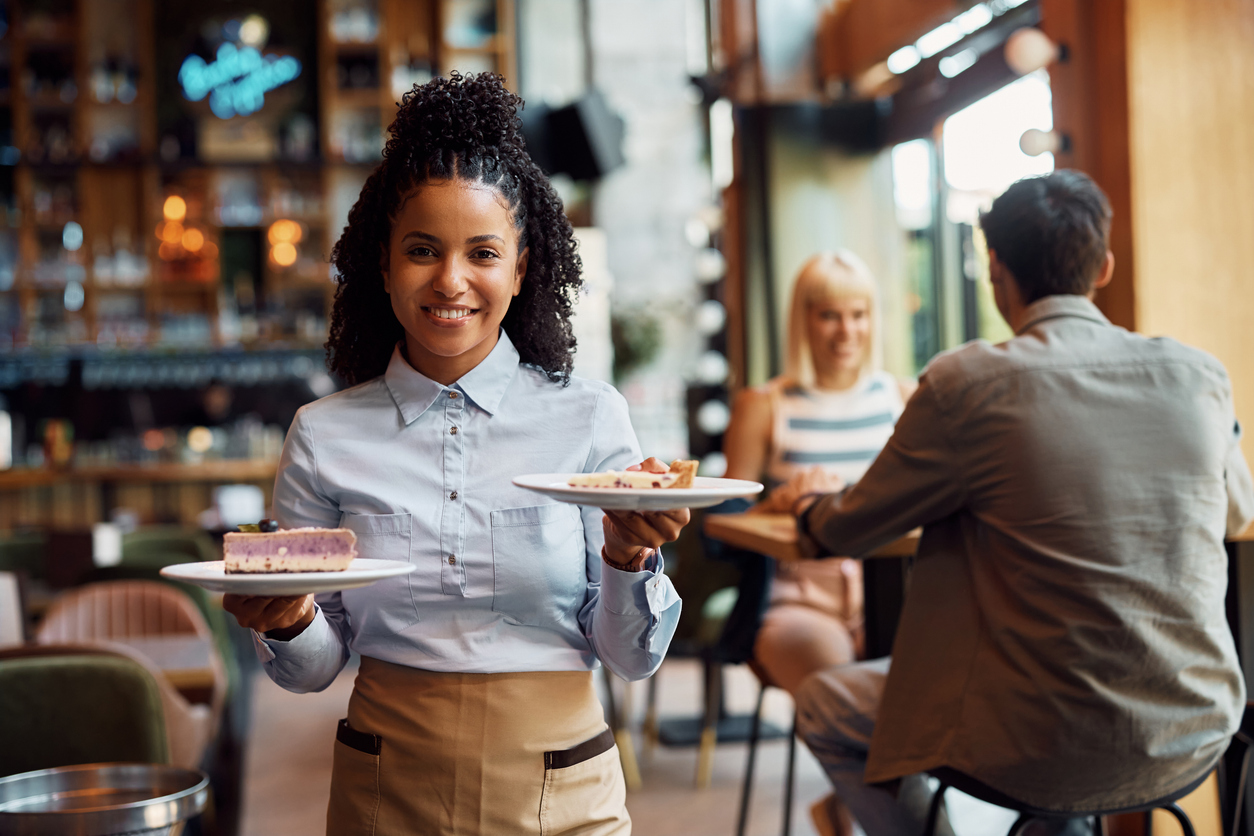
Tipping customs can vary widely, leaving many unsure when it is truly necessary. While gratuity is often appreciated in the service industry, not every situation requires it. Recognizing when tipping is optional helps avoid awkwardness and respects cultural and business practices. This guide clarifies common scenarios where you can confidently skip the tip without feeling guilty, honoring both service and social etiquette.
1. When the service was clearly rushed or inattentive throughout your visit.
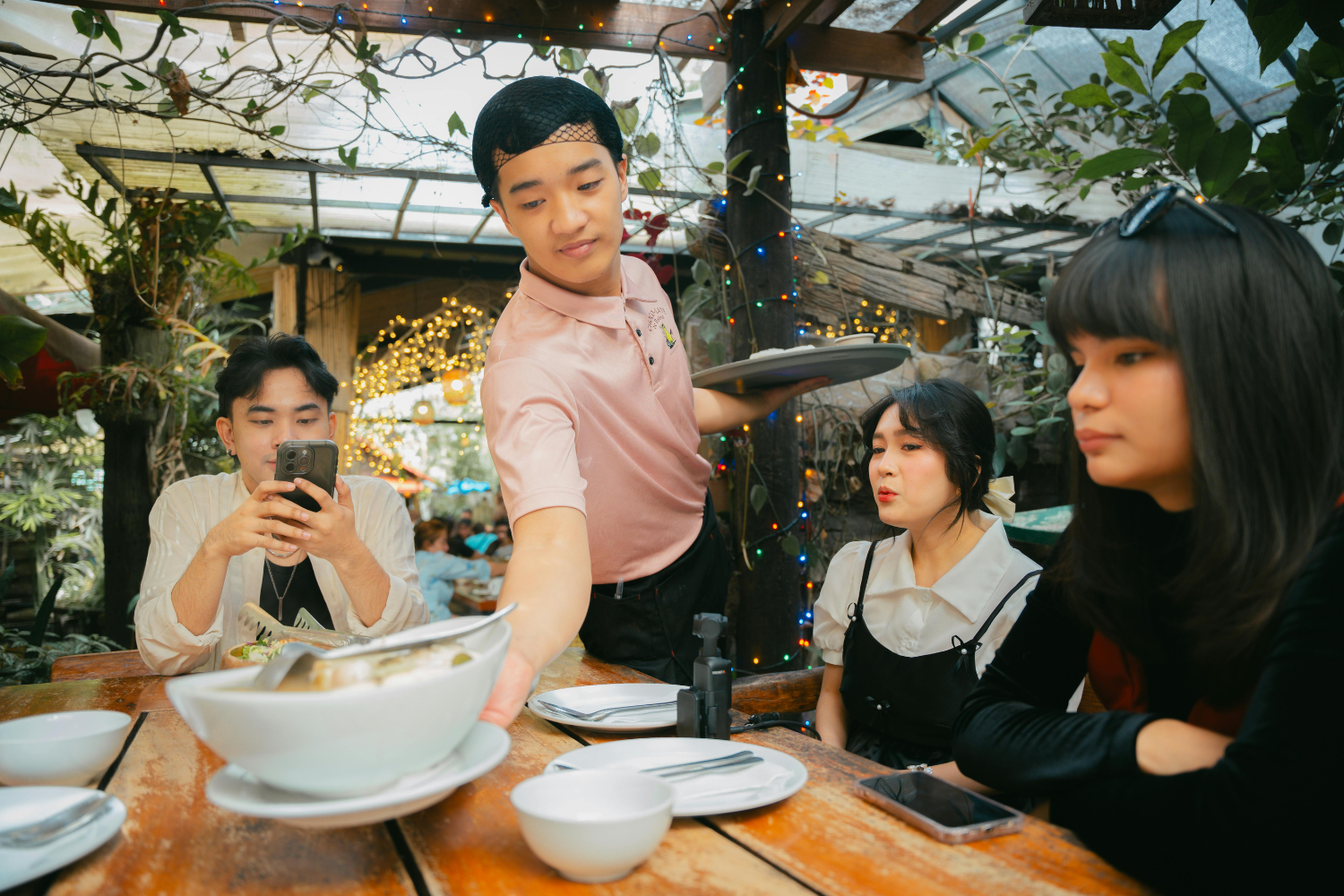
Service that feels rushed or inattentive often leaves customers questioning the need for gratuity. In these cases, tipping may not feel warranted when basic expectations aren’t met. An efficient pace doesn’t excuse forgetting orders or failing to check on guests.
Consistency in service quality typically merits a tip. However, when staff falls short, a skipped tip can signal dissatisfaction. Though hospitality standards differ, the expectation remains for reliable attention, like a well-tended table at a meal. Without this, withholding a tip becomes understandable.
2. If your server was overwhelmed and still doing their best for everyone.
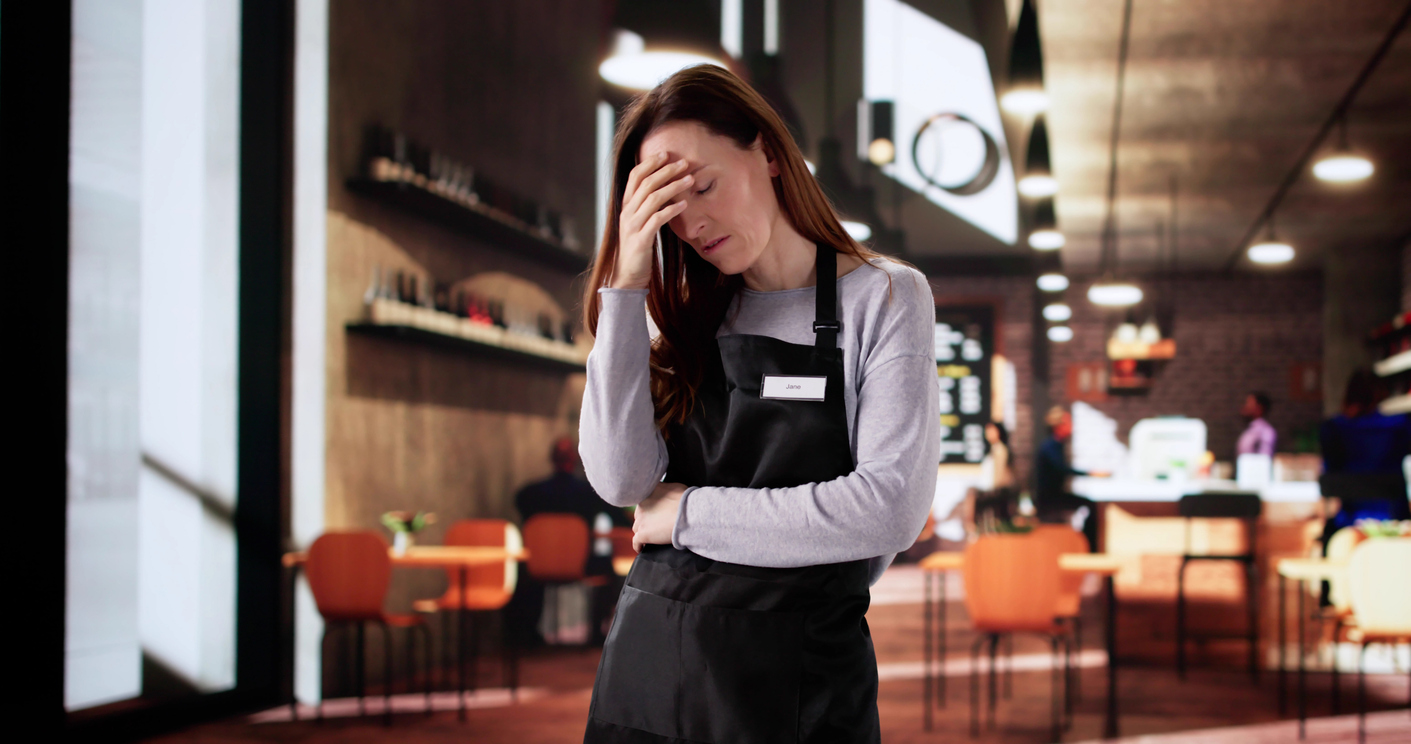
Understanding when servers are overwhelmed yet striving to serve everyone else can influence tipping decisions. If efforts are genuine, tipping remains considerate despite hasty service. Busy nights can lead to slower responses, yet genuine effort can warrant appreciation.
It’s a nuanced balance between service pace and staff dedication. Observing employees handling packed sections, for instance, reflects challenges hardly evident at first glance. Conscious effort often deserves recognition, but it’s the determination in servers that matters more than speed alone.
3. When items ordered are incorrect and staff takes no effort to fix them.

Ordering errors and neglecting to resolve them contribute to tipping dilemmas. Customers may feel tipping is optional when waiters don’t rectify mistakes. The lack of effort diminishes the possible rewarding of gratuity, leading some to reconsider conventions.
Acknowledging missteps and the service response is essential. When the problem persists without an apology or solution, customers notice. Even simple acknowledgments mean more than untouched plates of incorrect food, as hesitation to address concerns affects tipping tendencies.
4. If you’re dining at a counter or self-service spot without table service.
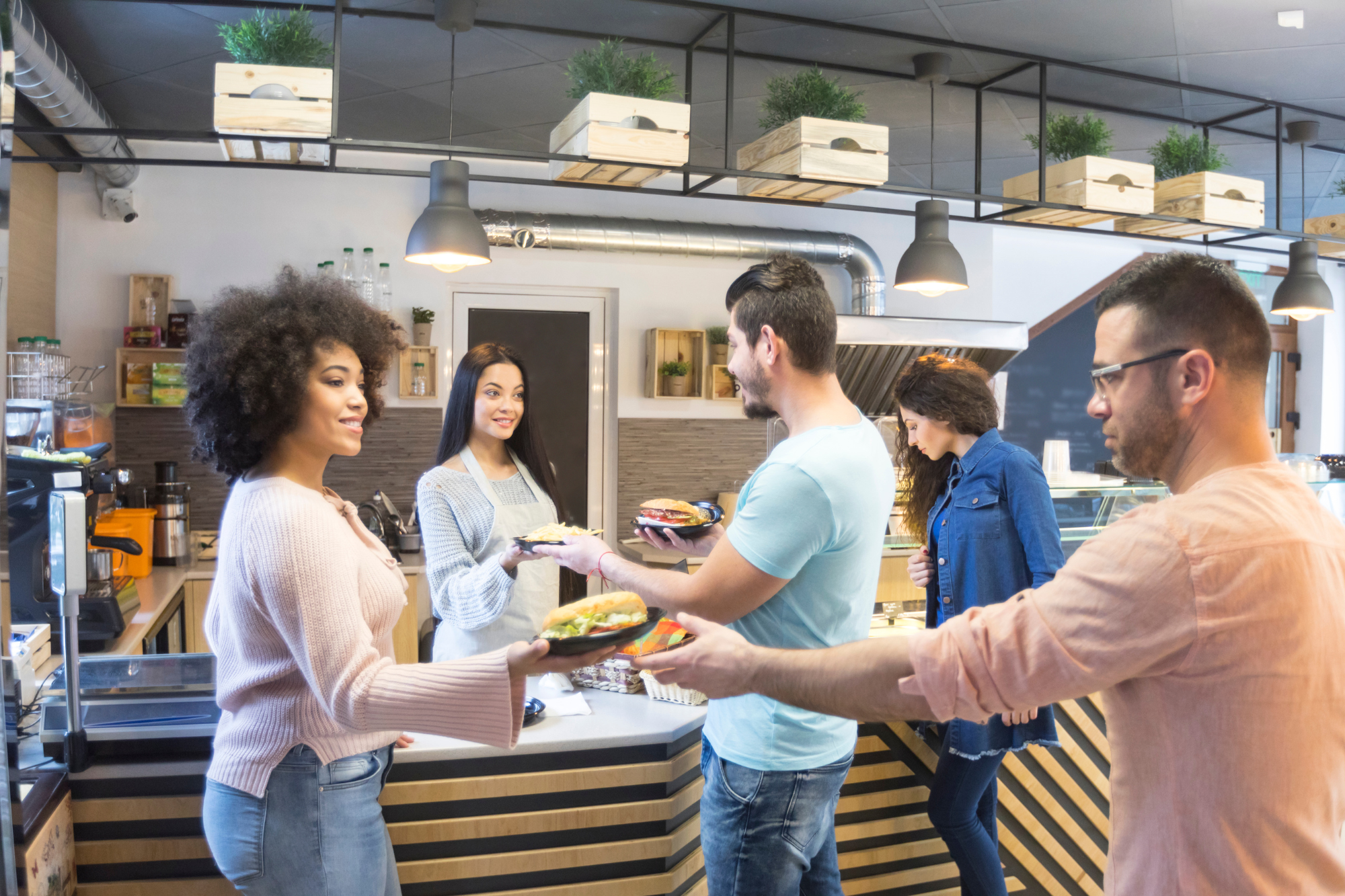
Eating at a self-service or counter-style eatery often means tips aren’t customary. These setups emphasize a model where tipping isn’t part of the customer relationship. Patrons typically take on tasks like fetching meals themselves, influencing gratuity norms.
Self-service dining dilutes traditional tipping rituals. Experiences like grabbing a quick coffee or sandwich have people manage their meals sans staff intervention. This structural difference molds perceptions about tipping, creating understanding that it’s not compulsory in these cases.
5. When tips are already included as a mandatory service charge on the bill.

Adding a service charge to a bill eliminates uncertainty around tipping. This pre-set fee typically covers the gratuity, intended to reward service staff. Patrons, thus, needn’t add extra tips, potentially avoiding double-tip scenarios frequent in restaurants.
Mandatory charges clarify the tipping situation, easing guest confusion. The inclusion assures equitable distribution among staff, reshaping how patrons view gratuity. When a service charge surfaces, supplementary tipping, though generous, might become redundant, aligning expectations naturally.
6. If you received takeout where no additional assistance beyond packaging was provided.

Receiving takeout often involves limited interaction, where tipping might not seem crucial. The absence of in-depth service like seating or personalized attention shapes tipping perspectives. Takeout transactions commonly center on packaging, reducing the tip expectation.
Simplified service doesn’t mandate standard tips. People might opt-out of gratuity because interactions are transactional and brief. Packaging a meal lacks the personal touches of in-house dining, so customers may perceive less obligation to tip in this scenario.
7. When you’re ordering food delivery and the driver faces inclement weather or distance.

Weather and distance challenges during food delivery might redefine tipping motivations. Harsh conditions test service consistency but don’t inherently command obligatory tipping. Drivers facing rough commutes reflect circumstances beyond control, influencing evaluations of tipping.
The complexity of delivery tends toward unique service calculus. When delivering in rain or confronting traffic, responsibility sometimes holds more weight than gratuity itself. Deciding based on circumstances helps bridge expectation between nods for effort and situational difficulties.
8. If the staff isn’t allowed to accept tips because of company policy.
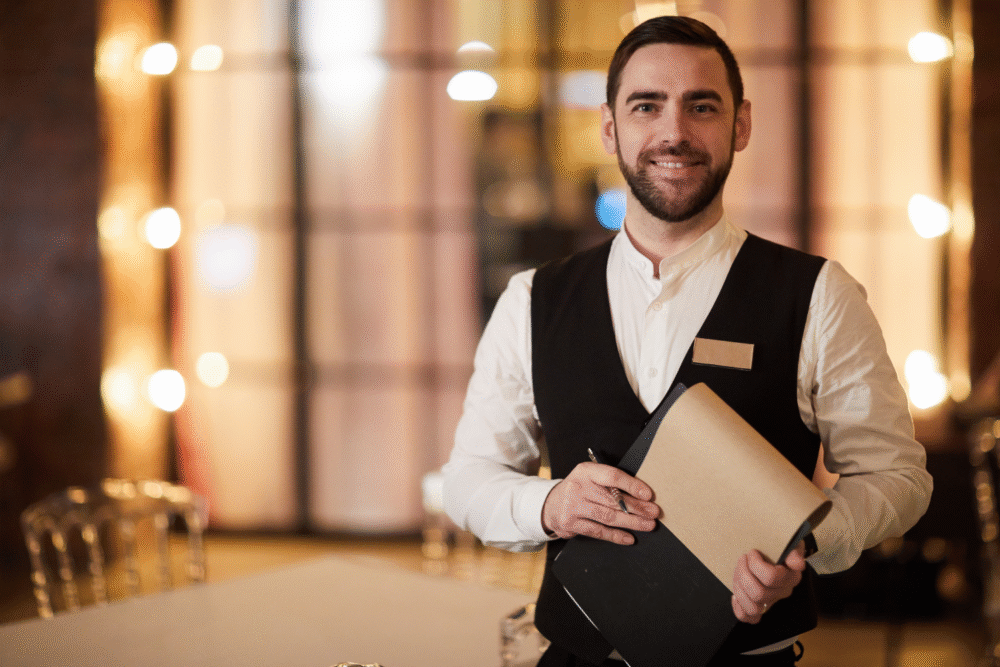
Certain workplaces prohibit staff from accepting gratuities, dictating a shift in customer awareness. Company policies may emphasize equality or legal compliance, guiding clients away from customary tipping. These rules redefine restaurant dynamics and influence customer decisions.
Some policymakers add layers of complexity to tipping understanding. Established rules about not accepting tips hold firm, ensuring consistency in treatment and fairness among roles. When gratuity’s not permitted, compliance takes precedence over traditional gestures, realigning expectations.
9. When you’ve received help but it’s part of a complimentary or promotional service.
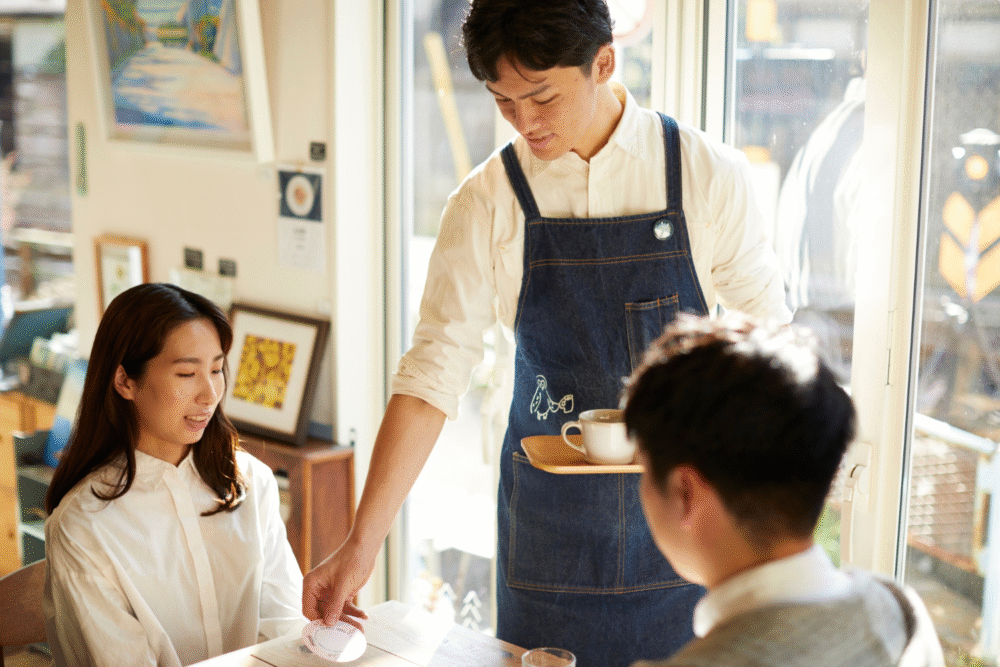
When assistance is part of a complimentary service, tipping might not fit customary practices. Such services, designed for promotion, often influence customer behaviors, making tips less expected. Promotions or gratis experiences redefine gratitude’s form in service industry contexts.
Complimentary offerings reposition service dynamics, impacting how gratitude manifests. When value derives from ‘on the house’ experiences, assessing tipping relevance grows intricate. Situations uniquely blend promotional intents with consumer perks, shaping interpretations of deserved tipping.
10. If you’re at a casual café or bakery where tipping culture is not customary.
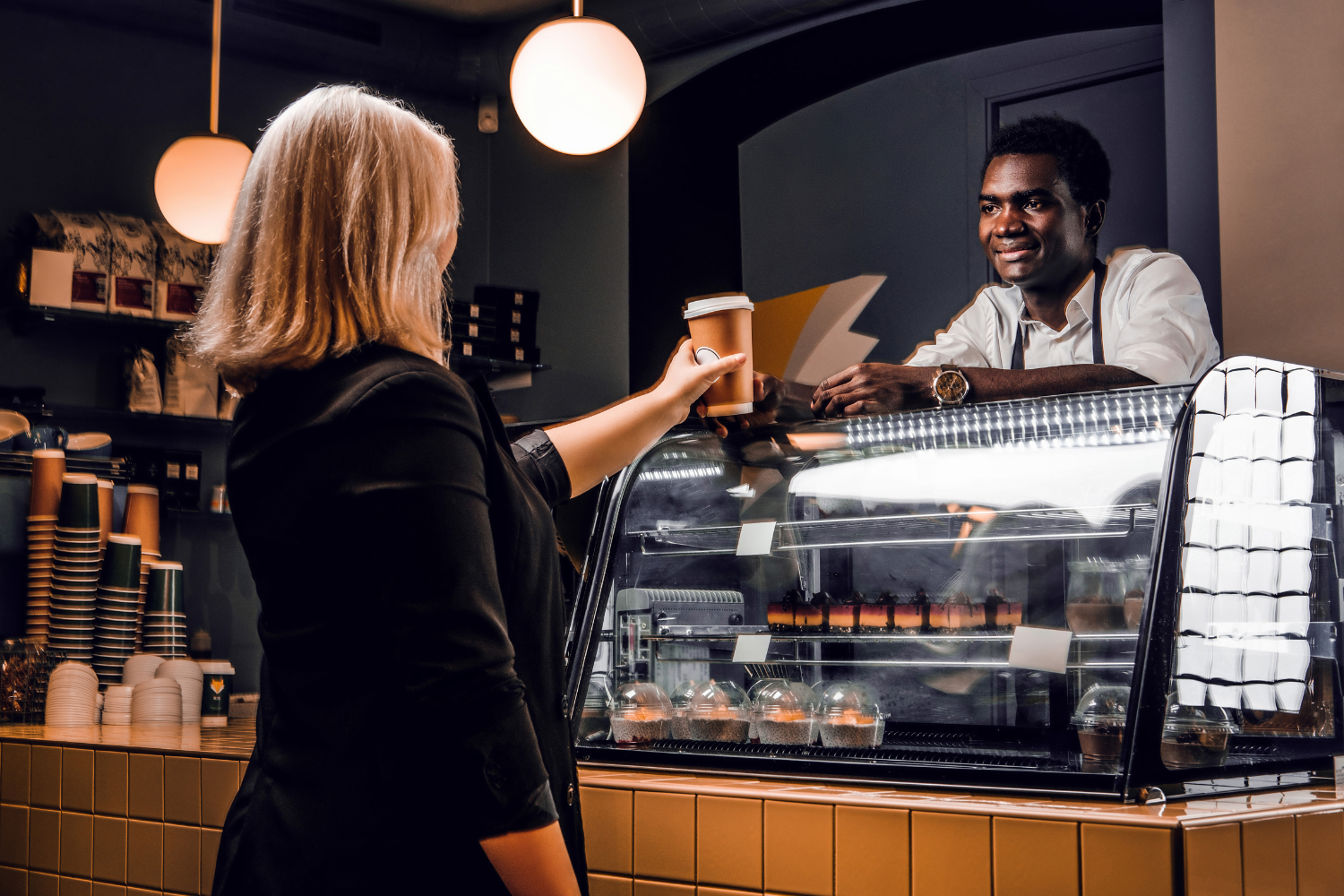
Casual cafes or bakeries often operate outside traditional tipping norms. Customers may find tipping uncommon in these laid-back environments. The experience centers around self-selection or simple transactions, not exhaustive service experiences.
Culture nuances alter expectations in relaxed venues. Cafes where patrons grab a quick pastry might lack tipping tradition. These settings reconfigure experiential touchpoints, shifting views on gratuity necessity. When norms deviate, the tipping ethos accommodates a broader spectrum of public perception.