
Simple, consistent habits that keep utility bills lower throughout every season of the year.

Maintaining manageable utility bills requires more than occasional effort—it calls for practical habits that work year-round. From spotting hidden leaks to optimizing appliance usage, small adjustments in daily routines can add up to significant savings. Understanding how energy and water use change with the seasons helps homeowners make informed choices. These steady, mindful practices form the foundation of lasting cost reductions and improved home efficiency.
1. Regularly check for leaks to prevent water and energy waste.

Hidden leaks can quietly increase utility bills by allowing valuable resources to slip away unnoticed. Pipes, faucets, and toilets in particular should be checked frequently. Small leaks contribute to costly water waste over time, making regular inspection crucial for keeping expenses manageable and preventing unnecessary loss.
Ignoring these leaks can lead to hidden damage in walls or floors, causing further expenses in repairs. By addressing leaks promptly, the effort not only reduces water waste but also conserves energy since heating systems work more efficiently without wasted water.
2. Use programmable thermostats to maintain efficient temperature control.

Programmable thermostats allow precise control over home temperatures based on daily schedules. These devices can automatically adjust heating and cooling, maintaining comfort while reducing unnecessary energy usage. A well-defined schedule ensures energy is not wasted when the home is unoccupied.
During colder months, setting these thermostats to lower temperatures at night can achieve significant energy savings without sacrificing comfort. Conversely, in warmer periods, higher temperature settings during away hours optimize efficiency while keeping the environment pleasant upon return.
3. Turn off lights and appliances when not in use consistently.

Lighting and appliances left on while not needed can inflate electricity bills unexpectedly. Turning off lights when leaving a room or shutting down appliances after use might seem trivial, yet the financial impact accumulates over time, quietly adding to overall utility expenses.
Unplugging or switching off unused devices ensures a reduction in “phantom” energy drain, which occurs even when devices appear off. Making it a habit creates a culture of efficiency, leading to measurable decreases in energy consumption month after month.
4. Opt for air-drying clothes instead of using the dryer often.

Air-drying clothes offers a simple, energy-free alternative to using a dryer. Hanging clothes outdoors or on indoor racks capitalizes on natural air and heat without drawing electricity. This practice can extend the longevity of clothing fabrics by reducing the wear and tear dryers inflict.
While it may take longer for clothes to dry completely, especially on humid days, patience pays off in lower energy bills. Besides savings, this method can leave clothes fresher, a subtle yet distinct benefit noticeable in everyday use.
5. Unplug devices that consume power even when switched off.
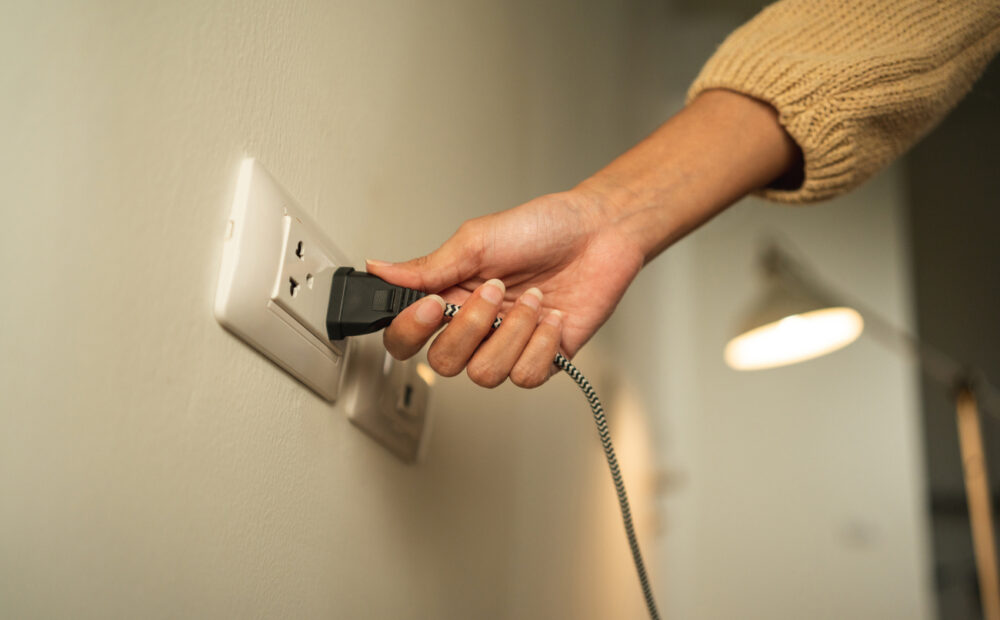
Many electronic devices draw power even when switched off due to standby mode. Unplugging chargers, televisions, and other electronics can prevent this phantom energy consumption. The cumulative effect of these seemingly insignificant draws adds up over time, increasing utility expenses needlessly.
Utilizing smart power strips provides an efficient solution. These strips can cut power to multiple devices simultaneously when not in use, eliminating the hassle of unplugging each separately. The result is an easy step toward meaningful reductions in electrical waste.
6. Adjust water heater settings to a moderate and efficient temperature.

Water heater settings can directly affect energy expenses, as heating water constitutes a large portion of energy consumption in homes. Setting the heater’s thermostat to a moderate level—often around 120 degrees Fahrenheit—strikes a balance between comfort and cost-efficiency.
Higher temperatures expedite wear on the heater, potentially shortening its lifespan while unnecessarily increasing bills. In contrast, maintaining a moderate setting can yield a noticeable decrease in energy usage, allowing homes to enjoy warm water that’s mindful of resources and expenses.
7. Seal windows and doors to keep heating and cooling from escaping.

Unsealed windows and doors invite unwanted drafts, forcing heating and cooling systems to work harder. Sealing gaps with weatherstripping or caulking ensures that conditioned air remains indoors while external temperature fluctuations stay outside, optimizing energy use throughout the year.
Even minor gaps can have a noticeable impact when multiplied by the number of affected openings in a home. By effectively closing these pathways, homes can maintain stable temperatures more efficiently, translating directly into lower utility expenses and enhanced thermal comfort.
8. Run dishwashers and washing machines only with full loads.
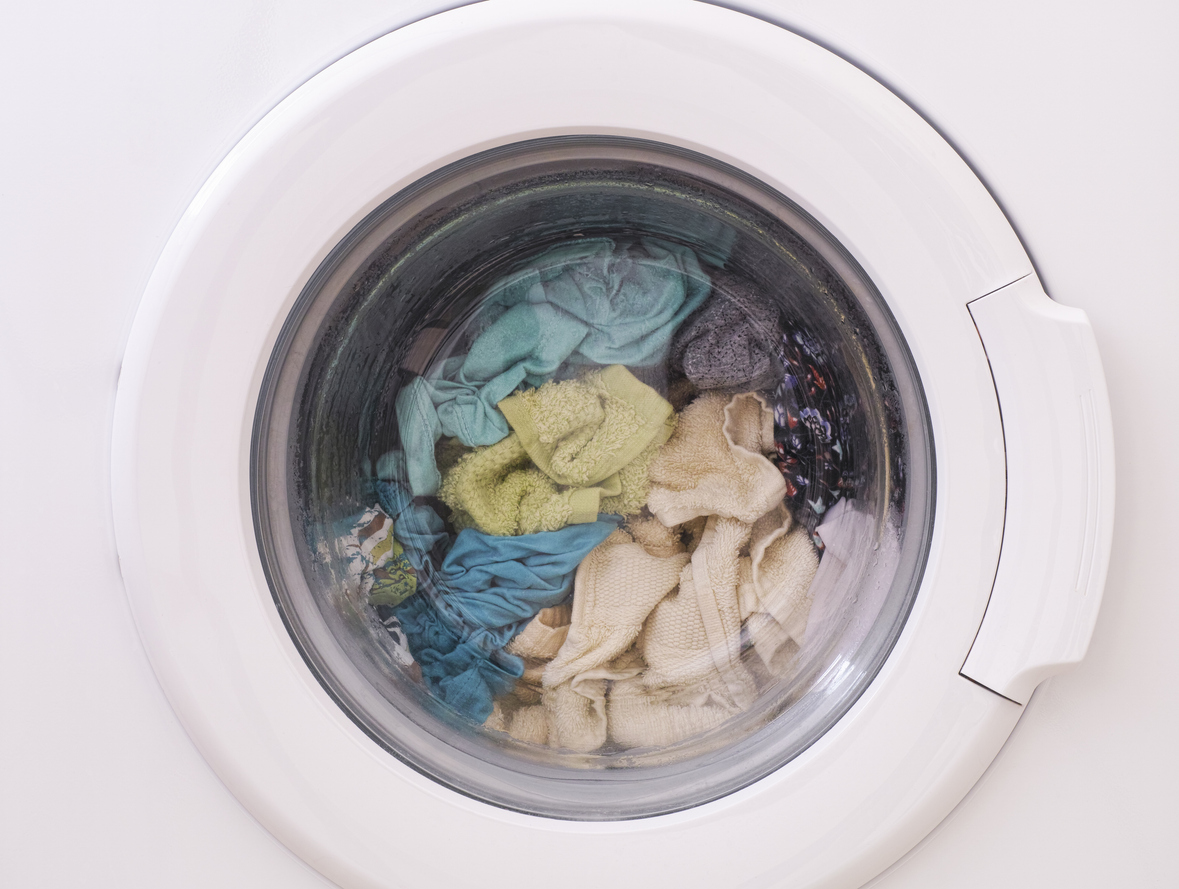
Running dishwashers and washing machines with full loads maximizes efficiency by using energy and water resources more effectively per cycle. Empty or half-full loads fail to capitalize on the full capacity and defined purpose of these appliances, contributing to unnecessary consumption.
Careful planning—such as scheduling laundry on specific days—can help ensure machines are loaded fully before operation. The practice not only conserves energy but minimizes wear on appliances, extending their operational life while supporting broader sustainability efforts within the home.
9. Replace old light bulbs with energy-saving LED alternatives.

Switching to LED bulbs offers an immediate impact on lowering electricity consumption due to their efficient energy use and long lifespan. Unlike conventional incandescent bulbs, LEDs consume significantly less power, providing sustained utility savings through reduced energy expenditure over time.
The broader environmental implications enhance the appeal of LEDs. By using fewer resources for illumination, homes can enjoy both a reduction in electricity costs and a contribution to global energy conservation efforts, showcasing responsible and informed consumption choices.
10. Monitor your monthly utility bills to spot any unusual increases.

Regularly reviewing monthly utility bills provides insight into consumption patterns and potential irregularities. Sudden increases in charges warrant investigation, signaling the presence of issues such as undetected leaks or inefficient appliances, which can contribute to surprising costs.
Comparing bills year over year can highlight trends, allowing homeowners to adjust their usage more strategically. Staying aware offers an opportunity to negotiate better rates with providers, ensuring the most cost-effective service aligned with personal consumption needs.