
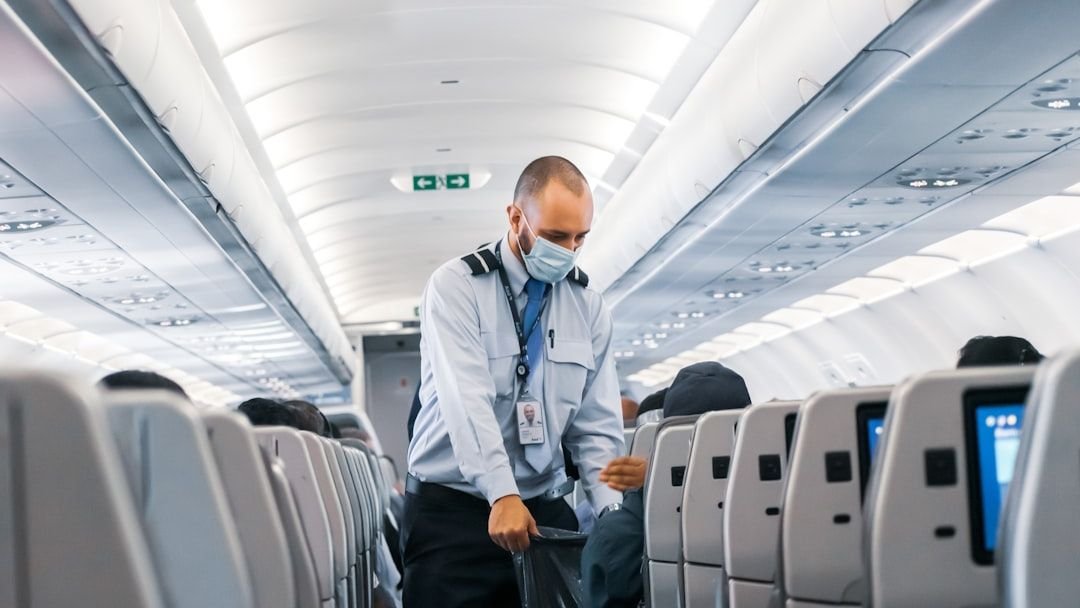
Most people board a plane thinking they’re perfectly normal, reasonable travelers. They buckle up, maybe grab a snack, and settle in for the flight. What they don’t realize is that somewhere in the galley, the crew might already have a quiet, shared opinion forming. Flight attendants are trained professionals, not hotel staff, not waiters, and certainly not babysitters. Yet the gap between what passengers expect and what crew members are actually there to do has grown into something genuinely alarming in recent years.
Airlines reported over 2,100 unruly passenger cases in 2024 alone, and the trend keeps nudging upward. Some behaviors are dramatic and obvious. Others are quieter, subtler, the kind you’d never guess were silently earning you a label from the people who control your comfort at 35,000 feet. Let’s dive in.
1. Abusing the Call Button Like It’s a Personal Concierge Service
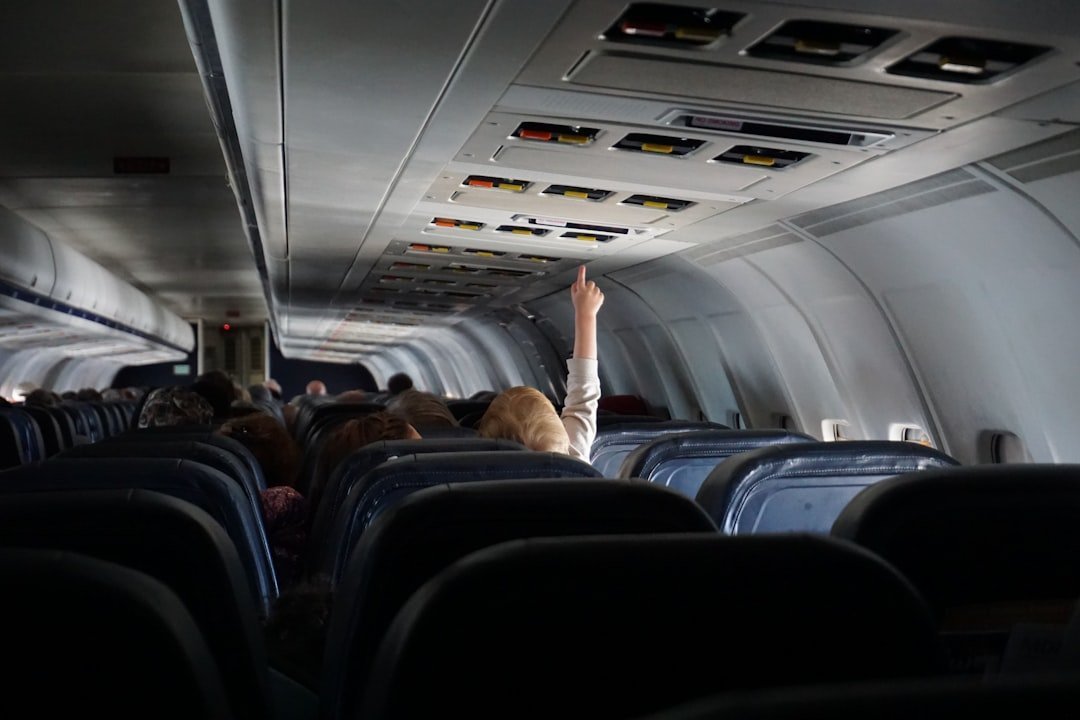
Here’s the thing: that small illuminated button above your seat is not a luxury service bell. Flight attendants are safety professionals first, and when you hit that button, they’re genuinely expecting an emergency. Using it to ask about WiFi passwords or request a second pillow when the crew will walk through the cabin in a few minutes? That’s the kind of thing that gets quietly noted.
People are pressing the flight attendant call button far more than they used to, with one flight attendant reporting to USA Today that it’s happening up to roughly forty percent more often than before. Once is entirely forgivable. Multiple times across multiple flights, though, creates a pattern that crew members genuinely share with each other. Think of it like calling 911 to ask what time a restaurant closes. Technically possible, completely infuriating.
2. Ignoring the Safety Demonstration
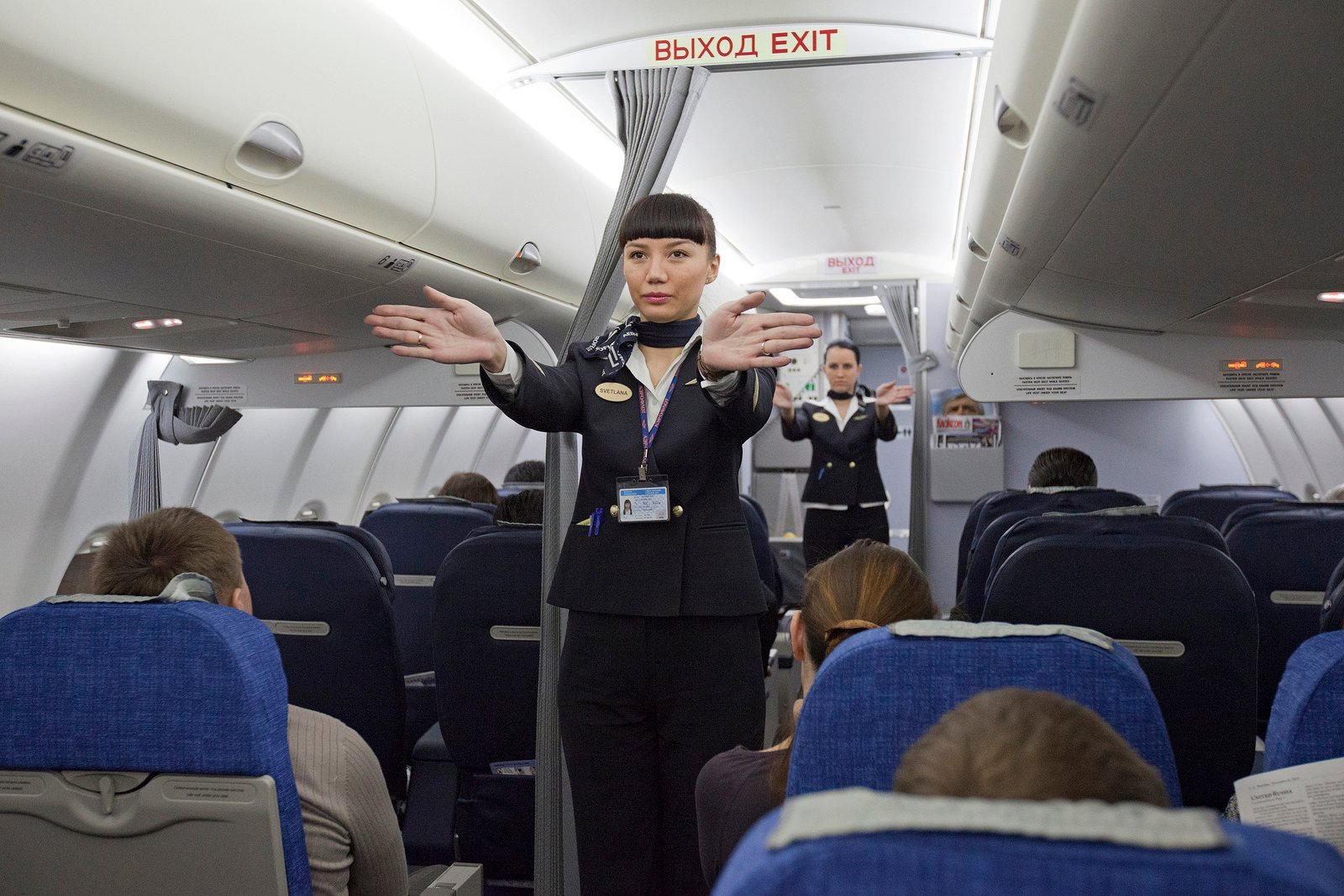
A passenger keeping his headphones in during the entire safety demonstration is not just being rude. When a flight attendant then approaches about a seatbelt, and that passenger acts annoyed like she’s interrupting his music, that isn’t just a social problem. It’s a safety violation. Flight attendants register this immediately, and it sets the tone for the entire flight.
Studies have demonstrated that the presence of electronic devices creates cognitive distractions that divert passenger attention from vital safety instructions. Passengers deeply engrossed in their screens might miss essential instructions and safety protocols entirely. Flight attendants notice who’s paying attention, and they absolutely remember. It signals that you are someone who will be a problem if anything goes wrong.
3. Refusing to Follow Crew Instructions
Flight attendants give instructions for specific safety reasons, not because they enjoy telling people what to do. When you argue about stowing your bag, keeping your seatbelt fastened during turbulence, or putting your tray table up for landing, you’re not just being difficult with that one crew member. You’re creating a documented incident.
Non-compliance with crew instruction is the most frequent descriptor in unruly passenger reports globally. Airlines actively track passengers who consistently refuse to follow crew instructions, and the FAA considers interfering with crew member duties a violation of federal law. Honestly, it is baffling that this needs to be said, but the numbers prove it does.
4. Helping Yourself from the Service Cart
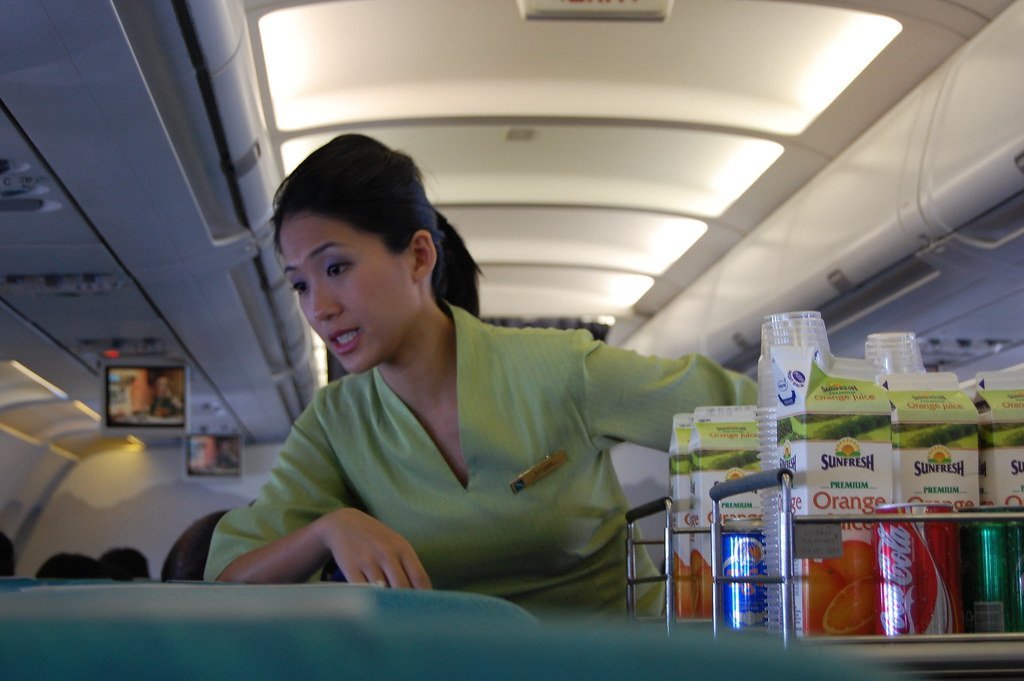
When the beverage cart comes through, some passengers think they’re being helpful by reaching over to grab their own drink or snack. In reality, this creates genuine inventory problems for flight attendants who need to carefully account for what’s been distributed throughout the entire cabin.
It also breaks the service flow. Flight attendants work in a rhythm, moving through the cabin efficiently, and when you interrupt that by helping yourself, you’re actually slowing things down for everyone else. Beyond that, it’s a hygiene and safety issue. The crew is specifically trained in food handling and knows which items are designated for passengers with dietary restrictions or allergies. What looks like being helpful is actually creating a quiet headache for the whole team.
5. Getting Visibly Intoxicated or Demanding More Alcohol
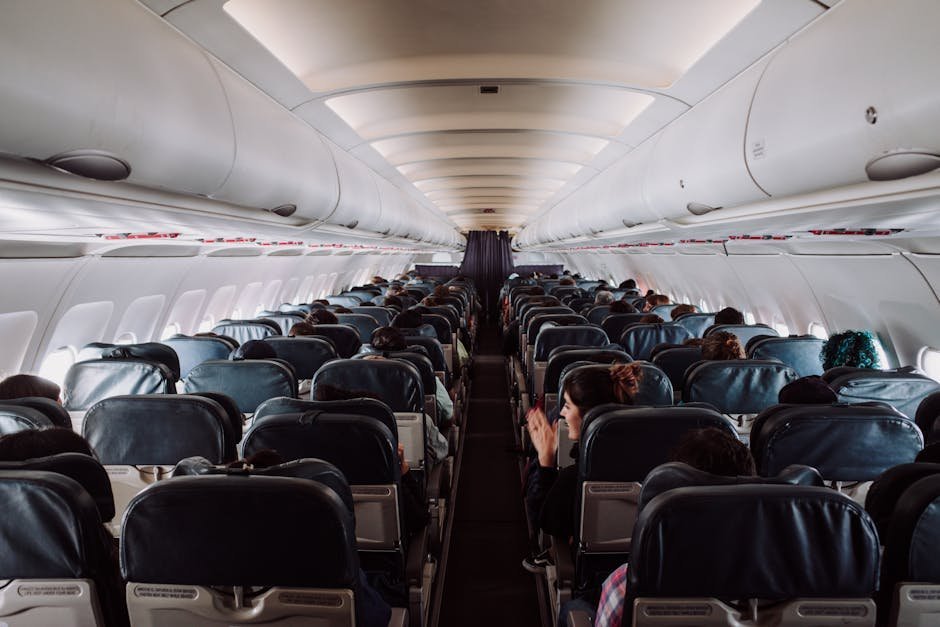
Few things earn a faster mental label than a passenger who is clearly too far into the drinks before the seatbelt sign has even been switched off. Alcohol is by far the leading factor in passenger disruptions. In 2024, over one hundred unruly incidents specifically involved intoxicated travelers, accounting for roughly twelve percent of all reported cases.
Passengers under the influence of alcohol or drugs are a recognized danger. It is actually illegal to board a flight intoxicated, to get drunk during a flight, or to consume alcohol that was not provided by the crew. Flight attendants are trained to spot intoxication and are legally empowered to cut passengers off. Push back on that, and you are now officially the difficult passenger in row 12, and the entire crew knows it.
6. Verbally Abusing or Belittling Crew Members
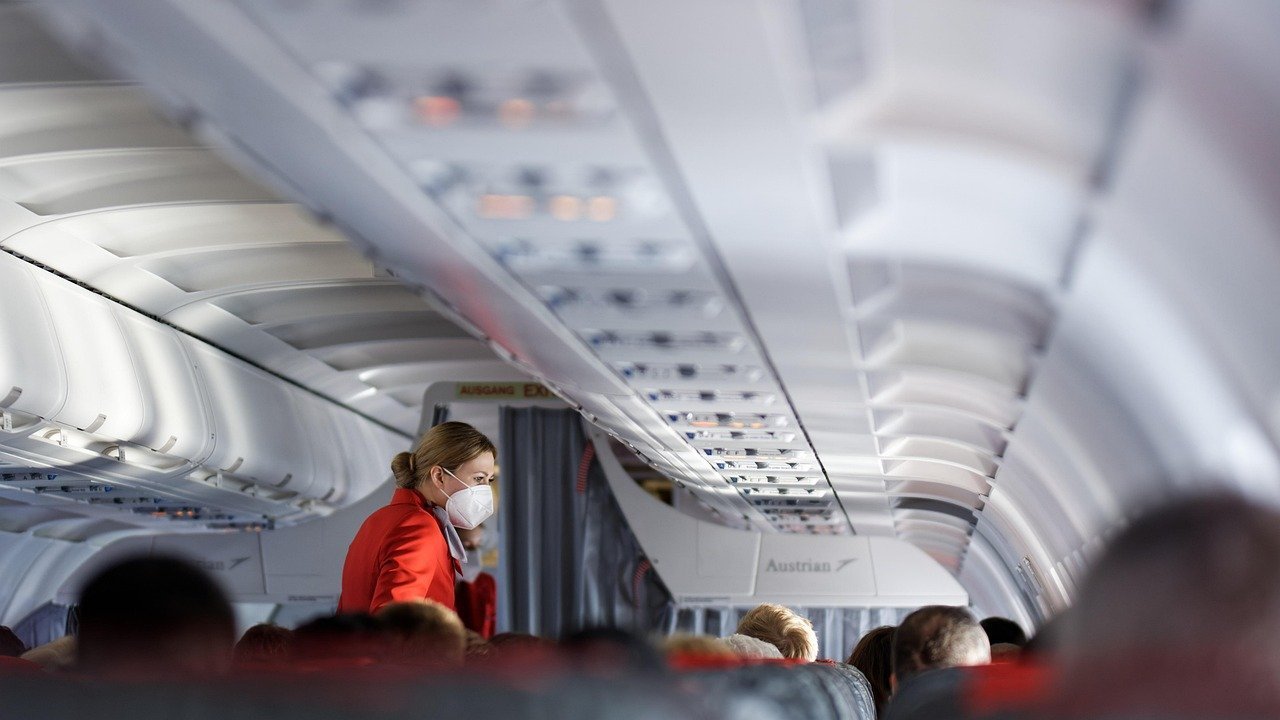
Flight attendants and pilots face physical assault, verbal abuse, and threats from passengers. Many crew members report increased stress and anxiety related to their jobs, knowing that any flight could bring a violent or disruptive passenger. Snapping at a flight attendant for something outside her control, speaking down to her, using a condescending tone, all of it gets noticed and remembered.
A survey by the Association of Flight Attendants found that nearly nine in ten had encountered unruly passenger behavior within a single year, and nearly one in five of those incidents involved physical aggression. The emotional toll on these professionals is real and documented. What you might experience as a moment of frustration during a delay is, for them, part of a pattern they deal with every single working day.
7. Encroaching on Other Passengers’ Space and Refusing to Adjust
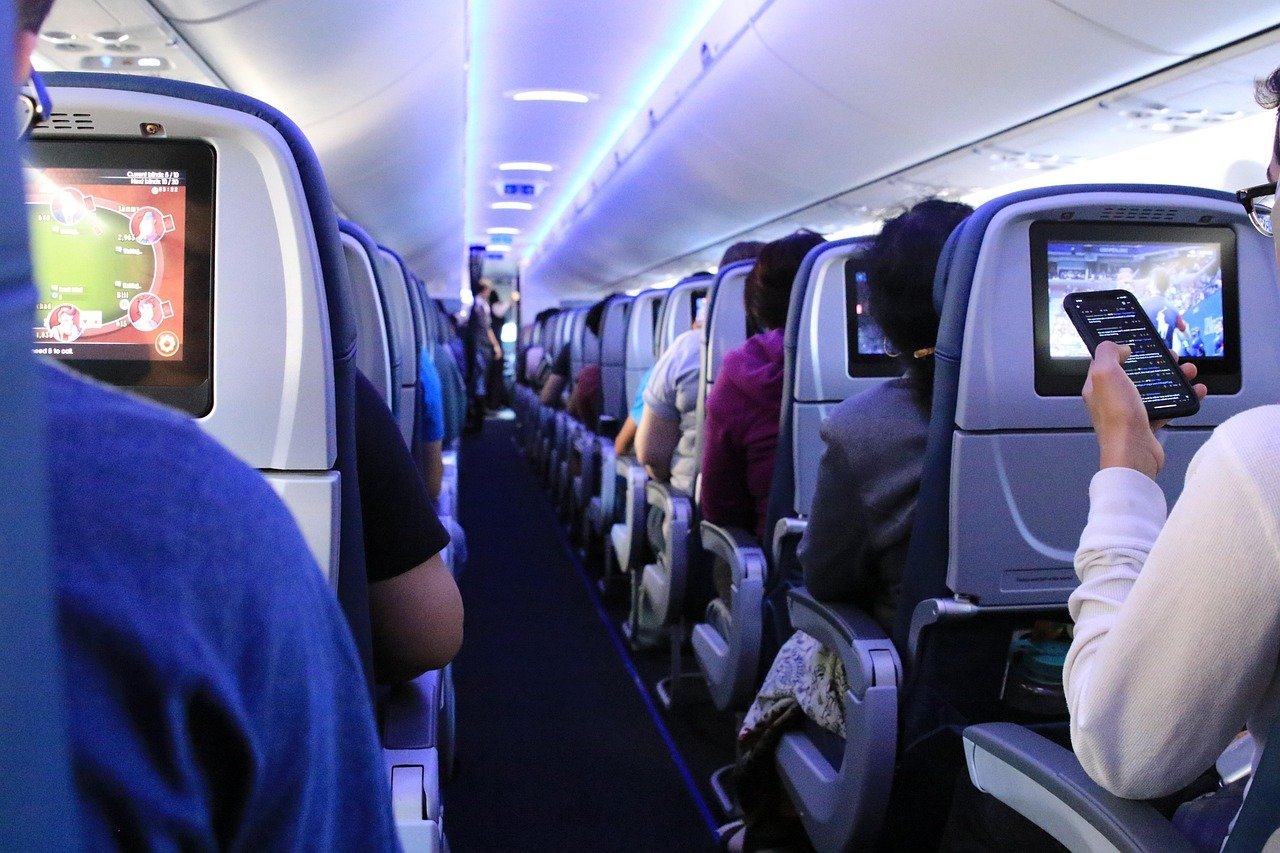
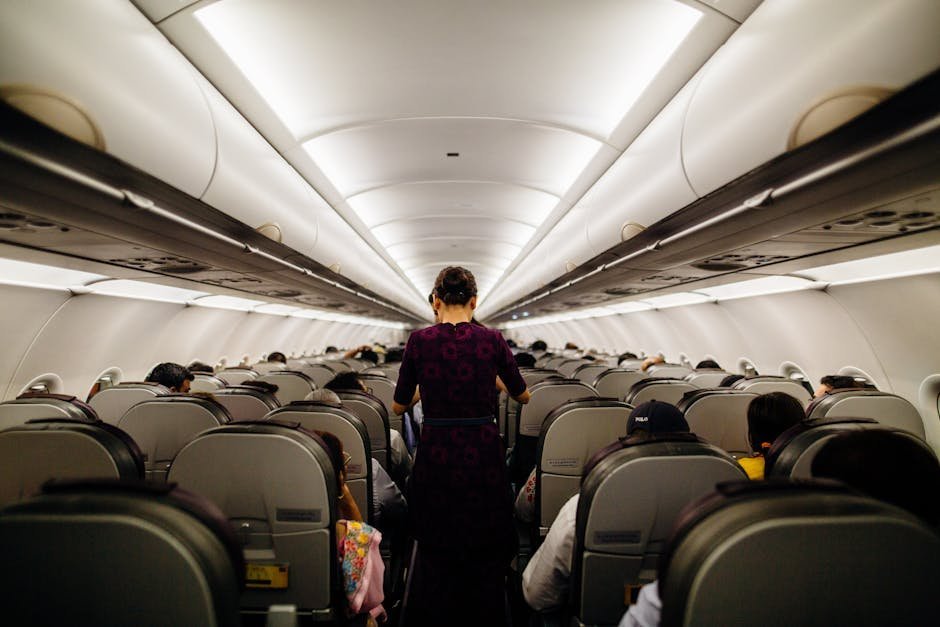
Let’s be real. Airplane cabins are tight, and everyone knows it going in. The problem is not the tight space itself. It’s the passenger who sprawls into the armrest, reclines without a glance backward, or lets their bag take up half the aisle seat legroom, and then stares blankly when asked to adjust. Flight attendants see this, and when the affected passenger calls them over, the drama officially becomes their problem too.
Beyond crew safety, unruly passengers threaten all other travelers on board. Passengers have the right to fly safely without harassment from other travelers, and when one passenger becomes disruptive, the entire flight experience is compromised for everyone on board. The crew is trained to de-escalate, but that doesn’t mean they enjoy it, or that they forget the person who made it necessary.
8. Attempting to Access Restricted Areas
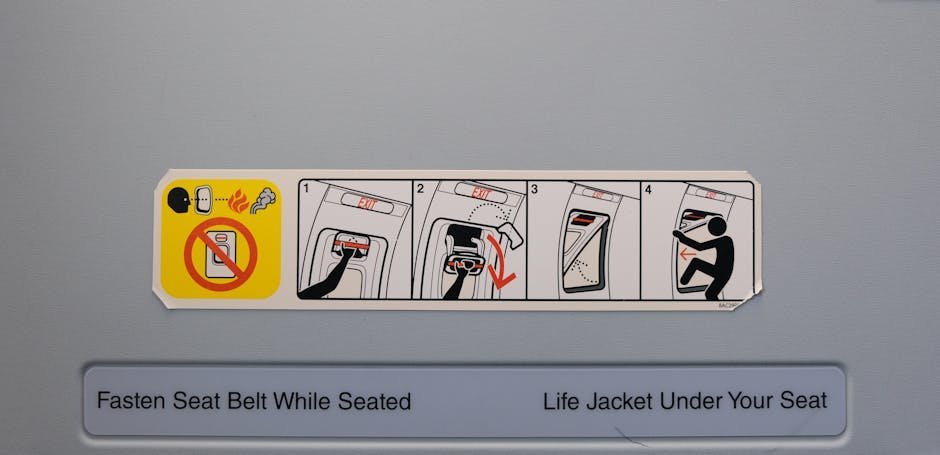
Attempting to open emergency exits during flight is one of the most serious threats to aviation safety. Recent incidents involving passengers trying to force open exit doors and assaulting flight attendants highlight a disturbing increase in unsafe behavior that puts everyone on board at risk. Even wandering toward the cockpit door, regardless of how innocent it seems, triggers an immediate crew response.
The FAA has now referred more than 310 of the most serious cases to the FBI since late 2021, under a partnership specifically aimed at ensuring unruly passengers face criminal prosecution when warranted. Tampering with an emergency exit is a serious criminal offense that can result in charges carrying substantial fines and lengthy prison sentences. No amount of confusion or anxiety makes this acceptable, and crews are watching for it from the moment you board.
9. Creating a Scene Over Seat Assignments or Upgrades
There is an almost universal flight experience that goes like this: a passenger boards, discovers they don’t have the seat they wanted, and decides the flight attendant must personally fix it. Right now. Loudly. Flight attendants have limited control over seating assignments once boarding is underway, and turning a minor inconvenience into a confrontation immediately puts you on the internal watch list for the rest of the flight.
Every interaction you have on a flight gets noted, remembered, and sometimes reported. Flight attendants are trained to handle difficult situations with grace, but they also have internal systems for flagging problematic passengers. From incident reports that go straight to airline corporate offices to shared databases among crew members, your behavior doesn’t simply disappear when you deplane. A scene at boarding has a way of following you all the way to your destination.
10. Physical Aggression Toward Crew or Other Passengers
Physical altercations on flights involving passengers and crew are becoming a disturbingly common safety issue. The increase in aggressive behavior toward flight attendants and other passengers can lead to injuries and a hostile environment for everyone on board. These incidents can significantly impact flight operations, causing costly delays and heightened stress.
The FAA launched 512 investigations in 2024, resulting in 402 enforcement actions. These actions led to a total of 7.5 million dollars in fines issued to disruptive passengers. Passengers can be placed on airline no-fly lists, face criminal prosecution resulting in up to twenty years in prison for the most serious cases, and federal charges carrying fines up to a quarter of a million dollars. The consequences are severe. The crew who witnesses the aggression will never forget the face of the person responsible.
11. Treating Flight Attendants Like Servants Rather Than Safety Officers
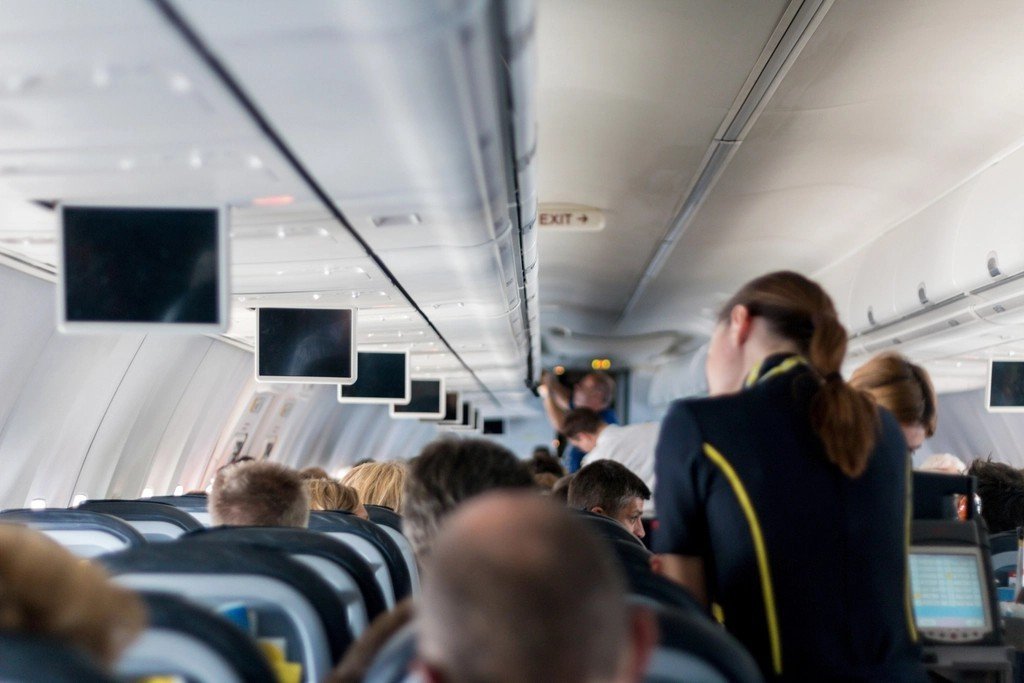
There is a systemic lack of understanding among some travelers that cabin crew have a significant number of critical tasks to handle, far beyond simply serving drinks and keeping things tidy. Flight attendants have reported a significant increase in passengers treating the role like a concierge service, pressing the call button for connection questions, specific water brands, or Bluetooth troubleshooting.
Flight attendants are professionals who provide routine services and respond to emergencies to ensure the safety and comfort of everyone on board. Many crew members report increased anxiety about their jobs, and some have been permanently injured due to passenger assaults. The psychological impact of these incidents creates long-term trauma for aviation professionals. Treating the crew as if they exist purely for your personal convenience is not only disrespectful. It’s a misunderstanding of who is actually keeping you safe up there.
The next time you board a flight, it’s worth remembering that flight attendants have a quiet, professional, and very efficient way of assessing every single person who walks down that aisle. In the European Union alone, the safety of a flight is threatened every three hours, and at least once a month a flight is diverted due to a passenger incident escalating on board. Most “difficult passengers” probably never thought of themselves that way. So here’s a question worth sitting with on your next flight: how do you think you’d look through the eyes of the crew? What would you have guessed?