
Nostalgia hits different when the present keeps falling short.

Millennials aren’t just reminiscing—they’re retreating. The 90s weren’t perfect, but they had something today doesn’t: breathing room. There was less noise, less pressure, and less surveillance. Everything felt slower, simpler, and strangely more free. It wasn’t about aesthetics or VHS filters—it was about feeling human in a way that’s getting harder to access.
Now, caught in an endless cycle of economic instability, burnout, and digital fatigue, it’s no wonder they keep looking backward. The 90s weren’t just a decade—they were the last time many of us felt safe being ourselves.
1. The world felt big, not overwhelming.

In the 90s, the world was full of mystery. You couldn’t just Google everything or doomscroll into existential paralysis. Discovery was tactile—wandering Blockbuster aisles, flipping through CDs at Sam Goody, riding your bike until the streetlights came on. Today, everything’s available instantly, yet somehow less satisfying. Millennials miss when life unfolded slowly, when curiosity didn’t come with an algorithm. Back then, the unknown felt exciting. Now, it’s exhausting. Romanticizing the 90s isn’t about being stuck in the past—it’s about mourning a pace of life that actually allowed people to breathe.
2. Technology added joy, not anxiety.

Tech used to be a treat—something you looked forward to, not something tethered to your nervous system. The sound of dial-up meant freedom to explore, not constant work pings. Texting wasn’t a full-time job, and phones didn’t track your every move. Back then, being offline wasn’t a red flag—it was normal. Now, being reachable 24/7 has made boundaries feel impossible. Millennials remember when screens were magical, not obligatory. So they cling to those memories like a security blanket in an era where tech is more about surveillance than connection.
3. Friendships weren’t filtered or performative.

If you had a friend in the 90s, they saw you in all your awkward glory. There were no curated feeds or ghosting games. You made plans, showed up, and laughed until your stomach hurt. Socializing wasn’t a performance—it was messy, real, and rooted in actual time spent together. Millennials miss when relationships were built on shared moments, not shared aesthetics. These days, it’s easy to feel surrounded yet completely alone. The 90s weren’t just about nostalgia—they were about remembering how it felt to belong without needing to brand yourself.
4. Music felt like a lifeline, not a background track.

Mixtapes, burned CDs, that one radio station you recorded with a boombox—music meant effort. It wasn’t something you skipped through while checking emails. It was an identity, a diary, a therapy session before therapy was mainstream. Lyrics were memorized, not just streamed. Millennials miss when music was an experience, not just another algorithm-driven suggestion. Every song held a memory, every album felt like a chapter. The 90s were a time when music wasn’t passive—it was how you processed the chaos around you.
5. Mental health struggles were hidden—but strangely easier to escape.

Anxiety and depression existed, but you didn’t have a phone constantly reminding you of how broken the world was. There weren’t constant updates about climate collapse or political implosions. You could have a bad day and not be expected to package it for content. Millennials look back and crave that accidental protection—the unintentional emotional buffer that came with fewer screens and less access. The 90s weren’t necessarily happier, but the struggle didn’t feel so public, so relentless, or so inescapably wired into every part of your life.
6. Childhood actually felt like childhood.

Millennials were the last generation to grow up without smartphones—and it shows. Playtime wasn’t tracked, monitored, or monetized. It was spontaneous and sometimes chaotic, with scraped knees and dirty fingernails. You learned conflict resolution by surviving the playground, not through a mindfulness app. Parents weren’t constantly watching or filming you, and school didn’t require you to brand yourself before puberty. There was room to be weird, to be bored, to just exist. It’s no wonder millennials ache for the past—it’s the last time they felt truly free.
7. Capitalism hadn’t devoured every corner of life yet.

You could go to school, get a decent job, and expect some kind of upward trajectory. That dream was still sold with a straight face. Millennials were promised stability and delivered chaos. In the 90s, wages matched living costs a little better, housing wasn’t a pipe dream, and you didn’t need five side hustles just to tread water. Romanticizing the 90s is less about rose-colored glasses and more about resentment. It was the last time the system even pretended to work for the average person.
8. Humor was weird, unfiltered, and didn’t require a brand.

Before everyone became a content creator, being funny didn’t come with pressure to monetize or go viral. Humor was raw and awkward, built on inside jokes, sketch shows, and moments too bizarre to script. Millennials grew up with comedy that wasn’t sanitized or algorithm-approved—it was messy and honest. Today, even jokes feel curated. Everyone’s managing a persona, optimizing their tone, and bracing for backlash. The 90s offered laughter without consequences. It wasn’t perfect, but it felt like a break instead of another opportunity to be scrutinized.
9. You could disappear without guilt.

If you didn’t answer your phone, no one panicked. If you wanted a quiet night, you just had one. Today’s culture makes silence suspicious. You’re expected to be always-on, always-replying, always-visible. Millennials miss when being unreachable was normal, not a sign of dysfunction. The 90s allowed for natural disconnection—something that now requires an intentional “digital detox” and guilt-laced disclaimers. Nostalgia isn’t about resisting progress—it’s about missing autonomy. Back then, you could unplug without explanation, and that freedom was a kind of luxury no one realized was temporary.
10. The future felt like something to look forward to.

Y2K anxiety aside, the 90s were filled with a weird kind of optimism. There was a belief—however naive—that progress meant things would get better. That technology would improve life, not trap it. That adulthood came with a payoff. Millennials didn’t realize they were growing up at the tail end of that hope. Now, adulthood feels like an endless loop of crisis management. Climate anxiety, housing shortages, career stagnation—it’s hard to feel excited about the future when everything’s burning. So they rewind. Not because the past was perfect, but because it felt like it might lead somewhere better.
11. The internet felt like a playground, not a pressure cooker.
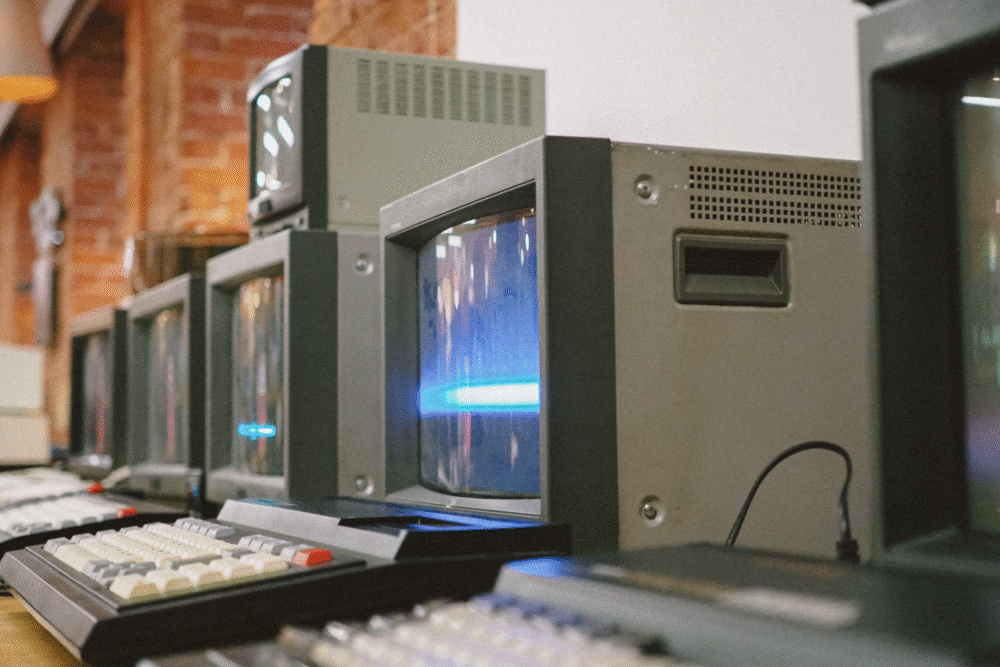
Logging on used to be a thrill. You didn’t check in to compare your life or optimize your personal brand—you were just exploring weird corners of the web with dial-up screeching in the background. Chat rooms, pixelated websites, clunky forums—it was messy and unpredictable in the best way. Millennials remember when the internet sparked curiosity instead of anxiety. Now it’s a nonstop cycle of comparison, outrage, and monetization. Going online feels like stepping into a boardroom, not a sandbox. The nostalgia is real because the shift was seismic—once a place of wonder, the internet became a battlefield. And some part of us is still grieving what we lost.