
Explore eleven European countries with stronger work-life balance compared to the United States.
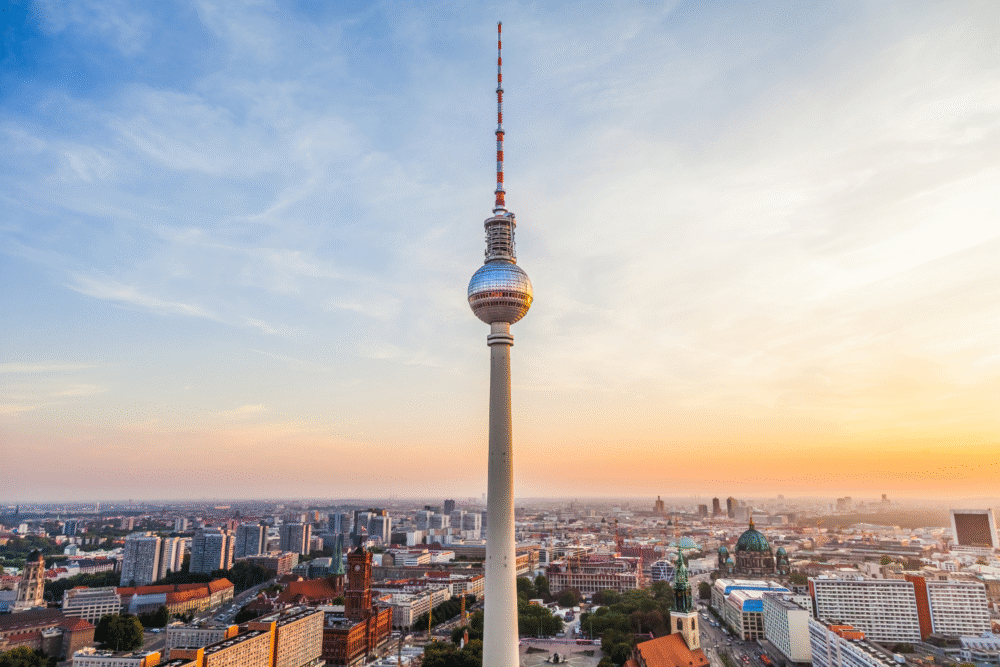
Many European countries offer work environments that prioritize both productivity and personal well-being, often surpassing the work-life balance found in the United States. Factors such as shorter working hours, generous vacation policies, and cultural attitudes that value leisure contribute significantly. Understanding how these nations integrate labor laws and employee benefits reveals insights into creating healthier work-life dynamics.
1. Denmark offers a strong culture of flexible working hours and generous leave.
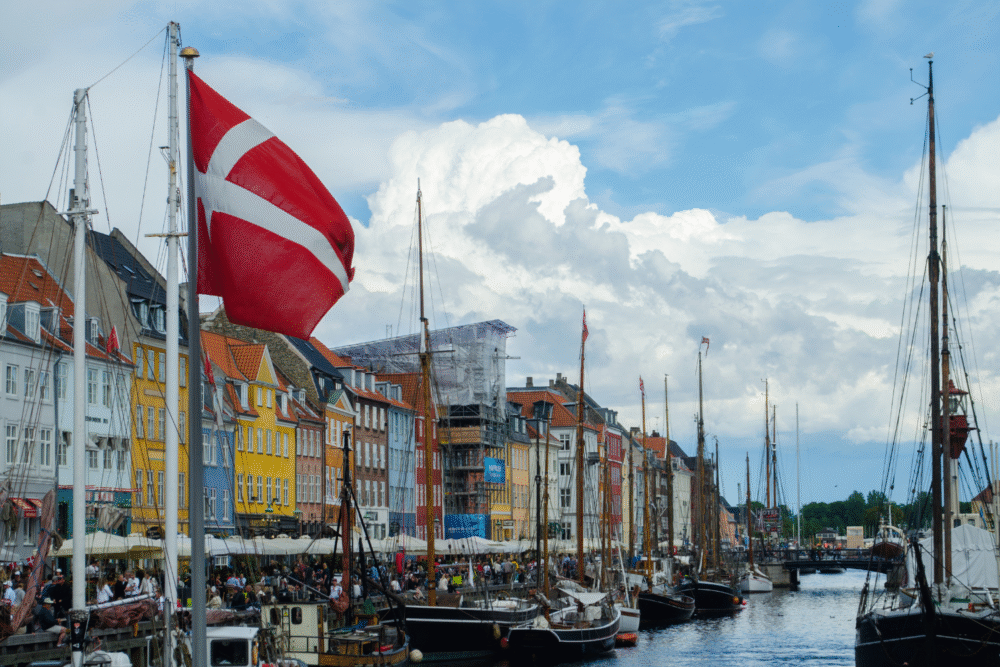
In Denmark, a commitment to work-life balance permeates employment laws, favoring flexible working hours and generous leave options. A highlight is Denmark’s 37-hour workweek, accommodating personal activities. Employees benefit from substantial holiday allowance, fostering a culture where leisure and professional obligations coexist seamlessly.
People often savor extended summer breaks or spontaneous weekday activities, enjoying abundant leisure time. As their workplace prioritizes personal wellbeing, the blend of freedom and structure enhances life satisfaction. Denmark’s model exemplifies efficient work distribution and highlights the importance of enjoying life beyond office walls.
2. Sweden prioritizes family time and supports extensive parental leave policies.
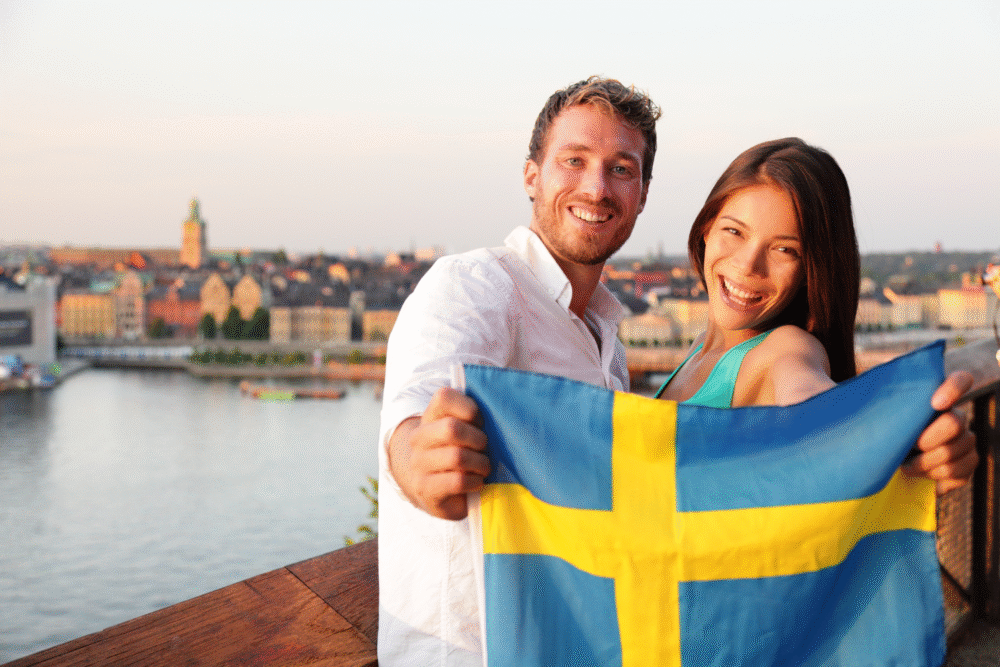
Sweden, renowned for valuing family time, provides extensive parental leave, benefiting both parents. Employees can share 480 days of paid leave, amplifying family bonds. This initiative underscores Sweden’s approach to ensuring parents maintain strong connections during crucial child-rearing years.
Additionally, the country minimizes overtime culture, encouraging quality family moments over prolonged office hours. With generous parental leave, parents navigate professional obligations without sacrificing family experiences. Embedding such support fosters a workplace where family commitments and career growth align closely.
3. Norway promotes a healthy balance through shorter workweeks and outdoor activities.
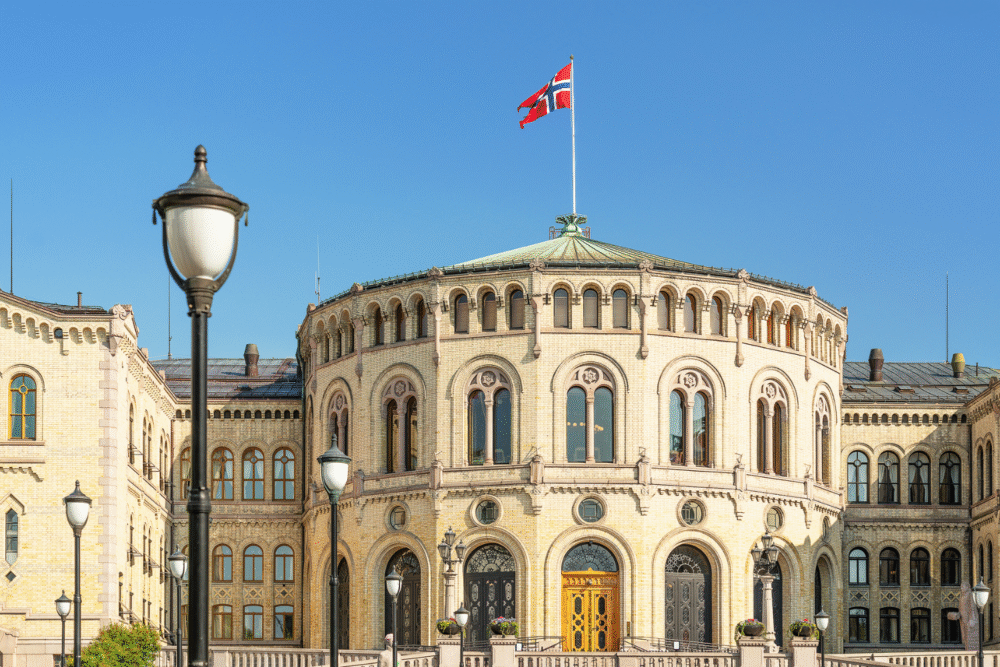
Norway’s employment model champions work-life health by advocating for shorter workweeks, typically around 37.5 hours. Norwegians relish nature-driven outdoor activities that rejuvenate both body and mind. The country balances industriousness with leisure, enhancing overall well-being and job satisfaction.
With its natural landscapes, Norwegians often partake in hiking or skiing as post-workday rituals, emphasizing equilibrium. This cultural embrace of outdoor time complements shorter work hours, inviting relaxation. Through efficient time management, Norway illustrates that productivity can flourish alongside personal interests.
4. Finland encourages remote work and values wellbeing in the workplace environment.
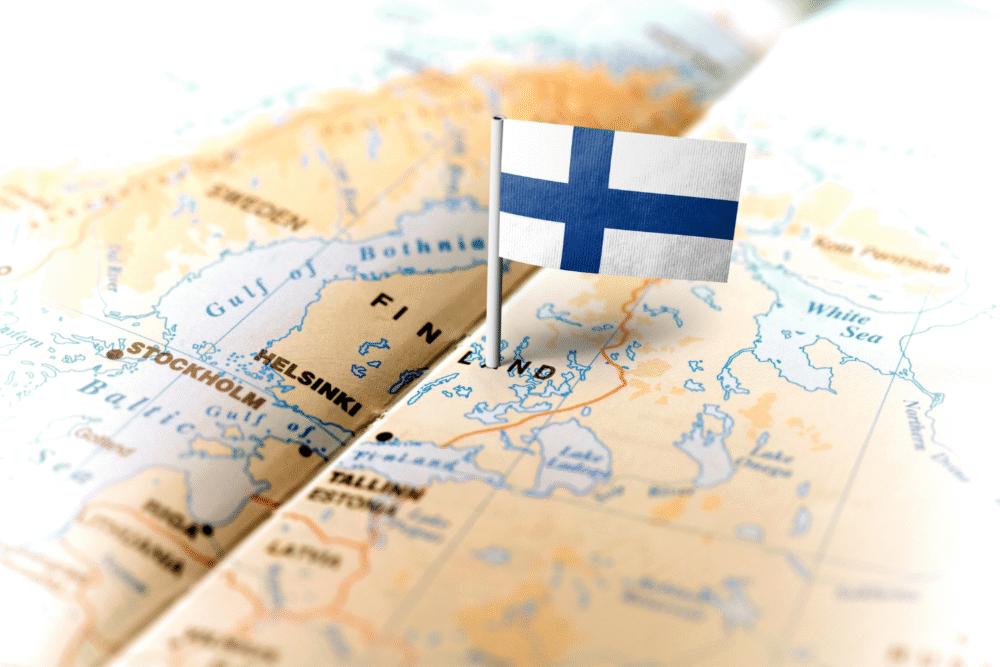
Finland actively encourages remote work, facilitating superior work-life practices. Many workplaces support flexible environments, promoting wellbeing over rigid hours. Consequently, employees experience reduced commuting stress and improved productivity from personalized work settings.
The Finnish favor versatile work arrangements, allowing freedom in choosing where to perform tasks. This flexibility generates a nourishing work culture, nurturing both career ambitions and personal rejuvenation. By prioritizing employee comfort, Finland’s approach demonstrates that remote work aligns moral values with operational efficiency.
5. Germany has structured work regulations allowing ample vacation and personal time.
Germany’s labor framework offers structured work regulations, ensuring employees access ample vacation. German workers often receive six weeks of paid leave annually, underscoring time-off importance. Such policies echo Germany’s dedication to prioritizing personal growth alongside professional duties.
Extended breaks allow Germans to explore heritage sites or engage in hobbies uninterruptedly, enriching life quality. A robust legal structure embeds work-life balance in professional culture, underscoring efficiency without foregoing ample leisure. This affirms that enjoying paid vacations complements diligent work.
6. Netherlands emphasizes efficient work hours and offers mandatory holiday entitlements.
In the Netherlands, efficiency in work hours and mandatory holiday entitlements shape their lifestyle. Dutch workers frequently enjoy 30-day leave packages, facilitating relaxation without stress. The nation embraces concise workdays, yielding time for enriching personal endeavors.
Efficient task management lets workers exit offices at 5 p.m. to cycle home along scenic canals. By ensuring structured time-off, individuals join social activities rejuvenated, safeguarding wellbeing. This illustrates that productivity and fulfillment coexist seamlessly through astute work policies.
7. Austria provides legal protections for workers and supports time-off for rest.
Austria upholds its workforce with rigorous legal protections promoting ample time-off for rejuvenation. Employment contracts usually mandate five weeks of vacation, shedding light on Austria’s focus on downtime. Such entitlements amplify employee satisfaction, harmonizing work with personal rejuvenation.
Between sound-of-music landscapes, Austrians relish leisurely hikes, inspired by their structured time-off. Maintaining vacation policies supports holistic wellbeing, reducing burnout risk. This model showcases the harmony between legal empowerment and life satisfaction.
8. Switzerland maintains high job satisfaction through balanced work schedules and benefits

Switzerland boasts high job satisfaction rates, thanks to balanced work schedules complemented by comprehensive benefits. Swiss professionals typically receive 20 days of annual leave and often avoid overtime, protecting personal life vibrancy. Such measures reflect Switzerland’s dedication to sustaining a satisfied workforce.
Swiss workplaces champion efficient schedules, encouraging employees to savor alpine landscapes with family after work. Employee benefits blend seamlessly with employment structures, crafting an ecosystem fostering happiness. Switzerland’s balanced approach epitomizes satisfaction beyond market productivity.
9. Belgium supports workers with strong labor laws and generous holiday allowances.

Belgium’s labor laws emphasize worker support through generous holiday provisions, often granting four weeks of leave. Such statutory entitlements reflect Belgium’s commitment to leisure balancing work commitments, fostering overall societal contentment.
Generous leave lets Belgians meander historic cities, enriching their cultural engagement post-workdays. By safeguarding employee rights, the framework establishes balanced lifestyles beyond office confines. Belgium’s model underscores that comprehensive legal backing nurtures thriving communities.
10. Ireland integrates work-life balance by encouraging flexible scheduling and family support.

Ireland effectively integrates work-life balance by fostering flexible scheduling paired with robust family support systems. Employers appreciate adaptable hours, aligning individual schedules with familial needs. Irish workplaces enhance life quality by nurturing individual comfort through tailored work plans.
In Irish culture, evenings include family dinners or countryside walks amidst emerald landscapes. Flexibility fosters professional growth alongside leisure time, sustaining societal contentment. By valuing time with family, Ireland exemplifies holistic wellbeing intertwined with career development.
11. Portugal offers a relaxed lifestyle with shorter workdays and strong community ties.
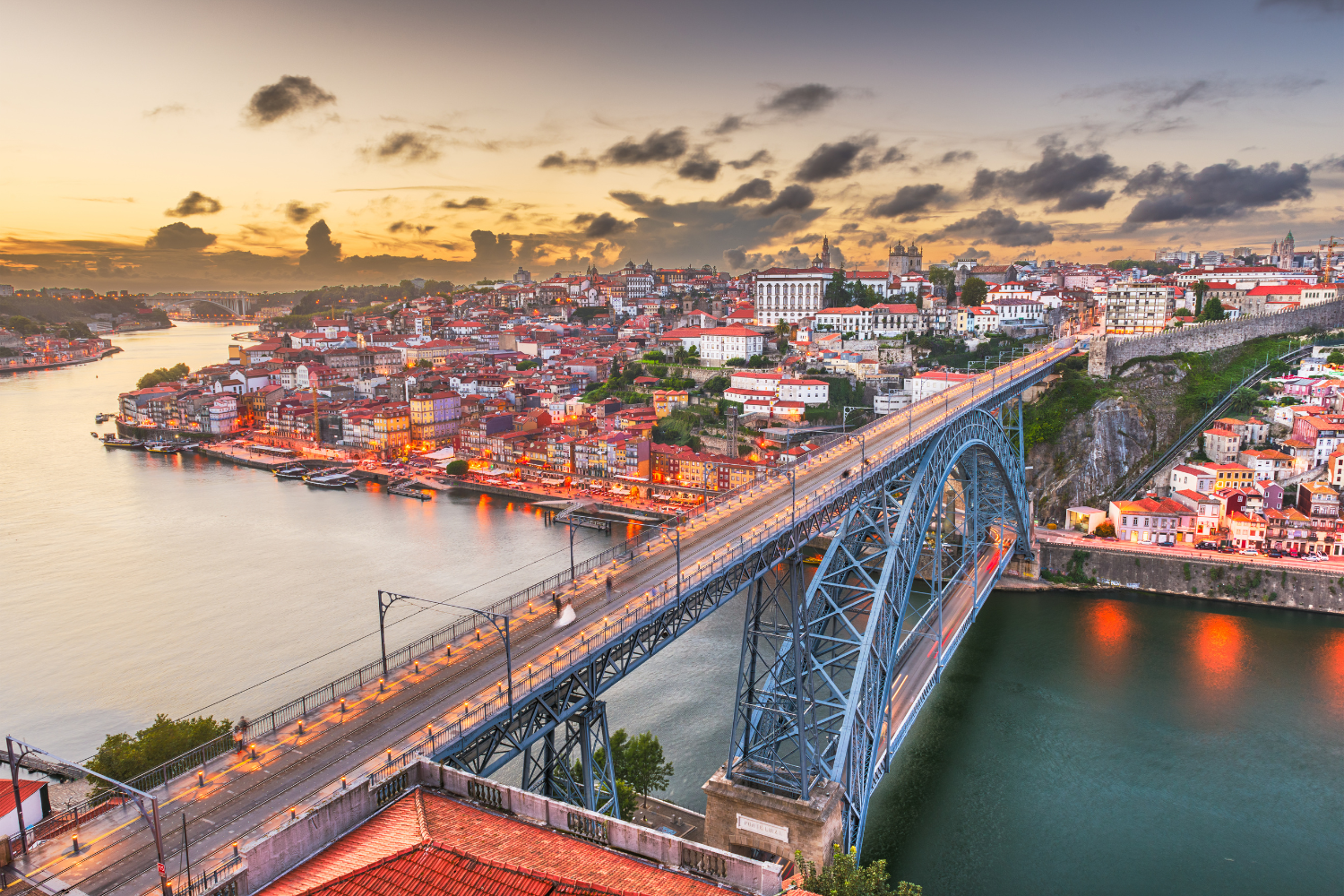
Portugal offers tranquility by emphasizing shorter workdays and strong local community bonds. Working hours normally do not exceed 40 per week, encouraging social rituals and community interactions. This arrangement highlights Portugal’s investment in mental refreshment and maintaining life balance.
Locally, evenings see residents engaging in communal festivals, strengthening ties. The laid-back tempo fosters enduring connections, elevating wellbeing. With shorter workdays and communal spirit, Portugal illustrates harmonizing productivity with leisurely cultural rhythms.