
Climate change drives up prices by disrupting agriculture, supply chains, and food production worldwide.

As the planet warms, shifting weather patterns and extreme events increasingly impact food production. Many staple and popular foods face rising costs due to droughts, heat stress, and unpredictable rainfall that reduce crop yields and strain resources. Understanding which foods are most vulnerable helps consumers anticipate price changes and adapt their budgets amid this growing challenge to global food security.
1. Coffee is increasingly vulnerable to changing rainfall patterns worldwide.

Coffee relies on consistent rainfall for optimum growth, making it sensitive to irregular weather patterns. Regions like Brazil and Vietnam, major coffee producers, now face shifting rainfall, affecting bean quality and yield. These changes ripple through the supply chain, elevating retail coffee prices.
Farmers may grapple with inadequate water resources or unexpected downpours that damage crops, both of which can inflate costs. Beyond the farm, these shifts alter market dynamics, as scarcity intersects with consistent demand, pushing prices higher. The morning cup of joe could become a luxury for some.
2. Avocados face rising costs due to water shortages and increased demand.

Avocado cultivation demands substantial water, and climate change complicates this requirement as regions like California and Mexico experience drier conditions. Additionally, consumer fervor for avocados continues to surge, intensifying pressure on existing water resources and further driving up production costs.
Water scarcity can stifle crop yields, limiting supply amid robust demand. The resulting imbalance heightens prices, making the creamy green fruit a pricier offering at the market. As a consequence, restaurants and households may reconsider avocado-centered dishes, altering purchasing habits in response.
3. Chocolate prices may climb as cocoa-growing regions experience heat stress.

Cocoa trees, the source of chocolate, prosper in humid, rain-rich climates, but rising temperatures threaten their delicate ecosystem. Nations like Côte d’Ivoire and Ghana, key cocoa producers, encounter heat stress that can curb production, escalating chocolate prices globally.
The warmer conditions destabilize traditional growing zones, compelling some farmers to abandon cocoa or switch crops. This adjustment heightens competition for cocoa beans, driving costs up across global supply chains. Retail chocolate products, from bars to cookies, could see noteworthy price increases.
4. Almonds require significant water, making them pricey with droughts intensifying.
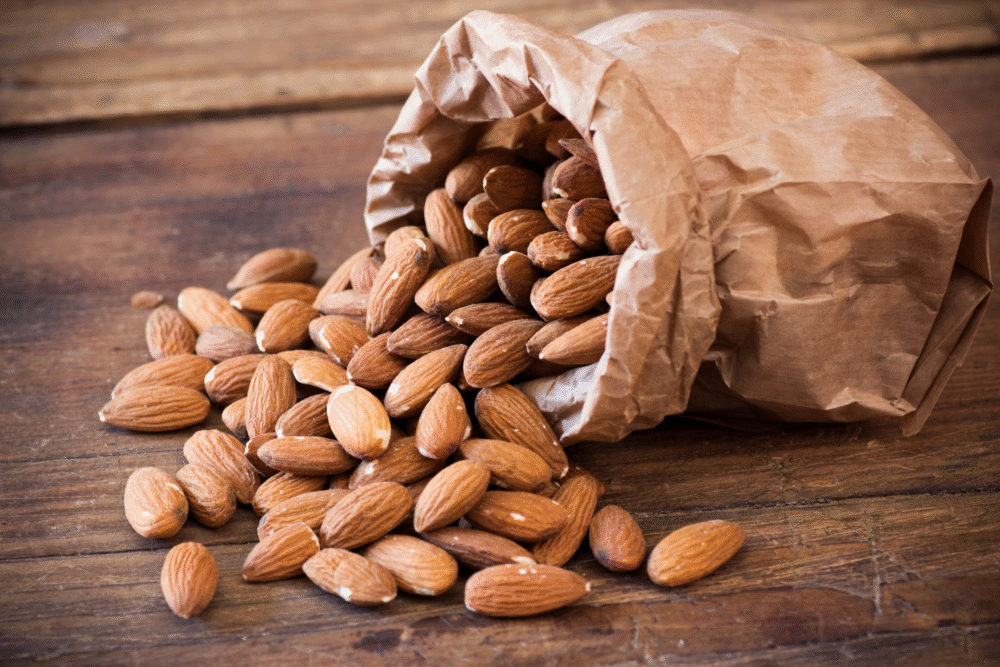
Almond trees, heavily reliant on water, demand precise irrigation regimes, a requirement stressed by increasing drought conditions, especially in California’s almond-rich heartland. As water becomes scarcer with rising global temperatures, the cost of almond production inches upward.
Intensive water use drives both environmental concerns and financial costs, as farmers vie for access to dwindling resources. This scramble escalates almond prices, echoing throughout the food industry, from almond milk to snack bars. Drought patterns shape market forecasts, adjusting consumer budgets.
5. Beef costs rise as grazing lands shrink under hotter climate conditions.

Beef production hinges on expansive grazing lands, which are declining as hotter climates encroach on pasture viability. With less grass available, ranchers face increased costs for supplementary feed and water, translating to steeper beef prices at the grocery store.
As open pastures shrink, it becomes increasingly challenging to sustain beef herds efficiently, resulting in tighter supplies. This scarcity, coupled with unabated consumer demand, propels prices upwards. Consumers and retailers alike recalibrate expectations on meat affordability and availability.
6. Seafood prices are affected by warming oceans disrupting fish populations.
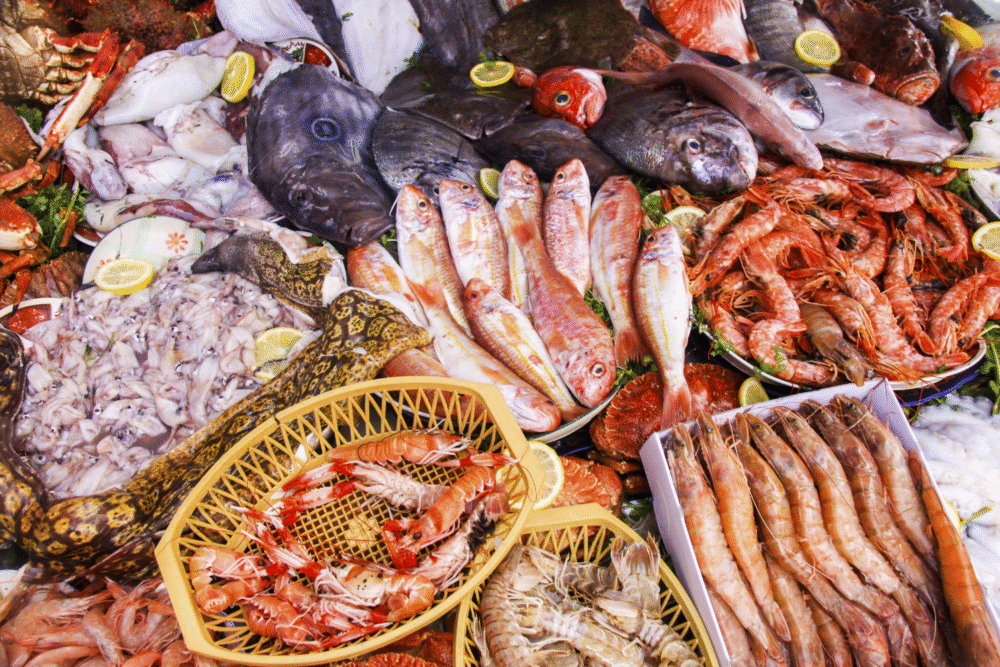
Warming ocean temperatures increasingly disturb marine ecosystems, impacting fish populations and aquaculture operations. Rising temperatures shift habitats, potentially depleting key species like salmon and cod, leading to erratic seafood supplies and climbing prices.
Warmer waters confuse migratory patterns and disrupt breeding, driving certain fish further from traditional fishing areas. This situation challenges fishers with higher operating costs and reduced catches. Consequently, these changes affect seafood markets, altering what ends up on the dinner plate.
7. Rice production struggles with unpredictable flooding and drought cycles globally.
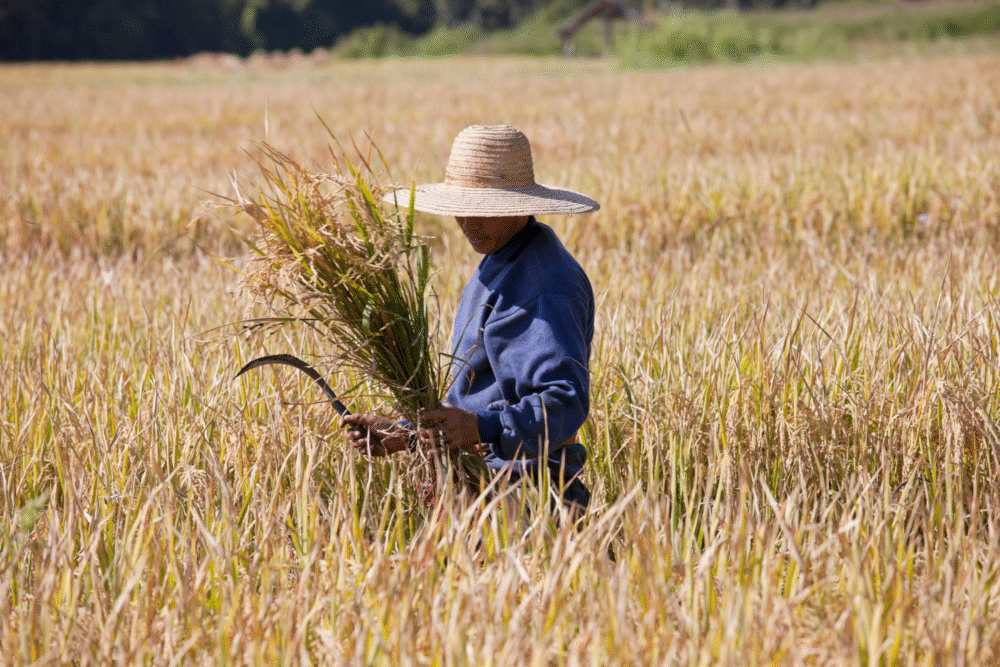
Rice cultivation finds itself at the mercy of extreme weather, with both floods and droughts battering production areas, from South Asia to the United States. These erratic conditions impair crop yields, leading to supply disruptions and price volatility in the staple food market.
Floodwaters can drown rice paddies, while drought scorches fields, creating uncertainty for farmers. Such instability results in fluctuating rice availability, impacting everything from local staple diets to global export levels. Consumers and producers both feel the strain of these climate-induced pressures.
8. Corn becomes more expensive as extreme weather impacts crop yields.

Corn, a global agricultural staple, proves vulnerable to the swings of extreme weather patterns. Climate change heightens drought and storm intensity, crucial factors that interrupt sensitive growing cycles, resulting in diminished yields and heightened market costs.
Corn’s central role in livestock feed and human consumption means these shifts have far-reaching impacts. Price hikes ripple through various food products, from cereals to sweeteners. The balance between demand and available resources tests the resilience of both producers and consumers.
9. Olive oil may cost more due to heat waves stressing olive trees.

Olive oil, treasured for its rich flavor and health benefits, finds its production linked to stable Mediterranean climates. Increasing heat waves stress olive trees in regions like Spain and Italy, impairing fruit yield and oil extraction, which can elevate consumer prices.
High temperatures disturb trees’ growing phases, sometimes inhibiting the ripening process altogether. This disruption echoes through the olive oil industry, affecting availability on shelves and increasing the cost of high-quality oils. Buyers may encounter both higher prices and varied availability.
10. Tea faces price increases from shifting climate zones affecting harvests.

Tea cultivation flourishes in specific climatic zones, often in high-altitude regions. However, altered precipitation patterns and temperatures now shift these optimal zones, complicating harvesting and potentially reducing yields. This leads to increased costs within the cherished beverage market.
Changing climates redirect traditional growing locations, sometimes prompting relocation of tea estates. Consequently, producers face new challenges, impacting production costs and availability. Tea’s breadth of choice may dwindle, prompting lovers of specific blends to navigate rising prices and evolving selections.
11. Maple syrup production declines as warmer winters alter sap flow timing.

Maple syrup, synonymous with crisp autumn mornings, depends on precise temperature conditions for sap flow. Warmer winters disrupt this timing, jeopardizing the production process and threatening supply, which could lead to higher prices for this sweet staple.
Inconsistent sap flow rates lead to fluctuating syrup yields, altering market stability. Producers in the northern United States and Canada strive to adapt, yet face uncertainties that forecast increased consumer costs. Breakfast tables may see maple syrup as a more precious, costlier indulgence.