

Turning your spare room or garage into a money-maker might sound clever, but not every “house hack” is as smart—or as harmless—as it seems. When done wrong, these schemes can stir up tension with roommates, neighbors, and landlords, leaving you broke or homeless faster than you can say “passive income.”
Before listing your place online or renting out your couch, it’s worth knowing which shortcuts can quietly wreck your peace of mind and land you in serious trouble.
1. Subletting Without Permission.

Sneaking in a subtenant without telling your landlord might look like easy rent relief, but it’s one of the fastest ways to breach your lease. Once the landlord finds out—and they always do—you could face eviction or lose your security deposit.
Even if your new “tenant” pays on time, you’re legally responsible for any damage or disruption they cause. A single loud night or broken rule can make you wish you’d just paid the full rent yourself.
2. Turning Your Bedroom Into an Airbnb.

Short-term rentals seem like a goldmine until neighbors start complaining about strangers in the hallway at 2 a.m. Many leases explicitly ban Airbnb-type rentals, and landlords can evict you for even one violation.
Beyond the legal risks, your peace disappears when you have to clean up after rotating guests or handle late-night check-ins. It’s a business model that sounds liberating but often leaves tenants exhausted and on edge.
3. Splitting the Living Room Into a “Micro-Studio.”

Throwing up a curtain or makeshift wall to create “one more room” might look clever on TikTok, but fire codes and lease terms say otherwise. Makeshift partitions can block exits or violate safety laws.
It’s not just a safety issue—crowding more people into your space changes the entire dynamic. Privacy vanishes, tempers flare, and the vibe of your home turns from cozy to chaotic overnight.
4. Charging Roommates for Shared Utilities.

You might think you’re just “managing expenses,” but overcharging roommates can spark resentment fast. If they find out you’re making a profit off the electric bill, expect fireworks—or worse, small claims court.
Money and friendship rarely mix well. Once roommates feel exploited, every shared expense becomes a battle, and suddenly, living together feels more like running a business than sharing a home.
5. Renting Out Your Parking Spot.
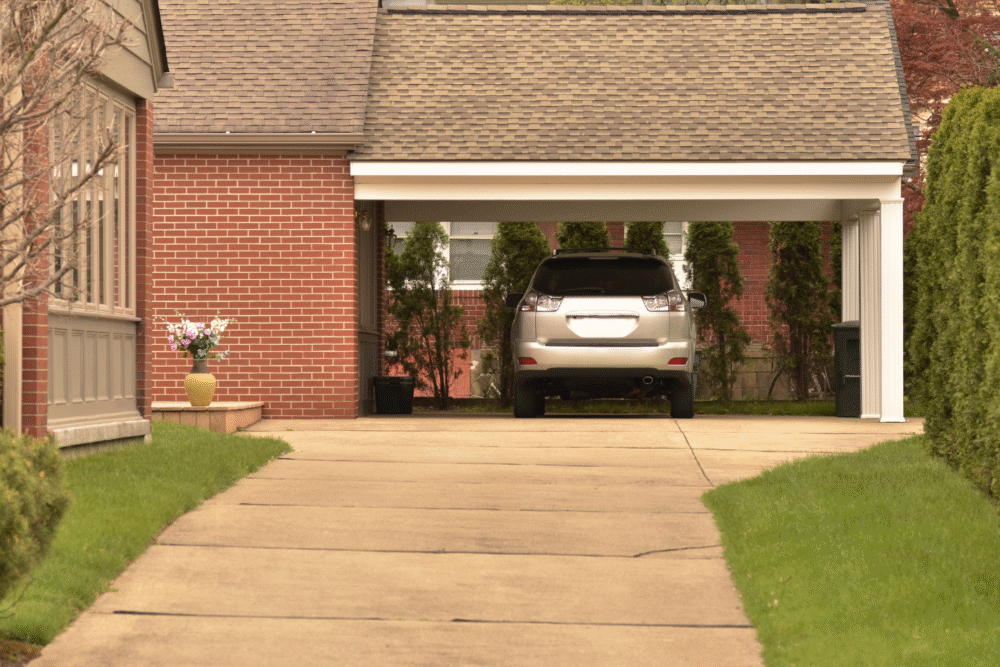
In dense cities, parking is currency—but if your lease includes a spot, subletting it can violate your agreement. Landlords and HOAs often ban it outright, and towing a stranger’s car can turn into a messy nightmare.
It also invites unnecessary tension with neighbors who notice new cars coming and going. What starts as a side hustle can quickly become an HOA complaint or a fine that wipes out your profits.
6. Letting “Friends” Crash Long-Term.

A friend who needs “a few nights” often ends up staying a few months. Once they start receiving mail or using your address, they can gain legal occupancy rights—turning eviction into a bureaucratic headache.
Even if they mean well, having an extra person in your space shifts energy, adds bills, and tests patience. The emotional drain of tiptoeing around your own apartment is rarely worth it.
7. Running a Business From Home Without Approval.

Using your apartment as a workshop, salon, or shipping hub might seem efficient, but it’s often prohibited. Excessive foot traffic, noise, or packages can draw attention from landlords and neighbors alike.
Beyond rule-breaking, working where you sleep blurs your boundaries and makes it hard to relax. The stress of constant activity can leave you feeling trapped in your own “workspace.”
8. Renting by the Night to Strangers.

Trying to “house hack” by hosting couch-surfers or short-term boarders might feel edgy, but it’s a liability minefield. If a guest gets injured or damages property, you’re on the hook.
These strangers don’t share your values or respect your space. You lose privacy, safety, and peace of mind—all for a few dollars that won’t cover the stress.
9. Hiding Pets From the Landlord.

Adding a secret dog or cat to your “no pets” lease can seem harmless—until the barking, scratching, or surprise inspection exposes you. Pet-related damage and odors are expensive, and deposits rarely cover it.
Even if you escape detection for a while, living in constant worry about being caught can eat away at your peace. It’s a silent anxiety tax you’ll feel every day.
10. Overcrowding With Too Many Roommates.

Stuffing a two-bedroom with six people might cut your rent, but it also guarantees chaos. More roommates mean more personalities, more noise, and more opportunities for drama.
Most leases limit occupancy for a reason—beyond legality, it’s about livability. When every corner becomes communal space, even small annoyances can explode into full-blown conflicts.
11. Ignoring Lease Renewal Rules While Subletting.

Subletting right before your lease renewal might sound strategic, but timing can backfire if your subtenant doesn’t leave when they should. You could end up unable to renew—or stuck with someone who refuses to move out.
Landlords have long memories, and violating terms once can mark you as unreliable. The stress of negotiating, explaining, or covering unexpected rent isn’t worth the few hundred you might have saved.