
Discover which uncommon household items surprisingly fetch high resale prices and why buyers seek them.
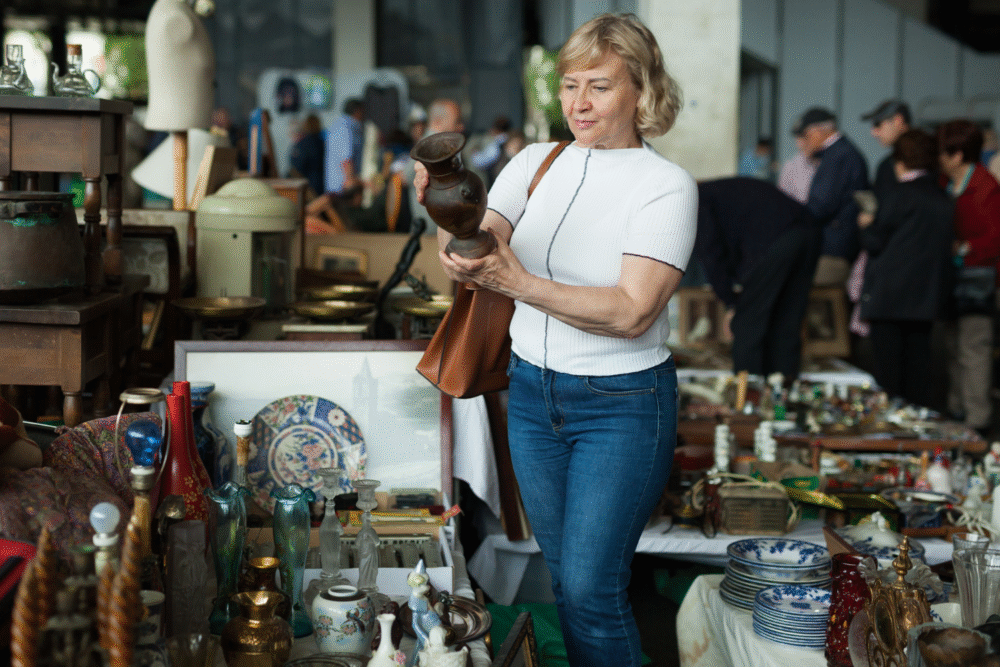
Many everyday objects tucked away in our homes can hold hidden value for collectors and enthusiasts. From vintage phones to handmade quilts, certain unusual household items attract significant market demand. Understanding their resale value involves looking at condition, rarity, and provenance. This guide explores these surprising treasures, offering insights on how to identify and present items for the best selling outcomes.
1. Vintage rotary phones continue to attract collectors from around the world.

Vintage rotary phones, once a staple of every household, now enchant collectors and tech enthusiasts with their classic design. Their weighty handset and mechanical dials stand in stark contrast to today’s sleek smartphones, sparking nostalgia and a desire for tactile engagement.
What might seem obsolete has become a symbol of a past era, fetching surprising sums at auctions. Interest spikes for models with unique backstories or rare colors, and their condition can heavily influence selling prices. Pristine examples command top dollar, underscoring the importance of thorough research and proper presentation.
2. Antique glassware sets often fetch impressive prices at auctions.

Antique glassware sets, whether they are Depression glass or elegant goblets from a bygone era, have captivated bidders and collectors alike. Their vibrant colors and delicate patterns intrigue those who appreciate fine craftsmanship, reflecting a time when table settings were an art form.
Such items often gain value as time progresses, particularly if their origins can be verified. Auction-goers delight in the hunt for rare pieces, often paying premiums for sets in excellent condition. Verifying authenticity and understanding demand play crucial roles in maximizing potential returns.
3. Unique mid-century modern furniture pieces surprise with their market value.

The allure of unique mid-century modern furniture pieces lies in their timeless design and functionality. A sleek teak sideboard or a sculptural Eames chair can transform a space, blending minimalism with warmth, appealing to both collectors and everyday homeowners alike.
Today’s market reflects a robust interest in these items, with demand driving prices well above their original cost. Key factors in valuation include the item’s provenance, condition, and any distinctive features. Pieces showing care and attention to repair can make them as desirable as new.
4. Rare porcelain figurines can be unexpected treasures in estate sales.

Hidden among estate sales, rare porcelain figurines await those who recognize their worth. Delicate in form and often painted with meticulous detail, these items can hold substantial resale value, especially when created by renowned artists or manufacturers from periods of artistic prominence.
An opportunity for discovery, these figurines demand careful examination for maker marks or stamps signaling authenticity. While not all figures are sought after, those connected to famous collections or depicting historical figures can yield unexpected treasures, cementing their stature in the world of collectibles.
5. Handmade quilts with intricate patterns often command surprising sums.
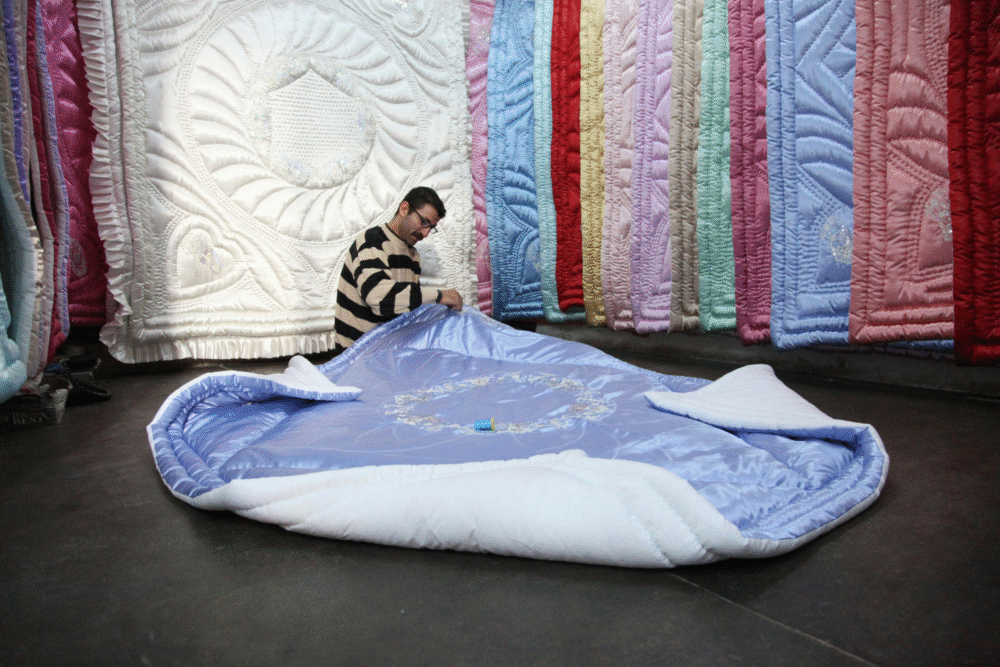
The comfort and artistry of handmade quilts with intricate patterns make them treasures beyond their textile nature. A checkerboard quilt or a star-spangled design speaks of labor, love, and heritage, capturing the attention of collectors who cherish stories woven into every stitch.
Nuance in quilt valuation comes from factors like historical context, fabric type, and stitch complexity. Pieces handed down through generations or linked to significant cultural moments can surge in worth. Collectors appreciate the narrative behind each quilt, often willing to pay a premium for storytelling and skill.
6. Old-fashioned typewriters delight buyers as stylish and functional decor.
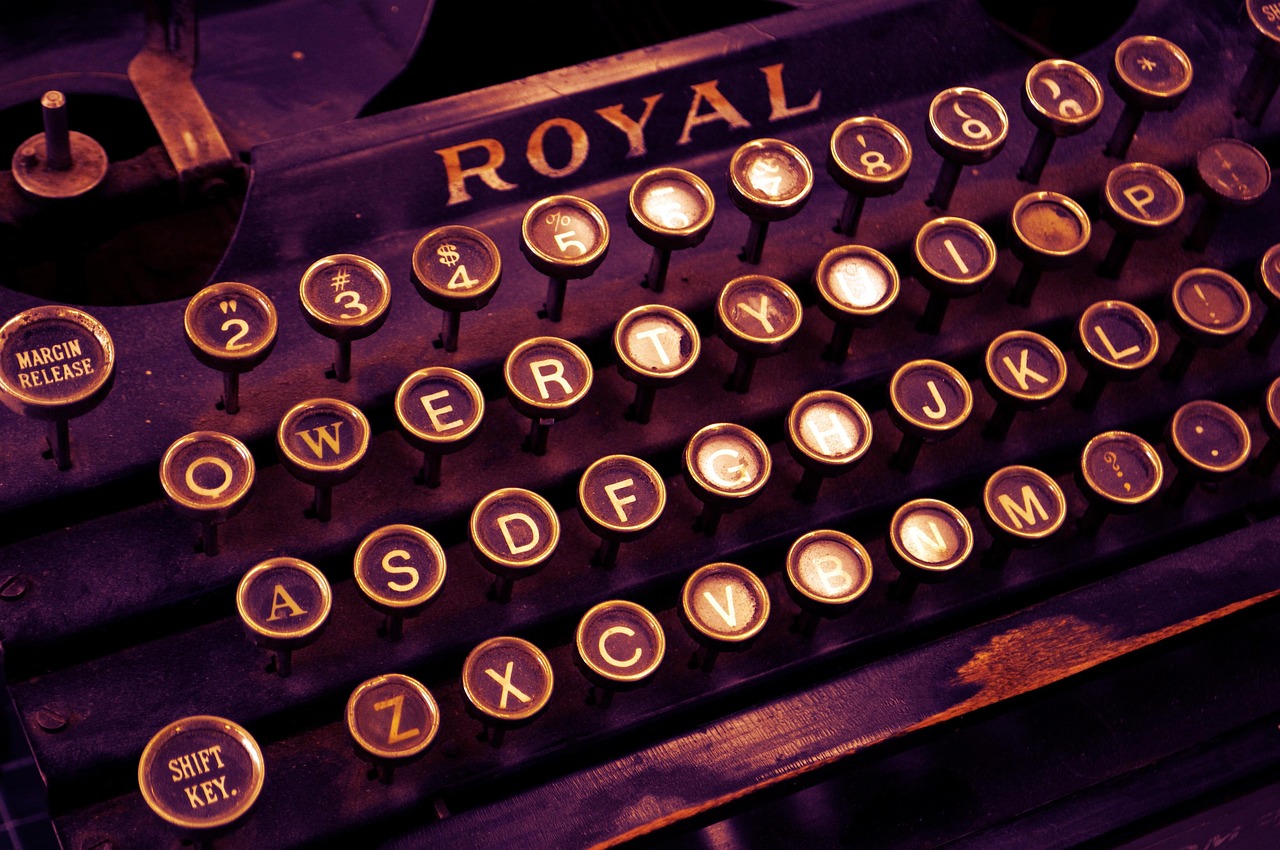
Old-fashioned typewriters, with their mechanical keys and tangible heft, charm those looking to blend style and function in their decor. The clatter of typebars on a ribbon offers a nostalgic allure, highlighting an age where communication held distinctive tactile sound.
Such devices attract more than typists; they become statement pieces or conversation starters, enhancing their desirability. Well-preserved models, especially those from iconic brands or with unique features, captivate buyers, increasing the appeal for both practicality and display. Carefully-restored examples often fetch higher prices, adding value.
7. Classic tin toys are prized by nostalgic collectors today.

Classic tin toys, embodying the whimsy of play-filled yesterdays, draw fervent admiration from nostalgic collectors. Bright colors and charming designs reflect their era, capturing both historical insights and personal memories for those lucky enough to have played with or preserved them.
The appeal often extends beyond sentimentality, appreciating the craft and ingenuity of their creation. Notable variations or editions can spark bidding wars, with condition and rarity driving market prices. It’s a realm where childhood joy meets grown-up pursuits, offering emotional and monetary fulfillment.
8. Retro advertising signs bring unexpected worth to vintage enthusiasts.
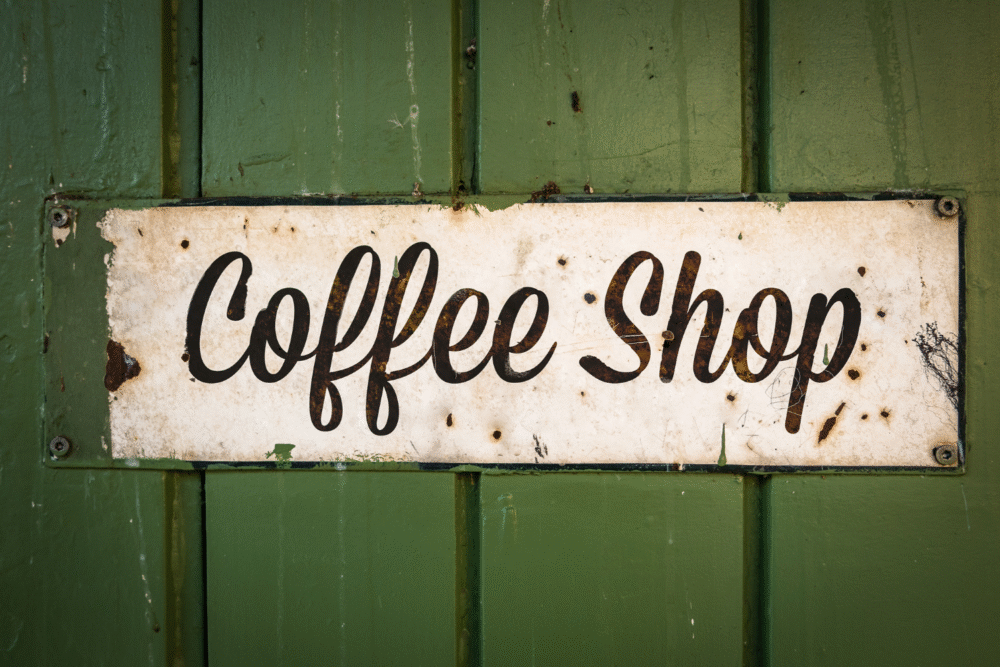
Retro advertising signs flash a unique combination of history and artistry, making them favorites among vintage enthusiasts. These bold and bright displays once beckoned passersby, but now they adorn walls as living pieces of commercial art that transport viewers to different eras.
Collectors are captivated by the originality and scarcity of these items, factors that elevate their value significantly. Signs from defunct brands or renowned artists hold even greater market appeal. Well-maintained, these relics become conversation pieces, marrying nostalgia with investment potential.
9. Victorian-era silverware sets are frequently sold for high returns.
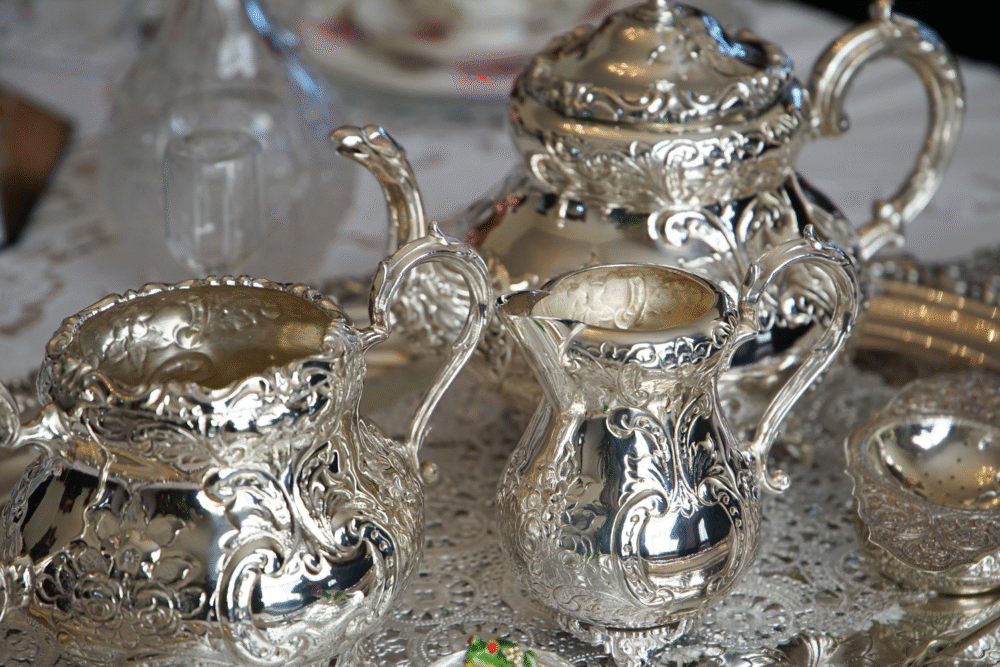
Silverware sets from the Victorian era, often ornate and finely crafted, reflect the elegance and sophistication of their time. The heft of sterling silver in a knife or fork can transport one to lavish dinners, where such craftsmanship was a staple.
Collectors and buyers seek these sets as both utilitarian objects and investment pieces. Ownership history, design complexity, and condition heavily influence their market value. As an asset, such silverware represents cultural affluence, with well-preserved pieces promising substantial returns.
10. Original art prints from lesser-known artists sometimes appreciate significantly.

While not always from famous creators, original art prints can undergo significant appreciation over time. These works, often produced in limited runs, showcase an artist’s unique vision and technique, capturing moments and styles that enhance their allure to discerning collectors.
The art world can surprise those who overlook lesser-known names, as demand shifts with trends and artistic rediscoveries. Appreciation involves diligent research into the artwork’s provenance and its visual and historical context. Pieces by underrepresented artists can command considerable interest, highlighting the value of informed acquisitions.
11. Unusual kitchen gadgets from the past find eager buyers online.

Unusual kitchen gadgets from the past, designed for both novelty and utility, now capture the imagination of collectors online. Whether it’s a butter churn or an egg slicer, these items reveal culinary history and evoke a sense of charm through their quirky functionality.
For many, the appeal lies in their whimsical nature and the stories they whisper about bygone household routines. Collectors prize devices in working condition, particularly when linked to recognizable brands or innovative patents. The online marketplace buzzes with eclectic offerings, uncovering nostalgic joy.