
Here’s something most diners never think about: the moment you open your mouth to order, you may have already started a silent countdown in your server’s head. Not because they’re mean, not because they hate their job, but because certain habits add up fast in a high-pressure environment where timing, flow, and human patience are all stretched thin.
A server’s job is high-stress by nature. They have to get used to the fast-paced environment and juggle different customer demands while keeping a smile on their face. Most guests see the smile. What they don’t see is what happens the second that server turns around. Let’s get into it.
1. Saying “I’m Ready” When You Are Clearly Not
You’ve all been there. Someone at the table waves the server over with total confidence, only to stare blankly at the menu for another two minutes while everyone waits. It feels harmless, but it’s one of the most consistent frustrations in the industry. Servers genuinely dislike when people say they’re ready to order when they’re really not. If you’re still looking at the menu, that’s fine, but let your server know so they can go take care of other things. They will come back to you in just a few minutes.
Think of it like calling a meeting and then realizing you forgot to prepare the agenda. The server has other tables, other tasks, other fires to put out. When you pull them away from all of that just to watch you deliberate between the burger and the pasta, you’ve essentially wasted everyone’s time. Worse, it slows down the rhythm of the entire dining room.
2. The “One More Thing” Trap
This one has an actual name, and it’s been written up by etiquette writers for a reason. It’s called “one-timing.” One-timing happens when a diner calls the server over repeatedly, asking for just one more thing each time: extra napkins, then a side of Ranch, then lemon for the water, then a spoon for the soup, more ice in their drink, and so on. In isolation, every single one of those requests is perfectly reasonable. Together, they’re something else entirely.
This happens because customers forget to ask for everything they need and the server fails to anticipate their needs. The fix is honestly simple. Before your server walks away, do a quick mental scan of your table. Napkins? Condiments? Extra side? Think ahead, ask once, and spare everyone the repetition. Your server will silently thank you for it.
3. The Endless Substitution List
Of all the customer habits that servers find most inconsiderate, asking for an endless amount of substitutions has become one of the bigger points of contention. It likely has something to do with the “customer is always right” mentality that came with the turn of the 20th century and has only amplified with time. Now more than ever, people feel that if they are paying good money for something, they are entitled to have it exactly the way they want it.
A restaurant kitchen is an assembly line built for rapid and consistent food production. Most of the prep work in a high-volume restaurant is done in advance, so cooks can prepare and compose a variety of dishes as quickly and efficiently as possible. When you rearrange that assembly line mid-service, things fall apart fast. A ticket with six modifications, three substitutions, and two allergy cross-contamination protocols demands a level of individual focus that, in a kitchen processing dozens of simultaneous orders, can bring the whole flow to a grinding halt.
4. Snapping Your Fingers at the Server

Honestly, I still can’t quite believe this one needs to be said in 2026, but here we are. Snapping your fingers at a server is widely considered one of the most dehumanizing things a diner can do, and the data backs that up. At least eight in ten Americans say it is unacceptable for diners to snap their fingers to get the waiter’s attention. That’s an overwhelming majority, which makes it all the more baffling that it keeps happening.
Snapping fingers to get a waiter’s attention can feel “as if the customer were calling a dog.” When trying to get your server’s attention, under no circumstances should you snap your fingers at them. This is incredibly rude, as is whistling. Think about it this way: if someone tried to get your attention like that in your place of work, you’d think it was pretty impolite, wouldn’t you? A simple hand raise or eye contact does the job every single time.
5. Ordering for the Table Before Everyone Is Ready
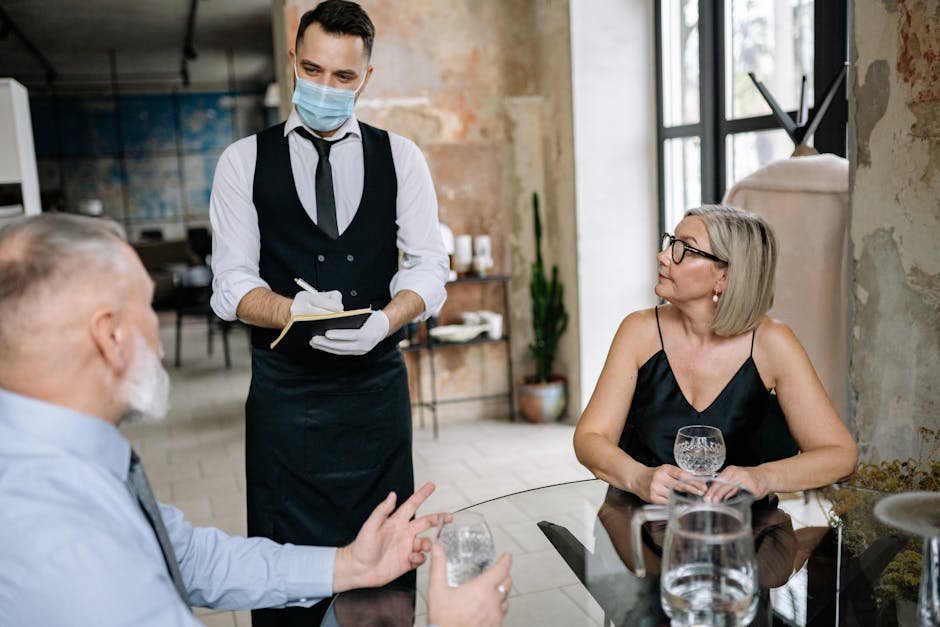
There’s always one person at the table who decides they’re the self-appointed group spokesperson. They start ordering for five people before two of them have even opened their menu. When a party starts with two people, then three more show up, then someone leaves, then two more arrive, it drives servers crazy. They’re planning their service flow, timing orders, and managing kitchen tickets based on your party size. Every change means recalculating everything.
It’s a bit like showing up to a team meeting and deciding to start the presentation before half the people have arrived. The server’s mental map of the table, timing of courses, coordination with the kitchen, it all relies on knowing who and how many they’re actually serving. Wait for everyone to be ready, or at least give your server an honest heads up about what’s coming.
6. Asking to Modify a Dish into Something Unrecognizable
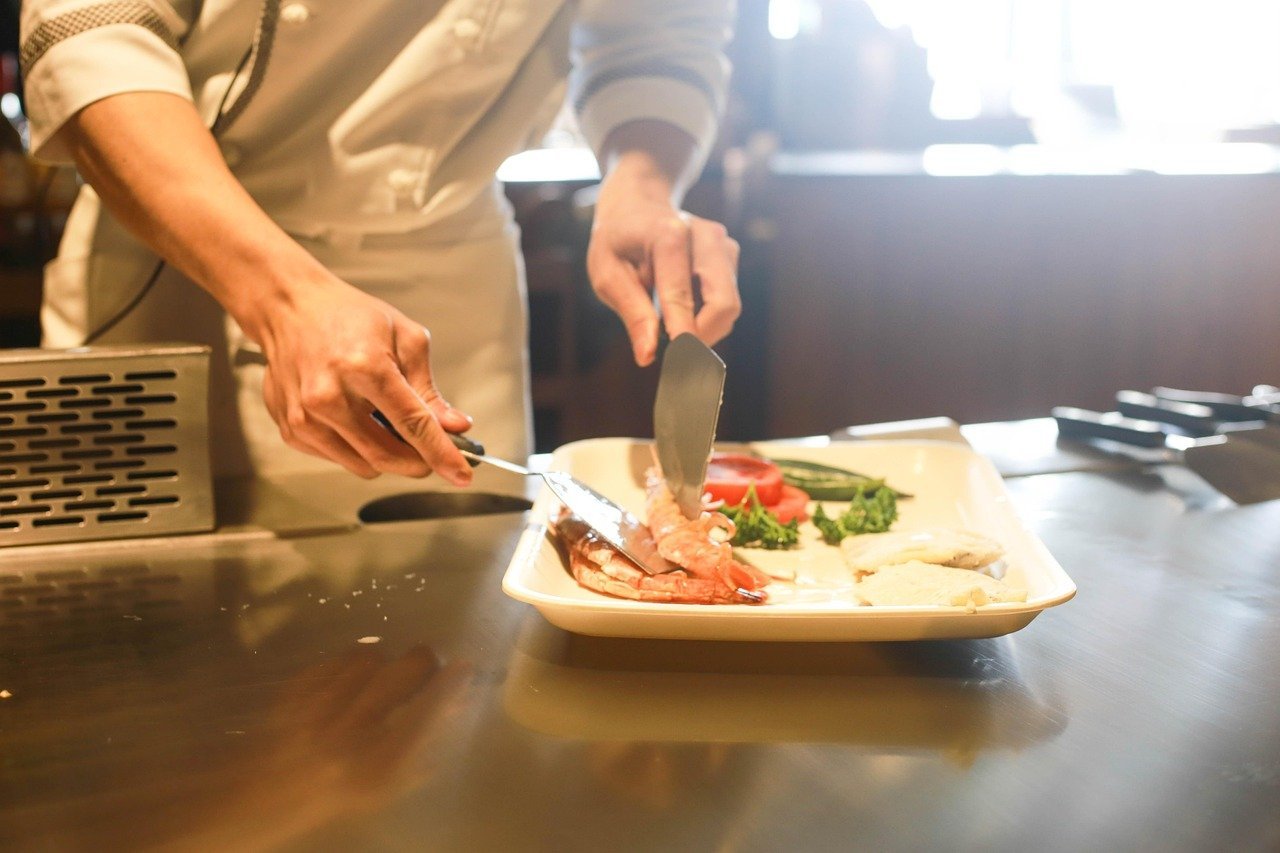
There’s a reasonable substitution, and then there’s essentially writing your own dish from scratch using the restaurant’s existing ingredients as raw material. Servers and kitchens can tell the difference. There’s a difference between necessary modifications and redesigning the entire menu. Asking for pasta with the sauce from the fish dish, the vegetables from the steak plate, cooked differently, with chicken prepared like they do for the sandwich, is a completely different story.
This behavior is bad restaurant etiquette because it monopolizes the time of one busy server, breaking the flow of the kitchen staff behind the scenes, and creating a ripple effect throughout the restaurant. Dietary restrictions are one thing, and good servers genuinely want to accommodate real needs. But treating the kitchen like a personal catering service is another thing entirely. When you need changes, acknowledge it. A simple “I know this is complicated, I appreciate you accommodating me” goes surprisingly far.
7. Refusing to Look at the Menu and Asking the Server to “Just Suggest Something”
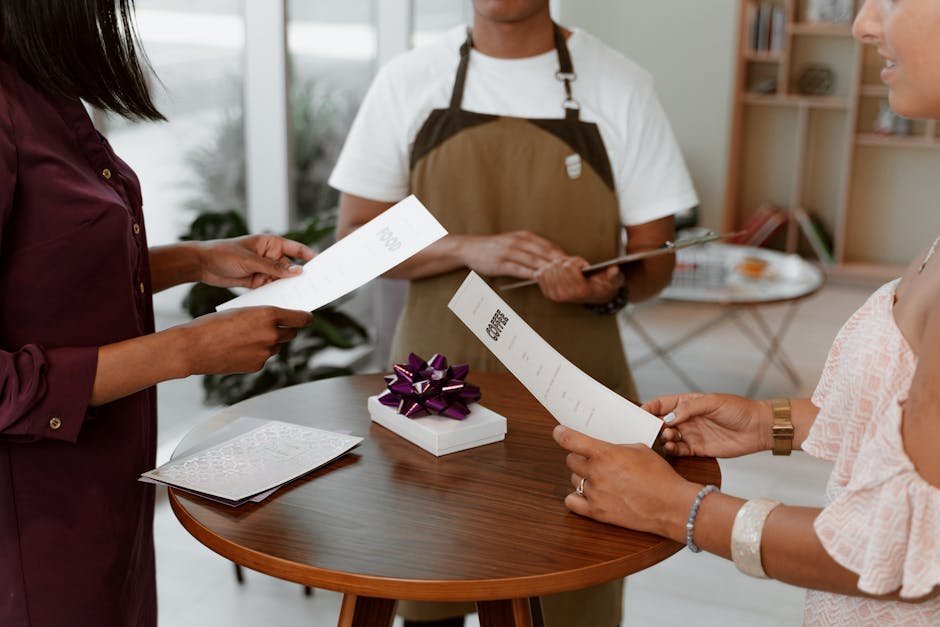
This one sounds relaxed and easygoing from the customer’s perspective. From the server’s perspective, it’s an open-ended question with no right answer. If they suggest the salmon and you don’t like fish, they look bad. If they suggest a pricier dish, they look pushy. It puts the server in an impossible position, especially during a busy rush when they have seven other tables waiting on them.
In this job, you have to think on your feet and problem-solve constantly, and you’re also always on display. Anyone in the industry has their server alter ego, complete with a signature customer service voice. They put their smile on for every table, but sometimes the phony grin disappears the moment they turn around. Flipping through the menu for two minutes before asking for guidance is the respectful way to approach it. At least narrow it down to a category first.
8. Complaining About Food You’ve Already Finished
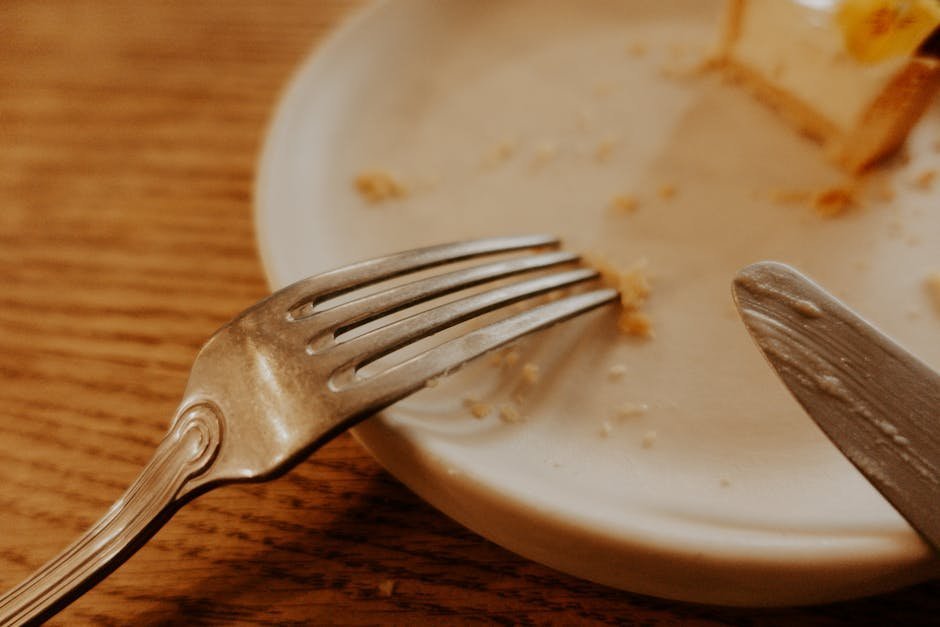
This is one of those habits that quietly infuriates just about everyone in the industry. You ordered it, it arrived, you ate most of it or all of it, and now you’re telling your server it wasn’t good. If you hated it that much, why did you clean the plate? It’s no wonder that a customer saying they won’t pay for a dish they didn’t like but still ate might be seen as out of line. Most survey respondents found it perfectly fine to return a dish that was made incorrectly. But finishing it before saying anything is a line most survey respondents don’t think restaurant patrons should cross.
At least eight in ten Americans say it is unacceptable for diners to say they won’t pay for a dish they didn’t like but ate. The rule here is straightforward. If there’s a genuine issue with your food, speak up early. Servers want to make it right while there’s still something to fix. Waiting until the plate is clean removes any realistic path to a resolution and puts the server in an awkward position with both the kitchen and the manager.
9. Tipping Based on the Discounted Total
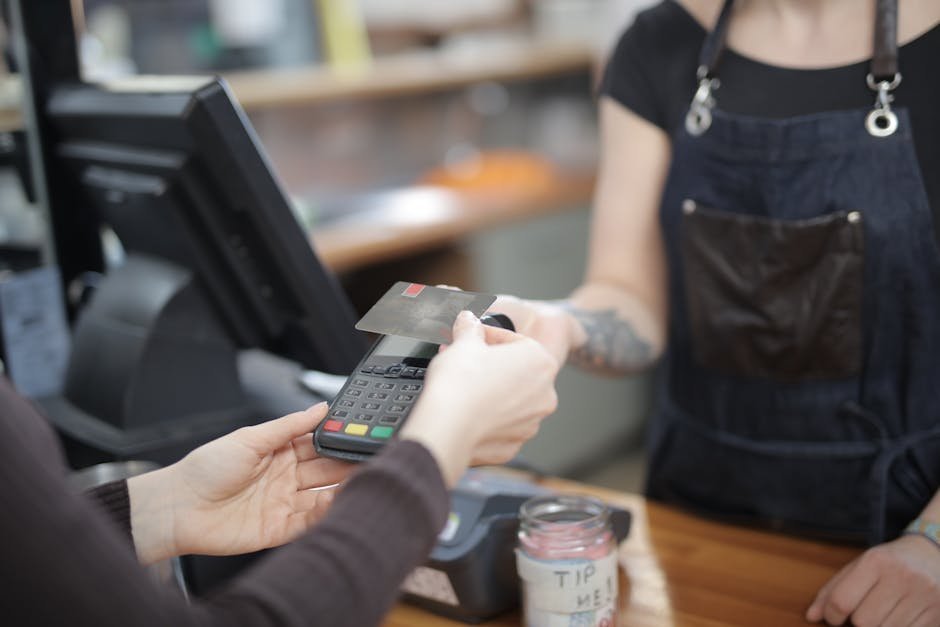
Coupons, Groupons, birthday discounts, promotional codes. Great tools for saving money. But here’s the thing a surprising number of diners get wrong: the tip is supposed to reflect the service provided, not the discounted amount on the receipt. When the check comes and you calculate the tip based on the discounted total instead of what the meal actually cost, consider this: your server did the same amount of work whether you paid full price or used a deal. The kitchen used the same ingredients. The only difference is what came out of your pocket.
Recent surveys indicate a decline in the percentage of people who “always tip,” dropping from roughly three quarters in 2019 to about two thirds in 2023. However, the fundamental principle remains: service industry employees depend on tips as part of their income. Servers and bartenders receive a federal minimum direct wage of just $2.13 per hour, supplemented by tips to meet the overall federal minimum wage. Tipping on the pre-discount amount is not just generous. It’s accurate.
10. Interrupting Your Server Mid-Sentence at Another Table
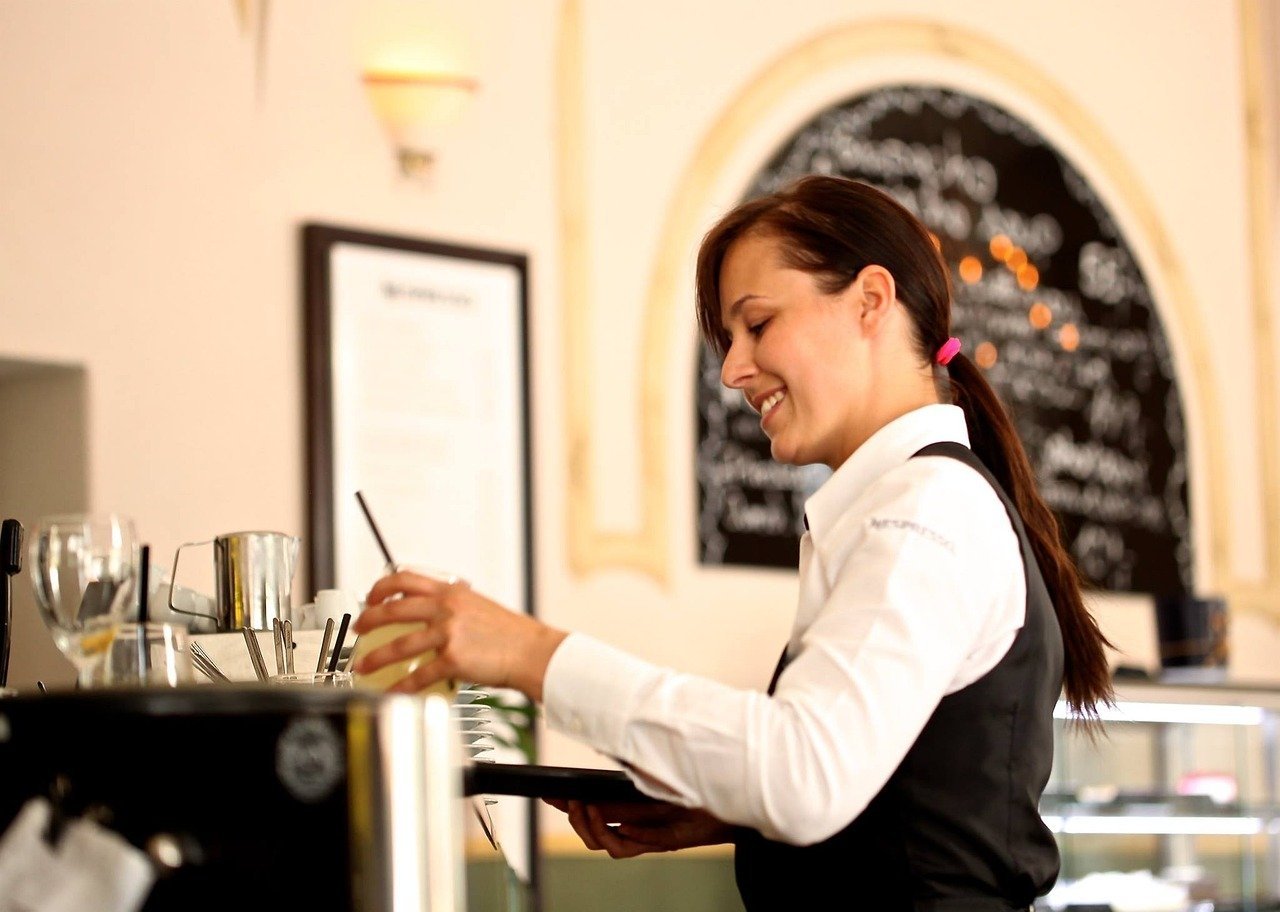
Picture this: your server is in the middle of taking another table’s order. You spot them across the room and decide that’s the perfect moment to flag them down, call out your drink request, or wave your check in the air. Nothing irritates servers more than when customers think they’re the only table, so they interrupt while the server is literally in the middle of taking someone else’s order. It’s disruptive, it’s disrespectful to the other guests, and it breaks the concentration of someone trying to accurately record a multi-person order.
Think about how you’d feel if someone interrupted an important phone call you were on. That’s exactly what it feels like. The server’s job is high-stress by nature and requires constant multitasking in a fast-paced environment. A brief, patient wait until they’ve finished with the other table is all it takes. Eye contact when they’re free is signal enough. They see you, they’re coming.
11. Staying Well Past Closing Time Without Acknowledgment
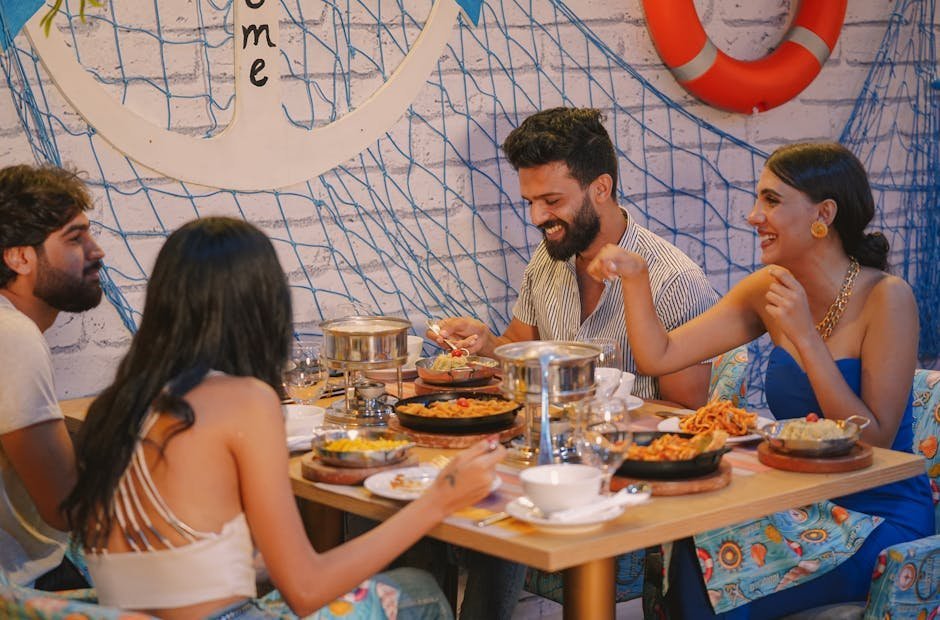
Restaurants have a closing time. Behind that closing time is an entire team of people who need to clean, reset, count tips, reconcile the register, and often commute home late at night. Staying past a restaurant’s closing time is frowned upon fairly equally across all age groups, genders, financial statuses, and political stances. No one likes working later than they have to, and in many restaurants, staff can be there for hours after the last customer leaves to ensure cleanup and other end-of-day tasks are taken care of.
At least eight in ten Americans say it is unacceptable to stay past the restaurant’s closing time. The irony is that the guests who linger longest are often the ones who have no idea they’re doing anything wrong. If you’re genuinely enjoying yourself and time has slipped away, a quick acknowledgment to your server goes a long way. A larger tip that reflects the inconvenience goes even further. They put their smile on for every table. The ones who notice that effort, however small, are the ones servers actually want back.
What’s remarkable is how small the gap is between a forgettable dining experience and a genuinely smooth one, both for you and for the people serving you. Most of these habits take almost zero effort to correct. So next time you sit down and open that menu, maybe just take a moment to think about what’s actually happening on the other side of that order. What would you do differently?