
The “honey-do” list has been rewritten for a new generation.

The traditional division of labor in a marriage, with its clear and often unspoken set of “his” and “hers” chores, is a concept that is rapidly fading into the past. For younger generations of men, these rigid and outdated gender roles feel completely alien. They are entering into partnerships with the expectation of a more equitable and flexible division of household responsibilities, not a pre-written script from the 1950s.
They are not just “helping out” around the house; they are equal partners in the work of building a life together.
1. They are not the sole or primary breadwinner.

The single biggest and most outdated role that modern men are rejecting is the immense pressure to be the sole financial provider for the family. In the economy of 2025, two incomes are almost always a necessity, and more importantly, their female partners are just as ambitious and career-focused as they are. The idea of one person’s career taking precedence over the other’s is seen as deeply unfair.
A modern marriage is a true financial partnership, where both people contribute to the household income. The old model of the male breadwinner and the female homemaker is a relic of a bygone era.
2. They are not automatically in charge of all the “heavy lifting”.

The traditional idea that the man is responsible for all the physically demanding tasks, from mowing the lawn to moving furniture and carrying the heavy groceries, is being thrown out. Many modern men are not particularly interested in or skilled at yard work, while many women are perfectly capable of and enjoy these tasks. Chores are increasingly being divided based on interest, skill, and availability, not on outdated notions of gender.
The expectation that a man is the only one who can handle the physical labor of a household is a stereotype that no longer fits.
3. They don’t see the car as their exclusive domain.

There was a time when the car was considered the man’s territory. He was the one who was in charge of the maintenance, the one who dealt with the mechanic, and the one who did most of the driving on a long trip. This is a role that modern men are no longer exclusively claiming. Basic car maintenance, like checking the oil and knowing how to change a tire, is now seen as a fundamental life skill for everyone.
Financial decisions about buying a new car are made as a team, and the driving duties are shared equally.
4. They are not the default family financier.

The old-fashioned model of the husband managing all of the family’s investments and long-term financial planning, while the wife managed the daily household budget, is a thing of the past. A modern partnership is one where both people are equally engaged in the family’s financial health. Both partners are typically contributing to their own retirement accounts and are involved in the big financial decisions.
Financial planning is a team sport, and the idea of one person being the sole person “in charge” of the money is seen as both risky and deeply unequal.
5. They are not the only ones who take out the trash.

The stereotypical “man’s job” of taking out the trash or dealing with a spider in the bathroom is being rejected as a meaningless gender role. These are simply unpleasant but necessary household tasks that need to be done, and there is no logical reason why they should automatically fall to the male partner. In a modern, equitable partnership, these small chores are shared.
It is a small but telling example of the shift away from a world where tasks are divided by gender and toward one where they are divided by a simple sense of fairness.
6. They are not the only one who has to grill the burgers.

The image of the dad standing proudly at the barbecue, grilling burgers and hot dogs for the family, is a classic American trope. While many men still enjoy grilling, it is no longer seen as an exclusively male domain. Cooking, in all its forms, is now a shared passion and a shared responsibility in many households, and the grill is no exception.
Many women are excellent grill masters, and many men are fantastic bakers. The old, rigid gender roles in the kitchen have completely broken down, and the entire family’s diet is much more delicious for it.
7. They refuse to be the default “disciplinarian”.

The old “wait until your father gets home” model of parenting, where the mother was the nurturer and the father was the disciplinarian who laid down the law, is seen by modern men as both unhealthy and ineffective. A modern father is just as involved in the emotional and nurturing side of parenting as the mother is.
Parenting is a partnership, and decisions about rules and discipline are made and enforced as a team. The idea of one parent being the “bad cop” is a toxic dynamic that they are actively trying to avoid.
8. They don’t see home repair as their sole duty.
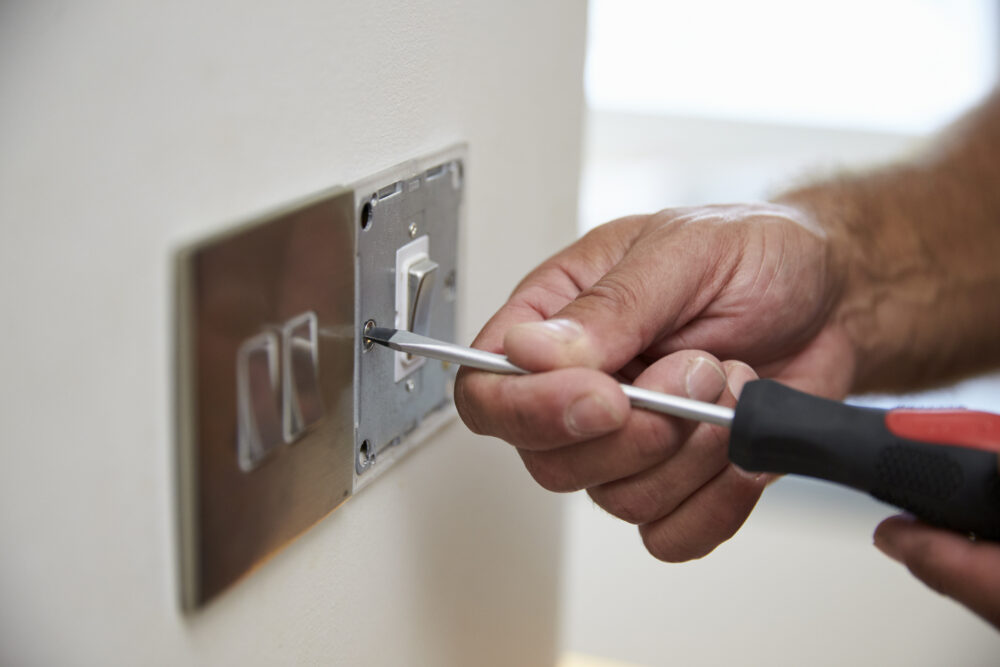
The assumption that every man is a naturally handy person who knows how to fix a leaky faucet or to install a light fixture is a stereotype that modern men are happy to shed. Many men are not particularly skilled at or interested in DIY home repair, while many women are. The ability to use a power drill is not a gendered skill.
In a modern partnership, the decision of whether to hire a professional or to tackle a home repair themselves is based on their actual skills and their available time, not on an outdated assumption about who should be handy.
9. They are not automatically the designated driver.

The old-school social dynamic where it was just assumed that the man would be the one to do all the driving, especially at night or after a party, is a role that is no longer automatically accepted. The responsibility of being the designated driver is something that is now shared and negotiated between partners, based on who feels like drinking and who is more comfortable driving.
It is a small but significant shift that reflects a more egalitarian and less assumption-based approach to the small, social negotiations of a relationship.
10. They are not the only one who initiates intimacy.

The traditional and often unspoken script that the man is the one who is supposed to be the primary initiator of physical intimacy in a relationship is a major pressure that modern men are rejecting. A healthy, modern relationship is one where both partners feel empowered to express their desire and to initiate intimacy.
This creates a much more balanced, communicative, and ultimately more satisfying physical relationship for both people. It removes the pressure of the man always having to be the aggressor and allows for a more fluid and equal dynamic.
11. They are not the sole “protector” of the family.

The ancient, biological role of the man as the physical “protector” of the family is a concept that feels very outdated to many modern men. They see their role not as a lone protector, but as a supportive partner in a team that is navigating the world together. A modern partnership is about mutual support, both emotional and physical.
The idea of the woman as a damsel in distress who needs to be protected is a condescending and unequal dynamic that has no place in a modern, feminist-informed relationship. They are protecting each other.