
Discover how climate change threatens job stability in specific professions and what factors increase their vulnerability.

Climate change is not only an environmental challenge but also a growing threat to job stability across various professions. Certain careers face unique risks due to environmental changes, shifting economic conditions, and increasing resource scarcity. Understanding these vulnerabilities helps identify which jobs may become less secure as climate impacts intensify.
For workers and communities, recognizing these risks is crucial in planning for the future. Adapting skills and monitoring industry trends related to sustainability and renewable energy can help individuals stay resilient in a changing job market.
1. Coastal Fishermen Facing Declining Fish Populations Due to Warming Oceans.

Coastal fishermen rely on predictable fish migrations and stable marine ecosystems to plan seasons, target stocks and maintain livelihoods. Warming oceans alter water temperature layers, shift prey and predator ranges and increase acidity, all of which reduce local catch volumes and change which species are present. Fisheries management, quotas and gear practices respond slowly compared with rapid ecological shifts, so communities that depend on traditional fishing patterns can find their business models disrupted and leasing or licensing arrangements strained.
For everyday readers the practical effect is fewer jobs and more uncertainty in coastal towns, along with higher prices and potential loss of cultural practices. One concrete step is to diversify income streams by pursuing alternative certifications such as aquaculture or value added processing, and regularly check regional stock assessments or catch per unit effort reports as a rule of thumb. Monitor safety at sea and local fishery advisories before heading out.
2. Agricultural Workers Vulnerable to Crop Failures from Unpredictable Weather.
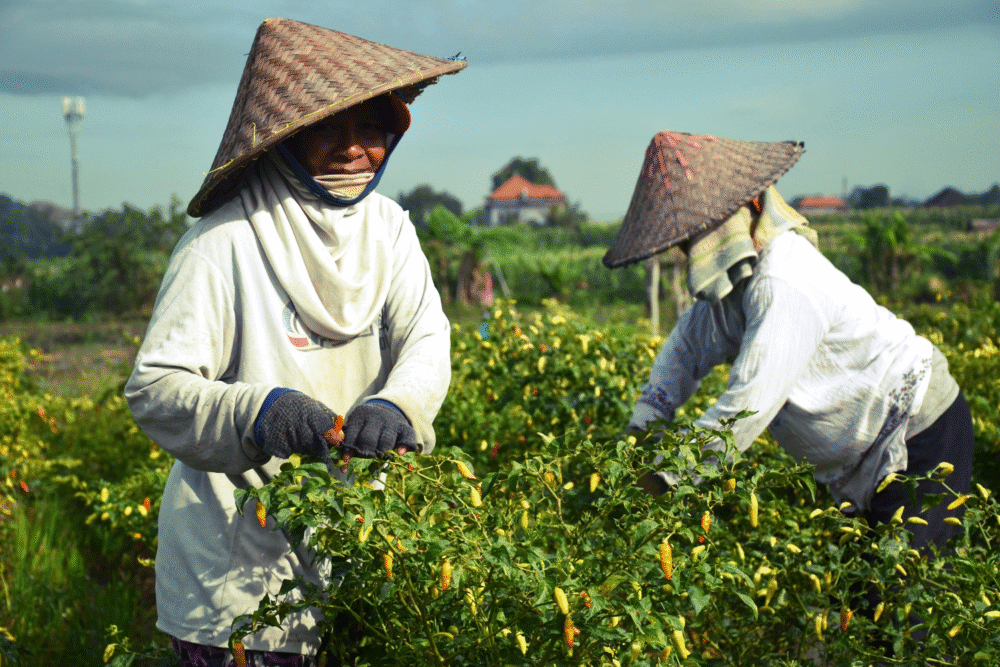
Agricultural workers perform planting, tending and harvesting based on seasonal cues and water availability that climate changes can scramble. Unpredictable rainfall, shifting pest ranges and extreme weather events increase the likelihood of crop failures and make yields more volatile. Small farms and laborers are especially exposed because margins are thin and adaptive technologies like drought resistant seeds or irrigation systems can be costly and slow to adopt, which in turn affects seasonal hiring and long term employment stability across rural communities.
As a result many workers may face inconsistent work and communities can see reduced food security and local economies stressed. A practical idea is to track soil moisture and weather projections and consider upskilling in irrigation management or greenhouse techniques. Explore training programs in sustainable agriculture and cooperative marketing to spread risk and improve resilience.
3. Forestry Workers Threatened by Increased Wildfire Frequency and Intensity.

Forestry workers manage forests, harvest timber and respond to pest outbreaks and fires, but rising temperatures and drought increase the frequency and intensity of wildfires and insect infestations. Longer fire seasons and more severe burns reduce timber availability, increase closures and change silviculture practices. Sawmills and logging operations may see supply disruptions, and workers face more transient employment as salvage logging and post‑fire projects replace stable harvest cycles.
Consequences for workers include job loss or dangerous redeployments and community economic hits tied to timber. A practical checklist item is to learn wildfire mitigation skills such as fuel management and post‑fire erosion control, which are increasingly in demand. Follow local evacuation guidance and wildfire safety protocols and consult qualified professionals for site specific advice when needed.
4. Outdoor Construction Laborers Exposed to Extreme Heat Hazards Daily.

Outdoor construction laborers perform physically demanding tasks that depend on usable work hours and safe conditions, but extreme heat events reduce productivity and heighten heat illness risk. Heat stress forces altered schedules, increased breaks and additional water and shade provisions, while materials like asphalt and concrete behave differently in higher temperatures. Employers and crews must balance timelines, costs and worker safety, leading to slower projects or automation of some tasks that can be done remotely or by machines in controlled environments.
Workers may face fewer hours, seasonal shifts or increased mechanization as a consequence. A smart strategy is to follow a heat prevention checklist such as acclimatizing new workers, scheduling heavy labor for cooler hours and maintaining hydration stations and shaded rest breaks. Adhere to employer safety protocols and seek medical advice if heat symptoms occur.
5. Ski Instructors Confronting Shorter Winters and Reduced Snowfall Levels.
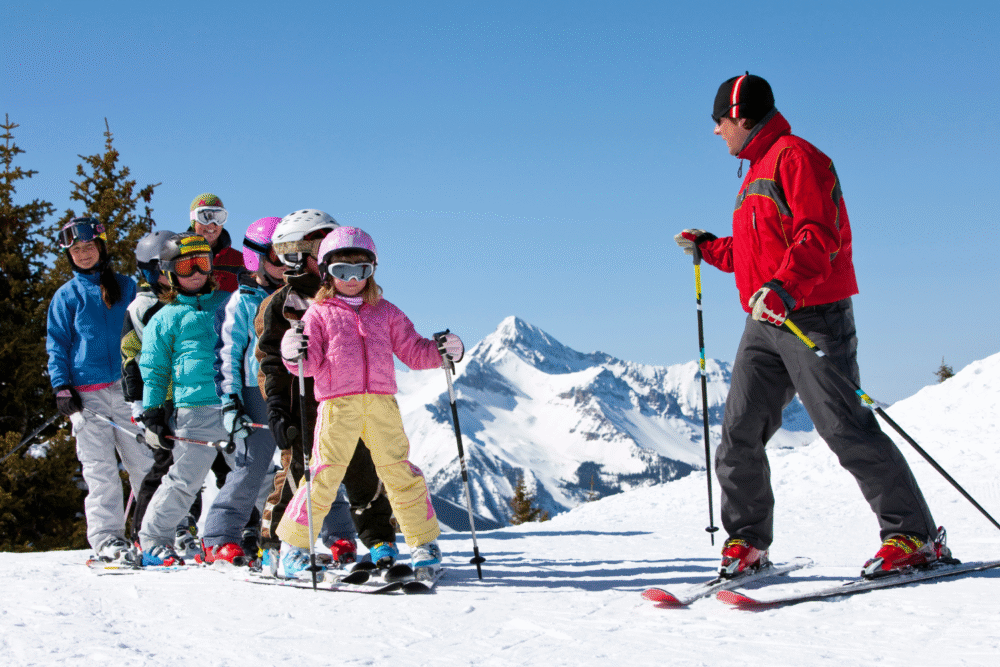
Ski instructors teach technique and safety on slopes that depend on consistent snowfall and stable temperatures to maintain trails and lifts. Shorter winters and reduced snowpack shrink training windows, force resorts to rely more on artificial snow and push many operations to higher elevations or indoor facilities. That can reduce beginner terrain, lesson availability and seasonal hiring, while increasing competition for the remaining work and encouraging a shift toward year round mountain training or other outdoor sports instruction.
In practical terms some instructors will see fewer days and compressed seasons that affect income and career paths. One useful step is to gain additional certifications such as avalanche safety, mountain guiding or summer adventure sports instruction to broaden employability. Check snowpack reports and resort staffing trends when planning seasonal work and consult mountain safety professionals as needed.
6. Commercial Airline Pilots Experiencing Disrupted Flight Patterns and Routes.

Commercial airline pilots manage flights on routes and schedules shaped by weather, airspace constraints and airline economics, but climate change alters atmospheric patterns and increases extreme weather events. Shifts in prevailing winds and more frequent storms can change optimal flight routes, increase turbulence, lengthen fuel burn and complicate scheduling. Airports in vulnerable regions may face closures more often, and airlines might adjust networks and capacities to mitigate risk, which can reduce demand for pilots on particular sectors or encourage rerouting and newer fuel efficient aircraft.
Passengers and crews experience more disruptions and airlines may restructure staffing and route networks. A practical tip for pilots is to develop cross type ratings or expand qualifications to include cargo operations or roles in sustainable aviation initiatives as a hedge. Stay current with airline operational notices and consider additional training in meteorology and long range operations.
7. Energy Plant Workers Impacted by Shifts Away from Fossil Fuels.

Energy plant workers operate facilities that produce electricity and heat, with many jobs tied to fossil fuel extraction and thermal power generation. Policy shifts toward renewables, falling costs of solar and wind and increasing carbon limits change investment patterns and can retire older plants. As utilities modernize grids and add distributed energy resources, the skills required shift toward digital control systems, battery storage and renewables maintenance, altering hiring patterns and creating different safety and regulatory demands for the workforce.
For affected workers the impact may be job displacement or the need to retrain for new technologies within the energy sector. One practical idea is to pursue certifications in grid integration, renewable maintenance or power electronics to remain employable. When considering transitions consult workplace retraining programs and occupational safety professionals for role specific guidance.
8. Tour Guides in Vulnerable Ecosystems Losing Tourism from Environmental Changes.

Tour guides in vulnerable ecosystems introduce visitors to natural attractions such as coral reefs, mangroves and wildlife habitats that are sensitive to climate stressors. As ecosystems degrade through warming, acidification, sea level rise and habitat loss, attractions can change or disappear, reducing visitor numbers and undermining seasonal incomes. Guides also face increased pressure to educate visitors about conservation and to pivot toward sustainable tourism practices, which may require new skills in interpretation, safety and alternative tour design.
Local communities may experience fewer tourists and less revenue while needing to invest in conservation. One practical step is to develop a portfolio of lower impact offerings such as cultural, historical or restoration‑based experiences and promote sustainable travel practices. Stay informed about ecosystem health reports and collaborate with conservation groups to adapt offerings.
9. Urban Delivery Drivers Facing More Traffic and Changing Infrastructure Needs.

Urban delivery drivers move goods through city streets that are increasingly affected by extreme weather, flooding and shifting infrastructure priorities for active transport and low emission zones. Rising congestion from climate driven disruptions, altered traffic patterns and restrictions on certain vehicles in urban cores can lengthen routes, increase fuel costs and reduce efficiency. The growth of electric delivery vehicles and automated systems also changes required skills, while more frequent road damage and detours increase maintenance burdens and unpredictability for scheduling.
For drivers the changes mean longer trips, potential income instability and the need to adapt to new vehicle technologies and routing software. A practical checklist item is to learn electric vehicle charging practices and route optimization tools and keep emergency kits for weather delays. Monitor local infrastructure plans and consider training in logistics technology to stay competitive.
10. Insurance Adjusters Dealing with Increasing Natural Disaster Claims Volumes.

Insurance adjusters assess damage and process claims after natural disasters, but climate change is increasing the frequency, scale and complexity of events they manage. Higher claim volumes strain resources, slow payouts and raise reinsurance costs, which can lead to tighter underwriting and changes in policy availability. Adjusters must balance rapid response with thorough documentation and face more complicated scenarios such as concurrent events, supply chain delays and disputes over coverage scope, requiring updated skills in catastrophe modeling and customer communication.
Consequently policyholders may see slower settlements and altered coverage landscapes and adjusters may face heavier workloads or shifting employment patterns. One practical guideline is to maintain detailed inventory documentation and photo records as a preparedness step, and consider training in catastrophe claims handling and digital documentation tools. For personal policy questions consult a licensed insurance professional.
11. Marine Transportation Operators Confronting Rising Sea Levels and Storms.

Marine transportation operators move cargo and people along waterways that are being altered by rising sea levels, stronger storms and changing currents. Port infrastructure can be flooded or require costly upgrades, shipping lanes may shift and smaller vessels face greater risk from extreme weather. Operators must contend with more frequent route alterations, extended downtime for repairs and investment uncertainty as stakeholders weigh adaptation options such as raised docks, revised loading schedules and resilient navigation systems.
These changes can increase operating costs, reroute trade flows and threaten jobs tied to particular ports or passages. A practical rule of thumb is to incorporate weather and sea level risk assessments into route planning and to diversify ports of call where possible. Follow maritime safety advisories and consult qualified navigational authorities for voyage specific decisions.