
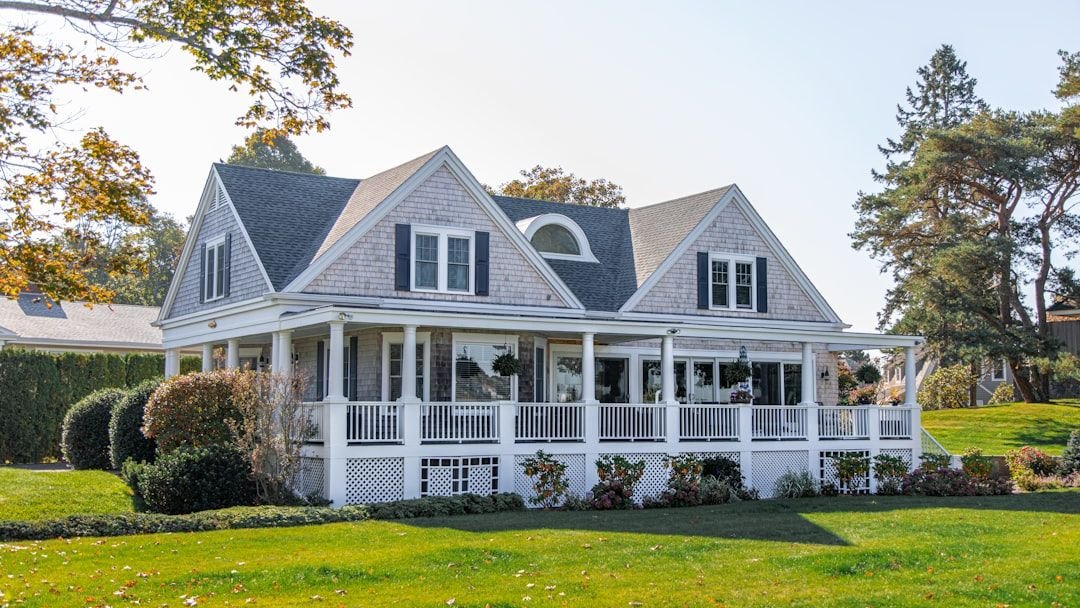
It’s one of the most talked-about standoffs in modern American life. Millions of large family homes sit occupied by one or two people, kids long gone, while younger families scramble for any available property at prices that feel almost cruel. The numbers are striking. The frustration is real. So what’s actually going on?
Boomers aren’t just being stubborn. The reasons they’re holding tight to those four-bedroom houses are layered, personal, and in many cases, surprisingly rational. From financial lock-ins to deep emotional roots, it’s a story that goes far beyond stubbornness or generational selfishness. Let’s dive in.
1. They Literally Own Their Homes Free and Clear
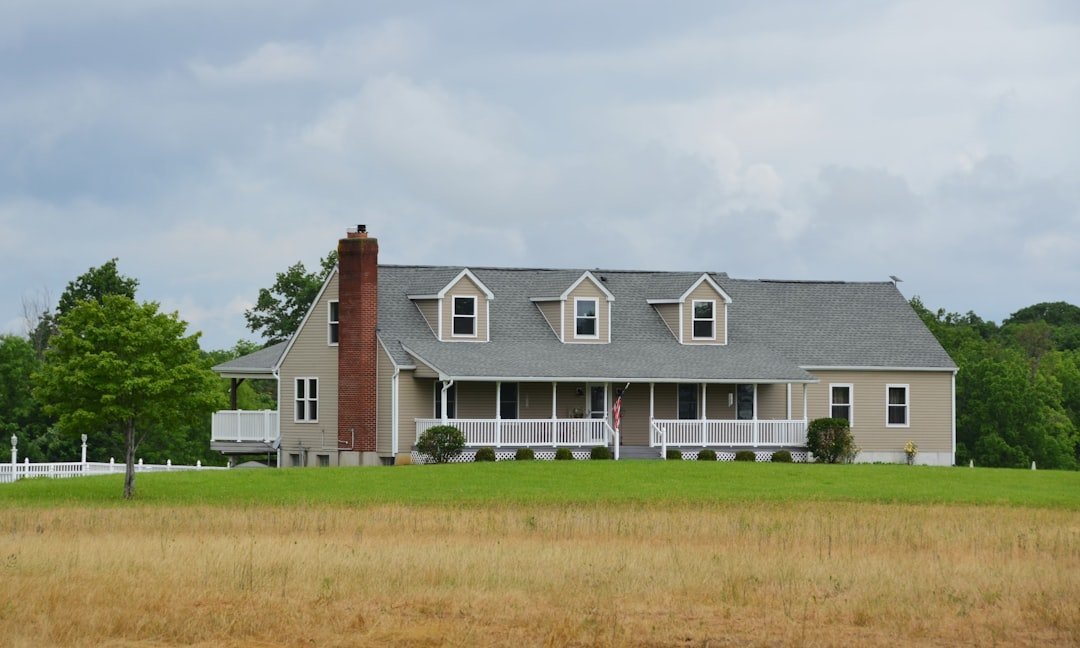
Here’s the thing about financial freedom – once you have it, you don’t give it up lightly. Roughly half of boomers own their homes outright and no longer need to pay a mortgage, according to Redfin. For someone in that position, staying put isn’t just comfortable. It’s financially genius.
For those who own their home outright, the median monthly cost of owning – including insurance and property taxes – is just $612, according to Redfin. Logically, empty nesters are the most likely group to sell big homes and downsize. Yet the math simply doesn’t support moving. Why trade a nearly free roof over your head for a new mortgage in today’s market?
2. The Mortgage Rate Lock-In Effect Is Real
Think of it like this: imagine you’re paying roughly two dollars per gallon for gas while the pump next door charges seven. Would you switch? That’s essentially what boomers face when they consider selling. The lock-in effect could well deter boomers from moving, as it has for many homeowners in recent years. After all, owners locked in at low mortgage rates are unlikely to want to trade up for a rate in the 6.6% to 8% range.
In our current environment, where mortgage rates skyrocketed from historic lows throughout the pandemic to a more than two-decade high in October 2023, being mortgage-free is like hitting the mother lode. It’s partly why boomers aren’t moving – because why give up no mortgage rate, or a substantially lower one, for one that’s in the 6% to 7% range, plus a higher monthly payment? Honestly, it’s hard to argue with that logic.
3. They Simply Cannot Afford to Downsize
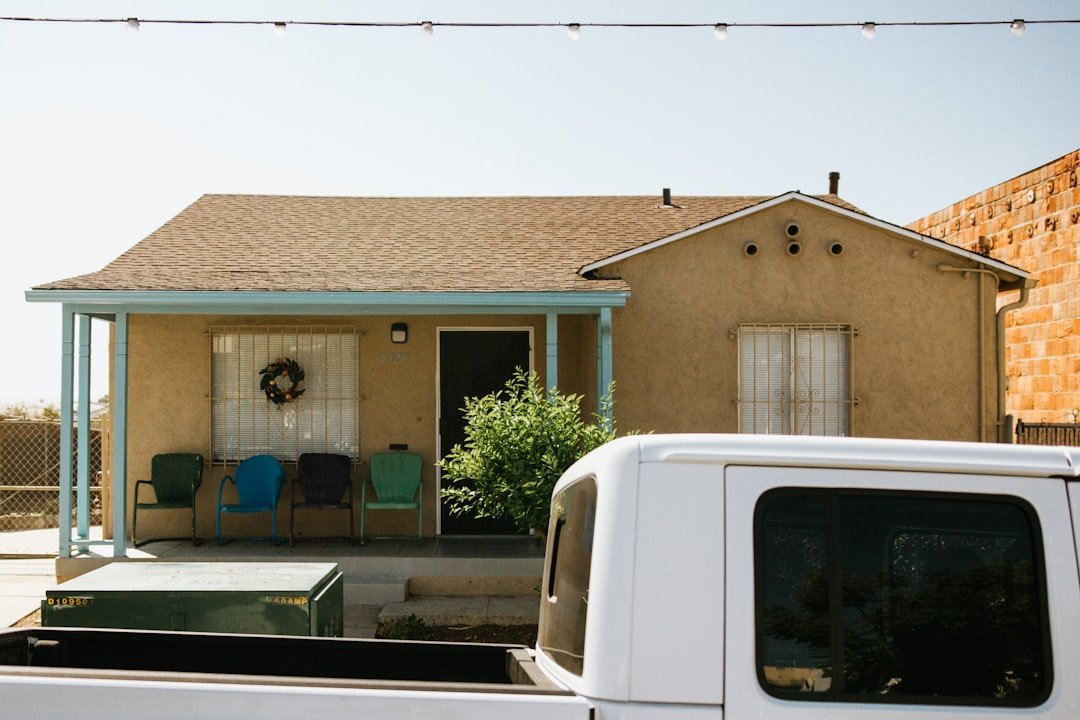
People assume boomers are sitting on so much wealth they could buy anything they want. Reality is more complicated. The number who say they couldn’t afford a new home has grown five points, from roughly a quarter in 2024 to nearly a third in 2025. Smaller doesn’t always mean cheaper, especially in desirable neighborhoods.
Even if they sold, where would they go? There is a shortage of smaller homes in those same neighborhoods. High interest rates, steep prices, and tight inventory levels make it a less than ideal time to sell and buy something smaller. Many boomers find it more economical to stay put rather than compete with younger buyers for smaller homes priced similarly to their current residences.
4. The Strong Desire to Age in Place
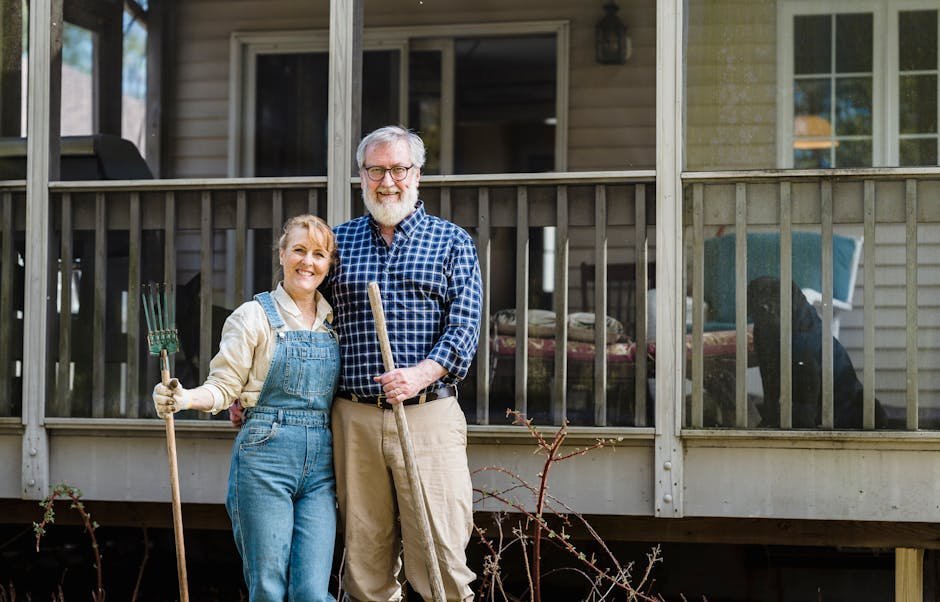
The desire to stay home isn’t new. What’s new is just how strong and widespread it’s become. Roughly three quarters of American adults aged 50 and older say they wish to stay in their current homes as they age, according to December 2024 data from the AARP. That number has been consistent for years and shows no real sign of softening.
Baby boomers are increasingly committed to aging in place, with more than three fifths never planning to sell their homes. This trend could significantly affect housing market dynamics, as boomers hold onto properties longer, potentially limiting options for younger generations seeking homeownership. For boomers themselves, staying home is not reluctance – it’s a deliberate, deeply held preference backed by years of familiarity and comfort.
5. Emotional Attachment That Goes Bone-Deep

Numbers can explain a lot. But they can’t fully explain the pull of a home where your children took their first steps, where you hosted decades of Thanksgivings, where every wall holds a memory. The vast majority, roughly two thirds, of homeowners aged 55 and older say they’re emotionally attached to their homes, with more than half having lived there for over 15 years.
For roughly a third of 55 and older sellers, closing the deal meant saying goodbye to a home with many memories, and more than a fifth cited emotional ties among the top factors that influenced their selling decisions. Nearly one in four say they won’t move because of their emotional attachment to their home, while one in five don’t want to give up community ties and friendships. That’s not irrational. That’s human.
6. Their Home Is Their Identity and Financial Security
For many boomers, owning a home isn’t just about having a place to live. It is, in a very real sense, who they are. Nearly nine in ten boomers believe buying a home is almost always a good decision and roughly four fifths say it represents financial security. More than four in ten consider not owning a home a sign of failure.
Boomers who own a home tend to be quite happy with the experience, with more than three quarters saying it’s the primary reason they’re financially secure. Meanwhile, well over half believe owning a home has given them stability, and roughly a third credit their home with allowing them to stay close to family. Letting go of that home, then, feels like letting go of much more than just a building.
7. The Enormous Wealth Tied Up in Home Equity
Let’s be real – boomers are sitting on a jaw-dropping amount of real estate wealth, and they know it. Data from the Federal Reserve shows that total real estate wealth in the fourth quarter of 2023 was nearly $45 trillion, and boomers claimed an impressive $18.65 trillion – roughly two fifths – of that value. That’s an almost incomprehensible number.
More than two thirds of boomer homeowners expect to make $100,000 or more in profit if they sold their homes today. Nearly one in eight think they’d clear half a million dollars in profit or more. Properties that were bought decades ago have now appreciated in value exponentially. This significant increase in home equity is a comfort pad that many boomers aren’t ready to give up just yet. Watching your biggest asset grow tends to make you want to keep it.
8. Retrofitting and Renovating Instead of Leaving
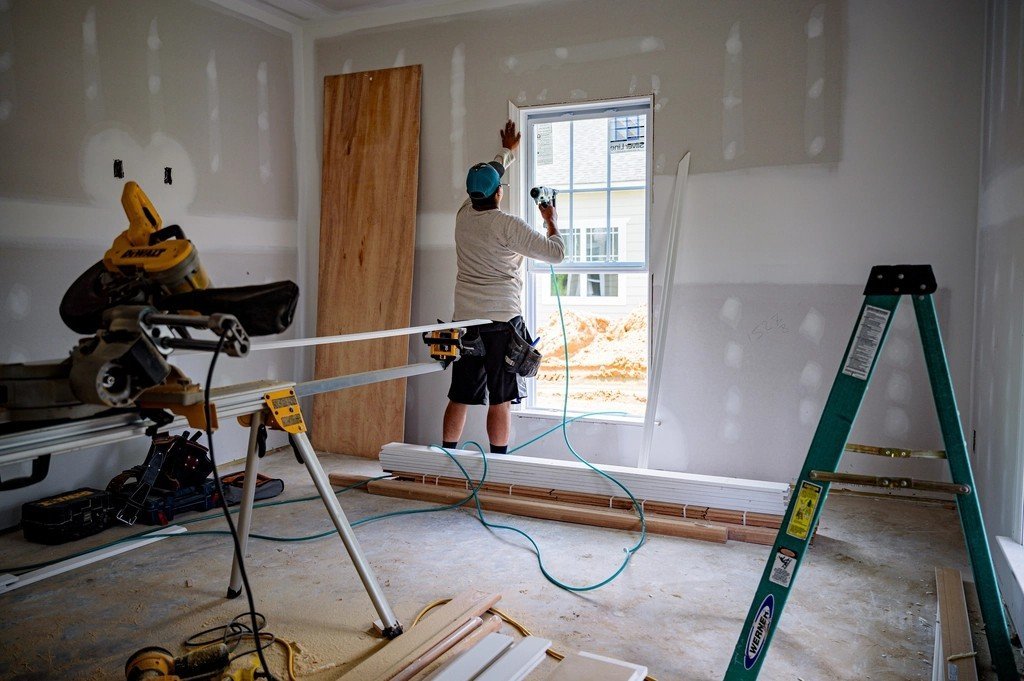
Rather than moving out, many boomers are moving forward by redesigning their existing homes to work for the long haul. Many baby boomer homeowners are opting to upgrade their current homes for the long haul rather than deal with higher mortgage rates. Baby boomers lead renovation activity across all generations, according to the 2024 Houzz and Home Study.
There is a growing trend toward universal design elements in kitchens and bathrooms specifically as homeowners ready their homes to age in place. Changes include wheelchair-accessible pathways, additional lighting, pull-out cabinets, rounded countertops, non-slip flooring, and grab bars. Fully ninety-three percent of boomers note aging-in-place as an important goal, and by 2025, one third of all home improvements will be made by homeowners 65 and older. It is far cheaper to modify a paid-off home than to buy a new one.
9. Community Ties and Deep Social Roots
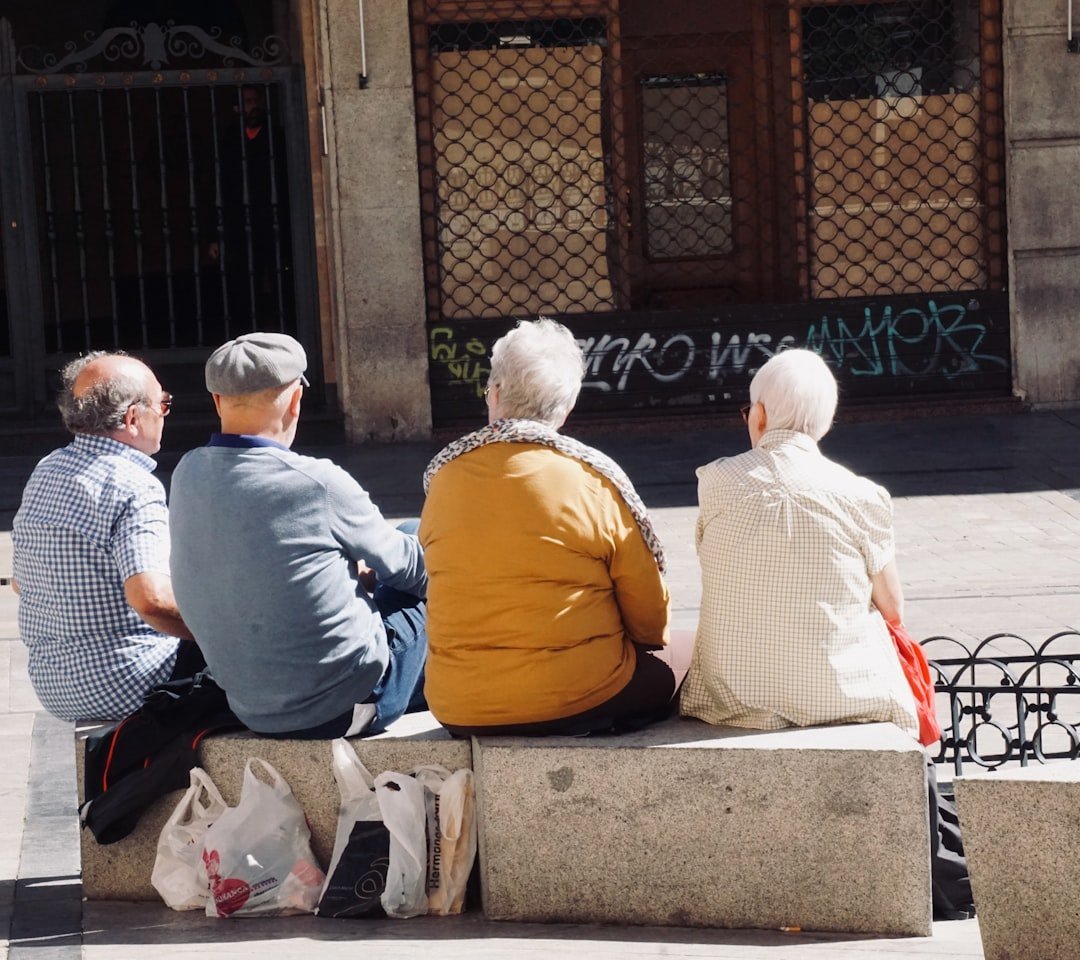
After 20, 30, sometimes 40 years in the same neighborhood, boomers haven’t just built a home. They’ve built a world. Neighbors who become friends. Doctors nearby. Churches, clubs, restaurants that feel like extensions of the living room. Moving away from all of that is not a simple transaction. It’s a kind of grief.
Building and maintaining those social ties gives baby boomers one more reason to stay put. A 2024 survey conducted by Redfin found that roughly four fifths of Americans over the age of 60 want to remain in their current home. This decision, driven by factors such as comfort, community ties, and financial stability, is contributing to a significant decrease in housing inventory available for first-time buyers. The social fabric of a long-established life is simply not replaceable overnight.
10. The Shortage of Suitable Retirement and Smaller Homes
It’s worth pointing out something that often gets lost in the generational debate: boomers who actually want to move face their own serious obstacles. There simply aren’t enough places to go. The availability of senior housing is not keeping up with demand. For every 27 senior housing units currently occupied, only 10 new ones are being built.
There’s a housing crisis for baby boomers who try to move, with a shortage of retirement homes. Even when smaller homes are available, they may be prohibitively expensive, particularly in urban centers or popular retirement communities. Boomers often face stiff competition from both younger buyers and investors, which can drive up prices and limit options in the market. In other words, even willing boomers find themselves stuck – not just by choice, but by supply.
11. The Intention to Leave Homes as an Inheritance

For a notable portion of boomers, the decision to hold the home isn’t just about living in it. It’s about what happens after. Among the factors cited by boomers for not selling, roughly a third are planning to leave homes as inheritances. The home becomes less a personal residence and more a long-term gift to the next generation.
Baby boomers and the silent generation will bequeath a total of $84.4 trillion in assets through to 2045, with $72.6 trillion going directly to heirs. The transfer of wealth from baby boomers will account for $53 trillion, or nearly two thirds of all transfers. In the next decade, an estimated $68 trillion in wealth will change hands from older generations to younger ones, with 50 to 60 percent of these estates including a home. Whatever younger generations may feel about waiting, the transfer is coming – just on the boomers’ timetable, not anyone else’s.
The Bigger Picture
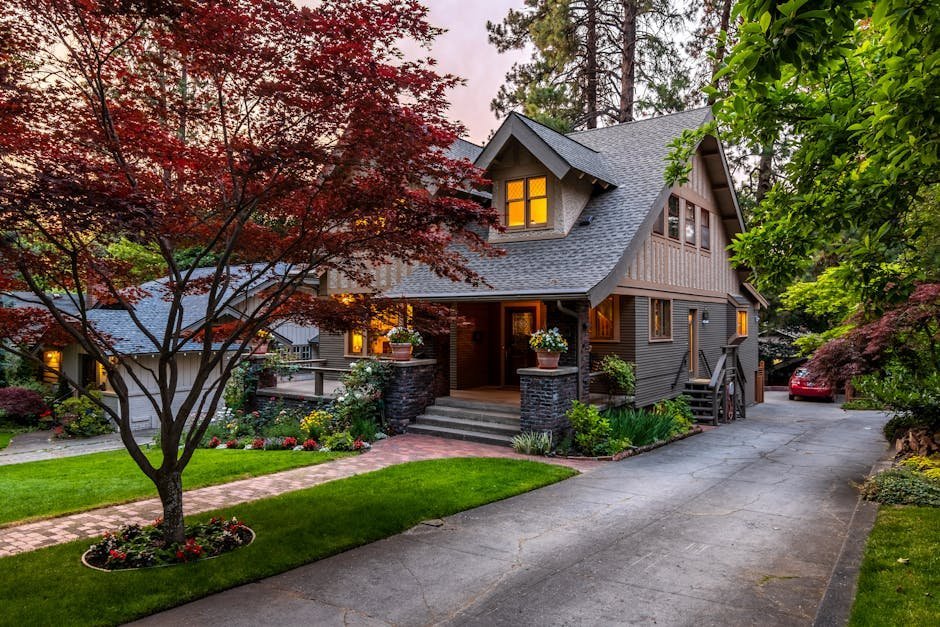
The boomer hold on America’s large homes is not simply a generational personality trait. It is driven by cold financial logic, deep personal history, a shortage of real alternatives, and an identity built over decades around homeownership. Just about one in ten boomers plans to sell within the next five years, down from roughly one in seven in 2024, meaning the vast majority of boomer-owned homes won’t hit the market until the 2030s.
Baby boomers, who were between the ages of 60 and 78 in 2024, account for only a fifth of the population but make up more than 37% of homeowners nationwide. That disproportionate grip on the housing supply is the core tension in the American housing market right now, and it isn’t resolving anytime soon. Baby boomers are staying in their homes longer. They’re wealthier. They’re healthier. They’re able to stay in place longer than generations past.
Understanding why boomers are staying is the first step toward realistic solutions. Blaming them is easy. Building more homes, creating better retirement housing options, and designing smarter policies is the harder and more necessary work. What do you think should change first? Tell us in the comments.