
The golden age of streaming is over, but your budget can still win.

In the not-so-distant past, the streaming revolution felt like a consumer paradise, a glorious unbundling of cable’s tyranny that promised endless entertainment for a few dollars a month. That utopian dream has slowly curdled into a fragmented, expensive, and confusing landscape of countless services, each with its own must-watch show and its own relentless monthly charge.
The result is a digital death by a thousand cuts, a subscription fatigue that has left many viewers paying cable-sized bills for a labyrinth of apps. But reclaiming control of your entertainment budget doesn’t mean you have to give up your favorite shows; it just requires a savvier, more strategic approach to the game.
1. You need to rotate your subscriptions instead of hoarding them.

The biggest mistake most people make is treating streaming services like permanent utilities. You don’t need to subscribe to Netflix, Hulu, Max, and Disney+ all at the same time, all year long. The most powerful strategy is to become a streaming rotator. Subscribe to one service, binge-watch the specific show you want to see, and then cancel it immediately. The next month, you can hop over to another service.
This “churn” method puts you in complete control. You only pay for what you are actively watching, preventing multiple services from billing you simultaneously for content you aren’t even touching. It requires a bit of planning, but this simple habit can easily cut your annual streaming bill in half without you missing a single must-see series.
2. It is time to embrace ad-supported streaming tiers.

The reflexive cringe at the thought of watching commercials is a holdover from the old days of bloated cable ad breaks. Today’s ad-supported streaming tiers are a far more civilized and financially prudent option. For a discount of several dollars per month, you can get access to the exact same content library as the ad-free plan, with only a few minutes of ads per hour of viewing.
For many services, the savings from switching to an ad-supported plan can add up to $50-$100 per year, per service. When you multiply that across several subscriptions, the total becomes substantial. It’s a small trade-off of your time for a significant and immediate reduction in your monthly expenses.
3. You can save money with annual plans for your core services.

While rotating subscriptions is great for most services, you likely have one or two platforms that you use consistently throughout the year. For these core, can’t-live-without-it services, paying for an annual subscription upfront is almost always a smart financial move. Most companies offer a significant discount for an annual commitment, often giving you 12 months of service for the price of 10.
This requires a larger one-time payment, but the math works out in your favor, locking in a lower effective monthly rate for the services you know you’ll keep. It also simplifies your budgeting with a single yearly charge instead of another recurring monthly bill that you have to track.
4. You should check for freebies from your mobile carrier.

Before you pay for another streaming service, check the perks offered by your mobile phone or internet provider. Companies like Verizon, T-Mobile, and AT&T often bundle subscriptions to popular streaming services like Netflix, Max, or Disney+ for free as part of their higher-tier wireless plans. It’s a common but often overlooked benefit that could save you from paying for a service you are already entitled to.
Take a few minutes to log into your account or call your provider to see what entertainment perks are included with your plan. You might be pleasantly surprised to find you can get one of your favorite services at no extra cost, freeing up that money in your budget.
5. You can share accounts, but you have to follow the rules.

Sharing streaming account passwords with friends and family has been a common cost-saving tactic for years, but services are cracking down with new household-based restrictions. However, sharing within the official rules is still possible and encouraged. Many platforms allow you to pay a few extra dollars to add a member who lives outside your primary household, which is still cheaper than two separate subscriptions.
Other services, like Max, still have more lenient approaches to simultaneous streams from different locations. The key is to read the terms of service for each platform and use their approved features for sharing. This allows you to split the cost legitimately without running afoul of the new restrictions.
6. You must audit your subscriptions on a regular basis.

The “subscribe and forget” phenomenon is a huge profit center for streaming companies. It’s incredibly easy to sign up for a service to watch one thing and then completely forget that the recurring charge is hitting your credit card every month. To combat this, you need to schedule a ruthless subscription audit at least once every three months.
Go through your bank and credit card statements and make a list of every single service you are paying for. Ask yourself if you’ve used it in the last month and if you have concrete plans to use it in the next one. If the answer is no, cancel it immediately. This simple act of financial hygiene plugs leaks and keeps your entertainment spending intentional.
7. You can get a ton of content from free streaming services.

While the subscription giants get all the attention, there is a thriving ecosystem of completely free, ad-supported streaming services that offer a surprising amount of quality content. Platforms like Tubi, Pluto TV, and Amazon’s Freevee have massive libraries of movies and classic TV shows that you can watch without paying a dime. The selection can be vast and often includes hidden gems.
Integrating these free services into your viewing rotation can help you stretch the time between paid subscriptions. You can fill your entertainment hours with free content for a month or two, saving money while you wait for the next season of your favorite paid show to drop.
8. Your public library card is a secret streaming weapon.

Your local public library offers more than just physical books; it’s a gateway to a wealth of free digital content, including streaming video. Many library systems provide free access to services like Kanopy and Hoopla, which boast impressive collections of classic films, critically acclaimed documentaries, and independent cinema that you often won’t find on the major paid platforms.
All you need is your library card to sign up and start streaming. It’s a completely free and often underutilized resource that can supplement your paid subscriptions with high-quality, thought-provoking content. It’s one of the best deals in entertainment.
9. You need to hunt for student and other special discounts.

Never assume you have to pay the full sticker price for a streaming service. If you are a student, you may be eligible for significant discounts. Spotify, for example, famously bundles access to Hulu and Showtime for students at a massively reduced price. Many other services have similar programs that are worth looking into.
Beyond student discounts, some companies offer lower rates for educators, military members, or seniors. It’s always worth taking a few minutes to search for special pricing or promotional offers before you sign up for a new service. A little bit of research can often uncover a deal that locks in a lower rate.
10. You can pay with a credit card that offers streaming credits.

Certain credit cards, particularly those in the premium category, offer statement credits specifically for spending on streaming services. For example, a card might offer a monthly credit that covers the cost of the Disney+ bundle or gives you a certain amount back for any streaming charge. This is a way to get your subscriptions for “free” by leveraging a card you may already have.
Review the benefits of your current credit cards to see if any of them offer these kinds of perks. If you spend a significant amount on streaming each month, it might even be worth considering a card that has these credits built-in, as they can easily offset the card’s annual fee.
11. An over-the-air antenna is a powerful free tool.
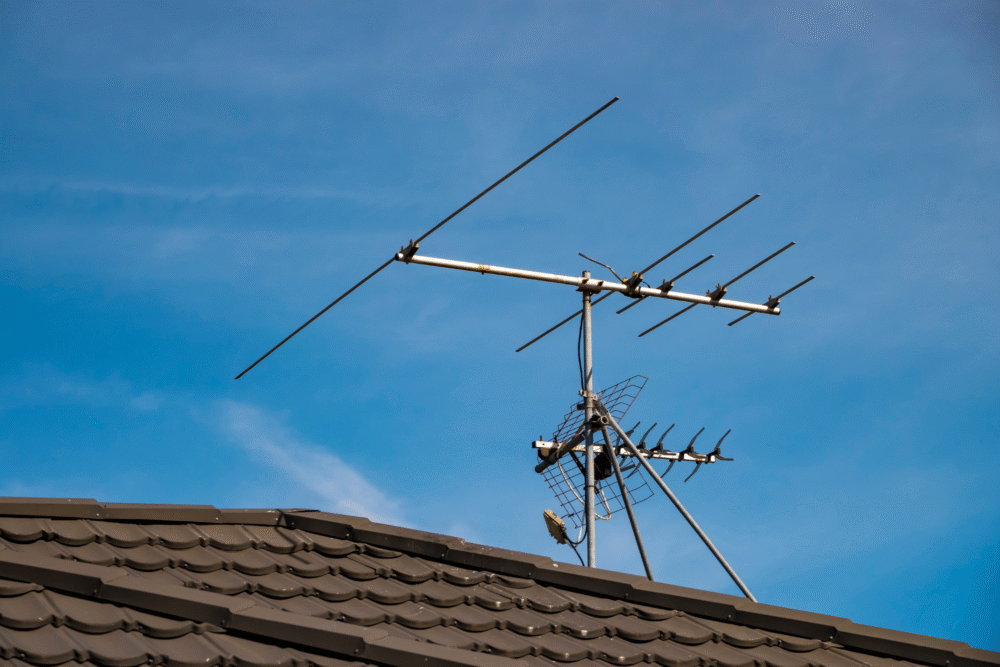
In the rush to embrace streaming, many people have forgotten about the oldest form of “cord-cutting” technology: the humble broadcast antenna. A modern, high-definition digital antenna can pull in your local broadcast channels—like ABC, CBS, NBC, and Fox—for free, in crystal-clear HD. This gives you access to live sports, local news, and major network shows without any monthly fee.
An antenna is a one-time purchase, often for less than $50, that provides a permanent source of free live TV. It’s the perfect complement to your paid streaming services, filling a major content gap for a minimal one-time investment.