
Economic vulnerability varies by state due to industry dependence and fiscal health factors.

Economic downturns rarely affect all states equally, as local economies differ greatly in structure and resilience. Several states show heightened vulnerability due to concentration in volatile industries like oil, coal, or tourism, combined with factors such as high unemployment and limited fiscal flexibility. Understanding these risks requires examining economic diversification, labor markets, and state fiscal policies to identify where downturns may hit hardest and why government responses matter.
1. West Virginia has a long history of economic challenges and limited diversification.
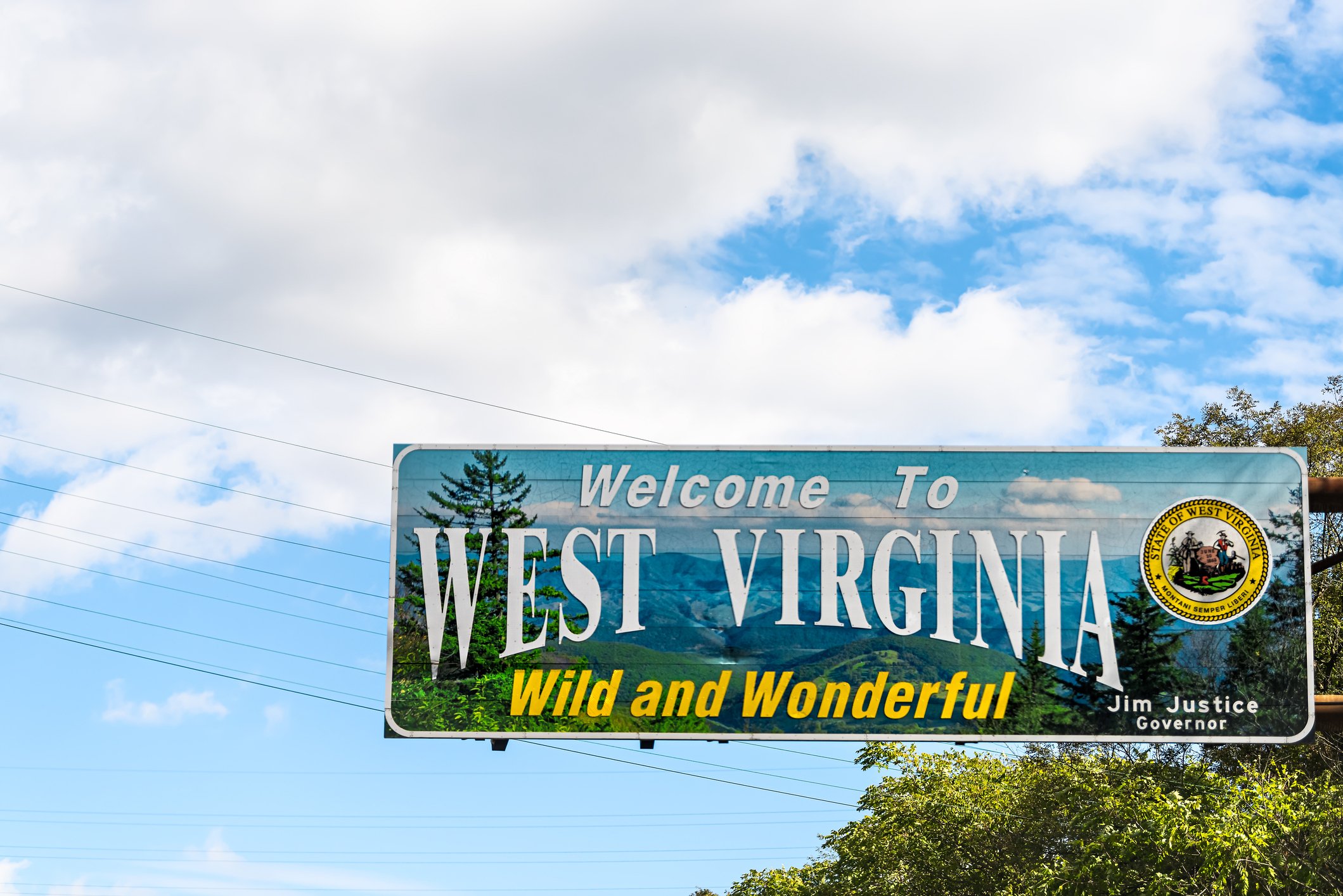
West Virginia’s economic landscape has long been marked by a reliance on coal and related industries, creating a narrow economic base. This lack of diversification can make the state more susceptible to any downturns, as shifts in energy demands can deeply impact employment.
In tough economic times, states with broader economic portfolios may fare better, but West Virginia’s reliance on a single industry heightens its risk. Efforts to boost other sectors like tourism or tech haven’t yet shifted the underlying economic structure significantly.
2. Alaska’s reliance on natural resources makes it sensitive to market fluctuations.
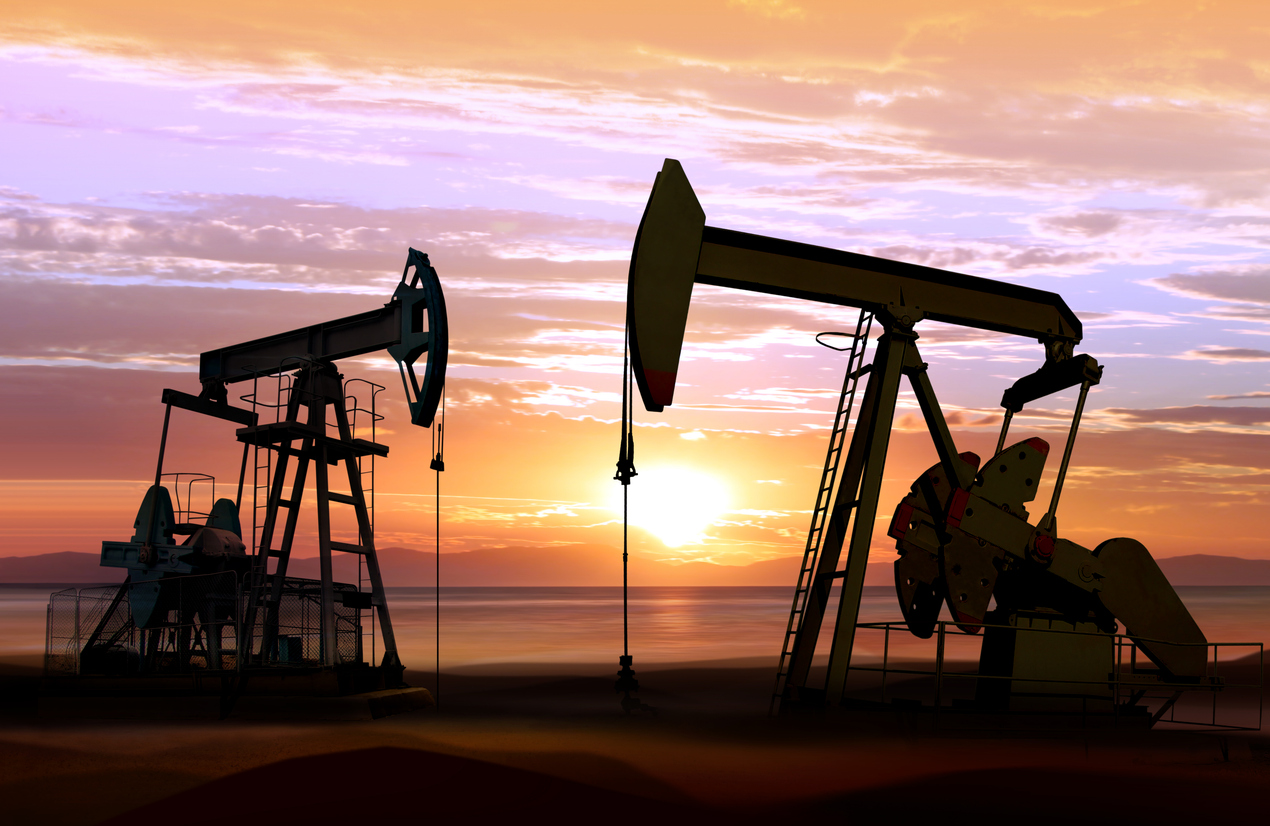
Alaska’s economy leans heavily on the oil and natural gas industries, making it particularly sensitive to global market fluctuations. When commodity prices drop, the state feels the impact sharply, influencing employment and state revenues.
Such dependency on natural resources confines Alaska’s economic resilience. Efforts to diversify, though ongoing, face challenges due to geographical and logistical factors that limit broader economic development.
3. Louisiana faces economic volatility due to dependence on oil and gas sectors.

Louisiana’s economy often sways with the oil and gas sectors, which contribute significantly to its revenues and employment. Changes in global oil prices ripple through the state’s economy, affecting fiscal stability and job security.
Its dependence on such volatile industries means economic downturns can hit harder. While there are initiatives to diversify, the deep roots of oil and gas remain a challenging factor to address.
4. Mississippi struggles with high poverty rates and limited job opportunities.
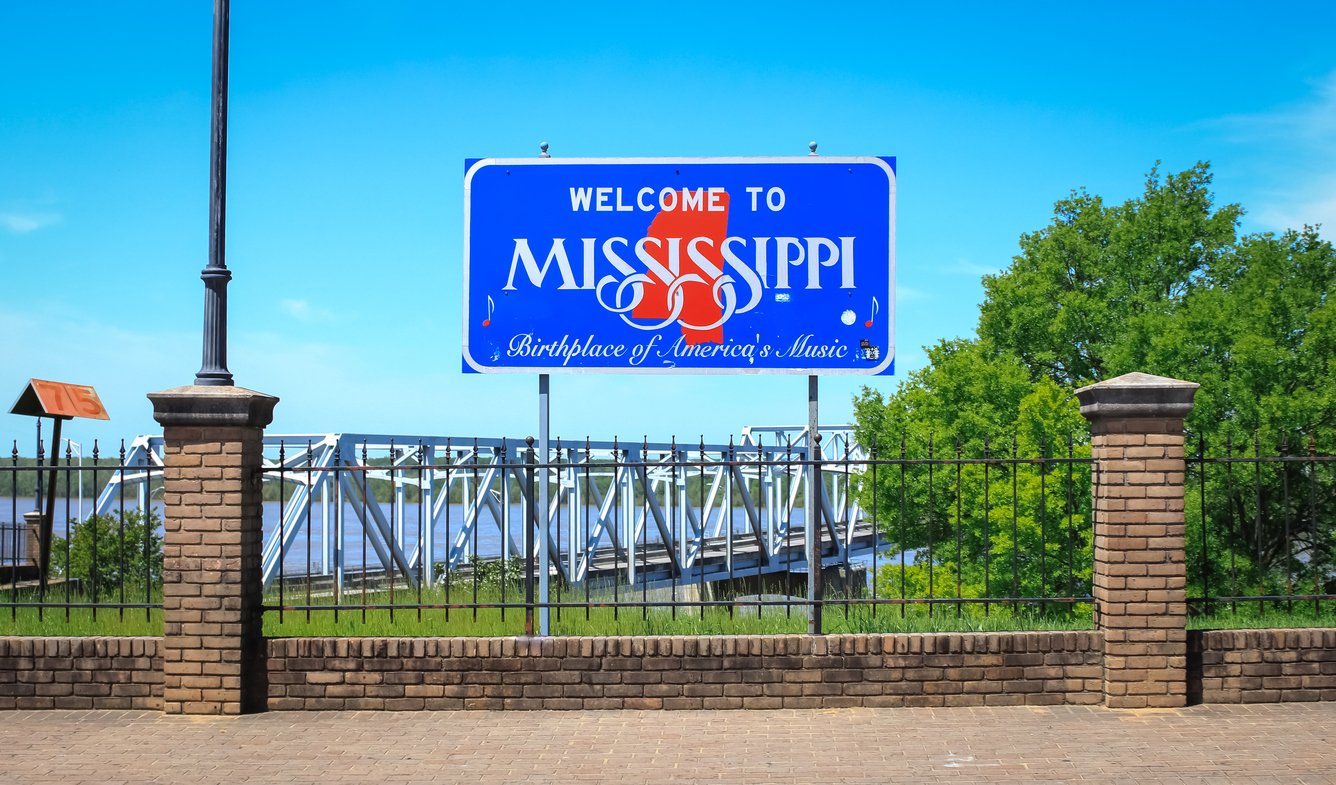
Mississippi frequently struggles with economic growth due to high poverty rates and limited job prospects. The state’s economic framework heavily relies on agriculture and low-wage manufacturing, offering little resilience against broader downturns.
High unemployment remains a persistent issue, illustrating deep-seated economic vulnerabilities. These factors underscore a need for diversified growth avenues and more robust educational opportunities to cushion against economic shifts.
5. Kentucky experiences challenges tied to declining manufacturing and coal industries.

Kentucky faces unique challenges due to its dependence on manufacturing and coal industries. As coal declines, communities reliant on mining find themselves grappling with economic instability, while manufacturing shifts impact employment dynamics.
The state’s ability to adapt is linked to attracting new industries. Despite efforts in tech and services, creating a more balanced economy remains crucial for long-term resilience amid economic shifts.
6. New Mexico’s economy is vulnerable due to dependence on federal spending.
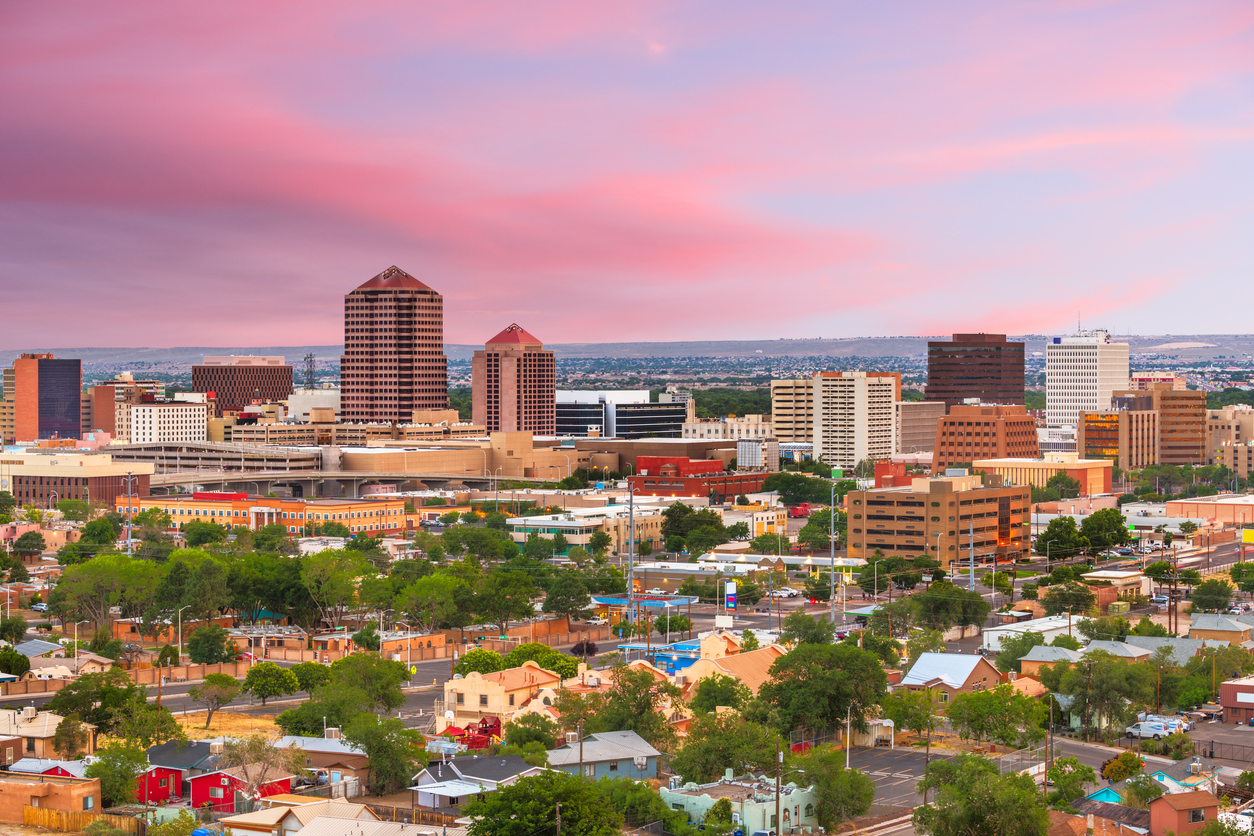
New Mexico’s reliance on federal spending forms a significant part of its economic structure. Shifts in federal budgets can translate quickly into local economic effects, impacting various sectors particularly linked to government contracts.
This dependency creates economic uncertainty, especially during budgetary cuts. Efforts to balance with other sectors have yet to erase the state’s vulnerability tied to national fiscal trends and policy changes.
7. Arkansas contends with a smaller, less diversified economic base than many states.

Arkansas contends with a smaller, less diversified economic setup compared to many others. Its economy primarily revolves around agriculture and some manufacturing, offering limited buffer during national economic downturns.
These concentrated sectors face risks from price volatility and global competition. Seeking growth in tech and services has started, but the state’s economic base remains less varied and more susceptible to downturns.
8. South Carolina is impacted by shifts in manufacturing and international trade conditions.
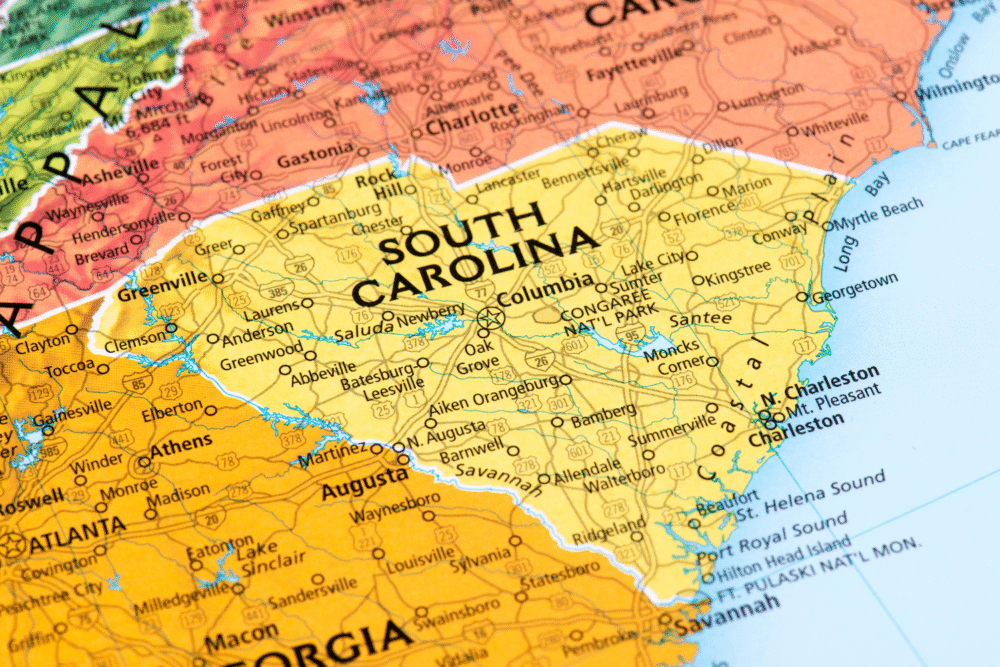
South Carolina’s economy is closely tied to manufacturing and international trade, linking its fortunes to global economic conditions. Any downturns disrupt these industries, affecting employment and state revenues.
Variability in trade policies can exacerbate this vulnerability. While efforts to modernize and diversify exist, the state’s core manufacturing reliance intensifies its exposure to international market shifts.
9. Nevada’s economy can suffer from downturns in tourism and gaming industries.

Nevada’s economy heavily relies on tourism and gaming, making it vulnerable to downturns in these industries. When leisure spending declines, so does Nevada’s economic health, affecting employment and public revenues swiftly.
The state experiences heightened sensitivity to broader economic climates. While attempts to diversify toward tech and renewable energy progress, travel-season shifts continue to deeply influence its fiscal resilience.
10. Alabama faces structural economic issues related to education and workforce development.
Alabama grapples with structural economic issues rooted in education and workforce development. These challenges stem from a historic reliance on manufacturing and agriculture, which struggle to adapt to modern economic demands.
Efforts to pivot towards high-tech sectors face hurdles due to this skills gap. Addressing foundational educational improvements remains vital for enhancing long-term economic stability and growth opportunities.
11. Oklahoma’s heavy reliance on the oil sector heightens vulnerability in downturns.

Oklahoma’s economy centers strongly on oil, making it susceptible to the booms and busts of the global energy market. Fluctuating prices can lead to sharp changes in employment and state revenues, affecting overall economic security.
Diversification efforts face constraints as the oil sector remains predominant. Long-view strategies aim to balance with other sectors, yet the immediate economic fabric still reflects significant resource dependency.