
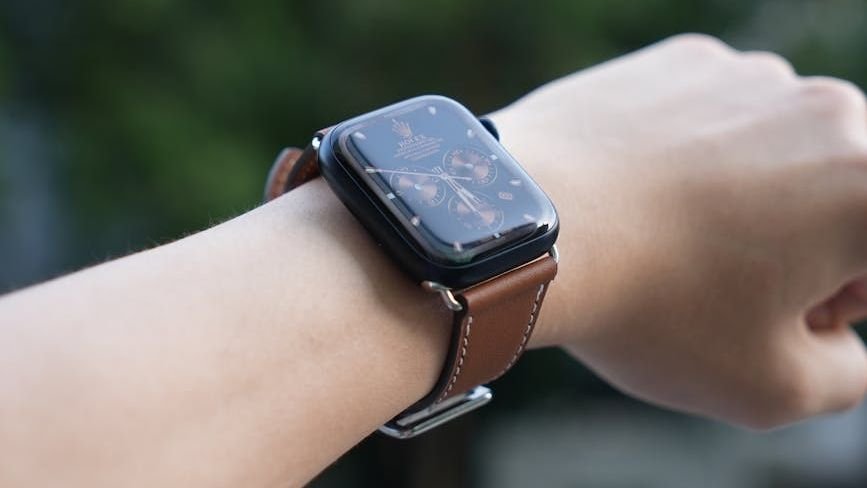
There is something strange and deeply fascinating about what a single glance at your wrist can communicate. Before you’ve said a word, before anyone’s seen your résumé or your bank balance, that watch on your wrist is already talking. Loudly. Personal stylists, who train their eyes to read people like open books, have long known that a timepiece is rarely just about time.
What they notice goes well beyond brand names. It is about condition, proportion, strap choice, positioning, and a dozen other quiet signals that add up to a surprisingly complete picture of how someone relates to money and confidence. Ready to find out what yours might be saying? Let’s get into it.
1. The Brand Tier You Choose – and Why It Matters More Than the Name
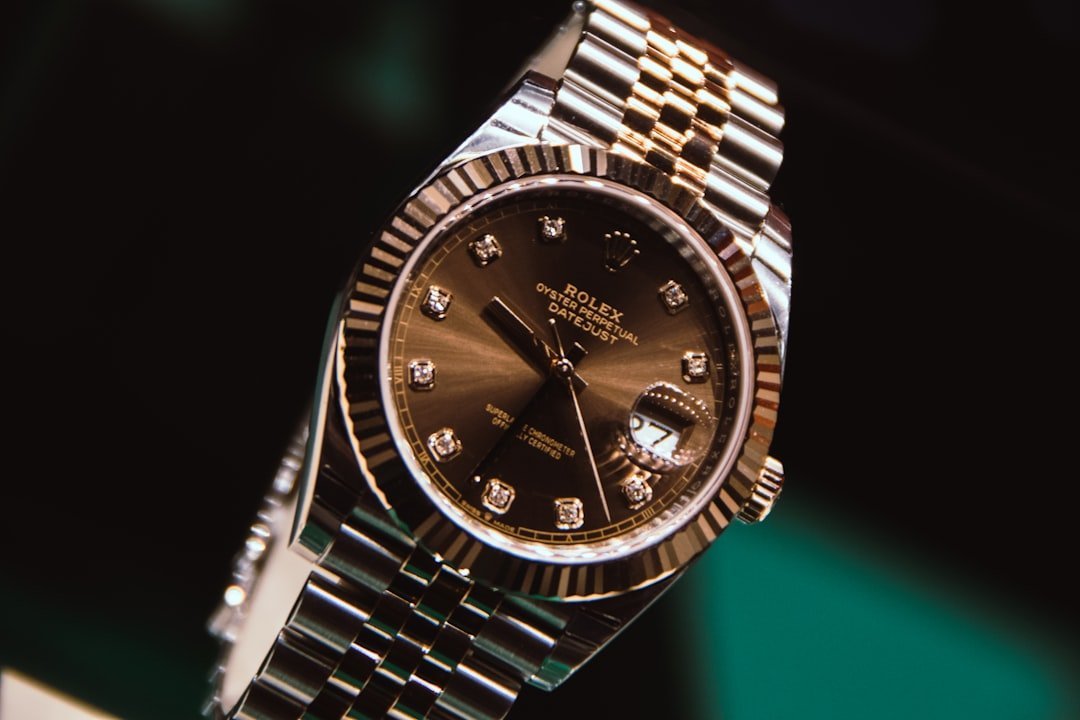
Let’s be real. Not everyone who wears a Rolex is projecting old money, and not everyone in a modest Seiko is struggling. But a personal stylist reads the relationship between brand tier and the rest of your presentation. Choosing a luxury watch goes beyond a simple question of functionality or aesthetics – it involves a deep psychological process that reflects the buyer’s personality, values, and aspirations.
The brand, design, and materials of the watch can reflect aspects of the wearer’s personality, such as elegance, sophistication, or adventurous spirit – for example, someone who chooses a Rolex may be looking to project an image of success and prestige. Whether that projection is earned or aspirational is exactly what a trained eye examines.
According to a YouGov survey conducted in 2024 involving over two thousand participants, roughly half of all respondents who own or are considering a luxury timepiece stated that design is the most important purchase factor, with movement quality and brand closely behind. That tells a stylist something remarkable: a thoughtful watch choice is rarely random.
2. The Condition of the Watch Face
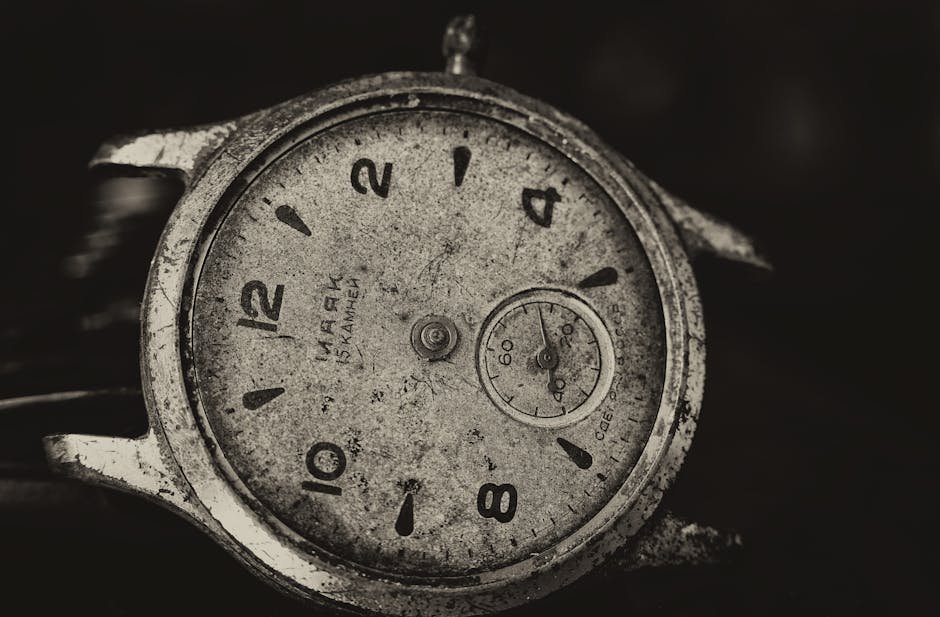
A stylist will look at scratch patterns, dial clarity, and whether the crystal has been maintained. A deeply scratched watch worn without any apparent awareness says something very different from a well-serviced piece showing natural, intentional signs of wear. Honestly, the two scenarios speak to entirely different relationships with money and ownership.
The meticulous manufacturing process of luxury watches ensures durability and reliability. Their intricate movements, often handcrafted by skilled artisans, are built to last – and with proper maintenance and servicing, these watches can function flawlessly for decades. Someone who invests in maintenance is demonstrating long-term thinking. That’s a core financial confidence signal.
A neglected dial on an expensive watch can actually suggest financial overextension more than wealth. The person bought it, showed it off, and then couldn’t afford the upkeep. Stylists see this more than you’d think.
3. The Strap or Bracelet Material
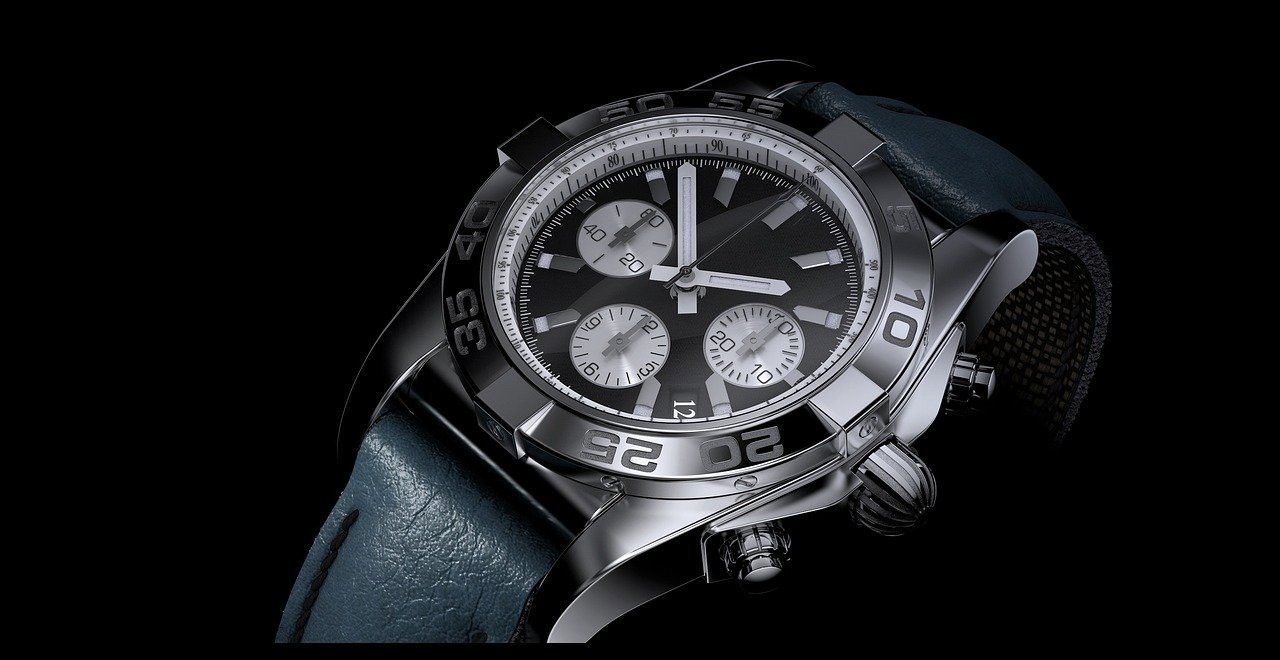
A watch strap is more than just a functional accessory – it is a statement of personal style. A personal stylist parses strap choices with precision because the relationship between case material and strap material tells a coherent story about intentionality. Mismatches signal either ignorance of styling rules or a deliberate, confident rebellion against them. Both mean something.
Leather straps add a classic touch that goes well with business attire, while metal bands offer versatility for both formal and casual settings. Traditional dress watches usually feature a leather strap in black or brown – and someone wearing one in the right context is signaling fluency in the language of professional dressing.
A noticeable trend toward minimalism in watchbands has emerged, with simple yet elegant styles capturing attention because they complement a variety of outfits effortlessly. Choosing restraint when you could choose flash? That’s quiet confidence. And quiet confidence, in a stylist’s world, almost always reads as financial security.
4. Watch Size Relative to Your Build

Here’s the thing about oversized watches: they are one of the clearest signals of insecurity that a stylist spots. A watch face that drowns the wrist isn’t bold. It’s actually the opposite. Someone who chooses proportion correctly shows they don’t need to prove anything with size alone.
The concept of fluidity extends to watch sizes. Once tied to gender stereotypes, watch sizes now emphasize personal comfort and aesthetic preference over traditional norms – and large dial watches could make a bold statement while small dials could reflect subtlety and sophistication.
Smaller watches are trending, with even the most spectacular pieces combining craftsmanship with decorative excellence in compact formats. A proportionate watch choice whispers “I know exactly who I am,” and that is enormously powerful in any room.
5. The Strap Condition and Whether It Has Been Replaced
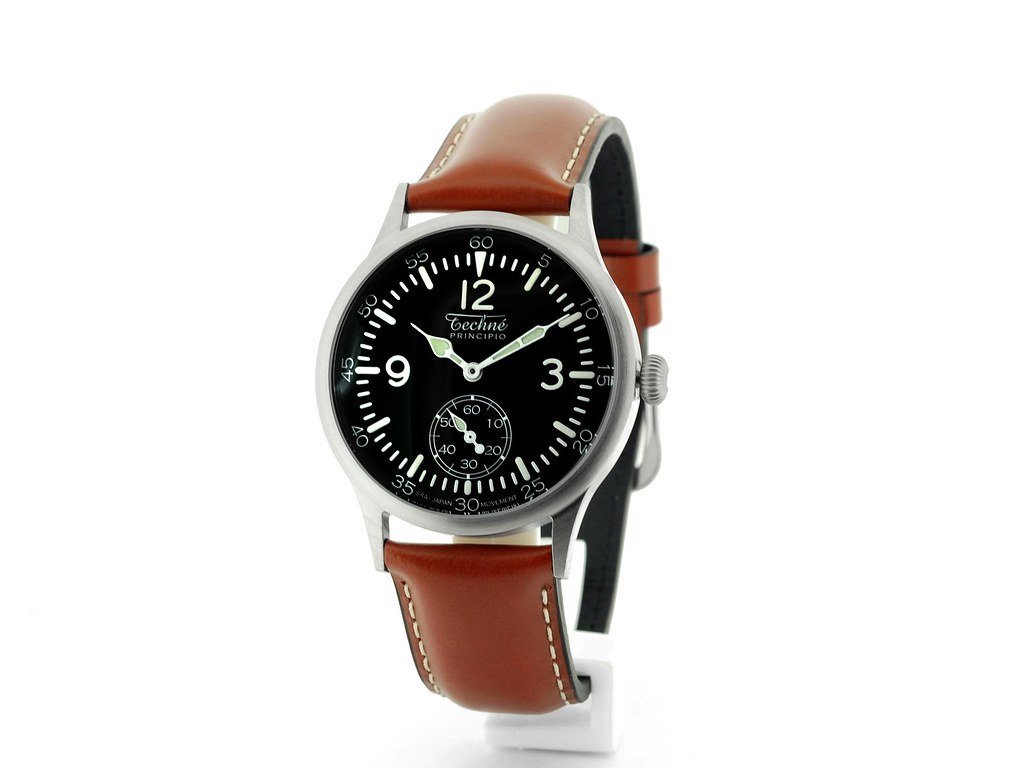
This one catches people off guard. A pristine, high-end watch case paired with a cracked, sun-bleached leather strap tells a stylists that someone bought the prestige piece and then stopped caring – or stopped affording to care. The watch strap market in 2024 is a testament to the incredible journey of straps from mere functional bands to symbols of personal style, sustainability, and innovation.
Replacing a strap is genuinely affordable. A crocodile-embossed leather strap from a reputable maker costs a fraction of what a luxury watch costs to service. Someone who maintains every part of the total picture is demonstrating thoroughness, the same quality that tends to build and protect real financial wealth.
Personalization continues to be a significant trend in the watch industry, with customizable and modular designs allowing wearers to mix and match components of their straps, giving them the flexibility to change their look with ease. This level of care is visible to any professional who reads clothing for a living.
6. The Dial Complexity and What It Signals About Your Priorities
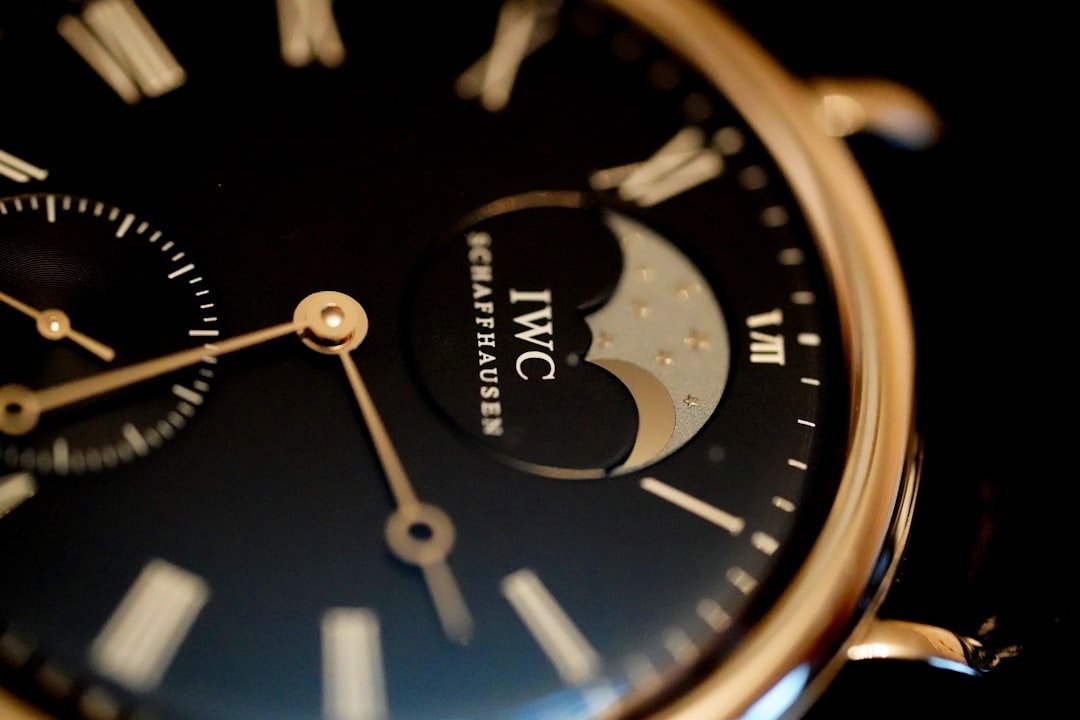
A tourbillon tells one story. A simple time-only dress watch tells another. Chronograph subdials at the three, six, and nine o’clock positions tell yet another. While psychological factors play an important role, buyers also consider aspects such as accuracy, durability, and special features when choosing a watch. The complexity someone gravitates toward reveals how they balance practicality versus performance.
Research by psychologists like Dr. Thomas Rammsayer has demonstrated that human personality is linked to how individuals perceive time. Personal qualities like conscientiousness, organization, and emotional stability have long been associated with ambitious individuals who strive for things like wealth and control. The dial you choose, stripped down or intricate, mirrors that relationship with time.
Someone in a clean, minimalist two-hand watch in a boardroom is often making a far more powerful statement than the person wearing a ten-complication piece that nobody present can actually read. Restraint is its own kind of luxury. Stylists know this intuitively.
7. How You Wear It – Loose, Snug, or Over the Cuff

I know it sounds like a tiny thing, but watch placement and fit are telling. Worn loose and jangling, the watch becomes noise. Worn snug and correctly positioned on the wrist, just below the ulna bone, it becomes intentional. Stylists absolutely notice the difference, and so does everyone else subconsciously.
Wearing a watch can inscribe different meanings for different people, but like many things in life, the perception of what you do can be more effective than the intention behind why you do it. Fit speaks to self-awareness, which speaks to ownership of your own image, which speaks to a broader orientation toward control in life generally.
Wearing a watch correctly takes about fifteen seconds of adjustment per day. People who skip that fifteen seconds are telegraphing something about how much attention they pay to details. In business and personal finance, it is the details, always, that make the difference.
8. The Investment Awareness Behind Your Choice
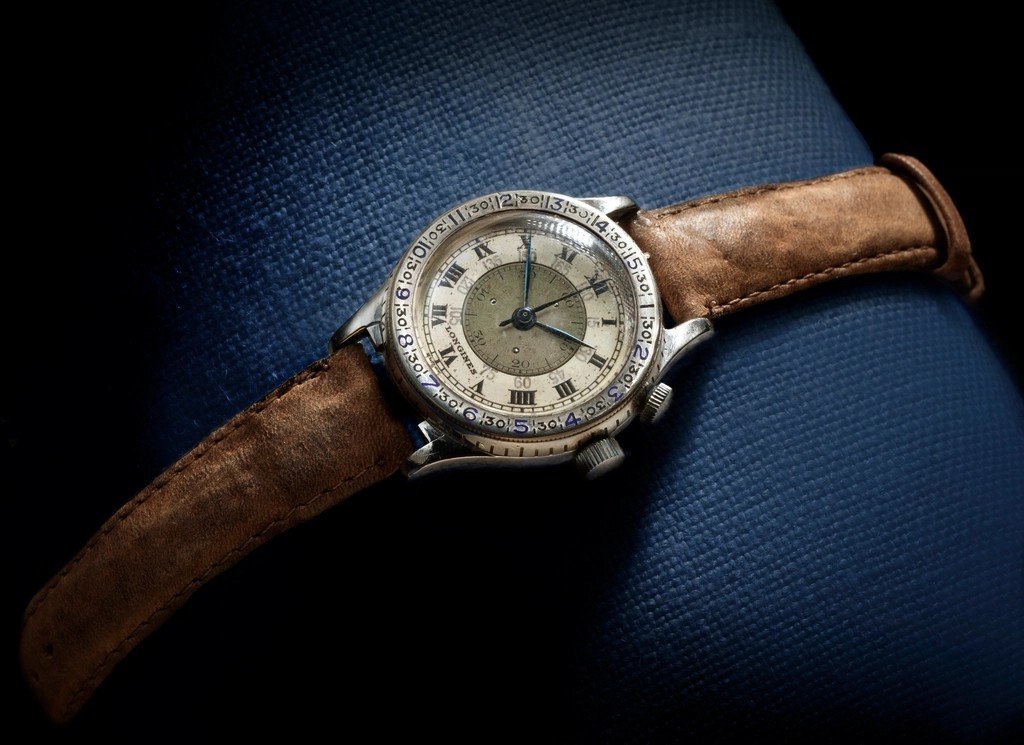
A personal stylist who works in high-net-worth circles is acutely aware of which watches hold value and which depreciate the moment they leave the store. Luxury watches have proven to be lucrative investments, with limited editions appreciating significantly, and Knight Frank reports that watch prices surged roughly one hundred and forty seven percent over ten years, outpacing vintage cars and diamonds.
However, the market has bifurcated sharply in recent years. Institutional-grade Patek Philippe references retain the vast majority of their purchase prices over five-year periods, comparable Rolex sport models retain a strong share, while lower-tier brands demonstrate significantly weaker retention. Knowing this – and choosing accordingly – signals financial literacy that a stylist reads as genuine confidence.
A Bain and Company study highlighted that roughly one in five luxury consumers considers timepieces as investment pieces, a sentiment amplified by the growth of online resale platforms. Wearing a watch you genuinely understand as an asset, rather than just a status symbol, carries a palpably different energy. People feel it even if they can’t name it.
9. Whether the Watch Matches the Rest of Your Outfit
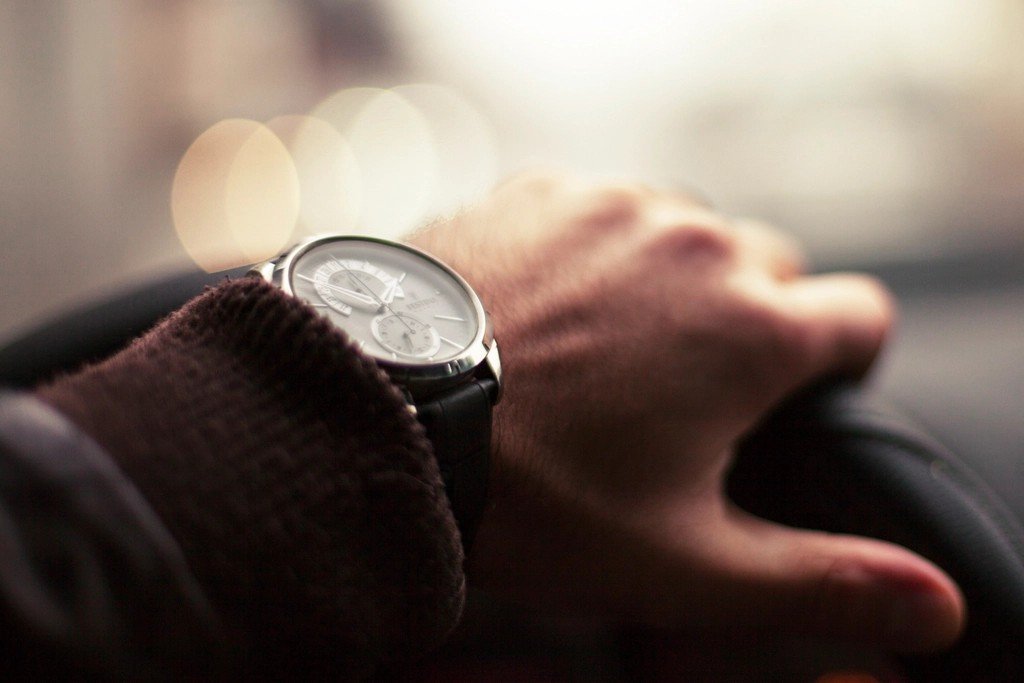
Luxury watches and jewelry are often seen as ultimate status symbols, but their appeal goes beyond mere ostentation – these items serve as a form of non-verbal communication, conveying success, taste, and appreciation for craftsmanship. A stylist is not just evaluating the watch in isolation. They are evaluating it as part of a total composition. Does it belong?
When it comes to matching your watch with your outfit, personal preference is key. A metal band offers neutrality, easily complementing any color palette, while leather straps evoke a more formal feel – and matching the color of your leather accessories creates a cohesive look. That coherence is the signal of someone who has thought about their presentation, not just assembled it.
Wearing a dive watch with a black-tie tuxedo can work – if it is done with full intentionality and the right level of insouciance. Wearing it because you forgot to change it is an entirely different thing. The stylist’s job is to tell the difference, and they usually can within seconds.
10. The “Quiet Luxury” vs. Logo-Forward Choice
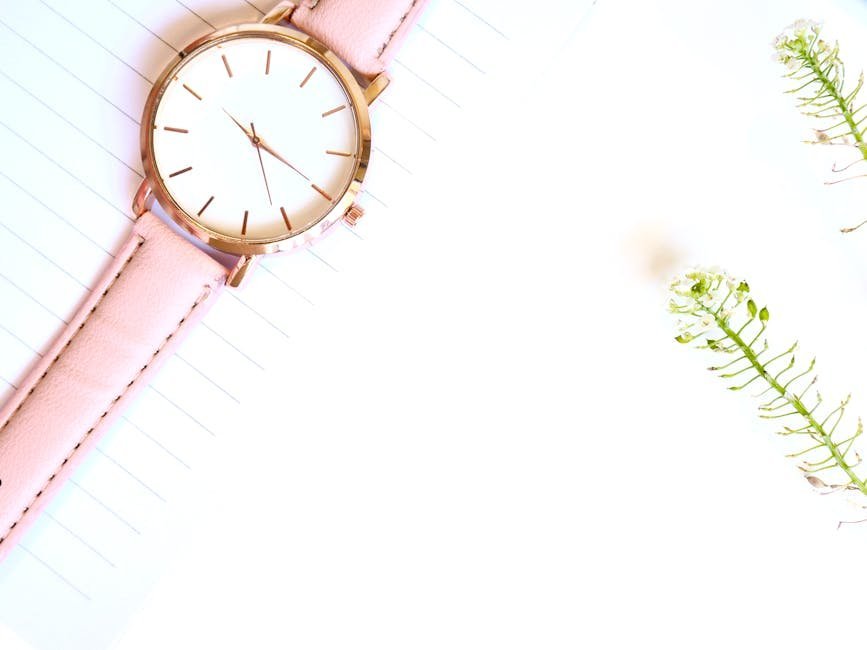
The quiet luxury movement that swept fashion in 2023 and has continued firmly into 2025 is nowhere more visible than in watch choices. Neutral colors, leather straps, and time-only dials define a watch trend that goes hand in hand with smaller case sizes and an extension of the quiet luxury phenomenon. Someone wearing an understated dress watch with no visible branding is making a specific and sophisticated financial statement.
While it’s no secret that people, particularly the affluent, look to a watch and shoes to define a person, the biggest misconception is that they are looking for exorbitance. The overall consensus is actually minimalistic quality over gaudy display. This is a truth that surprises many people who are still chasing logos.
In a world of mass-produced goods, luxury watches offer a way to express individuality and stand out from the crowd, with limited edition pieces allowing owners to possess something truly unique. But there is a subtle distinction between expressing exclusivity and screaming it. Those who understand the difference tend to own it quietly – and that, to an experienced stylist, is the most financially confident signal of all.
11. The Consistency of Wearing It Every Day

A watch is not passive jewelry. It is a tool tied directly to time perception, one of the most psychologically powerful constructs humans interact with daily. Psychological research consistently shows that objects linked to routine and timekeeping become extensions of self. A person who consistently wears their watch is signaling structure. Structure is the backbone of wealth.
UK-based psychology professors David A. Ellis and Rob Jenkins conducted a study measuring watch wearers’ levels of conscientiousness compared to non-wearers, assessing participants from the UK and North America. The researchers discovered that watch-wearers had significantly higher levels of conscientiousness than non-watch wearers. That’s not a small finding. Conscientiousness is one of the strongest predictors of long-term financial success.
Luxury watches are not just about aesthetics – they are also precision instruments. This precision can encourage better time management, as it serves as a constant reminder of the value of time. When you wear a luxury watch, you may find yourself more inclined to be punctual, to plan your day more effectively, and to make better use of your time. Daily consistency in wearing a watch is a signal that you take time, and by extension your own life, seriously.
The Wrist Tells the Story First
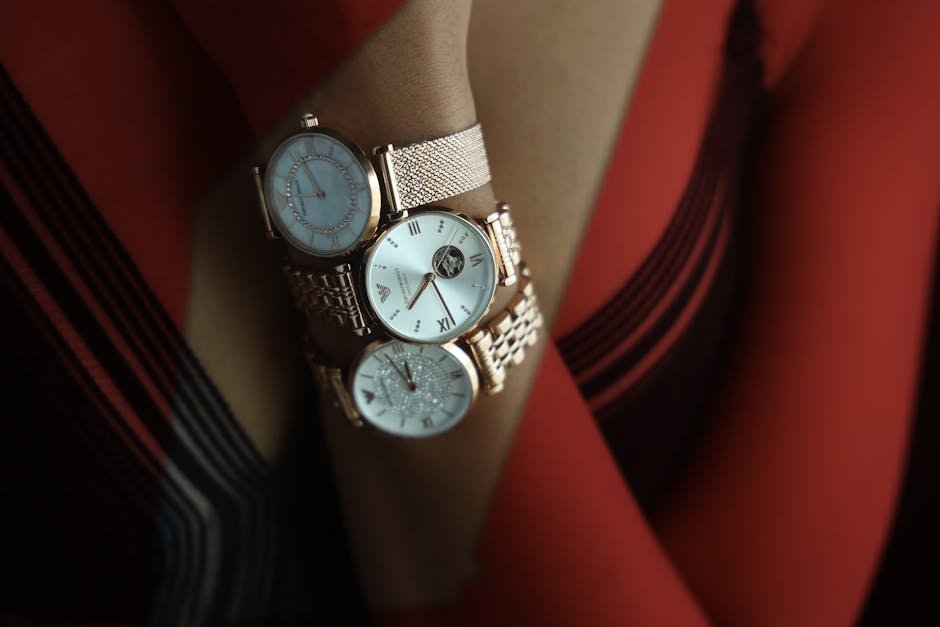
A personal stylist’s eye is trained to read the total picture. Your watch is a chapter in that story, and it’s often the most revealing one. Not because of the price tag, but because of the choices, the maintenance, the fit, the coherence, and the consistency that surround it.
Wearing a timeless and trusted watch is like wearing your personality résumé on your sleeve. These accessories let others know you’re a leader, value time management, are reliable, and have an eye for innovation. That’s a remarkable amount of communication from something that fits in the palm of your hand.
The global luxury watch market was valued at roughly fifty-four billion dollars in 2024 and continues to grow, which tells you how many people are already making this bet on self-presentation. The real question is not what watch you can afford. It’s how much thought you’ve put into why you’re wearing it. What does yours say about you right now?