
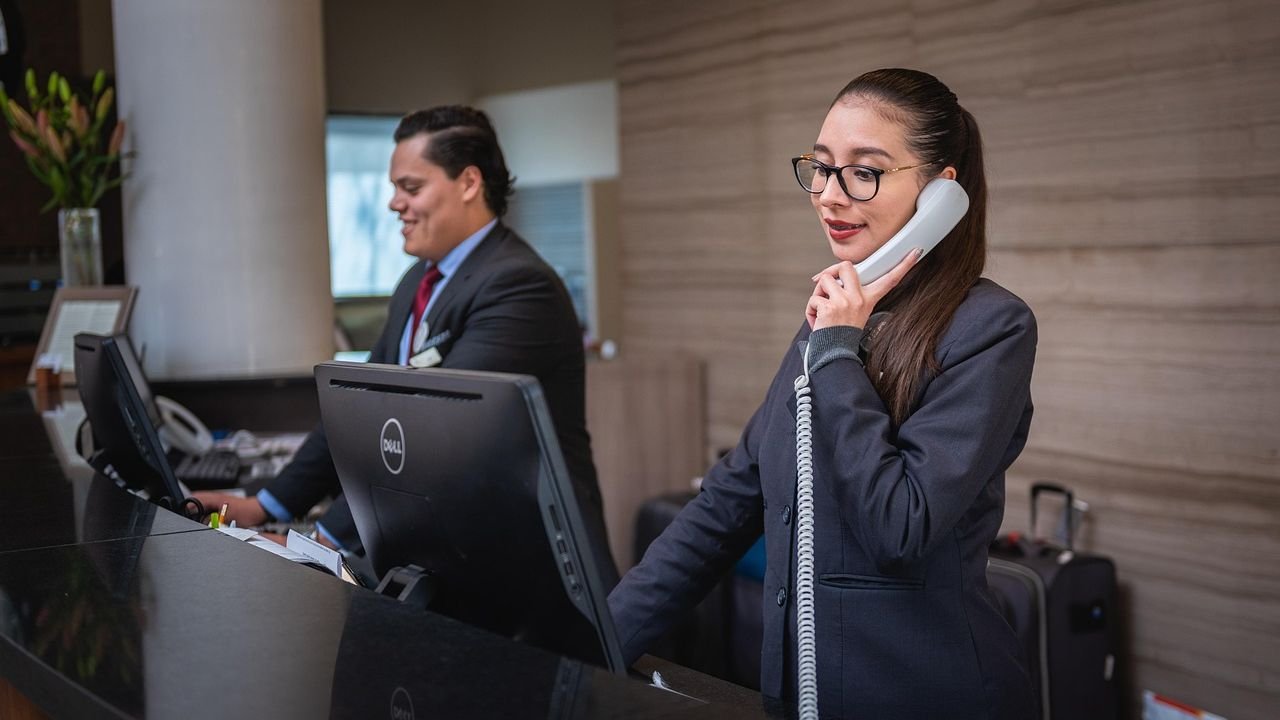
Most travelers genuinely believe they are being perfectly reasonable guests. They check in, they smile at the front desk, and they assume the hotel staff is there to help them with whatever comes to mind. Honestly, that last part is where things start to go sideways.
The relationship between a hotel guest and a concierge is one of the most misunderstood dynamics in travel. It can either work beautifully, like a well-oiled machine, or it can collapse fast. The moment a concierge mentally checks out on you is the moment your entire stay quietly goes from personalized to perfunctory.
Here are 11 things guests do in the hotel lobby that quietly kill that relationship, often without even realizing it. Let’s dive in.
1. Treating the Concierge Like a Personal Assistant
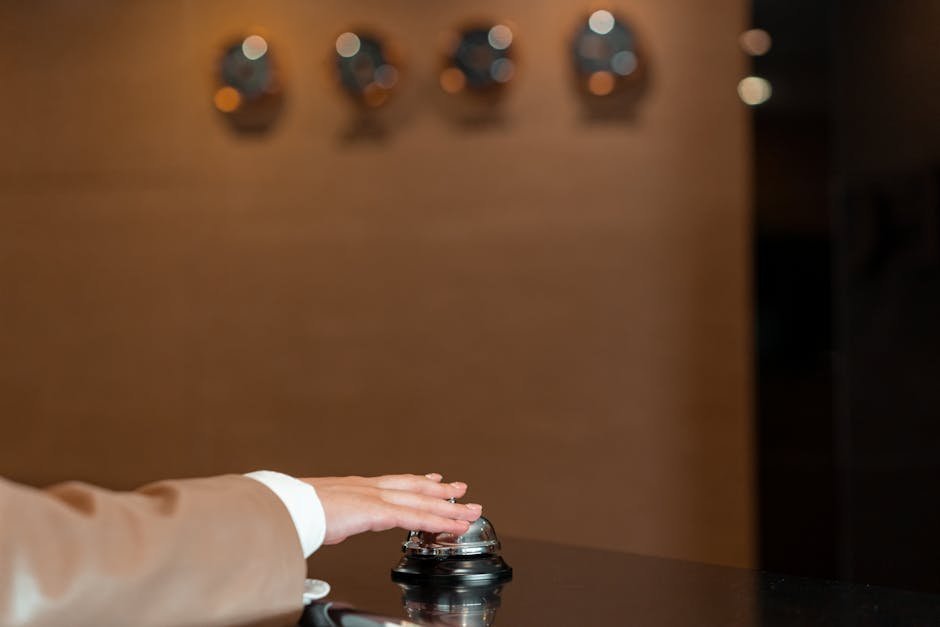
Let’s be real: there is a growing epidemic of guests who walk into the lobby and immediately start piling request after request onto the concierge, as if they have hired their own private butler for the week. Travel advisor Spencer Jones of OvationNetwork says he has seen a surge in what he calls the “concierge-is-my-personal assistant” type of client, where guests monopolize the concierge’s time with a flood of small, often trivial requests. This is not just a minor annoyance. It actively takes time and attention away from other guests who need real help.
On top of that, these same guests often have second thoughts about the activities they have lined up and cancel everything, leaving the concierge to undo all their work. A hotel concierge is simply not a personal assistant. Think of it this way: asking a concierge to micromanage your entire itinerary is like expecting your waiter to also do your grocery shopping. There is a line, and most guests cross it without ever noticing.
2. Being Rude or Dismissive at Check-In
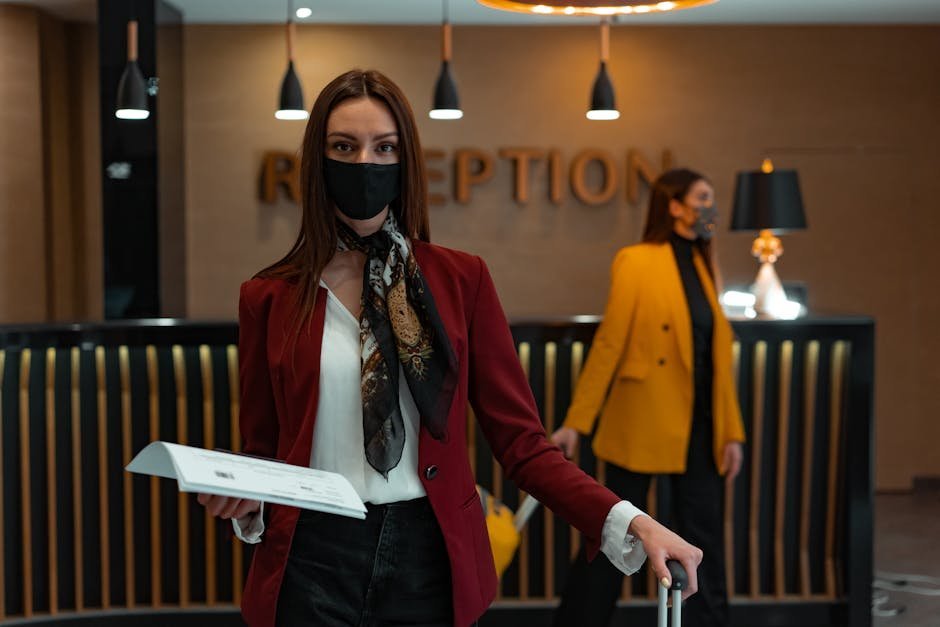
Acting like a “check-in bully,” making loud demands, being rude to staff, or acting entitled to an upgrade are among the fastest ways to sour a hotel relationship before it even starts. Staff talk to each other. The person at the front desk and the concierge around the corner are very much on the same team, and word travels fast between them.
Bad guest behavior has taken a clear nosedive in recent years, fueled by a post-pandemic wave of entitlement that hospitality professionals across the industry have found difficult to manage. Good manners go a long way. Practicing your “please” and “thank you” maintains a positive domino effect that extends to every person and every department in the hotel. It sounds simple because it is. Kindness is currency in a hotel lobby.
3. Monopolizing Common Lobby Areas

Too many guests treat the hotel’s public areas like personal property, spreading out their belongings on chairs and hogging shared furniture without a second thought. The lobby concierge watches all of this play out. When they see a guest using four chairs for shopping bags and a coffee they brought in from outside, it registers. Loudly.
Working from the lobby is fine if you are craving a bit of background energy, but draw the line at kicking off your shoes, sleeping on the couch, or spreading an entire meal across the little tables. Hotels create lovely spaces around the lobby and concierge areas where guests can gather and relax, but those areas should not be abused by spreading out work or possessions as though you own the place. It is a shared space. Treat it that way.
4. Showing Up in Pajamas or a Bathrobe
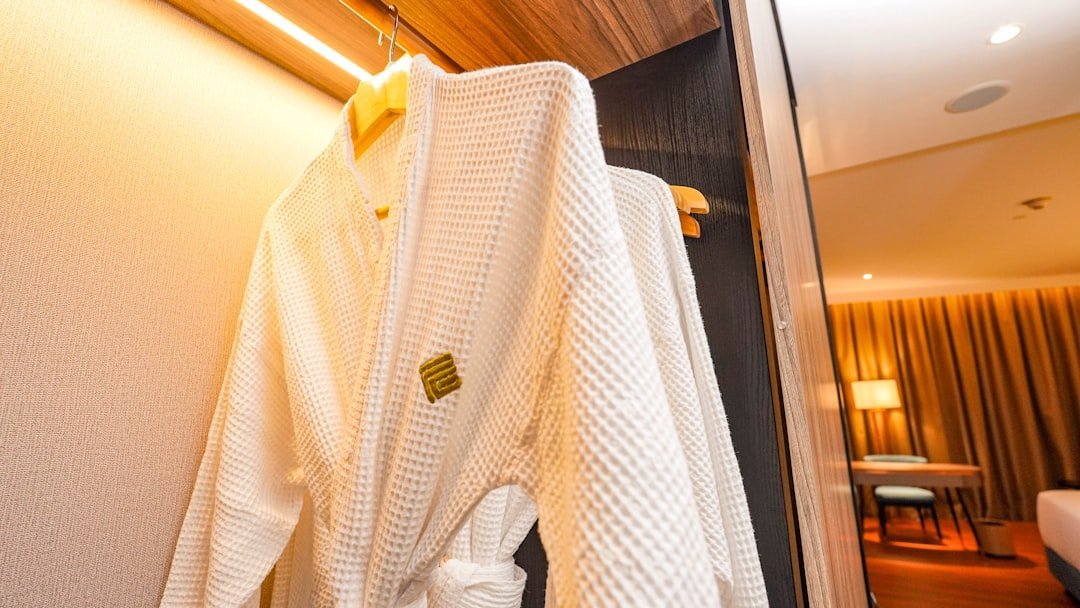
Wandering through the lobby in a bathing suit, hotel robe, or a sheer cover-up is considered a definite etiquette no-no in any hotel setting. It sounds like a harmless thing, but it immediately signals a lack of self-awareness to everyone around you, including the concierge who is quietly forming opinions about how much effort they will invest in helping you.
Pajamas belong in the room. While you may feel comfortable moving through the lobby in your night clothes, most people around you, including staff, will feel better if you throw on a proper outfit. Clothing is simply not optional when you are in the lobby or any shared space outside your room. Even at a resort, there is a world of difference between poolside casual and wandering the lobby in slippers and a robe while making three requests at the concierge desk.
5. Talking Over the Concierge or Ignoring Their Suggestions

Here is the thing. A concierge spends years building local knowledge. They know which restaurants are overrated tourist traps, which tours are genuinely worth the money, and which neighborhoods you should actually avoid. When a guest interrupts them mid-sentence or waves off their advice without listening, it stings. It also signals that the guest is not actually looking for help. They just want validation.
A friendly greeting from a concierge and genuine attentiveness remain irreplaceable parts of the hospitality experience. The relationship works best when it goes both ways. People working in the service industry are often overlooked, but when you interact with hotel staff from the front desk to the concierge, they genuinely appreciate being acknowledged, even something as simple as using their name. Listen to what they have to say. It might be the best travel advice you get.
6. Demanding Upgrades or Special Treatment Without Any Basis
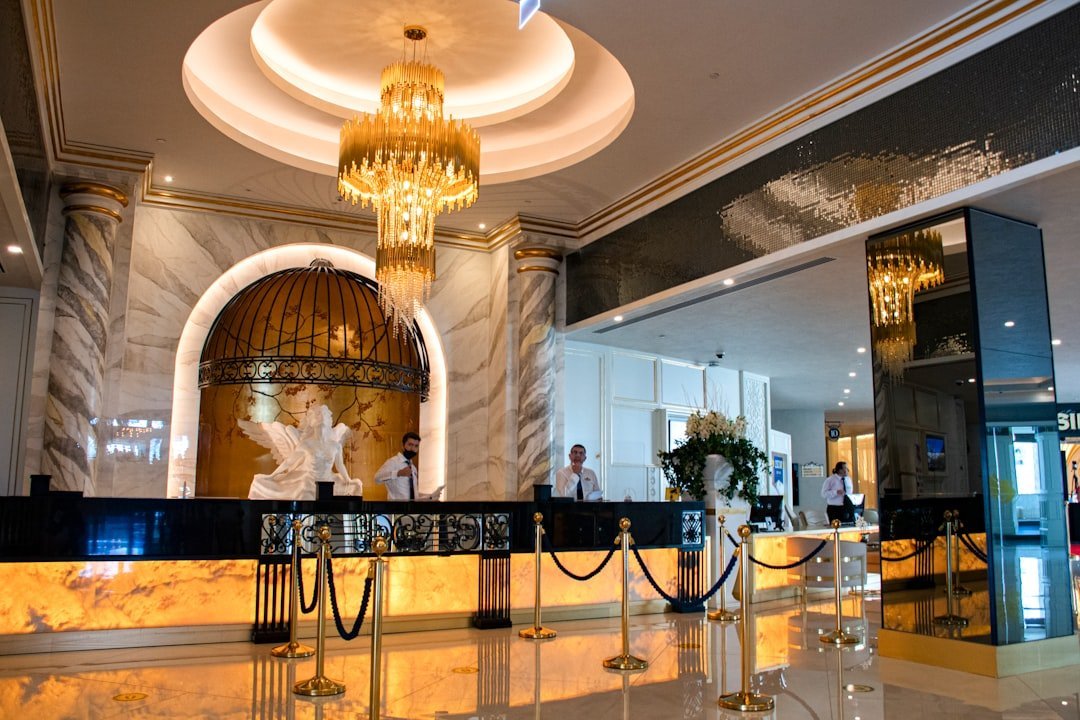
Walking up to the concierge or front desk and essentially demanding a room upgrade, a free late checkout, or exclusive perks purely because you feel you deserve them is one of the quickest ways to make lobby staff mentally categorize you as a difficult guest. Traveler expectations have indeed increased alongside rising hotel room rates, and when hotels do not meet or exceed those expectations, the perception of value can decline. That is understandable. What is not understandable is weaponizing those expectations before giving the hotel any chance to perform.
Research shows that more than half of guests leave a bad review when they encounter one of their biggest annoyances, and nearly half mention their complaints in an online review upon checkout. The irony is that the guests most likely to create scenes in the lobby demanding upgrades are often the same ones leaving one-star reviews online. One subpar experience, shared around the world on social media, can have a huge impact on a hotel brand, and hotel staff know this too. They are watching.
7. Having Loud Phone Conversations in the Lobby

The hotel lobby is not a phone booth, and yet, somehow, a surprising number of guests treat it exactly like one. Loud, aggressive, or just endlessly long phone calls that spill across the entire lobby space are deeply disruptive, not just to the concierge trying to focus, but to every other guest trying to check in, relax, or quietly read. Guests in corridors and shared spaces often get tunnel vision when it comes to volume and awareness of others, forgetting that they are sharing that space with dozens of people.
A concierge who is constantly fighting background noise created by one shouting guest cannot serve anyone effectively. Good manners genuinely go a long way in a hotel setting. Practicing basic courtesy maintains a positive domino effect that extends to every person and every department in the building. Step outside for your long calls. The call will sound exactly the same, and everyone around you will quietly appreciate it.
8. Making Unreasonable Requests at the Worst Possible Times
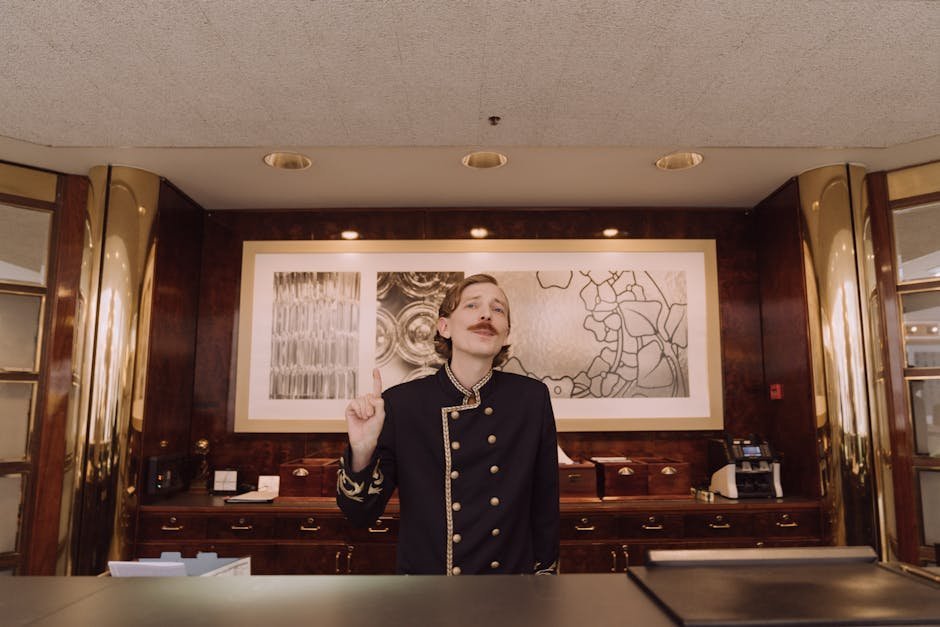
Timing matters enormously in a hotel lobby. Walking up to the concierge desk at peak check-in hours, during a busy weekend rush, or right when another guest is clearly in the middle of a complicated situation, and launching into an elaborate, multi-part request is a recipe for frustration on both sides. It is not that the concierge does not want to help. It is that they literally cannot give you their full attention in that moment.
Guest satisfaction in hotels is measured across multiple core dimensions including check-in and check-out experience, staff service, and overall value, which means every interaction in the lobby matters for the property’s overall reputation. North American hotel guests are now staying longer on average, meaning there are more opportunities over the course of a stay for the guest-staff relationship to either strengthen or deteriorate. Choosing the right moment to ask for help is something seasoned travelers instinctively understand.
9. Trying to Drag the Concierge Into Personal Drama
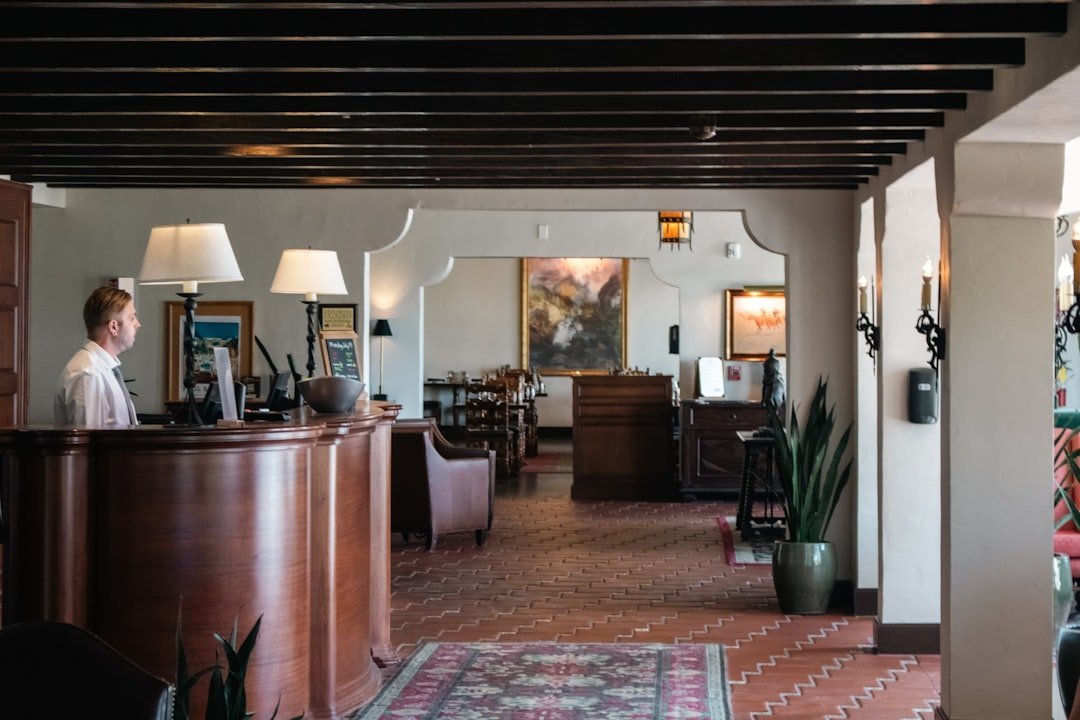
This one is surprisingly common. Long conversations that monopolize the concierge’s time are genuinely annoying to hotel staff, and the situation only gets worse when guests ask staff members to become involved in personal matters or to lie on their behalf to family members or employers. A concierge is not a relationship counselor, a therapist, or a co-conspirator. They have a job to do, and that job does not include covering for you.
Some guests genuinely believe hotel staff enjoy being drawn into personal drama. They do not. Etiquette experts advise guests to never involve hotel staff in their personal business or ask them to use deception in any form. Keep your private life private. The concierge’s job is to make your stay better, not to navigate your personal storylines alongside you.
10. Walking in Barefoot
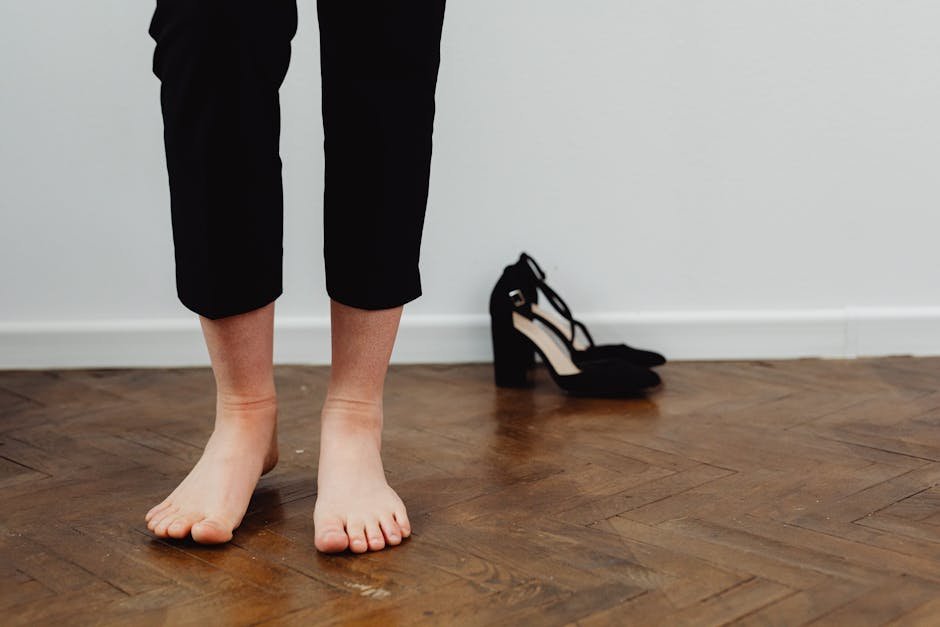
I know it sounds like something that barely needs mentioning, but it does. Hotel managers frequently complain about guests who wander through the lobby with bare feet, and etiquette experts point out that this is not just a matter of appearances. You are walking where hundreds of other people have walked in shoes that have touched who knows what surface. Walking through any public hotel space barefoot is both unhygienic and considered offensive to staff.
It is also discourteous to hotel staff who are working hard to create an atmosphere where everyone feels relaxed and comfortable. The rule of thumb is simple: bare feet belong at the pool, not in the lobby. When a concierge sees a barefoot guest approaching the desk, it sets an immediate tone for how that interaction is going to go. It is a tiny thing with a surprisingly large social impact.
11. Never Tipping, Even After Exceptional Service

Tipping practices vary by culture and location, but it is generally appreciated to tip hotel staff for exceptional service, including concierge staff who assist with arrangements. Leaving a tip with a small note of thanks is a meaningful way to acknowledge their effort. When guests receive genuinely great service, like securing a hard-to-get restaurant reservation or organizing a surprise for a partner, and then walk away without any acknowledgment, it is noticed.
Tipping guidelines for concierge services in North America typically suggest somewhere in the range of $10 to $20 for securing tickets or a hard-to-get reservation. It is not about the amount so much as the gesture. Research shows that the vast majority of travelers claim they will not return to a hotel where they had a bad experience, but the flip side is also true. Guests who tip, say thank you, and treat the concierge like a human being tend to get noticeably better service throughout their entire stay. That is not a coincidence.
The Bigger Picture Nobody Talks About
There is a reason the hotel industry is paying more attention to guest behavior than ever before. The average daily rate for a U.S. hotel room climbed to a record high in 2024, meaning guests are paying more than they ever have for a hotel stay. Higher prices come with higher expectations, and that is fair. What is not fair is directing frustration, entitlement, or disrespect at the people in the lobby who are genuinely trying to make your trip special.
When you check into a hotel, being a great guest involves more than simply paying your bill. Respecting housekeeping, knowing when and when not to make requests, and following a few basic guidelines can make your stay noticeably smoother and help you leave a genuinely positive impression. The concierge is not your adversary. They are, without question, one of the most powerful people in the building when it comes to making or breaking your experience.
Treat them well, and they will move mountains for you. Treat them poorly, and they will technically do their job, but nothing more. The choice, as always, is entirely yours.
What do you think? Have you ever unknowingly committed one of these lobby sins? Tell us in the comments below.