
Paying full price is rarely worth it when smarter options exist.

There are certain things in life where full price just doesn’t make sense—especially when the same quality or experience can be had for far less with a little planning or strategy. Retailers know how to play the urgency game, pushing sales with limited-time offers, but the truth is, nearly everything goes on sale if you’re patient. Once you start noticing the patterns, you realize how much money slips through your fingers on things you didn’t need to pay top dollar for.
It’s not about being cheap—it’s about being strategic. Saving money on everyday purchases leaves more room in your budget for the things that actually matter. With just a bit of timing, resourcefulness, and knowing where to look, you can sidestep inflated prices without sacrificing quality. Here are 11 things you should never buy at full price—and some smart ways to save instead.
1. Furniture always gets marked down eventually.

Buying a couch, bed, or dining set at full retail price is one of the fastest ways to overspend. Furniture stores operate with massive markups, and sales happen constantly—especially around major holidays like Presidents’ Day, Memorial Day, and Labor Day. If you walk into a store mid-season and pay sticker price, chances are you’re leaving hundreds, even thousands, on the table, according to Mandi Woodruff at Business Insider.
Instead of buying immediately, do some research and wait for those big seasonal markdowns. You can also shop clearance sections, floor models, or local outlet centers where retailers offload unsold items at steep discounts. If you’re open to lightly used pieces, places like Facebook Marketplace and Craigslist often have high-end items for a fraction of the cost. A little patience and persistence can save you a huge chunk of change without compromising your style.
2. Brand-new cars lose value the second you drive off.

There’s something tempting about that new-car smell and fresh-off-the-lot shine, but the financial hit that comes with it is tough to justify. A brand-new vehicle depreciates by thousands of dollars the moment it’s driven off the lot. In fact, it often loses 20–30% of its value within the first year alone, and that’s before you’ve even put a dent in the mileage.
Buying a used or certified pre-owned vehicle that’s one to three years old gives you the same reliability and features, minus that painful depreciation, as reported by Sean Bryant at Nasdaq. Many of these vehicles still have plenty of factory warranty left and have been through multi-point inspections. Plus, you’ll save on insurance, taxes, and registration fees. It’s a win across the board—and you can still get something that feels “like new” without the full-price sticker shock.
3. Name-brand clothing almost always goes on sale.

Retailers push new fashion lines constantly, making room for fresh inventory every few weeks. That means name-brand jeans, jackets, and even shoes often go on sale within a month or two of release. Buying right away usually means paying the highest price for something that’ll be deeply discounted soon after—sometimes by 40% or more, as stated by Morgan Cutolo at Reader’s Digest.
The trick is to hold off and watch the price cycle. Sign up for store emails, use apps like Honey or Rakuten to track price drops, and keep an eye on clearance events, especially during season changes. Thrift and consignment shops are also goldmines for high-end clothes at a fraction of retail. Looking good doesn’t mean paying premium—it just takes timing and a little strategy to build a stylish wardrobe without draining your wallet.
4. Textbooks are ridiculously overpriced at full cost.

If you’ve ever set foot in a campus bookstore, you know the pain of paying hundreds for a single textbook—especially when you only use a few chapters. The publishing industry inflates prices year after year, banking on students who feel like they have no other choice. But these days, you’ve got options.
Used textbooks, rentals, and digital versions can cut your costs by more than half. Websites like Chegg, ThriftBooks, and even Amazon often carry multiple versions at steep discounts. You can also check with classmates or post in school forums to find gently used copies. When the semester ends, resell what you can to recoup even more. Don’t fall for the full-price trap when affordable alternatives are so easy to find.
5. Jewelry markups are shockingly high in retail stores.

Jewelry, especially engagement rings or designer pieces, is one of the most heavily marked-up categories in retail. Traditional stores often double or triple the wholesale cost to cover overhead and commissions. That means what you’re paying isn’t necessarily for quality—it’s for the fancy showroom and brand name.
Shopping online through reputable jewelers or independent sellers can get you the same or better quality for a much lower price. You can also look into vintage or estate jewelry, where the craftsmanship is often higher and the price is much more reasonable. Always compare certification and materials to ensure you’re getting a fair deal. When it comes to jewelry, savvy shopping makes a huge financial difference.
6. Holiday decorations drop in price right after the season.

Buying holiday decorations right before Christmas, Halloween, or Easter is basically tossing money out the window. Stores mark everything up knowing people are rushing to decorate on time. But as soon as the holiday passes, those same items are slashed by 50%–80%.
If you plan ahead, you can stock up on lights, ornaments, wrapping paper, and décor for next year at a tiny fraction of the original price. Big-box retailers clear inventory quickly, and most items can be reused for years. Waiting just a few days or shopping post-season turns seasonal splurges into budget wins with almost zero effort.
7. Gym memberships often include hidden discounts.

Walking into a gym and signing up on the spot almost guarantees you’ll pay full price. Fitness centers are notorious for flexible pricing and frequent promotions—but you have to ask or wait. January and September tend to offer the best deals, as gyms try to capitalize on New Year’s resolutions and back-to-school routines.
Always negotiate. Ask about waived enrollment fees, family bundles, or monthly discounts. You can also look at local community centers, online fitness platforms, or insurance-sponsored wellness programs that offer gym reimbursements. Paying full price for access to a treadmill and a few dumbbells is rarely necessary if you’re willing to shop around and speak up.
8. Hotel rooms fluctuate wildly in price based on timing.

Booking a hotel room at face value, especially last-minute or during peak season, can be outrageously expensive. Hotels use dynamic pricing algorithms that adjust rates constantly based on demand. The same room could cost $120 one day and $300 the next. Paying the top rate usually just means you booked without checking your options.
Use price comparison tools like Google Hotels, Kayak, or Hopper to track deals. Consider flexible dates or midweek stays to save more. Some sites also offer “mystery deals” where the hotel name is hidden until you book, but the price is significantly lower. Loyalty programs and credit card points can shave off even more. With a little effort, you can sleep in the same room for a fraction of the price.
9. Tech gadgets almost always drop in price within months.

Tech companies release new versions of phones, tablets, and laptops like clockwork. Buying on launch day might feel exciting, but it usually means you’re paying top dollar for something that’ll see its first price drop in 60–90 days. Older models often get discounted heavily once new ones are out—even though they still perform extremely well.
Waiting just a few weeks can save you hundreds, especially during events like Black Friday, Cyber Monday, or back-to-school sales. Certified refurbished models can also be a great deal, coming with warranties and tested by the manufacturer. Unless you absolutely need the latest model on day one, patience pays off big-time with tech.
10. Gift cards are cheaper if you know where to look.
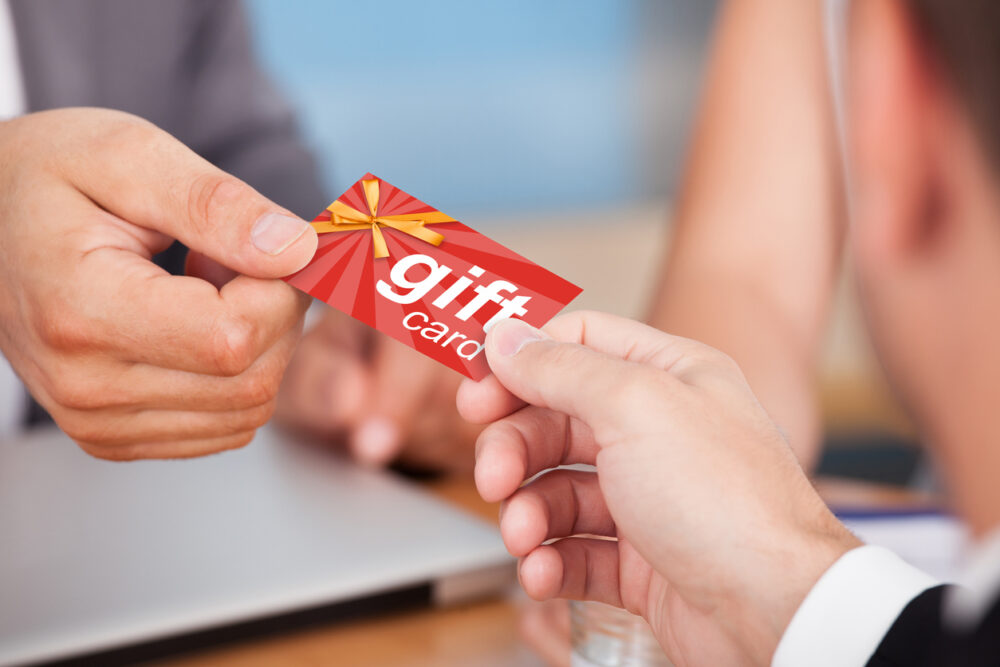
Paying full price for a gift card is basically like handing someone cash—but with fewer options. What many people don’t realize is that gift cards often sell for less than face value on resale platforms. Sites like Raise or CardCash offer discounted cards for popular retailers, restaurants, and online stores.
Buying discounted gift cards for places you shop regularly is like giving yourself a built-in coupon. Stack them with in-store sales or promotions, and you can double your savings. They also make great gifts that look thoughtful but cost you less. If you’re already planning to spend the money, using discounted cards stretches your budget further without changing your habits.
11. Designer sunglasses are marked up more than you think.

Designer sunglasses are one of the most overpriced fashion accessories out there. Most are made in the same factories using similar materials, regardless of the brand name stamped on the side. What you’re really paying for is branding, packaging, and retail markup—which can be 10 times higher than manufacturing costs.
You can find nearly identical quality shades online, at outlets, or in discount stores for a fraction of the price. If you still want designer brands, check flash sale sites, secondhand apps, or end-of-season clearance. Sunglasses are stylish, sure, but they’re also easily lost or scratched—so paying full price rarely makes sense when great alternatives are everywhere.