
Avoid these thrift store items that may pose hidden health risks to your wellbeing.
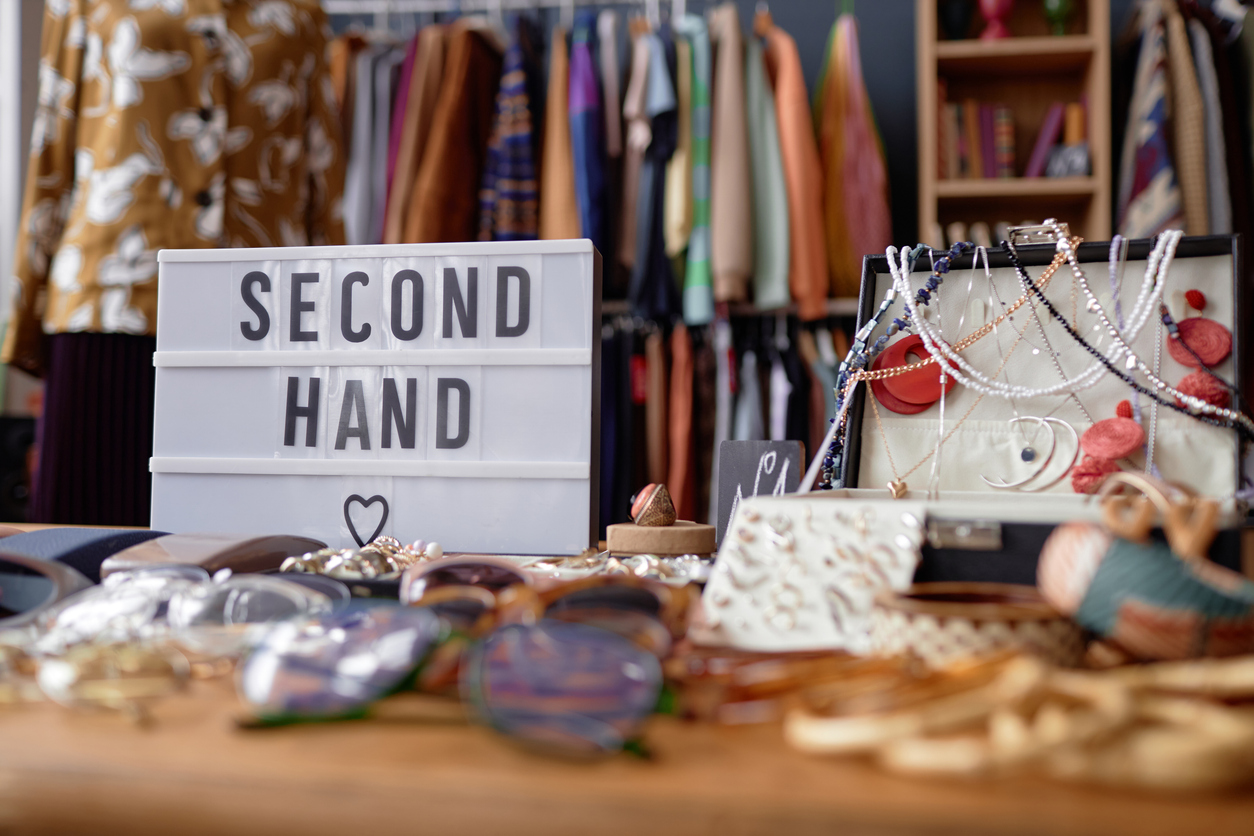
Shopping at thrift stores offers great deals but some secondhand items can harbor health hazards. Used mattresses, cosmetics, and personal hygiene products often contain allergens, bacteria, or chemicals that pose risks. Understanding which items to avoid helps protect your health and ensures safer choices when buying pre-owned goods. Always inspect carefully and prioritize cleanliness and safety over savings.
1. Used mattresses can harbor allergens and pests that affect your health.

A used mattress can be a hidden sanctuary for allergens and pests like bedbugs. Even when it looks clean, sweat and skin flakes coat the fibers, creating a cozy nest for microscopic dust mites. Their presence can contribute to respiratory issues or skin irritation.
People seeking comfort might unknowingly invite trouble into their homes with a secondhand mattress. Treating such infestations can be costly and time-consuming, often necessitating professional intervention. Opting for a new mattress reduces these risks, providing peace of mind alongside restful sleep. Meanwhile, consider the care labels as insightful guides.
2. Secondhand helmets may have unseen damage and lose protective integrity.

Helmets serve a crucial safety function by protecting the head from injury, but secondhand helmets can be a gamble. Even a drop or minor crash can render them ineffective, leaving the shell intact but compromising the inner foam that absorbs impacts.
Potential buyers might overlook subtle cracks or dents, assuming a helmet that looks fine is safe to use. This false sense of security can result in serious injury during an accident. A new helmet ensures that protective standards are met, safeguarding not just the head but also peace of mind.
3. Worn bedding carries bacteria and dust mites that can trigger allergies.

Worn bedding often harbors bacteria and colonies of dust mites burrowed deep into the fabric. Each thread can host an array of particles invisible to the naked eye. Over time, these invaders can become irritants, provoking allergies or worsening asthma symptoms.
As a result, shoppers may unknowingly introduce these allergens into familiar spaces. Removing these risks requires thorough washing at high temperatures, but not all fabrics withstand this well. Prioritizing freshly laundered or unused bedding adds another layer of assurance for restful sleep.
4. Used cosmetics can transmit bacteria and cause skin infections.
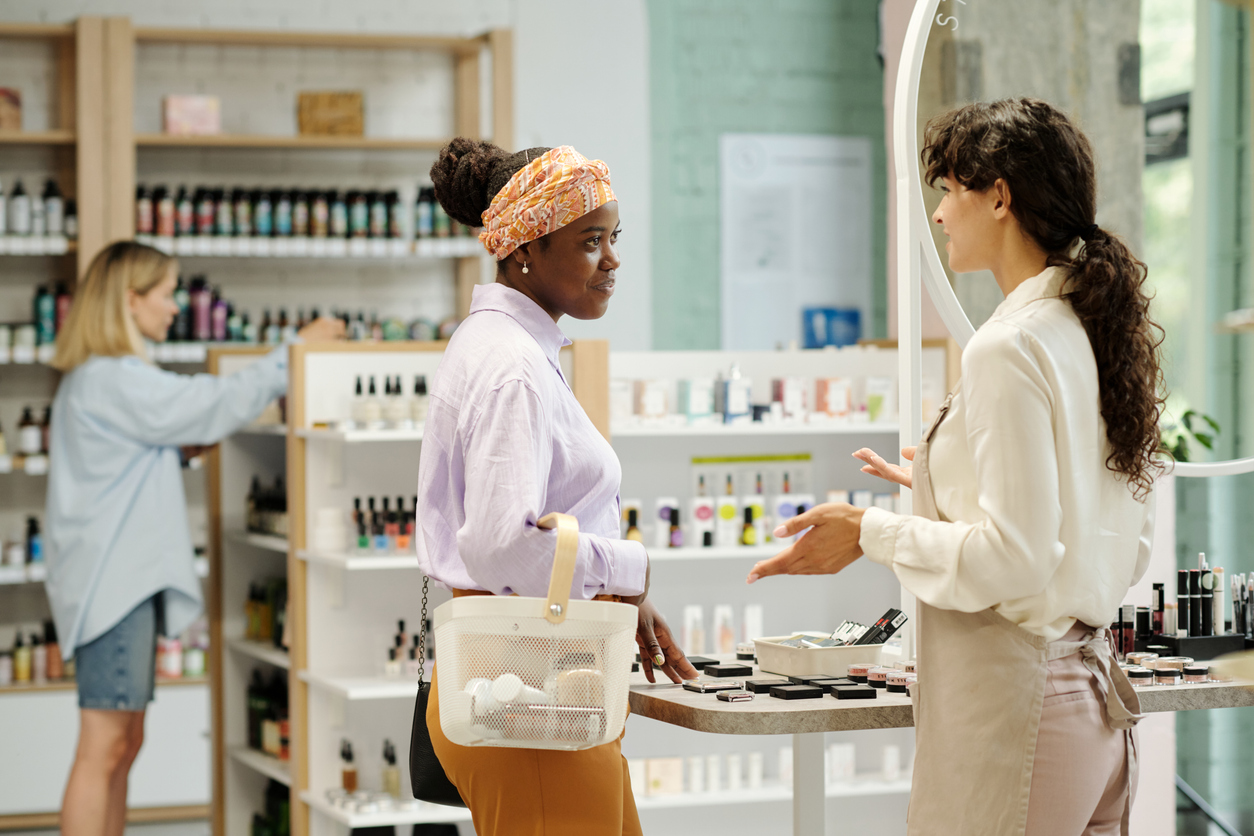
When considering used cosmetics, the unseen hazards loom large. Bacteria thrive in opened containers, from lipstick tubes to cream jars, waiting to hitch a ride to your skin or eyes. Expired active ingredients may not perform as intended, possibly causing irritation or infection.
Testing products in-store or assuming cleanliness invites unnecessary risks. Additionally, cosmetics often lack visible expiration dates, making it difficult to assess safety. Opting for unopened or single-use products minimizes exposure to these hidden dangers, keeping skin happy and healthy in daily use.
5. Old stuffed toys often collect dust and may contain harmful germs.
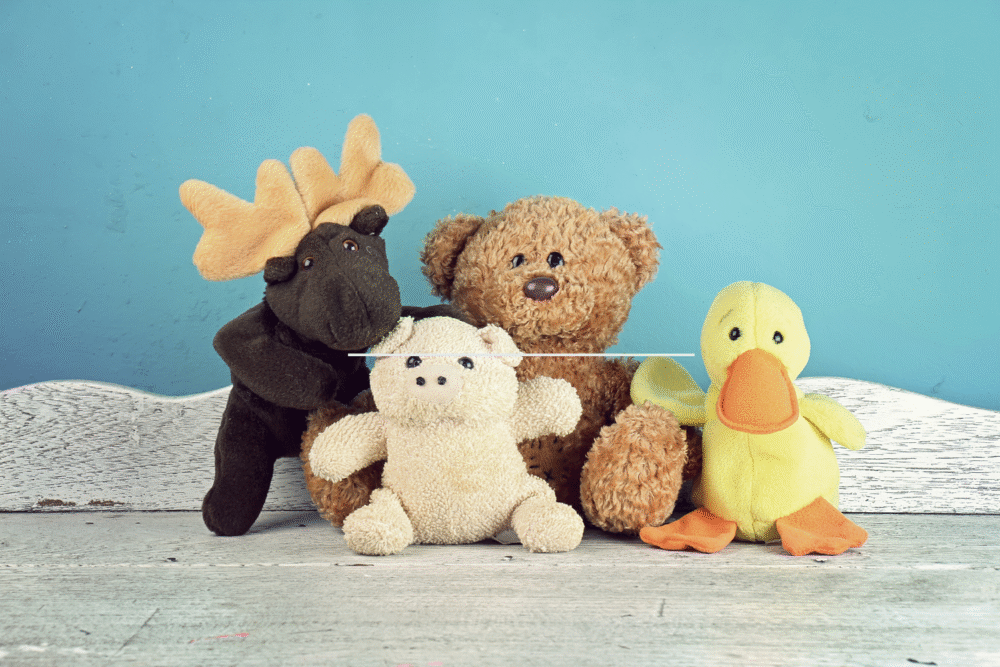
Stuffed toys, beloved by many, can become unexpected reservoirs of germs and allergens. Their soft fabric absorbs dust, making them a potential source of respiratory issues for sensitive individuals. Hidden seams and stuffing can harbor bacteria long after playtime ends.
With prolonged cuddling, these toys become homes for mites, especially if not frequently washed. A seemingly simple choice at a thrift store might inadvertently bring health challenges to a child’s playroom or bedroom. Freshly laundered or new toys carry less potential for adverse reactions, ensuring safe smiles.
6. Previously worn underwear poses hygiene risks and potential skin irritation.

Underwear purchased secondhand poses significant risks due to potential contact with bodily fluids and skin cells. Textiles, intimate by nature, often retain traces of previous wearers. Even after laundering, some materials may harbor bacteria and odor.
This concern extends to irritation or longer-term skin issues, unsettling effects on personal hygiene and well-being. Selecting newly packaged underwear respects this boundary, promoting a sense of cleanliness and comfort for such a personal wardrobe item.
7. Secondhand hearing aids may no longer function properly or hygienically.
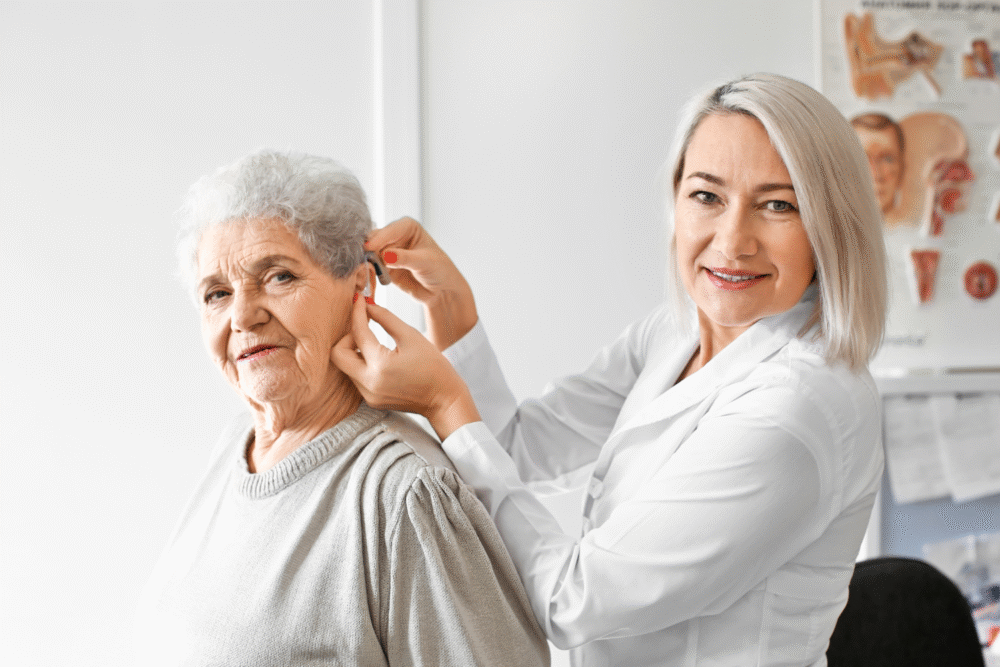
Hearing aids may look intact but hide wear compromising their performance. Variability in user habits, from exposure to moisture to wax build-up, affects functionality over time. Without visible signs, these aids might not provide the necessary clarity for effective hearing support.
Additionally, hygiene concerns surface as parts can’t always be sanitized between users. Personalized settings from previous wearers often go unnoticed, leading to less-than-ideal hearing conditions. Prioritizing cost savings can inadvertently introduce complications to auditory health, ultimately affecting daily interactions and communication.
8. Used contact lenses can cause eye infections and discomfort.
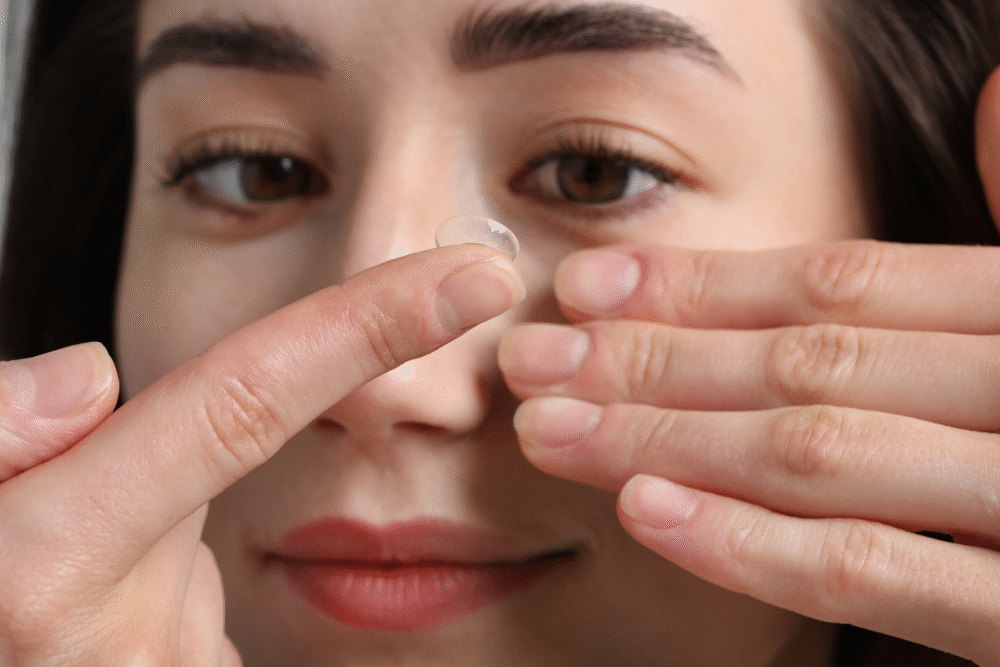
Used contact lenses introduce immediate risks of eye infections due to improper fit or cleanliness. Lenses carry bacteria that can compound greatly when worn by multiple users. Microscopic scratches on the lens surface increase discomfort and infection susceptibility.
Sharing contact lenses can elevate exposure risks to ailments such as conjunctivitis or more severe corneal conditions. Sight requires careful stewardship. Thus, thoughtful choices with personal items—valuing both comfort and safety—can avert persistent eye complications.
9. Pre-owned water bottles may harbor mold and bacteria in hidden crevices.

Previously owned water bottles provide hidden spaces for mold and bacteria in their seams. Even after thorough cleaning, certain areas remain unreachable, retaining unwanted growth. The risks heighten for bottles with built-in straws or flip-top caps, hurdling over cleanliness measures.
Unwitting users bring potential health issues into daily routines, impacting hydration habits. Prioritizing bottles with simple designs and known material safety counters the unseen threats, fostering healthier moments upon each sip.
10. Used hairbrushes can carry lice, bacteria, and scalp infections.
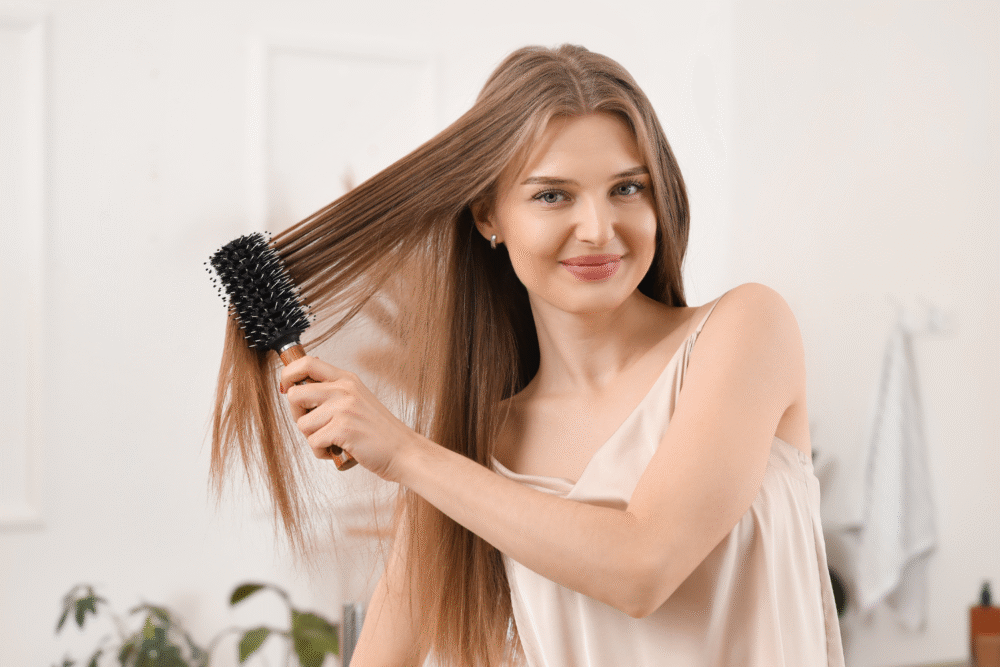
Hairbrushes can be deceptive carriers of unwelcome companions such as lice or bacteria. Bristles retain strands of shed skin and oils, contributing to microscopic environments ripe for organism growth. A seemingly innocuous tool can transform daily rituals into sources of scalp irritation.
Beyond hygiene risks, previous wear affects bristle integrity and shape, influencing effectiveness. A clean, new brush elevates what was once mundane into an opportunity to see grooming—and well-being—through a fresh lens.
11. Previously owned helmets for sports can be compromised and unsafe.

Helmets for sports purchased secondhand might carry unseen defects affecting protection levels. Outer shells may look undamaged, but interior foam loses effectiveness over time when subjected to pressure or impact. Relying on compromised safety gear increases injury possibilities.
Physical activities involve inherent risks, necessitating reliable equipment for protection. Investing in a helmet that meets current safety standards forms a quiet foundation, supporting active lifestyles and reducing the chance of harsh consequences during a fall or collision.