
Lower prices are breathing new life into the used EV market.
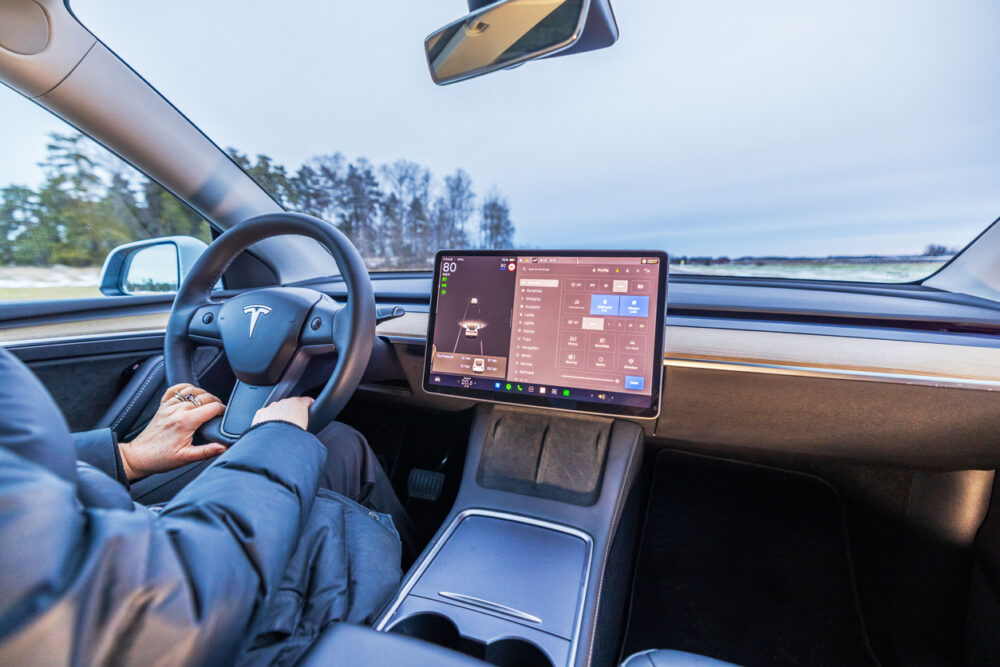
Falling prices are transforming how drivers view electric vehicles. What was once an exclusive purchase reserved for early adopters with deep pockets is now becoming a real option for everyday buyers. More affordable costs are drawing in curious shoppers who may have hesitated just a year or two ago.
This shift is not only opening doors for consumers but also reshaping the auto industry. A used EV no longer feels like a gamble—it’s becoming a practical investment with growing appeal.
1. Affordability is pulling in first-time buyers.

Used EVs are finally priced within reach for many households that never considered them before. With lower sticker prices, shoppers can now explore electric options without stretching their budgets or overcommitting financially. This broader accessibility is fueling new interest in markets once dominated by gas-powered cars.
As costs fall, buyers feel less intimidated about experimenting with newer technology. Instead of committing to a pricey new EV, they can test the waters with a used one at a manageable cost. This trend is expanding the market well beyond early adopters.
2. Depreciation is no longer a deal breaker.
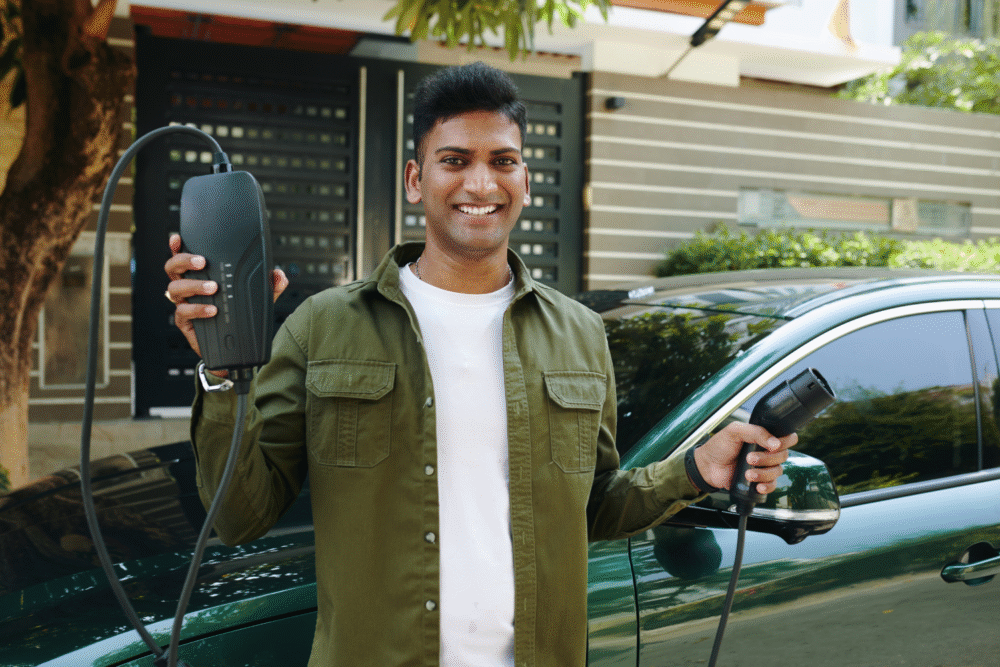
Early EV models were notorious for rapid depreciation, making resale values discouragingly low. But as technology stabilizes and demand for affordable options grows, that sharp decline is slowing down. Buyers are realizing used EVs now hold their value better than before.
For sellers, this creates more confidence in listing their cars at fair prices. For buyers, it reduces the risk of owning an EV that loses too much value. Together, these changes are making the used EV market feel more balanced.
3. Leasing programs are fueling supply.

As more people lease new EVs, the secondhand market is filling with gently used cars after just a few years. These returns often come with low mileage, solid warranties, and updated features, making them especially attractive to shoppers on a budget.
This steady supply helps normalize used EV buying. Consumers can browse a wider variety of models instead of chasing limited inventory. With options expanding, prices naturally ease downward, creating a healthier and more competitive marketplace.
4. Incentives are trickling down to used cars.

While tax credits and rebates traditionally applied to new EVs, growing programs are beginning to extend benefits to used models. These incentives, combined with already reduced prices, make buying a pre-owned EV even more appealing.
For budget-conscious shoppers, the possibility of shaving off thousands in costs is a game changer. Access to financial perks once limited to new buyers helps level the playing field, driving more interest in the secondhand EV space.
5. Range anxiety is easing with better batteries.
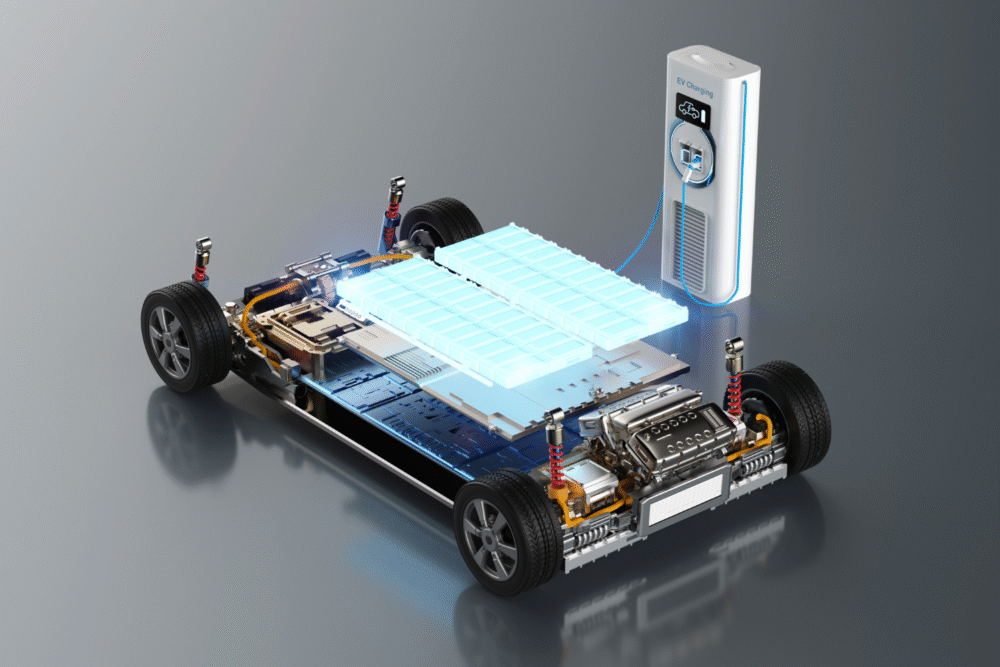
Older EVs once came with limited ranges that turned off potential buyers. But newer generations of batteries have improved, and many used models now offer solid performance that meets everyday needs. For urban commuters, a pre-owned EV can provide more than enough mileage.
As drivers see that used EVs can reliably handle daily trips without constant charging, confidence grows. Lower costs plus dependable range make the idea of going electric more comfortable for mainstream shoppers.
6. Charging infrastructure is catching up.
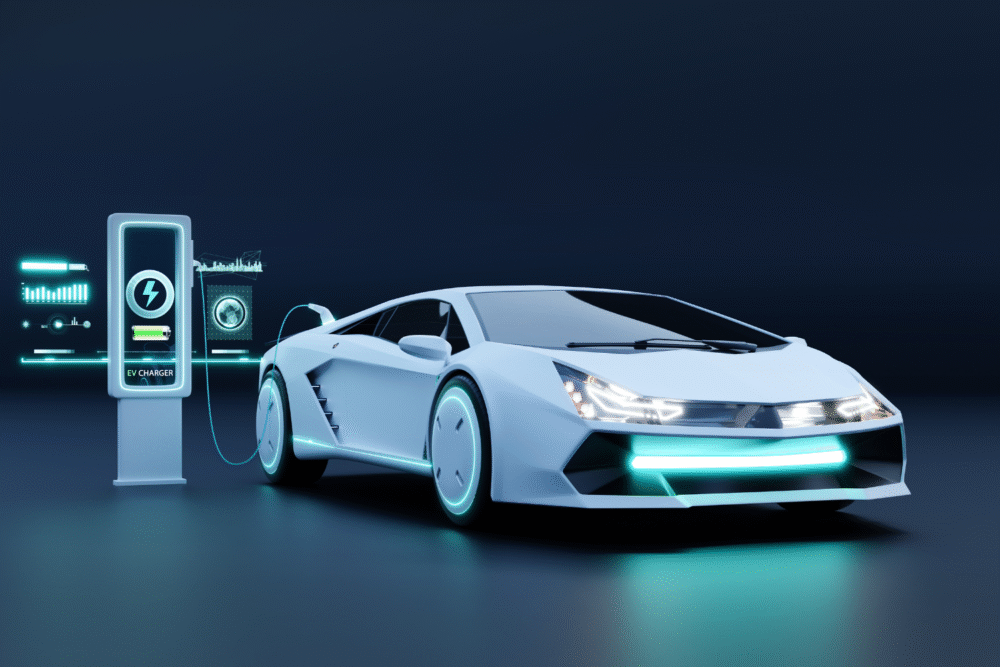
A few years ago, buying a used EV meant worrying about where to plug in. Today, public charging networks are expanding rapidly, easing those fears. As access improves, even owners of older EVs feel more confident they can charge when needed.
This broader infrastructure makes used EV ownership more practical. Buyers no longer have to live near a major city or rely solely on home charging. With infrastructure improving, used EVs are now seen as realistic options for a wider audience.
7. Lower maintenance costs boost appeal.
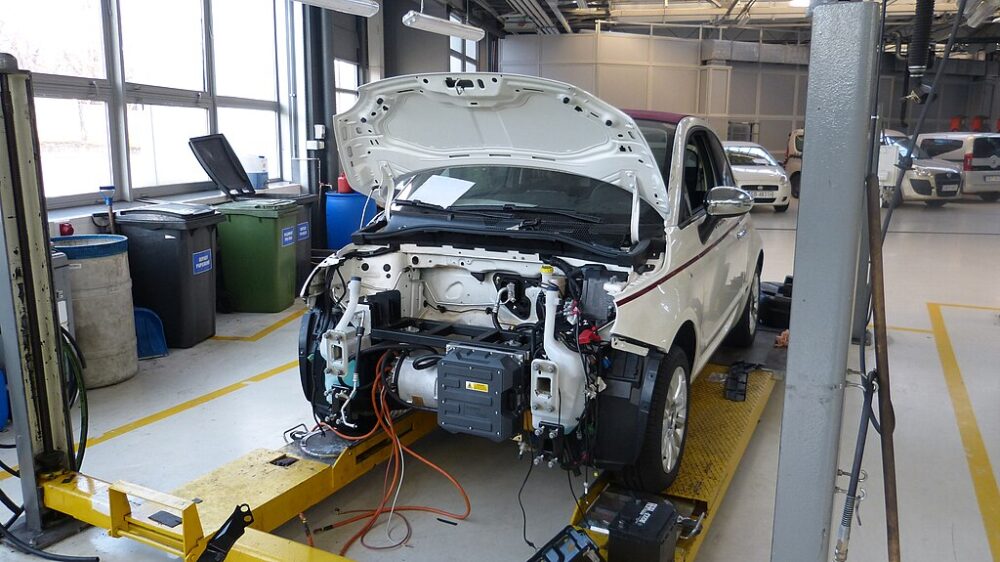
One of the biggest selling points of EVs is their reduced need for maintenance compared to gas cars. With fewer moving parts, used EVs avoid many costly repairs. Buyers are starting to appreciate that even older EVs can save money over time.
This factor softens the fear of investing in a secondhand electric car. Knowing routine care is simpler and repairs less frequent gives buyers more peace of mind, making the reduced upfront price even more attractive.
8. Tech features still feel fresh.

Even used EVs tend to offer features like regenerative braking, touchscreen displays, and advanced driver assistance that stand out compared to older gas-powered models. Buyers don’t feel like they’re sacrificing modern conveniences when they choose a secondhand option.
That sense of staying current adds value. For many, a three- or four-year-old EV feels much newer than a gas car of the same age, making the lower price tag feel like a bargain rather than a compromise.
9. Environmental values align with budgets.
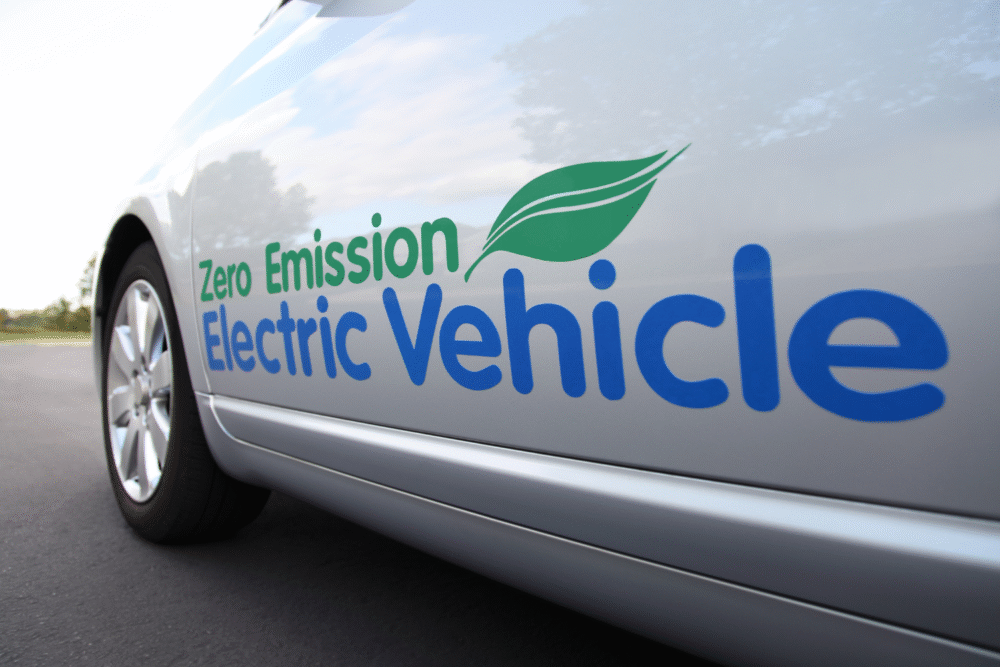
Many consumers want to reduce their carbon footprint, but new EV prices kept that out of reach. Now, lower costs on used models allow more people to align their values with their wallets. Shoppers can make eco-friendly choices without overspending.
This blending of environmental consciousness and affordability strengthens demand. It allows buyers to feel good about their purchase both ethically and financially, reinforcing the momentum behind the secondhand EV market.
10. Dealers are more motivated to move stock.

As EV adoption increases, dealerships are managing larger inventories of pre-owned models. To keep vehicles moving, many are more flexible on pricing, offering deals and financing options that make used EVs even more appealing.
This competitive environment favors the buyer. Instead of fighting over limited options, shoppers now see multiple deals and incentives. The resulting price drops continue to push demand higher, stabilizing the used EV sector.
11. Word of mouth is breaking down skepticism.

Early fears about EV reliability and resale value kept many buyers hesitant. But as more people purchase used EVs successfully, word spreads that the risks are smaller than imagined. Stories from friends, family, or coworkers carry weight in changing minds.
That social reassurance adds to the momentum. Hearing real-world experiences reduces hesitation, making buyers more willing to take the leap. Lower prices may open the door, but trust built through shared experiences is what sustains the market’s growth.