
European nations demonstrate stronger employee protections and leisure policies than the u.s.
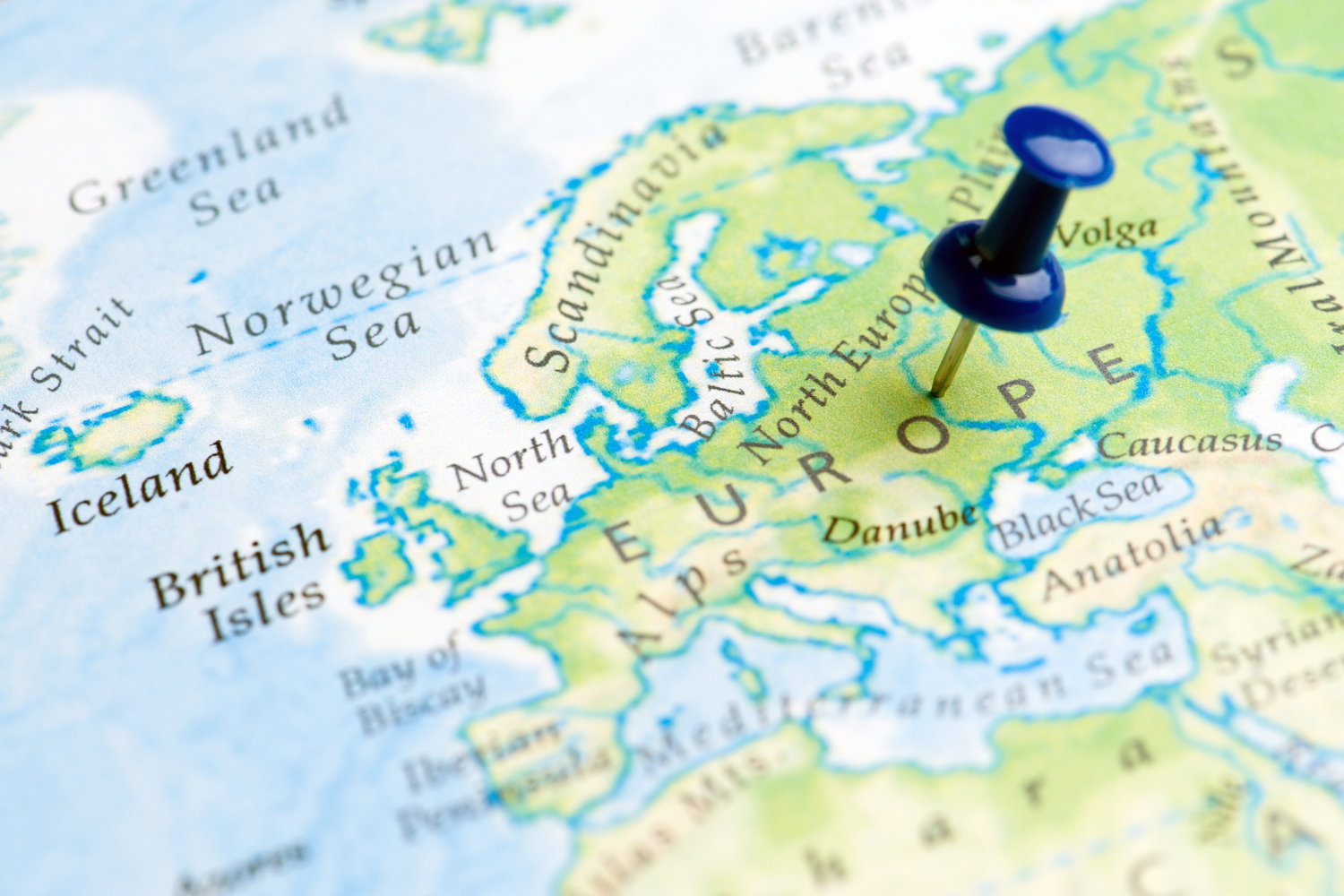
Several European countries consistently outperform the United States in achieving a healthier work-life balance, thanks to shorter working hours, more generous vacation policies, and robust labor laws. These nations emphasize employee rights and cultural attitudes that prioritize personal time alongside professional duties. Understanding these differences sheds light on how work-life harmony can be thoughtfully cultivated through policy and societal values rather than reduced productivity.
1. Denmark offers a strong emphasis on leisure alongside professional commitments.
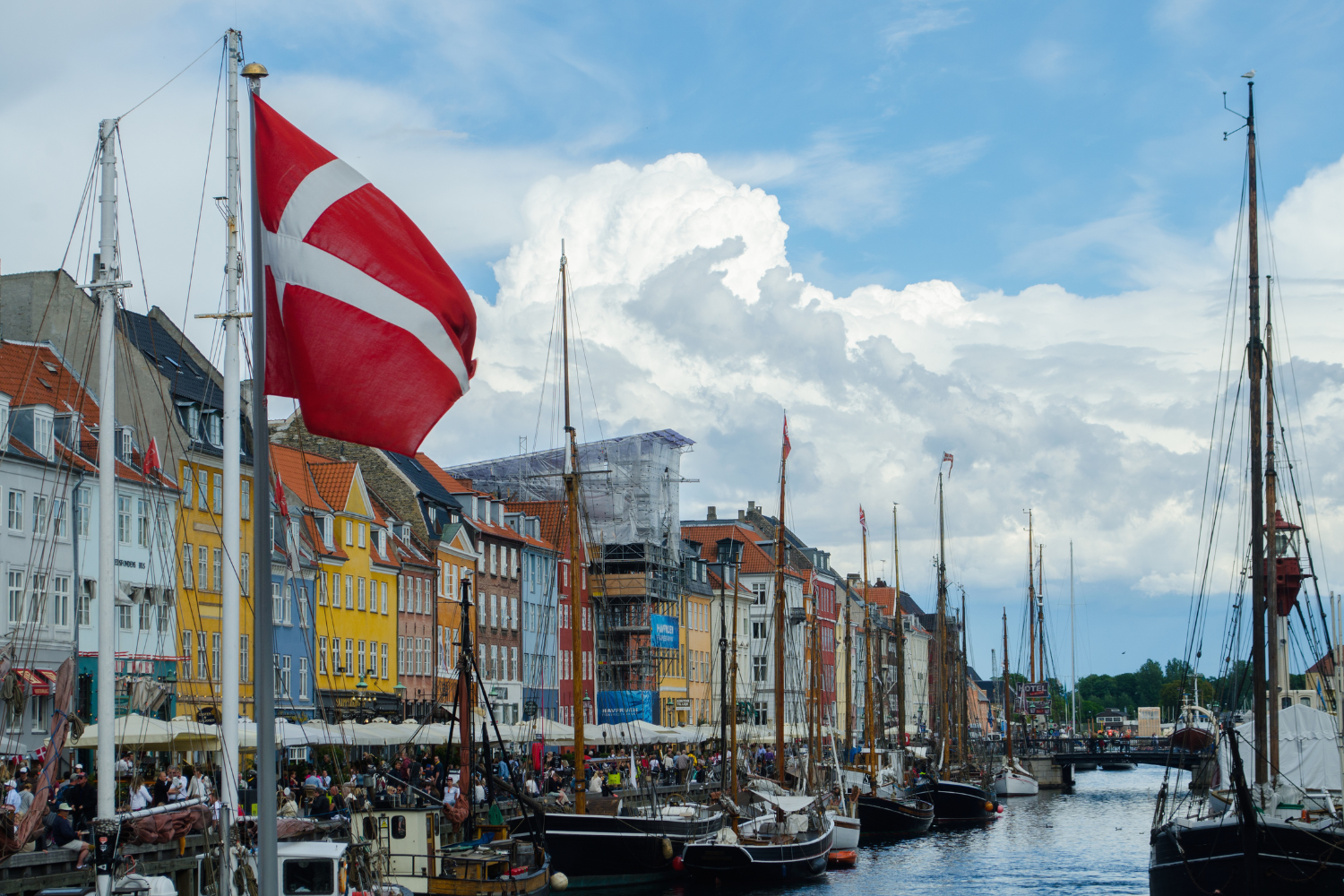
Denmark stands out for valuing leisure equally with professional responsibilities. The country adopts short working weeks and extensive holiday policies to ensure employees have space for personal pursuits. This approach creates a harmonious environment where high productivity meets a genuine appreciation for downtime.
Employees in Denmark benefit from laws supporting this balance, reducing stress related to overworking. Danish workplaces often promote a culture of trust and responsibility, allowing professionals to prioritize both career goals and personal aspirations. The overall societal focus leans towards creating fulfilling life experiences beyond the daily grind.
2. Sweden prioritizes flexible working hours and generous parental leave policies.
Sweden is renowned for integrating flexible working hours and inclusive parental leave into its labor landscape. The country offers up to 16 months of shared parental leave, encouraging family time and gender equality at home. Such policies ensure that work does not overshadow personal life.
Flexible hours empower Swedish employees to adapt their schedules to personal needs, increasing satisfaction and productivity. This structure supports a thriving environment where quality of life takes precedence, showcasing a unique synergy between familial responsibilities and professional commitments. Sweden exemplifies a forward-thinking approach to work-life dynamism.
3. Norway balances high productivity with extensive vacation time for residents.

Norway masters the art of combining high productivity with generous vacation options. Workers enjoy five weeks of vacation annually, fostering a culture that values rest as essential to success. Efficient working habits are balanced with expectations for meaningful breaks, promoting overall societal wellness.
Norwegian labor policies are built on the principle that rejuvenated workers deliver exceptional results. The country’s natural landscapes encourage leisure activities that reinforce this ethos, allowing individuals to explore outdoor adventures and focus on family time. This creates an ecosystem where career achievements and personal fulfillment coexist effectively.
4. Finland encourages shorter workweeks to enhance overall wellbeing and focus.
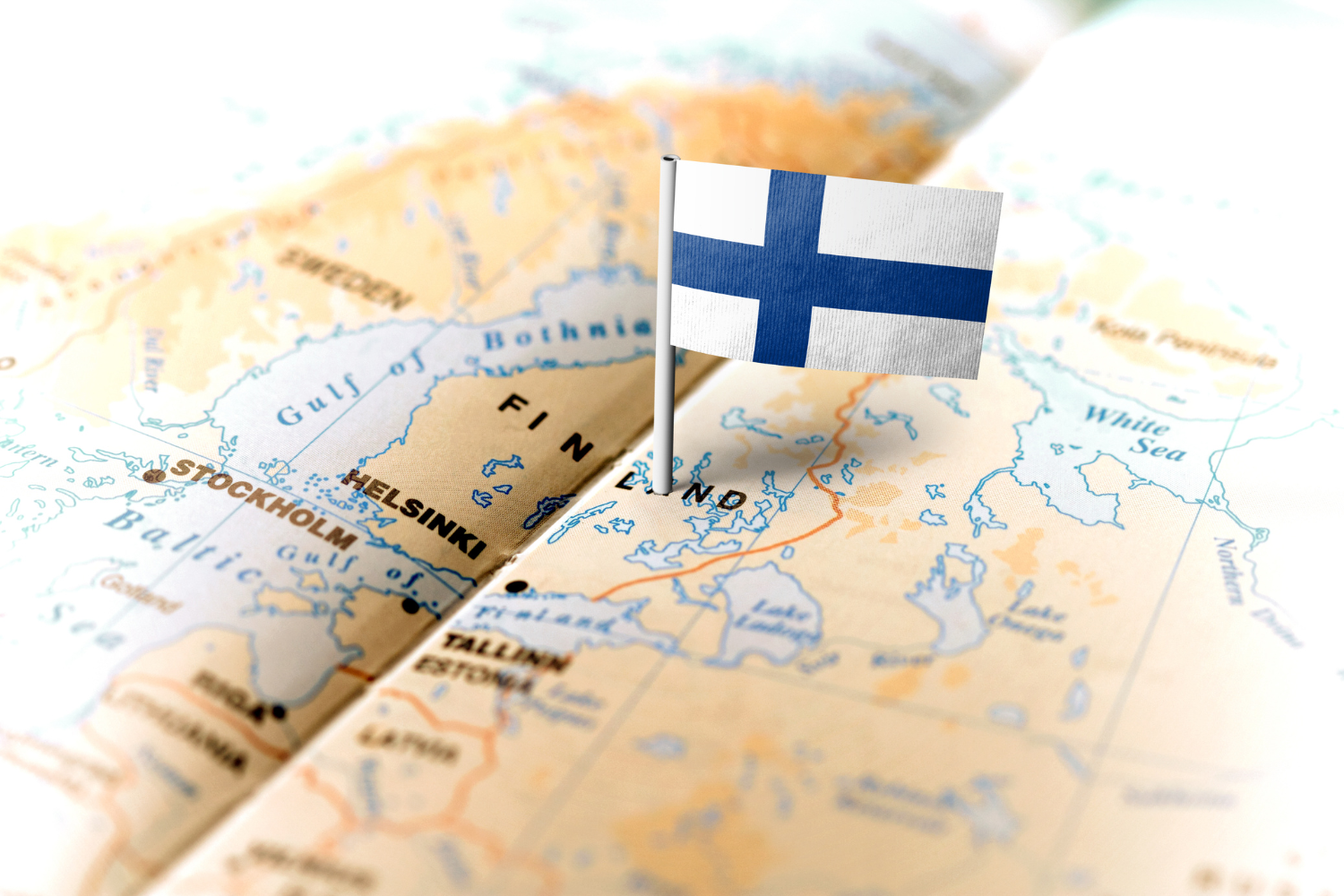
In Finland, the push for shorter workweeks seeks to enhance societal wellbeing. Finnish workers typically enjoy shorter hours, with many workplaces adopting innovative schedules focused on greater efficiency. This emphasis on balance reduces burnout risk and fosters a nurturing environment for personal development.
By championing truncated workweeks, Finland promotes a culture where leisure and mental health are priorities. This model ensures that people are not consumed by their jobs, granting them opportunity to pursue hobbies and family life meaningfully. Such practices demonstrate Finland’s holistic approach toward traditional work norms.
5. The Netherlands supports part-time work to help employees maintain personal interests.
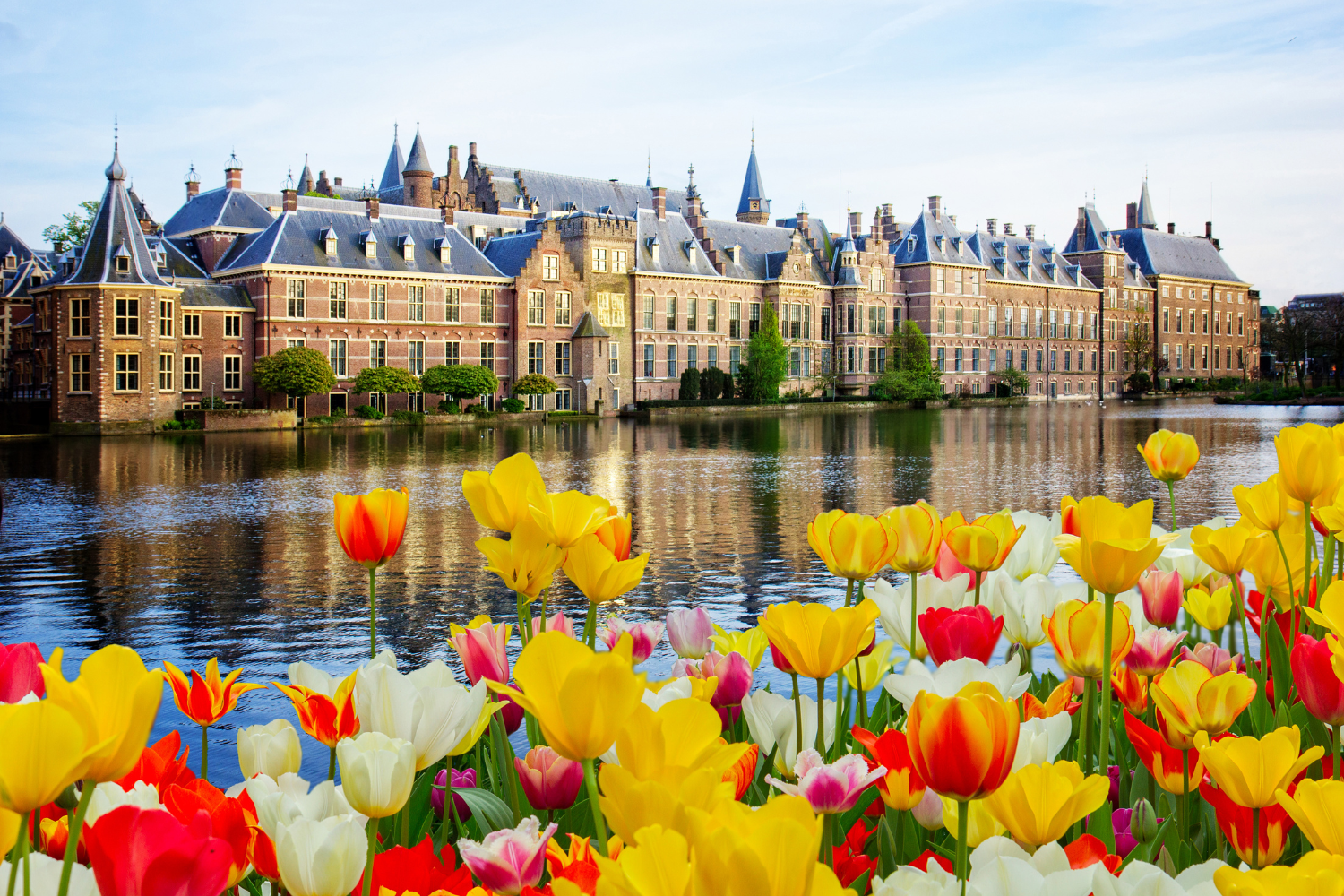
The Netherlands offers support for part-time employment, helping people maintain diverse interests beyond work. Here, part-time opportunities are widespread and valued, contrasting with some countries where they’re stigmatized. This acceptance fosters an inclusive atmosphere that encourages work-life integration.
Dutch labor structures create possibilities for individuals to blend professional tasks with personal enterprises seamlessly. This arrangement not only champions work-life balance but also enriches personal growth. With a focus on flexibility and societal inclusion, the Netherlands crafts a thriving, multifaceted environment supporting diverse lifestyles at every stage.
6. Germany maintains a culture of strict work boundaries and ample holiday allowances.
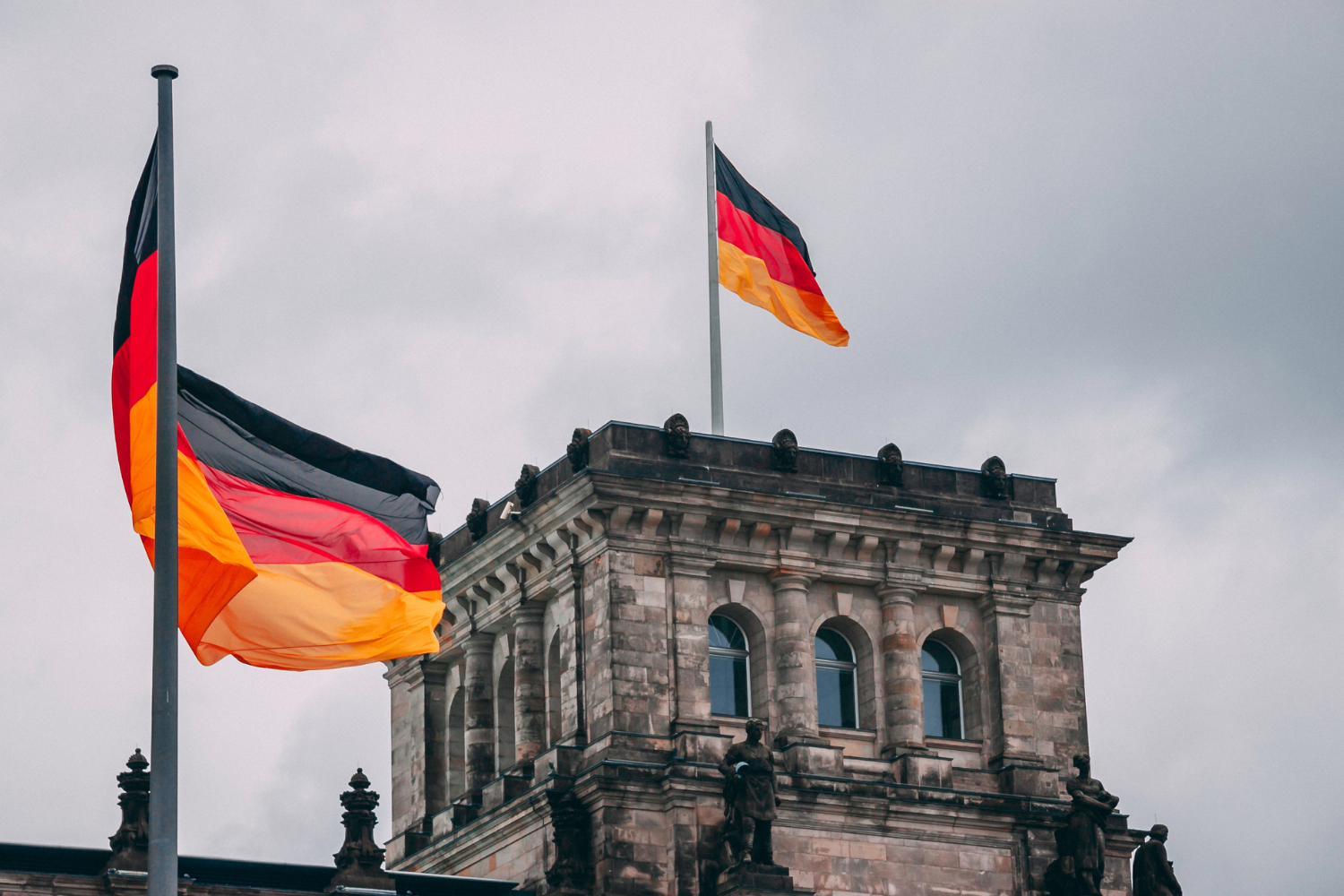
Germany’s labor culture emphasizes strict boundaries, enhancing employee satisfaction through clear work-life demarcations. Germans often enjoy reduced hours with generous holiday allocations, minimizing work-related stress and prioritizing personal pursuits. The result is a robust environment focused on maintaining sustainable working conditions.
Strict adherence to labor regulations ensures that German professionals experience refreshing respites from their duties. These robust boundaries not only provide repose but empower individuals to focus on quality time outside the workplace. This approach underscores the value of conscious separation between labor and leisure in German society.
7. Switzerland promotes efficient work environments paired with generous rest periods.
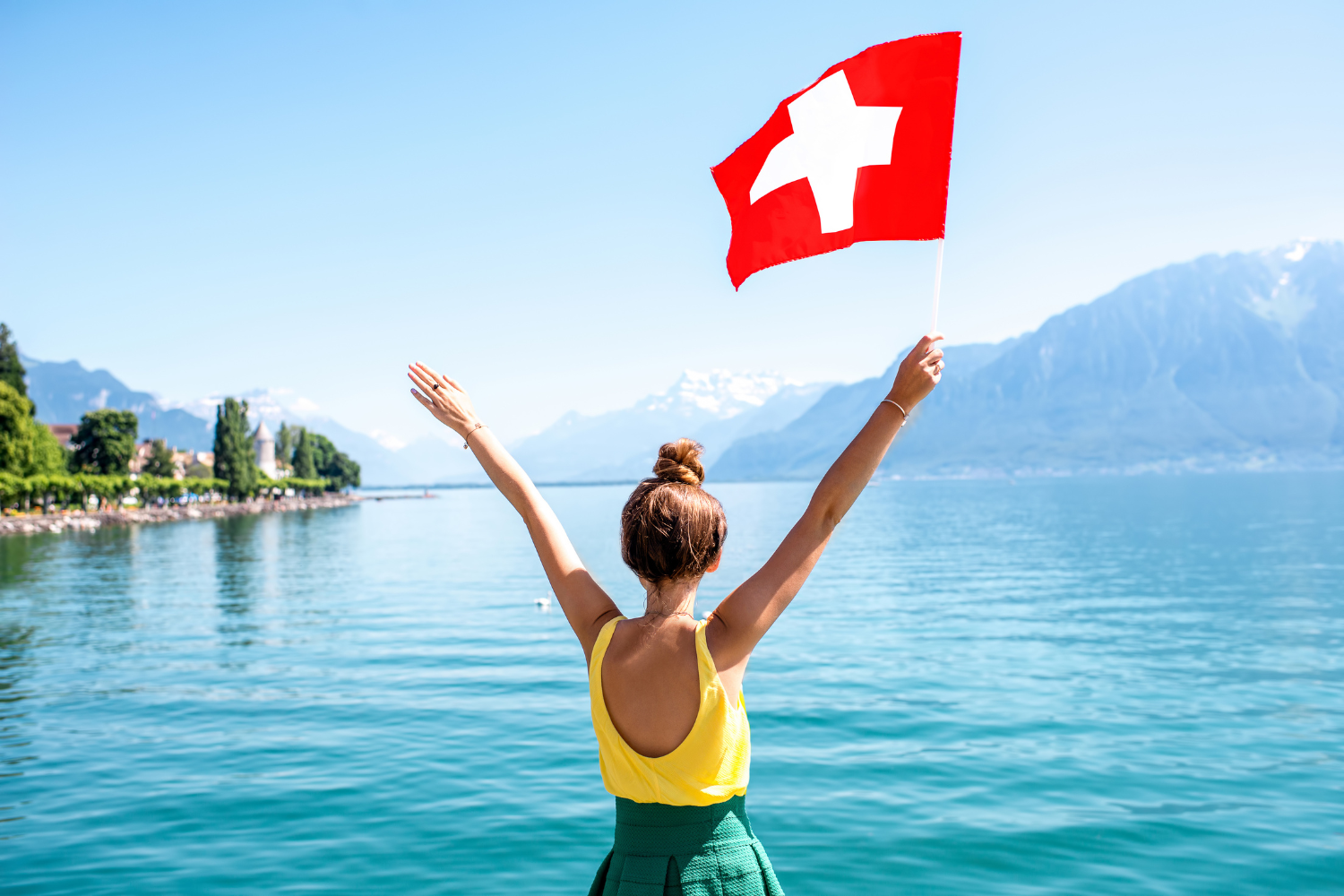
Switzerland fosters efficient work environments supplemented by ample rest periods, supporting sustainable productivity. The nation’s structured schedules ensure balance, with workers encouraged to engage fully when at work. This dedication to efficiency allows generous time for recuperation, aligning with Switzerland’s holistic view on health.
The Swiss approach to labor underscores rest as fundamental for long-term success. External activities are equally regarded, promoting well-rounded lives. Such systems contrast with overwork cultures, showcasing how carefully managed schedules can foster both career development and enriching leisure experiences for individuals within a healthy society.
8. Austria fosters a social approach to work with plenty of downtime.
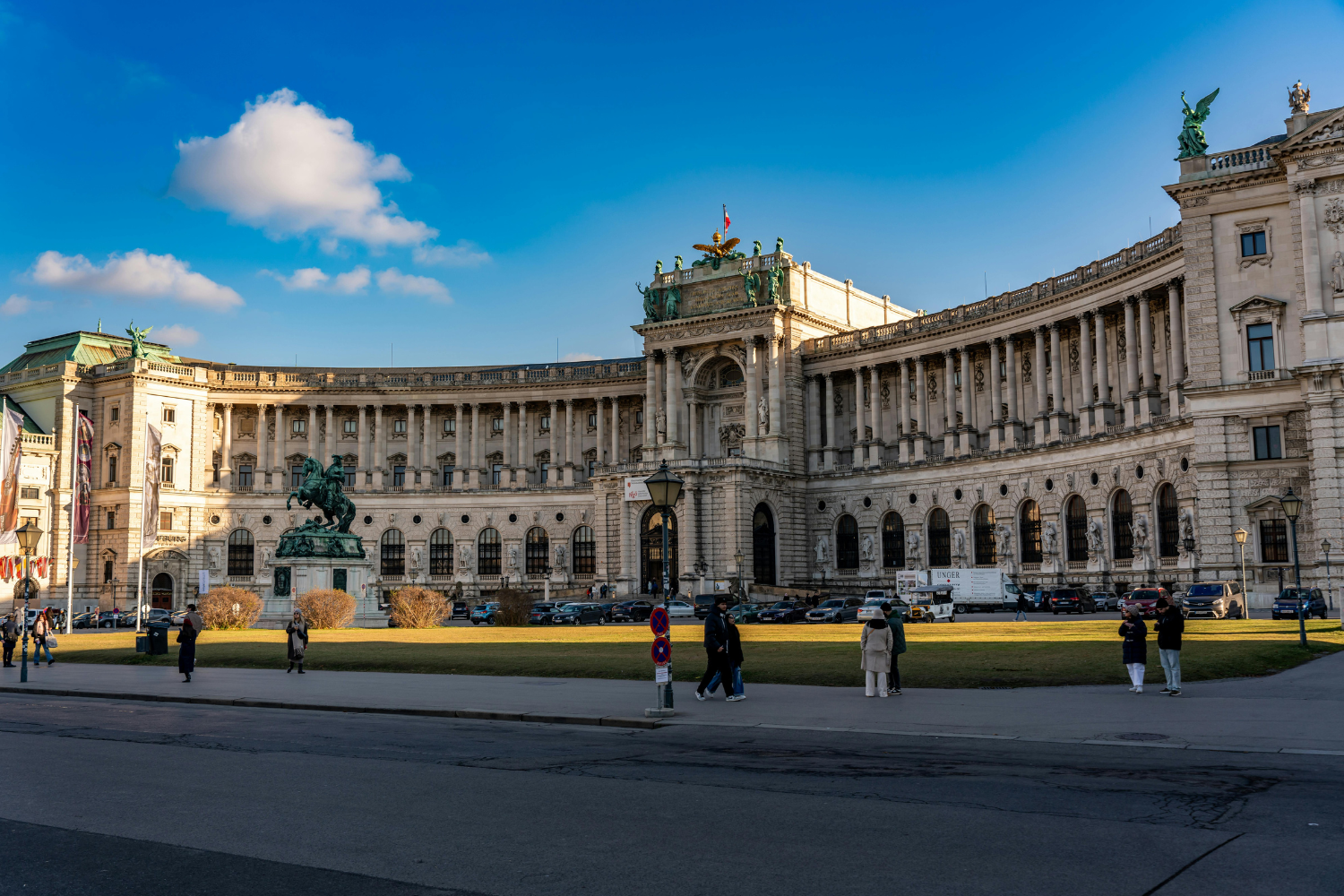
Austria embraces a social approach to work, incorporating significant downtime into daily life. Austrian labor principles offer spacious vacation periods, emphasizing the importance of leisure. The culture supports rejuvenating experiences away from work, often nurturing strong community and familial ties.
This sociable ethos manifests in relaxed workplace atmospheres where interaction thrives alongside productivity. Austrians value both career achievement and personal relationships, shaping a distinctive environment where community involvement and personal interests are integrated seamlessly into the professional domain. Such values affirm Austria’s commitment to enriching life on all fronts.
9. France supports long lunch breaks and legal limits on overtime hours.

France’s labor system integrates long lunch breaks with strict limits on overtime, exemplifying a distinctive work-life balance. French work culture tends to resist extending workdays unnecessarily. Consequently, traditional leisure practices such as extended mealtimes remain essential components of the daily rhythm.
By setting definitive boundaries on labor, French workplaces encourage a focus on quality over quantity. The cultivation of personal time, enriched by leisurely activities, underscores France’s dedication to sustainable labor practices. Such policies foster a national environment where personal wellbeing is inextricably linked to professional accomplishment.
10. Belgium offers flexible schedules encouraging employees to control their time.
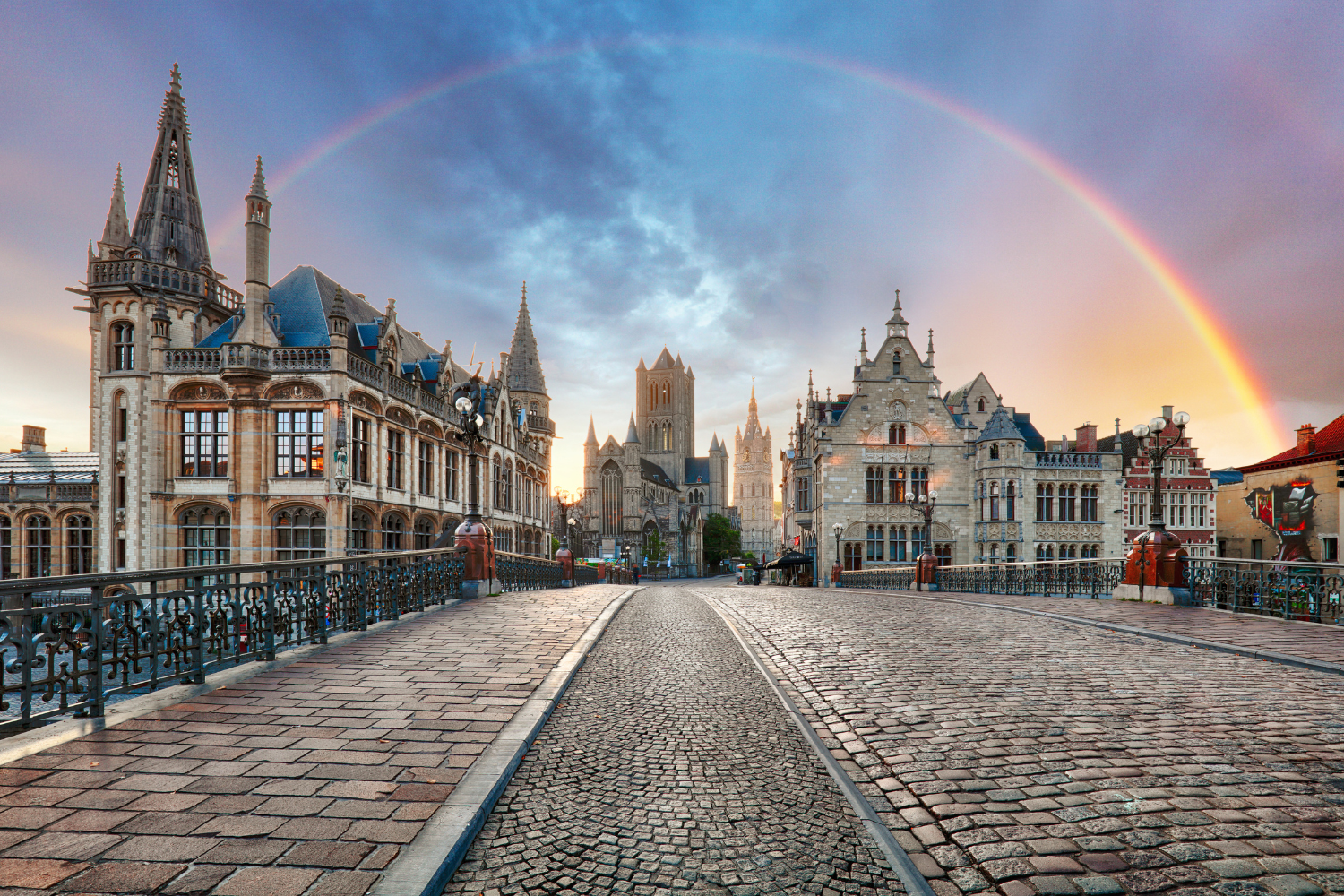
Belgium provides flexible schedules, granting employees control over their time. Adaptability within Belgian workplaces ensures individual needs are met without sacrificing productivity. This autonomy empowers professionals, enhancing satisfaction by enabling daily schedules to reflect personal and professional priorities equally.
Hotels and tech companies across Belgium exemplify this balance, supporting diverse work cultures that foster resilience and innovation. Here, adaptability and productivity go hand in hand, encouraging employees to retain agency over their time. Such reactions advocate for a nuanced approach to work, accommodating modern employees’ evolving needs.
11. Ireland integrates modern work practices with respect for personal time.

Ireland combines contemporary labor strategies with respect for personal time, highlighting balance as a core workforce tenet. Business practices often encourage remote work or flexible schedules, underpinning the commitment to both professional progress and personal wellness. Companies here value employee autonomy and job satisfaction simultaneously.
The Irish work culture often integrates days spent working from rural settings, promoting balance through connectivity. By blending innovative strategies with a focus on personal needs, Ireland’s approach represents a dynamic evolution of traditional settings into progressive, growth-centric arenas promoting enduring work-life symbiosis.
12. Portugal values balance by emphasizing family life along with professional duties.

Portugal places emphasis on family life, championing a working framework that fosters deeper familial connections. The country’s labor landscape underscores this by providing structured flexibilities that ensure work does not overshadow intimate experiences. The focus remains on enriching community and home life alike.
Family values and work-life symbiosis drive the Portuguese ethos, offering generous leave policies and reasonable working hours. This position nurtures a community-focused environment where cultural priorities and professional activities coexist seamlessly. Such dedication to balancing these spheres illustrates Portugal’s commitment to overall societal harmony.