
Partners taking initiative on chores promotes fairness and harmony in shared living spaces.

Managing household chores proactively helps maintain a balanced and comfortable home environment. When partners share responsibilities without waiting to be asked, tasks get done efficiently, preventing clutter and stress. Clear communication about expectations and preferences ensures fair task delegation, making home maintenance a joint effort. This collaborative approach supports relationship harmony and creates a welcoming living space for everyone involved.
1. Clean the kitchen counters and wipe down all appliances regularly.

Kitchen counters are a hub of activity and can quickly gather crumbs, spills, and smudges. Regularly cleaning these surfaces prevents buildup and maintains hygiene. Wipe down appliances frequently to keep them looking new and to prevent grime from settling in hard-to-reach places.
Consistent cleaning not only ensures a sanitary environment but also enhances the kitchen’s overall appearance. Appliances such as stovetops and microwaves often require more attention due to frequent use. Maintaining a tidy kitchen promotes efficiency and makes cooking a more pleasant experience for everyone involved.
2. Take out the trash before it starts to overflow and smell.

Trash management involves more than just taking out the garbage. Regularly emptying bins prevents unpleasant odors and reduces the risk of pests. Disposing of waste properly ensures a clean environment, minimizing the chance of accidental spills or messes throughout the home.
By addressing this task routinely, partners can avoid last-minute scrambles to handle overflowing garbage. Consistent attention to trash disposal reflects a proactive attitude and a commitment to maintaining a pleasant living space. This small act of responsibility can significantly impact overall household harmony.
3. Vacuum common areas to keep the floors tidy and dust-free.

Vacuuming common areas is essential for keeping floors free of dust, dirt, and allergens. Frequent vacuuming not only enhances the appearance of the home but also contributes to a healthier indoor environment by reducing airborne particles.
When partners take turns or share responsibilities for vacuuming, it helps maintain a clean living space and prevents dust buildup. Regular maintenance of flooring not only improves aesthetics but also extends the life of carpets and rugs, making a noticeable difference in a home’s upkeep.
4. Load and unload the dishwasher promptly after each meal.
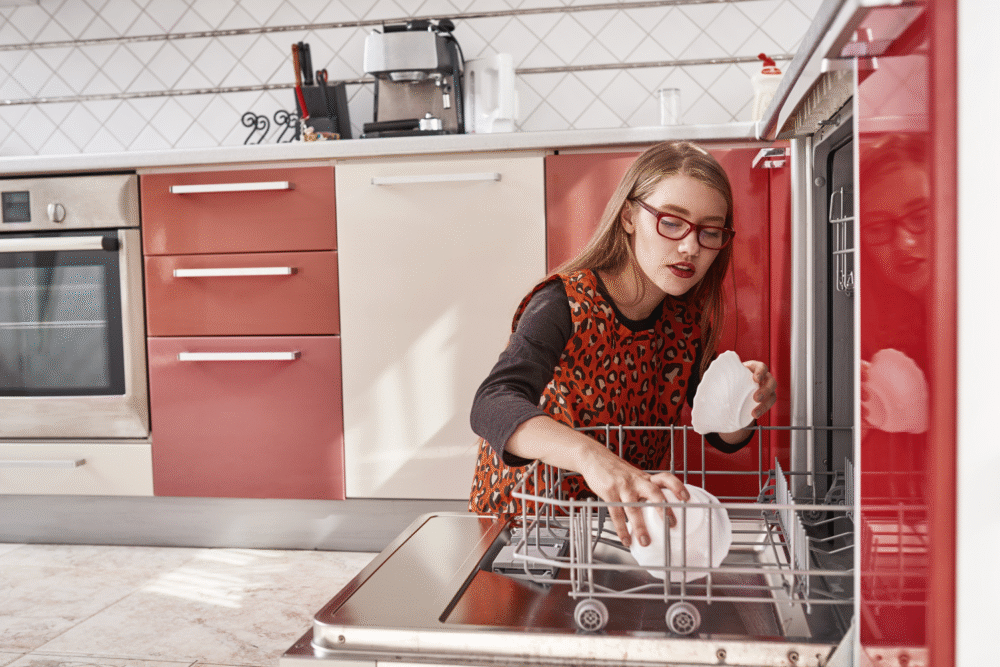
Efficiently handling dishwashing tasks can significantly reduce kitchen clutter. Loading and unloading the dishwasher promptly ensures that clean dishes are always available, while dirty ones don’t accumulate and cause unpleasant smells.
When partners collaboratively manage this task, it prevents dish pile-ups and makes meal preparation more enjoyable. Consistent attention to this task reflects a smooth-running household, where chores are handled efficiently, contributing positively to shared living experiences.
5. Fold and put away laundry to keep clothes organized and neat.
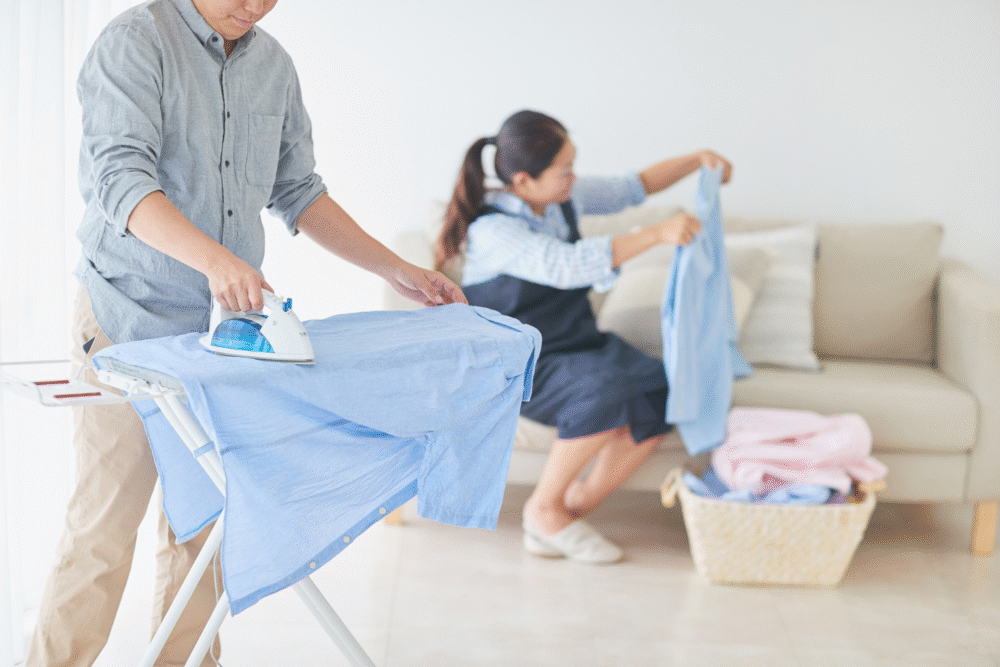
Folding and putting away laundry prevents clutter from accumulating in bedrooms and closets. This task helps keep clothes organized, making it easier to find what is needed without unnecessary stress.
Consistent attention to laundry management avoids the chaotic search for garments, fostering a tidy and peaceful environment. Sharing this responsibility strengthens the sense of partnership, showing that both individuals are committed to maintaining a neat and orderly home.
6. Sweep and mop hard floors to maintain a clean, polished look.

Sweeping and mopping hard floors regularly is crucial for maintaining cleanness and preventing dirt buildup. These actions remove dust and grime, giving floors a polished look that enhances the overall appearance of living spaces.
Regular floor maintenance is more than cosmetic; it prevents potential hazards from slips and trips due to accumulated grime. By sharing this responsibility, partners ensure that their home remains inviting and safe for both residents and guests alike.
7. Water indoor plants to keep them healthy and vibrant.

Indoor plants require regular watering to thrive and maintain their vibrant appearance. This seemingly small task contributes to a lively and healthy home atmosphere, as plants purify the air and add natural beauty.
Regular watering schedules ensure plants receive adequate care and nourishment, avoiding wilting or browning. A shared commitment to plant care signifies teamwork and enhances the home environment, creating a refreshing and energizing space for everyone.
8. Change bed linens weekly for a fresh and comfortable sleep space.

Changing bed linens weekly maintains a fresh and comfortable sleeping environment. Clean linens contribute to better sleep quality by minimizing exposure to dust mites and allergens, ensuring a restful and healthy night’s sleep.
Regularly updating bedding demonstrates attention to personal and shared living comfort. When handled cooperatively, this task supports overall well-being and shows mutual care for each partner’s relaxation and restfulness in the home.
9. Clean the bathroom sink and mirror to prevent buildup and spots.
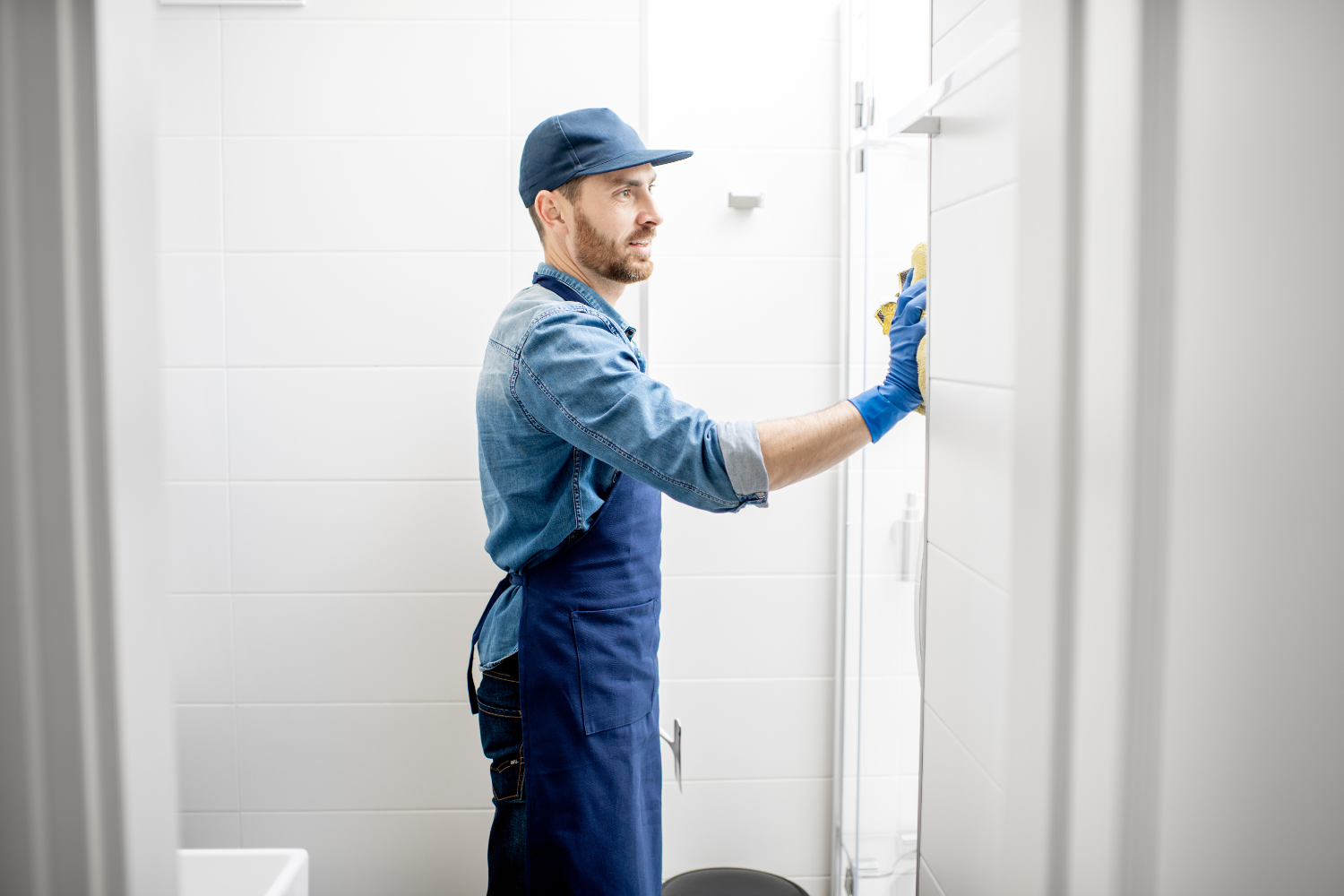
The bathroom sink and mirror collect toothpaste splashes, soap residue, and other contaminants quickly. Regular cleaning prevents unsightly buildup and keeps these areas shining. A clean mirror enhances visibility and maintains a tidy, inviting bathroom environment.
When partners attend to these areas, it reflects care for each other’s daily routines. Regular cleaning avoids the necessity for extensive scrubbing later and maintains a pleasant and hygienic space for personal care activities.
10. Dust furniture and shelves to reduce allergens and maintain shine.

Dusting furniture and shelves regularly helps reduce allergens and keeps surfaces clean and shiny. Dust accumulation not only affects appearance but also air quality, impacting health and comfort at home.
Shared responsibility for dusting ensures that all living areas remain polished and welcoming. This task helps preserve furniture quality and fosters a healthier environment, further enhancing the harmony and livability of the shared space.
11. Refill household supplies like soap, paper towels, and toilet paper.

Household supplies like soap, paper towels, and toilet paper are essential everyday items. Regularly checking and refilling these ensures they are always available when needed, avoiding inconvenient shortages during crucial moments.
Anticipating supply needs reflects a proactive approach, ensuring that the household operates smoothly. Partners who manage this task show consideration and practicality, enhancing daily convenience and reducing stress related to stock outages.
12. Organize shared spaces to create a welcoming and clutter-free home.

Organized shared spaces promote a welcoming and functional home environment. Clutter can create stress and make areas less usable, so regular tidying keeps things orderly and helps maintain a balance of shared living experiences.
Through joint efforts to organize, partners create a simple, efficient space conducive to relaxation and productivity. This ongoing commitment positively impacts daily living, reflecting mutual respect for shared areas and enhancing overall household harmony.