
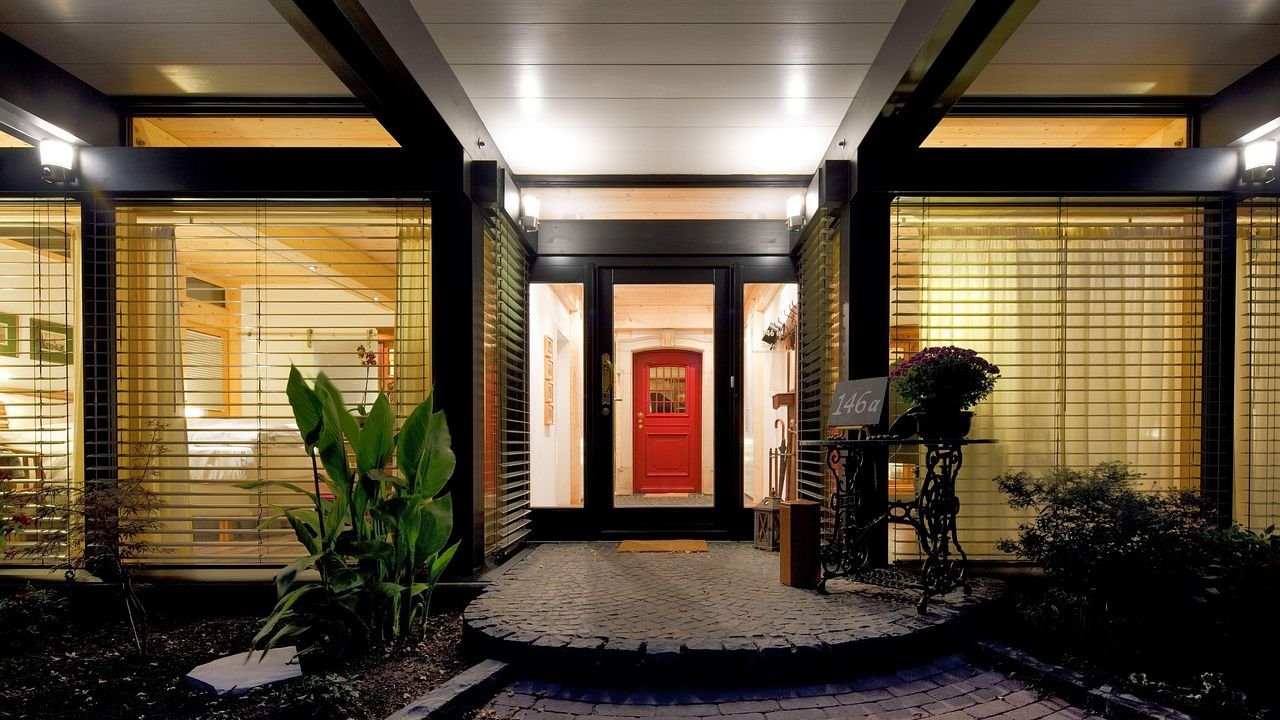
There’s something almost unnerving about walking into someone’s home for the first time. Before a word is spoken, before a tour is offered, before you’ve even glanced past the entryway, a trained interior designer has already started reading the space. And reading you. Your foyer is not just a transitional zone. It’s the opening paragraph of your financial story.
Most people obsess over their living rooms and kitchens. They buy the right sofa. They splurge on a backsplash. Meanwhile, the foyer sits there, quietly betraying everything. It’s the first thing anyone sees, and yet it’s routinely neglected. The signals it sends are fast, specific, and surprisingly accurate. So what exactly are designers clocking the moment they walk in? Let’s get into it.
1. The Quality of the Flooring Underfoot

The floor is unavoidable. You literally step onto it first. When it comes to flooring, nothing beats the beauty and authenticity of natural materials. From luxurious hardwood to polished stone tile, natural flooring materials are a timeless choice that will never go out of style. A designer’s eye drops immediately – not consciously, just reflexively. They’re checking whether the material is genuine or imitation. Is it engineered oak or real stone? Are those actual travertine tiles or luxury vinyl mimicking stone?
If natural materials are all the rage right now, it stands to reason that consumers are growing tired of their imitation counterparts. Artificial wood, in particular, may offer the allure of affordability and consistency, but it simply can’t compete with the real thing. There’s something inherently special about the imperfections and character that come with real wood flooring, especially as it ages gracefully over time. Honestly, that subtle difference is something designers spot within a step or two. Wide-plank hardwood, limestone, or aged stone? That reads as serious money. Luxurious limestone floor tiles have become a hallmark of refined living, blending timeless beauty with lasting durability. Their natural textures and subtle tones create a sense of warmth that elevates any space. For buyers seeking elegance and value, they embody both sophistication and practicality.
2. The Lighting Fixture (or the Absence of One)
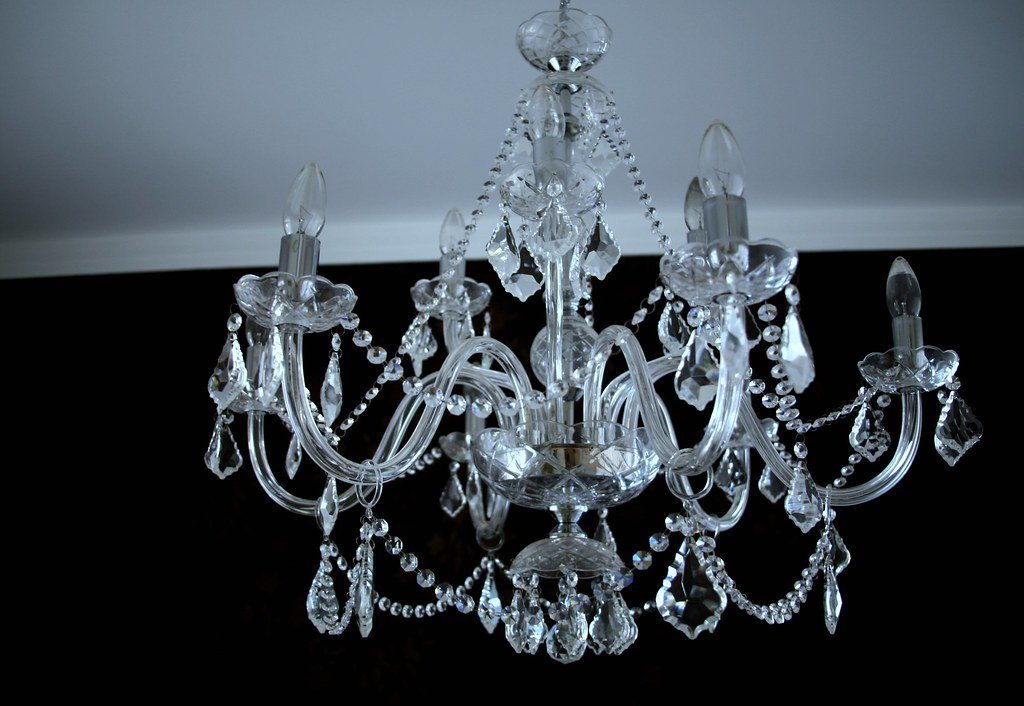
Lighting is arguably the most crucial feature. Natural light opens up a space and makes it look larger. It is incredible how big of a difference something as small as a window or light will have on the overall look of a room. A ceiling light chosen with intention screams investment. A bare bulb, a builder-grade flush mount, or a cheap pendant from a chain store? That tells a completely different story – and designers know it immediately.
Lighting is no longer just functional. It’s art, architecture, moodmaker. In 2025, buyers are looking for layered lighting schemes: ambient, accent, task, and decorative, all working in harmony. A statement chandelier or a sculptural sconce in the foyer signals that the homeowner understands light as design. Lighting plays a major role in transforming your entryway. Whether it’s a bold chandelier or sleek wall sconces, good lighting creates an inviting atmosphere. A well-lit entryway feels warm and welcoming, while also giving the space an air of sophistication.
3. Whether There Is Original Art on the Walls

Let’s be real: a printed canvas from a discount homeware store and an original oil painting do not look the same. Designers are trained to read the difference in seconds. The wall art market is estimated to grow from $64 billion in 2024 to $101.3 billion by 2032. The US wall art market alone is projected to reach $80.9 billion by 2030. The market is surging precisely because people understand that art is one of the clearest visual signals of taste and, by extension, wealth.
Original art – even emerging artists – carries a weight that mass-produced prints simply never do. The scale matters too. A perfectly sized piece suggests professional curation. An undersized poster floating on a large wall? That’s the foyer of someone who hasn’t thought deeply about the space yet. Start with a statement piece, such as a mirror or a piece of art, to anchor the design. Then layer smaller items like ceramic bowls for keys, a beautiful candle holder, or stacks of books to create height and dimension.
4. The Ceiling Height and Architectural Detail
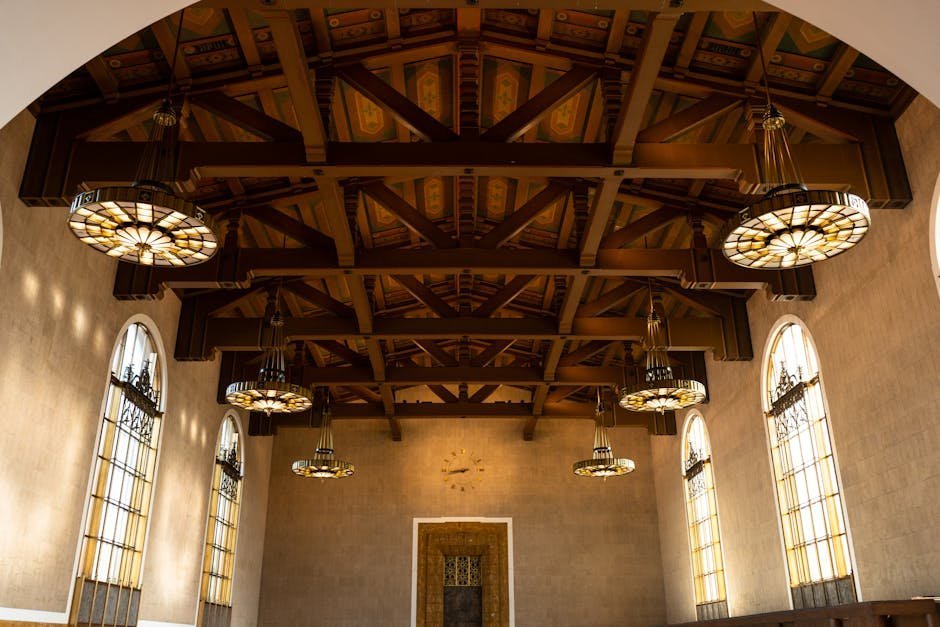
Here’s the thing – you don’t choose your ceiling height after the fact. It is baked into the bones of the building itself, and high ceilings with architectural millwork or coffering are a direct reflection of what was spent on the structure. A low, flat ceiling covered in generic paint says “functional.” A soaring foyer with crown moulding, plaster detailing, or a coffered treatment says something else entirely.
In 2025, ostentation is giving way to what’s often called quiet luxury. Buyers seek restraint: flawless workmanship, hidden transitions, flush joinery, and modest detailing that reads as expensive, not showy. Architectural detail is especially telling because it can’t easily be faked or swapped out like a rug. A foyer with sculptural plaster archways is a multi-thousand-dollar commitment. Curved architecture and furniture with softened silhouettes have moved from trend to standard expectation in luxury residential work. Sculptural plaster archways, curved banquettes built directly into the room’s architecture, and furniture pieces with no single straight edge are now baseline requirements for projects above the €500,000 fit-out threshold.
5. The Presence (or Total Absence) of Clutter
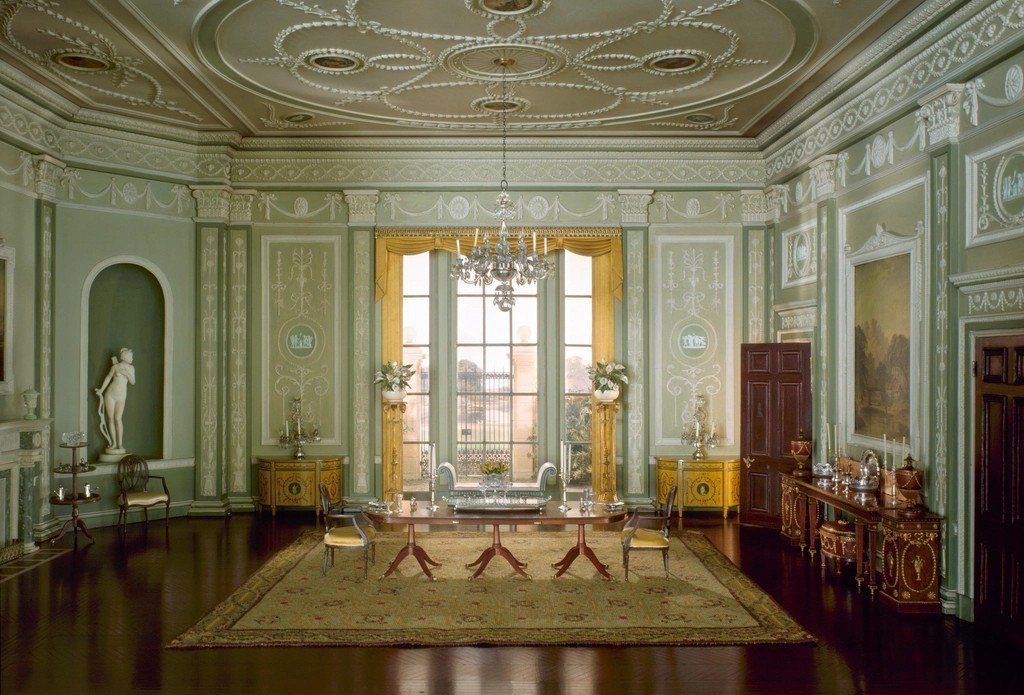
Clutter is a complex signal. A messy foyer doesn’t always mean financial struggle, but it does reveal something about intentionality – and that matters enormously to a designer. Quiet luxury has emerged as a defining interior design trend for 2025, emphasizing understated elegance through high-quality craftsmanship and timeless aesthetics rather than ostentatious displays of wealth. Homes where wealth is deeply established tend to feel edited. Curated. There is space between objects.
Cluttered entryways with mail stacked on console tables, shoes piled near the door, and random accessories crowding the space suggest a home where storage solutions haven’t been invested in. The quiet luxury trend recommends focusing on quality over quantity, investing in fewer but better pieces, and maintaining clean, uncluttered spaces that allow materials and craftsmanship to shine. Think of it this way: abundance and clutter are not the same thing. True wealth, in design terms, is space itself.
6. The Console Table and What Sits on It
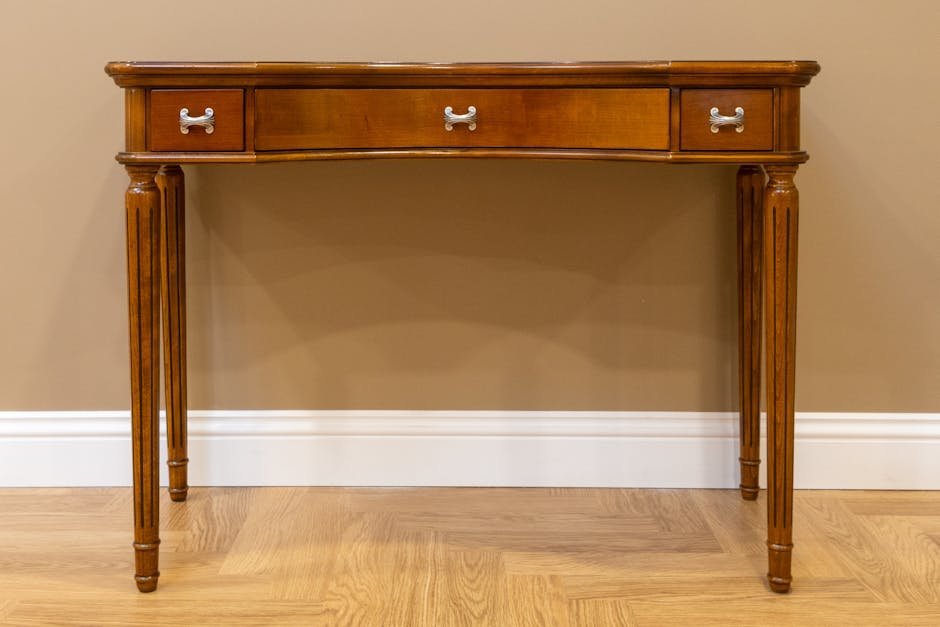
A console table in the foyer is one of the most revealing objects in the entire home. Its presence alone suggests intentionality. Its absence suggests the space hasn’t been given serious design consideration. Interior designer Kathy Kuo noted she’s been seeing more care and intention put into entryway design. She adds that more styled vignettes on entryway console tables, as well as statement lighting and mini gallery wall motifs, are now prominent signals of thoughtful design.
What sits on that console table is the micro-detail designers scrutinize. Mass-produced ceramic trinkets in generic shapes? That reads as budget accessorizing. A hand-thrown ceramic bowl from an artisan, a single piece of sculptural decor, or a linen-bound book stack? Affluent buyers are shifting away from mass-produced items toward limited-edition pieces, heritage brands, and custom commissions that reflect personal taste and cultural values. A key driver is the growing appreciation for artisanal production, with data showing that a very large majority of premium decor purchases involve products with documented craftsmanship origins, such as hand-carved wood or handwoven textiles. That’s the difference a trained eye catches in an instant.
7. The Scent and Sensory Environment
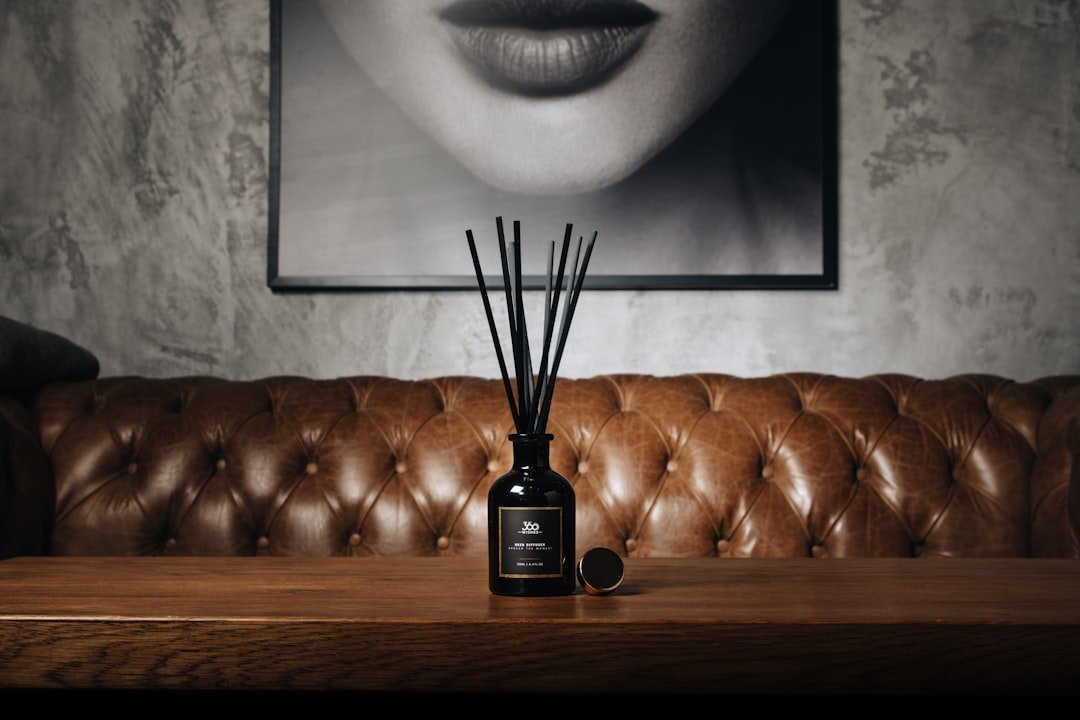
This one surprises people. It’s not just visual. The moment a designer walks in, their nose is working too. There’s a rise in subtle indulgence, where quality speaks in hushed tones: ultra-soft cashmere throws, handmade zellige tiles, and wall finishes that shift color with the time of day. The olfactory layer is part of this. A foyer that smells like synthetic air freshener signals one kind of home. A foyer that carries the subtle scent of a high-quality candle or natural beeswax signals something entirely different.
It’s hard to say for sure how consciously designers process this, but experienced professionals confirm it plays a role in their overall read of the space. Luxury interior design in 2025 moves beyond opulence for the sake of opulence. It becomes more nuanced, focusing on quality, personalization, and emotional resonance. True luxury now lies in craftsmanship, unique materials, and spaces that tell a story. Scent is part of storytelling. A home that smells intentional and sophisticated reinforces every visual signal the foyer is sending.
8. The Quality of Hardware and Door Fixtures

Nobody talks about this one enough, but it’s significant. The door handle you turn when entering, the coat hooks, the visible hardware on any cabinetry – these are micro-signals of investment. Buyers and designers seek restraint: flawless workmanship, hidden transitions, flush joinery, and modest detailing that reads as expensive, not showy. Instead of gold hardware everywhere, the savvy buyer wants mixed metals used sparingly, refined custom cabinetry, and materials chosen for longevity. The statement is in the seam, the corner detail, the way light plays across a perfectly finished surface.
Cheap, lightweight hardware that wobbles or rattles is a giveaway. Meanwhile, a solid brass, brushed bronze, or unlacquered lever handle with real heft tells a different story entirely. Artisan plasterwork, bronze and unlacquered brass hardware with intentional patina specifications, and hand-thrown ceramic tile installations as architectural focal points are among the established luxury details commanding the strongest client interest. The quality of hardware is basically the punctuation of interior design. You might not notice it consciously, but your subconscious absolutely does.
9. Natural Materials vs. Synthetic Substitutes
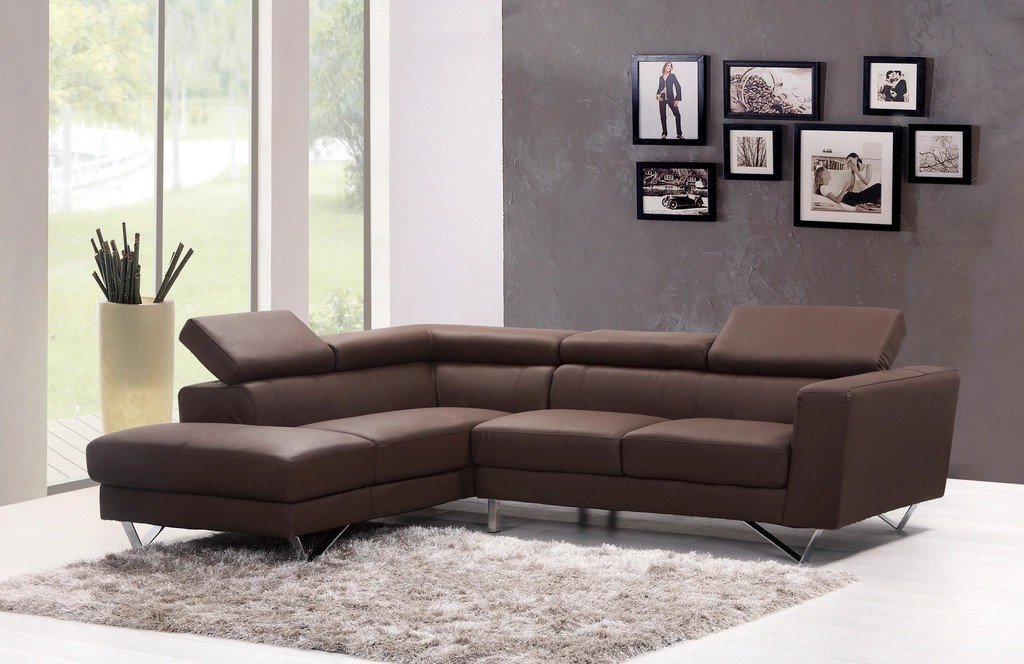
Quiet luxury, a trend that began to first gather steam through 2023, has continued to grow through 2024. It hinges on the concept of old money, where subtle cues indicate wealth, versus new money, where wealth may be showy, obtrusive, and transient. Nowhere is this more visible than in material choices. A foyer lined with real marble, genuine limestone, or actual solid oak carries a completely different energy than one filled with convincing replicas.
Quiet luxury interiors are defined by their use of high-quality, natural materials: marble and travertine for countertops and flooring. These materials not only look elegant but also age gracefully, adding character over time. A designer walks in and physically touches a surface within seconds – not rudely, just by brushing past or placing a hand near a wall. Floors and surfaces demand noble materials: oiled oak, Burgundy stone, travertine with subtle variations, marbles chosen for their veining. The thermal response of real stone versus a synthetic surface is almost instant and unmistakable to someone who handles materials professionally.
10. The Scale and Proportion of the Space
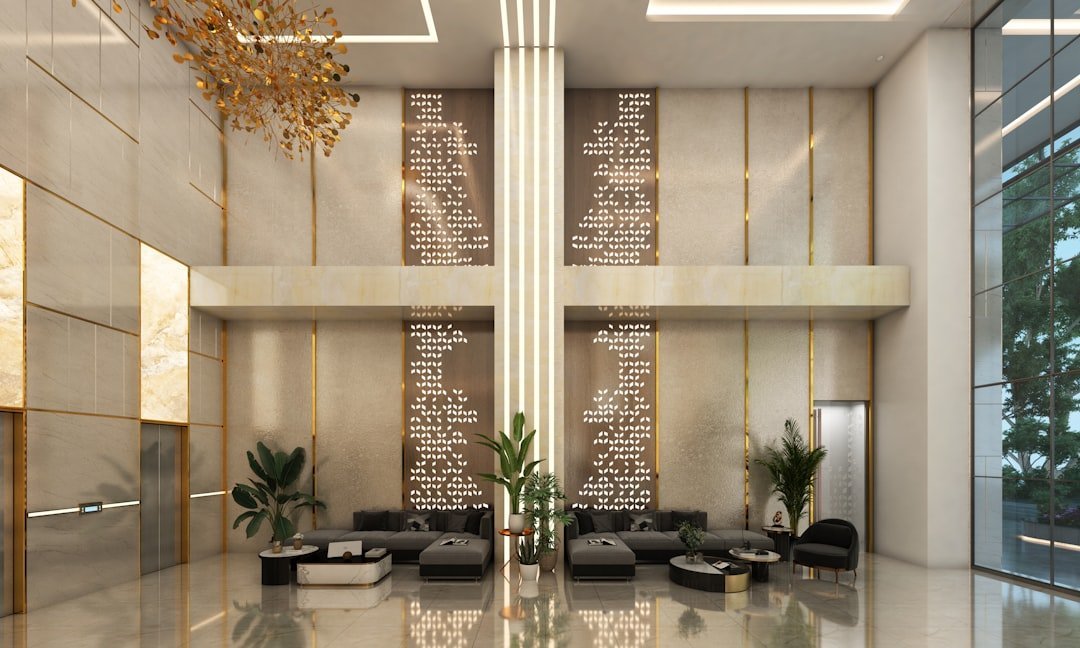
Square footage communicates net worth more bluntly than almost anything else. A foyer large enough to include a bench, a console, and art without feeling overcrowded is a luxury that millions of homeowners simply cannot afford. Open spaces are associated with calmness and an inviting nature, ideal for the entrance. Generosity of space in the entry alone tells an experienced designer that significant money was spent on the overall footprint.
Proportion also extends to how furniture fits the space. An undersized mirror on a grand foyer wall or an oversized console crammed into a narrow hallway both reveal a mismatch between aspiration and execution. In compact luxury flats, even a single stone feature wall or a marble-topped dining table can anchor a room with understated opulence, proving that stone doesn’t need to overwhelm to feel luxurious. Getting proportion right requires either professional help or a very educated eye – and both cost something. The result, when it works, is obvious immediately.
Conclusion
Your foyer is doing a lot of talking before you ever open your mouth. It reveals investment decisions, taste level, attention to detail, and in many cases, the approximate bracket you occupy financially. The fascinating part is that most of this information is gathered by a trained eye in under ten seconds. That’s less time than it takes to say hello and hang up a coat.
The global home decor market reflects just how seriously people take their spaces. The global home decor market size was valued at USD 746.90 billion in 2024 and is projected to reach from USD 776.03 billion in 2025 to over USD 1 trillion by 2033. People are investing heavily in their homes. The question is whether they are investing thoughtfully – or just spending. That distinction, too, is visible the moment someone steps through the front door.
The foyer is not just a passageway. It’s a portrait. Make sure it’s painting the picture you actually intend. What would your foyer say about you right now if a designer walked in today?