

You spend weeks crafting your resume. You rehearse your answers in the mirror. You iron your shirt the night before. Yet somehow, within the first couple of minutes of sitting down in that chair, the recruiter has already mentally moved on to the next candidate.
It sounds unfair. Honestly, in some ways it is. But the hiring world is brutally fast-paced, and the signals you send in those opening moments carry enormous weight. What most people don’t realize is that it’s rarely the big, obvious blunders that sink an interview – it’s the small, overlooked habits that quietly scream “wrong fit.” Let’s dive in.
1. You Walk In Without Knowing Anything About the Company

There is almost nothing that frustrates a recruiter faster than asking a candidate what they know about the company – and being met with a vague, half-mumbled non-answer. It signals not just a lack of preparation, but a lack of genuine interest. If you couldn’t spare twenty minutes to read the company’s website, why should they spare twenty minutes interviewing you?
Research shows that roughly 95% of candidates research a company before applying, which means when you show up without that knowledge, you stand out – and not in a good way. Recruiters notice immediately. Think of it like showing up to a first date and not knowing the other person’s name. The damage is done before the main course arrives.
2. You Show Up Late – or Embarrassingly Early

Late is an obvious disaster, but here’s the thing: arriving more than fifteen minutes early is almost equally awkward. It puts pressure on the recruiter, interrupts their schedule, and honestly makes you seem like you have nothing else going on. The sweet spot is five to ten minutes early, no more.
Punctuality is one of the most basic signals of professionalism and respect. When you’re late, you’ve already broken trust before the conversation even begins. Recruiters are busy people – on average, hirers spend roughly two thirds of their time on the interview process, and it takes three to four weeks to complete a hire. Wasting even a few minutes of that time sends a message loud and clear.
3. You Avoid Eye Contact or Make Way Too Much of It
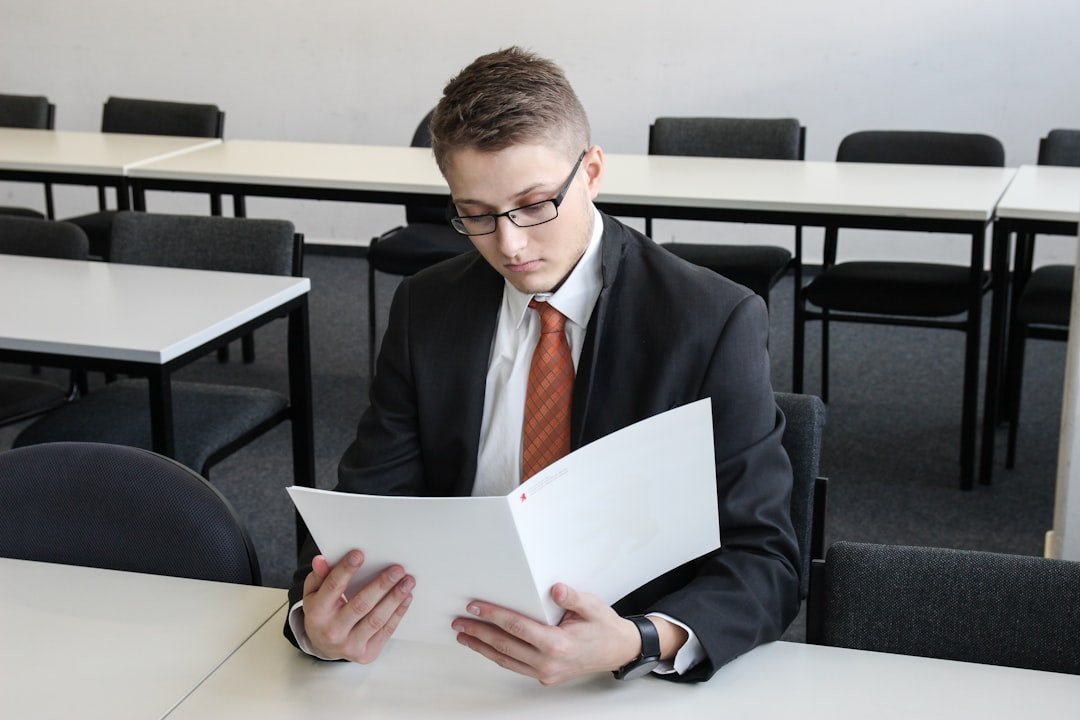
Eye contact is one of those invisible, primal signals that humans read in fractions of a second. Too little, and you come across as nervous, dishonest, or disengaged. Too much – the kind where you stare unblinking like you’re trying to win a contest – and you’ve entered uncomfortable territory fast.
First impressions based on appearance and non-verbal cues can trigger bias within seconds, and unstructured visual cues often allow interviewers to confirm their initial reactions almost immediately. Natural, warm eye contact says: I’m confident, I’m present, I’m interested. It’s a small thing that carries an outsized impact, and most people severely underestimate it.
4. You Badmouth a Previous Employer

Let’s be real – most people have had a boss they couldn’t stand. That’s practically a universal human experience. The difference is, the interview room is absolutely not the place to air that grievance. The moment you start criticizing a former employer, the recruiter is no longer thinking about your skills. They’re thinking about what you’ll say about them someday.
It’s a trust issue as much as it is a professionalism issue. It tells the interviewer that you struggle with discretion, that you may carry resentment into a new workplace, and that you might not take personal accountability seriously. Frame every difficult work experience as a learning moment instead – that pivot alone can save an otherwise great interview from going sideways.
5. Your Body Language Is Closed Off or Sloppy
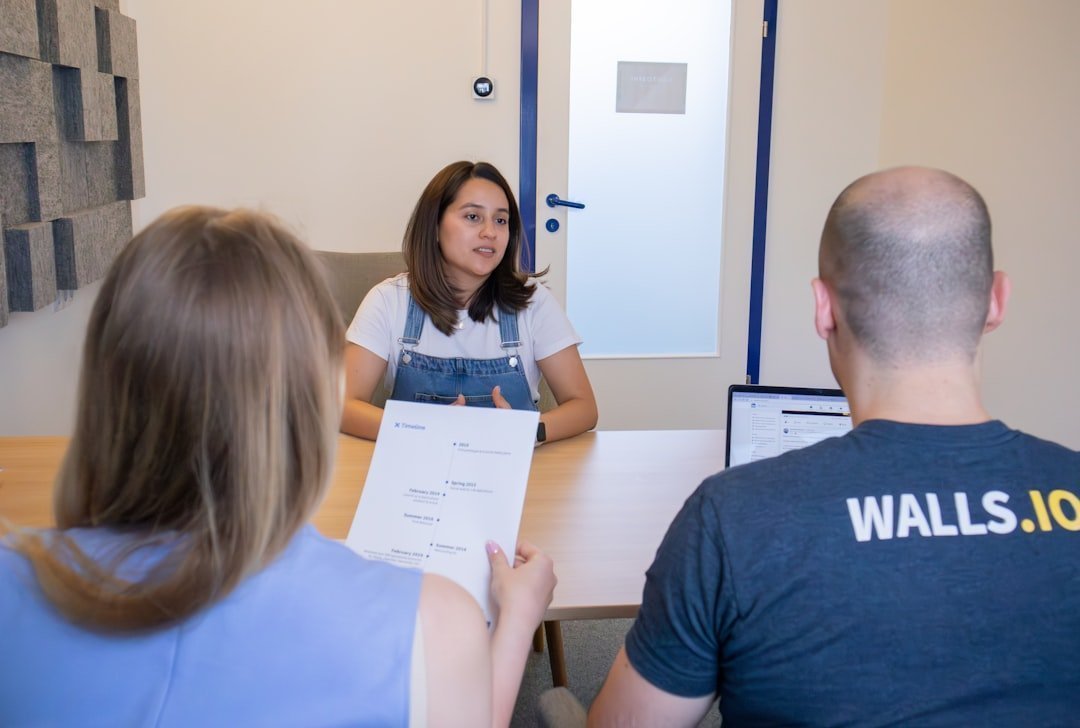
Slouching in your chair, crossing your arms, fidgeting constantly, or leaning back like you’re watching TV at home – these things register with a recruiter almost instantly. Body language communicates before you even open your mouth, and closed, defensive postures signal anxiety, indifference, or arrogance depending on context.
The interview stage introduces multiple bias points that can undermine objective evaluation, and first impressions based on appearance and body language can influence judgments within seconds. Sit upright, lean slightly forward to signal engagement, keep your hands relaxed and visible. It sounds almost comically simple, yet it remains one of the most common ways candidates quietly disqualify themselves without saying a word.
6. You Give Vague or Rehearsed-Sounding Answers

There’s a particular kind of interview answer that sounds polished on the surface but says absolutely nothing of substance. “I’m a passionate team player who thrives in dynamic environments.” Sure, okay. So does everyone else in the waiting room. Recruiters have heard that sentence roughly ten thousand times, and it lands with all the impact of elevator music.
Concrete examples are everything. Specific numbers, real situations, actual outcomes – these are the things that make an answer memorable and believable. It’s hard to say for sure exactly when a recruiter’s eyes glaze over, but experienced hiring professionals report that generic, canned responses are among the most common reasons a candidate’s stock drops mid-interview. Think of your answers like mini case studies, not corporate poetry.
7. You Lie or Exaggerate on Your Resume – and Get Caught

This one is both surprisingly common and surprisingly easy to detect. One study found that roughly a third of applications contain a lie, and nearly half of recruiters have caught an applicant lying on their resume. When your resume says you led a team of fifteen people and then you can’t describe a single leadership challenge, that gap becomes very obvious, very fast.
The moment a recruiter senses inconsistency between what’s on paper and what you’re saying out loud, confidence in you as a candidate collapses. It’s not just about the lie itself – it’s about what the lie reveals about your character. And in a world where background checks are routine, it’s a risk that simply isn’t worth taking. Be honest about what you did; frame it compellingly instead.
8. You Have No Questions to Ask at the End

The classic “any questions for us?” moment arrives, and the candidate smiles and says “No, I think you’ve covered everything!” What feels polite in the moment actually reads as disinterest. Recruiters interpret having no questions as a sign that you haven’t thought deeply about the role, the team, or the company’s direction.
Thoughtful questions signal intellectual curiosity and genuine investment. They show that you’ve been actively listening and that you care about the fit from your side too. Research indicates that roughly 72% of candidates say the smoothness of an interview process would affect their final decision on whether to take the job – which means the conversation should feel mutual, not like a one-sided interrogation. Prepare at least three solid questions. It’s one of the easiest ways to leave a strong final impression.
9. You Seem Desperate or Overly Eager in the Wrong Way

Confidence is magnetic in an interview. Desperation is the opposite. When a candidate implies they’ll accept any salary, any role, any hours – or volunteers that they “really, really need this job” – it creates a subtle alarm in the recruiter’s mind. Desperation rarely reads as motivation. It usually reads as a red flag.
According to a survey from CareerBuilder, just over half of hiring managers know within the first five minutes of an interview if a candidate is a good fit for a position. That gut read is shaped enormously by how composed and grounded a candidate appears. The best interview energy is enthusiastic but measured – interested, prepared, and clearly aware of your own value. That’s the version of yourself you want walking through the door.
10. You’re Not Dressed Appropriately for the Role or Culture

You don’t need to show up in a three-piece suit to a startup that wears hoodies – but you absolutely need to show that you’ve thought about what’s appropriate. Dressing wildly above or below the company’s culture signals that you haven’t done your research or that you don’t take the environment seriously. Either way, it creates friction before a word is spoken.
Hiring bias is one of the most overlooked factors in recruitment today, and even well-meaning hiring managers can be unconsciously influenced by immediate visual impressions. The fairness of this can certainly be debated. Still, the reality is that visual presentation remains a fast and powerful first signal, especially in those crucial opening two minutes. When in doubt, err toward slightly more formal than the company standard – it’s far easier to explain that you dressed up out of respect than to walk back looking underprepared.
11. You Talk Too Much – or Barely at All

Rambling is a real problem. Some candidates, out of nervousness or enthusiasm, answer a thirty-second question with a seven-minute monologue that loops back on itself three times. The recruiter has mentally checked out by minute two, and they’re wondering how meetings with this person would feel. Concise, clear, and structured answers are a skill – and a rare one.
On the flip side, answering with near-monosyllabic brevity isn’t charming or mysterious. It reads as uninterested or socially underprepared. A number of things can affect how quickly interviewers form judgments, and interviewers who engage in personal conversation tend to make quicker decisions, likely because personal exchanges provoke more immediate and stronger reactions. The goal is a natural conversational rhythm – give full, substantive answers, but know when to land the plane.
12. You Forget to Follow Up After the Interview

Here’s an underrated one. Most candidates walk out of an interview, cross their fingers, and wait. A simple thank-you email sent within 24 hours does something surprisingly powerful – it reinforces your interest, demonstrates professionalism, and keeps your name at the top of the recruiter’s mental stack while they’re reviewing other candidates.
It’s a small act that takes five minutes and costs nothing, yet the vast majority of candidates skip it entirely. In a competitive market where on average only roughly one in ten applicants are considered suitable for the roles they apply to, every small differentiator matters. A warm, specific thank-you note can be the quiet tipping point between two nearly identical candidates. Don’t leave easy points on the table.
The Bottom Line

The uncomfortable truth is that recruiters are humans making fast judgments under real pressure. Research from Old Dominion, Florida State, and Clemson Universities, examining over 600 real-world job interviews, found that roughly 70% of hiring decisions occurred after the first five minutes of an interview – which means you have more runway than you might think. The first two minutes set the tone, but they don’t seal your fate.
What they do is create a lens through which everything else gets filtered. Walk in grounded, prepared, honest, and genuinely curious – and suddenly all the little things start working in your favor instead of against you. The interview isn’t a performance. It’s a conversation. The candidates who remember that tend to be the ones who get the call back.
Which of these surprised you the most? Drop your thoughts in the comments – it’s more common than you’d think to make one of these without even realizing it.