
Exploring the complex social and cultural reasons behind Gen Z’s distance from Boomer parents.

Generation Z is increasingly distancing themselves from their Baby Boomer parents due to a mix of social, cultural, and economic factors. Differences in communication styles, values, and worldviews often create misunderstandings and emotional gaps. These challenges reflect deeper generational shifts in priorities, technology use, mental health awareness, and identity expression, shaping family dynamics in new ways.
1. Gen Z values digital communication over traditional face-to-face conversations.

Generation Z often prefers texting, social media, and video chats to traditional in-person conversations. These digital mediums align with their fast-paced lifestyle, providing instant communication and adaptability. Compared to traditional face-to-face talks, digital methods feel more efficient and natural to Gen Z.
Baby Boomers, who grew up valuing direct communication, may view these preferences as impersonal or distant. This disconnect can lead to misunderstandings, with Gen Z interpreting Boomers’ preferences as outdated. Navigating these differences is crucial for fostering understanding between the generations.
2. Different priorities create friction between Gen Z and Boomer parents.

Gen Z tends to prioritize work-life balance, mental health, and social issues, while Boomers often emphasize job stability and economic success. These differing values can lead to clashes over life choices and milestones. Gen Z might feel judged for prioritizing personal fulfillment over traditional achievements.
Boomers may struggle to understand decisions that deviate from familiar paths, feeling their experiences are undervalued. Acknowledging and respecting these priority shifts can help both generations appreciate each other’s perspectives and create harmonious family dynamics.
3. Gen Z embraces progressive social beliefs that often clash with Boomers.
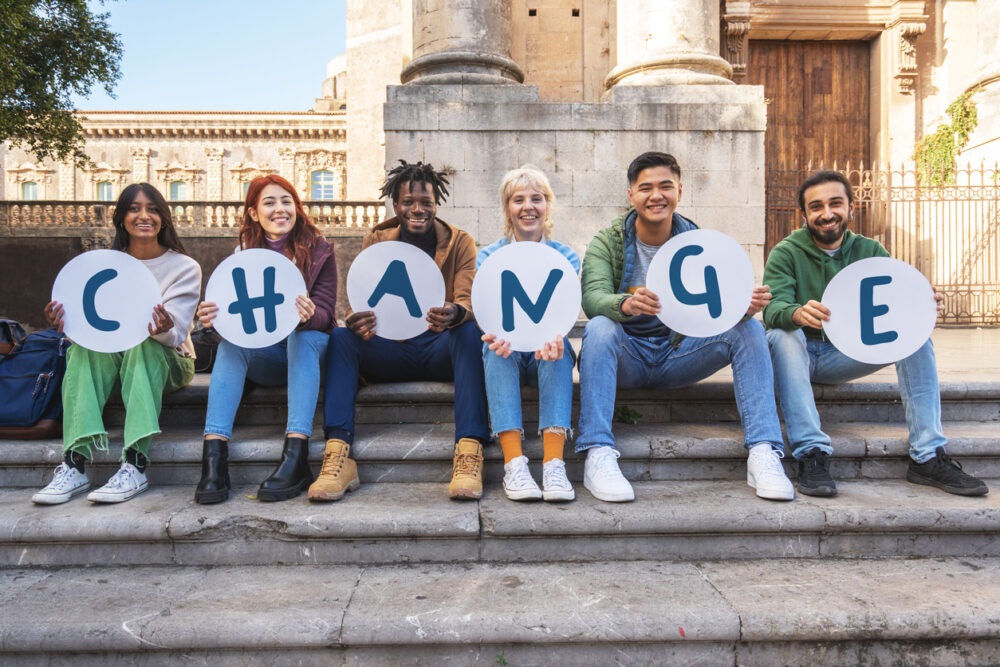
Gen Z generally aligns with more progressive stances on social issues like equality and inclusivity. These beliefs may differ from the more traditional views often held by Boomers, creating tension in conversations about societal change.
For Gen Z, these values are integral to their identity and daily interactions. When Boomers hold opposing views or struggle to adapt, it may feel like a rejection of Gen Z’s deeply held beliefs. Understanding these foundational differences can aid in bridging the generational gap.
4. Technology use highlights gaps in understanding and connection between generations.

Technology plays a significant role in highlighting generational differences. While Gen Z adapts quickly to new platforms and devices, Boomers may find it challenging to keep up. This disparity can lead to missed connections and misunderstandings about each other’s lives.
For Gen Z, technology is a tool for connection and self-expression, while Boomers might see it as a barrier to authentic interaction. Recognizing these differing perspectives can foster patience and learning, enhancing intergenerational communication despite the gaps.
5. Economic challenges shape Gen Z’s cautious approach to independence.

Economic factors heavily influence Gen Z’s approach to adulthood. Unlike Boomers, who could enter the job market with fewer barriers, Gen Z faces increased costs and uncertain job prospects, making independence more complex and cautious.
This economic environment fosters a tendency toward thriftiness and pragmatic decision-making, which might conflict with Boomer expectations of immediate independence. Appreciating these financial realities helps explain Gen Z’s incremental steps toward adulthood and challenges traditional timelines.
6. Gen Z seeks authenticity, feeling misunderstood by Boomer expectations.

Authenticity is paramount to Gen Z, whose members often feel misunderstood by what they perceive as Boomer expectations of conformity and success. They seek genuine self-expression and individuality in an era of rapid social change.
Boomer parents might find these desires perplexing if they hold more conventional views on identity and success. This contrast sometimes results in tension, with Gen Z feeling unseen or pressured to follow a script that doesn’t align with their values.
7. Mental health awareness drives Gen Z to set firmer emotional boundaries.

Gen Z’s heightened awareness of mental health issues encourages them to set firm emotional boundaries to protect their well-being. They prioritize mental health conversations, seeking environments that support their psychological needs.
Boomers, who grew up in an era with less mental health awareness, might find these boundaries difficult to comprehend or unnecessary. Acknowledging the importance of mental health in family dynamics can lead to greater empathy and communication between the generations.
8. Gen Z’s fluid identity exploration sometimes causes parental confusion.

Gen Z’s approach to identity is often fluid, embracing diverse expressions and redefining traditional norms. This exploration can cause confusion for Boomer parents accustomed to more defined roles and expectations.
Boomers may feel challenged by their children’s willingness to defy conventional labels, leading to misunderstandings. However, this journey of identity exploration is an integral part of Gen Z’s development, deserving of support and open dialogue.
9. Environmental concerns deeply influence Gen Z’s lifestyle choices and values.

Environmental issues are crucial to Gen Z, shaping their lifestyle choices and values. They prioritize sustainability and advocate for systemic change, often viewing Boomers’ attitudes as complacent or insufficiently committed.
This commitment can provoke tension when family practices don’t align with Gen Z’s environmental ethos. Engaging in discussions that recognize the urgency of climate challenges can foster mutual understanding and actions benefiting the planet.
10. Social media exposure amplifies awareness of generational differences.

Through social media, Gen Z has extensive exposure to diverse perspectives, highlighting generational differences. This medium amplifies awareness of societal shifts, making Gen Z more attuned to global issues and diversity than previous generations.
Boomers might struggle to interpret the depth of this exposure, leading to perceptions of Gen Z as overly critical or idealistic. Understanding social media’s role in shaping Gen Z’s viewpoints can help bridge intergenerational gaps.
11. Gen Z prioritizes work-life balance differently than their Boomer parents.

Gen Z views work-life balance differently, often prioritizing flexibility and personal fulfillment over long hours or status. This contrasts with Boomers, who traditionally emphasize hard work and career progression.
These differing attitudes can create conflict over acceptable work practices and definitions of success. By appreciating each other’s values, both generations can foster workplace environments that respect diverse approaches and expectations.
12. Educational differences contribute to contrasting worldviews between generations.

Educational experiences contribute to differing worldviews between Gen Z and Boomers. Gen Z often participates in more diverse and inclusive educational settings, affecting their understanding of societal issues and advocacy for change.
This exposure to new ideas might contrast with the educational experiences of Boomers, creating friction when discussing social concepts. Honoring the evolving education landscape can enhance communication and mutual respect across generations.
13. Gen Z’s desire for inclusivity challenges traditional family dynamics.

Gen Z’s commitment to inclusivity challenges traditional family structures and roles, prompting discussions on diversity and equality. They often advocate for broader acceptance, redefining what family means in modern society.
Boomers may find these shifts difficult to navigate if they hold conventional views about family roles. However, embracing inclusive values can enrich family dynamics, fostering environments where all members feel respected and valued.