

There is a persistent myth that getting rich means buying more. More clothes, more gadgets, more status symbols, more of everything. The pop culture version of wealth is loud, flashy, and relentless. But here is the thing – research keeps telling a different story. The habits that actually build and sustain wealth look nothing like what you see in a music video or on an influencer’s feed.
Once people genuinely accumulate real, lasting wealth, something interesting happens. They stop buying certain things entirely. Not because they can’t afford them – but because they understand money in a way they simply didn’t before. Some of these shifts are surprising, a few are counterintuitive, and one or two might even change how you think about your own wallet. Let’s dive in.
1. Lottery Tickets and Gambling Products
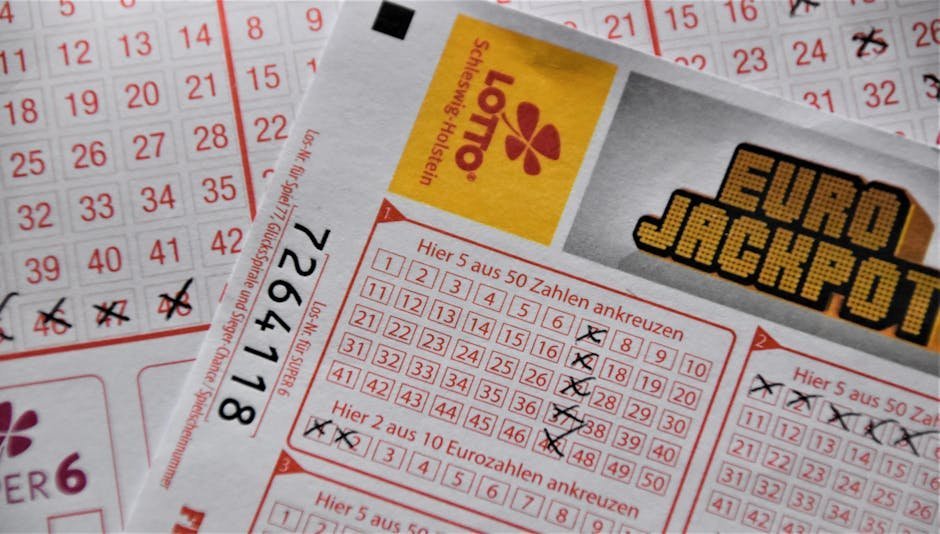
This one might seem obvious, but the numbers behind it are genuinely stunning. Less well-to-do households shell out more on lotteries than wealthier ones do, and the average adult living in the poorest one percent of zip codes spends almost five percent of their income, or about $600 annually, on lottery tickets. Contrast that with the wealthy, and the gap is dramatic.
Those living in the wealthiest one percent of zip codes spend only $150 on tickets, amounting to 0.15% of their paycheck. That’s not just frugality – that’s a completely different relationship with risk and reward. Wealthy people avoid spending on lottery tickets because these are statistically poor investments with extremely low return odds, since the odds of winning the Powerball jackpot are one in 292.2 million.
This spending pattern is often called a “poverty tax” because it disproportionately affects lower-income individuals drawn to the fantasy of sudden wealth, whereas wealthy people understand that sustainable wealth building requires discipline, patience, and strategic investing rather than hoping for miraculous windfalls.
Americans are expected to spend about $125 billion on lottery tickets in 2024, far more than they spend on music, sports tickets, movie tickets, and books combined. Wealthy people see this and quietly step aside from the whole game.
2. Fast Fashion and Trendy Throwaway Clothing

Here is a mental model that changes everything once you understand it: cost-per-wear. Fast fashion is expensive when you factor in cost-per-wear, since that $30 trendy top you wear twice costs more per wear than a $150 classic piece worn 50 times, and the wealthy build capsule wardrobes with quality basics that last years, not seasons.
Of the 100 billion garments produced yearly, 92 million tonnes end up in landfills, highlighting the disposable nature of fast fashion items, and the environmental and economic costs are staggering, with Americans throwing out more than 34 billion pounds of used textiles every year. That’s more than 100 pounds of textile waste per person annually.
Clothing is now worn only seven to ten times before being thrown away, a decline of more than 35% in just 15 years, which underscores the importance of adopting more sustainable shopping habits. Wealthy individuals recognize this cycle for what it is – a financial trap disguised as affordability. Rather than spending money repeatedly on new trends, rich people have simple, high-quality wardrobes with timeless, elegant pieces that continue to perform for decades.
3. Logo-Heavy Designer Goods
This is one of the most fascinating cultural shifts of the past few years and it’s reshaping entire luxury industries. According to Bain and Company’s research, the personal luxury goods market contracted in 2024 for the first time in 15 years, and while logo-heavy brands experienced this first contraction, quiet luxury houses like Brunello Cucinelli and Loro Piana posted double-digit growth. The market has officially spoken.
The narrative has completely flipped, and actual wealthy people are now rejecting visible logos, with designer items without logos being valued more than identical items with prominent branding. Think about that for a moment. The thing that once screamed success is now quietly signaling something else entirely. Fifty million luxury consumers exited the market between 2022 and 2024, according to a report from Bain and Company.
Search interest in “quiet luxury” surged by 157% between 2023 and 2025, with sales of logo-free premium products rising by 42% in 2025, signaling robust market appetite for understated elegance. The wealthy aren’t showing off less – they’re just speaking a language the crowd can no longer decode. What once communicated success now broadcasts insecurity, and what appears ordinary to most eyes signals extraordinary wealth to those who know what they’re looking at.
4. Impulse Buys and Unplanned Purchases
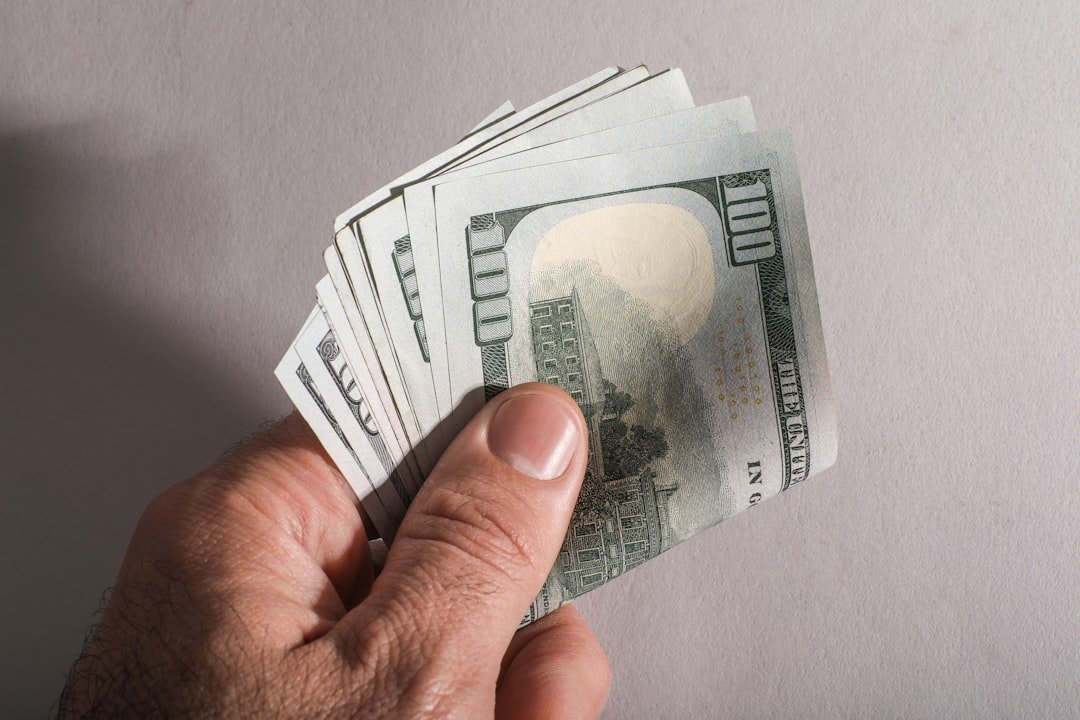
Spending on the latest gadgets, trendy clothes, or impulse buys can add up fast and leave nothing for savings or investments, and the rich take a different approach by mastering the art of delayed gratification, focusing on long-term rewards like financial security or growing their wealth instead of chasing fleeting pleasures.
One of the key distinctions between the wealthy and the average consumer lies in their approach to spending, since while many individuals may prioritize immediate gratification and impulse purchases, the wealthy tend to focus on strategic investments that yield long-term returns, whether in stocks, real estate, or businesses. Honestly, it’s less about willpower and more about having genuinely reframed what money is for.
About 89% of Americans wish they saved more money, but 40% admit that if they lucked into an unexpected $10,000 windfall, they wouldn’t put any in savings. That gap between intention and action is precisely where most people stay financially stuck. The wealthy simply close that gap by treating every purchase as a decision, not a reflex.
5. Unnecessary Subscriptions and Unused Memberships

Let’s be real – subscription creep is one of the quietest ways money disappears. Streaming platforms, fitness apps, delivery boxes, software tools. They pile up fast. Rich people often review their recurring expenses and cut out subscriptions that don’t provide significant value, since in a world of endless subscription services it’s easy to accumulate charges, and wealthy individuals tend to be selective and mindful, continuously reviewing subscriptions to make sure each one serves a purpose and eliminating those that offer no real benefits.
It’s not about the money saved on a single Netflix account. It’s the principle. Every dollar that leaks out of your life through forgotten recurring charges is a dollar that could be compounding somewhere useful instead. The truly wealthy don’t waste money on things that don’t add genuine value to their lives, and they question every expense, avoid lifestyle inflation, and understand that every dollar wasted on something meaningless is a dollar that can’t work for them in investments.
6. Brand-New Cars Purchased on Lease or Debt
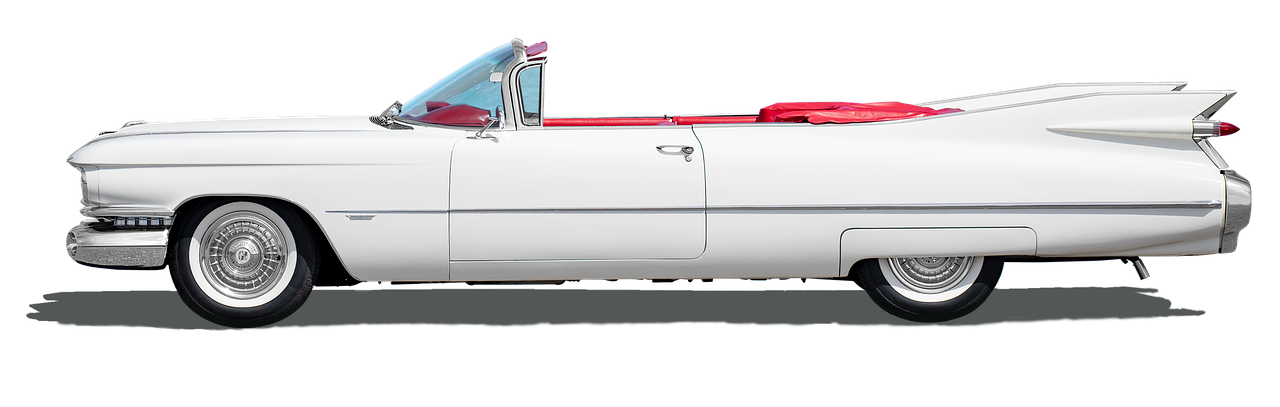
Cars are interesting because they sit at the exact intersection of status and financial destruction. Leasing luxury vehicles every few years might sound glamorous, but most affluent individuals avoid it and either purchase vehicles outright or invest in functional, long-lasting vehicles, since they know the quick depreciation of vehicles and prefer cars that offer durability and long-term value.
A recent survey by Ramsey Solutions found that 94% of millionaires still live in middle-class or modest neighborhoods, and nearly two-thirds drive vehicles that are at least two years old. That’s a pretty stunning figure when you think about it. Two out of three millionaires are driving cars that are at least two years old. Research in The Millionaire Next Door revealed that most millionaires lived in middle-class neighborhoods, drove modest cars, and avoided ostentatious displays of wealth – and despite the current era of social media and luxury brand obsession, these findings remain largely true today.
It makes little sense for rich people to borrow money for things that will go down in value instead of going up. A new car loses a significant chunk of its value the second you drive off the lot. Wealthy people understand this math and act accordingly.
7. Storage Units for Excess Stuff
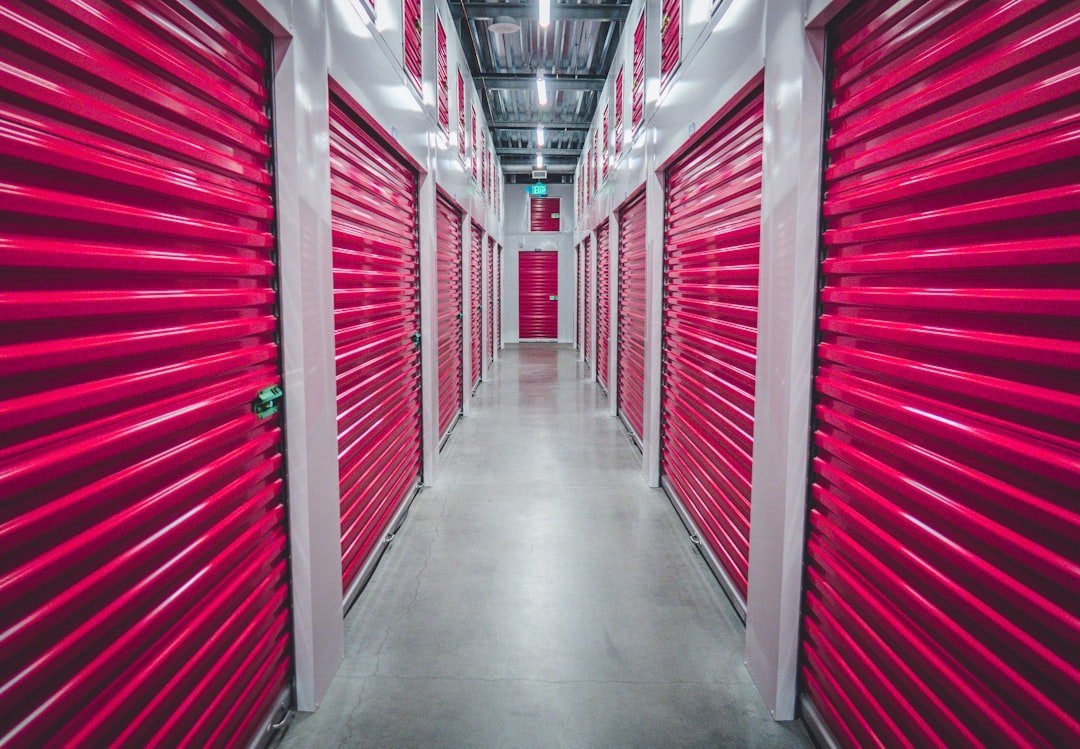
This one surprised me when I first came across the data. Americans spend $38 billion annually on storage units, and the reality is that people buy so much stuff they don’t need that they then pay monthly rent to store it somewhere else. That’s a kind of financial loop that is almost poetic in how wasteful it is.
The truly wealthy operate differently and practice what can be called “ruthless minimalism” with possessions, meaning if something hasn’t been used in a year, it gets sold or donated, not stored. This isn’t just about tidiness or minimalist aesthetics. It’s actually about not accumulating in the first place.
Many wealthy people practice what one described as “maintenance minimalism,” deliberately choosing possessions that require minimal upkeep, management, and mental overhead, evaluating purchases based on the ongoing burden, not just the purchase price. Every possession costs more than its price tag. The storage unit bill is just the most obvious proof of that truth.
8. Cheap Reproductions and Low-Quality Art

This is a category most people don’t even think about. But it reveals something deep about how the wealthy relate to purchases over time. You will rarely see high-net-worth individuals spend money on cheap reproductions of fine art, since they tend to buy originals, signed prints, and in some cases curated museum-quality reproductions if the originals are not available, because wealthy individuals know that fine art is a collector’s item that may appreciate in value.
Think of it like buying furniture. A mass-produced piece that costs $200 and falls apart in three years is not actually cheaper than a $900 handcrafted piece that lasts two decades. Research by financial planner Tom Corley showed that wealthy people were more likely to purchase high-quality clothing and furniture than people who bring in less than the median household income, avoiding fast fashion or cheaply made goods in favor of items that last much longer. Quality is always the investment frame.
9. Bank Fees, ATM Fees, and Late Payment Penalties

Here is something that rarely gets talked about but matters more than people realize. Eyler, a financial advisor who works with millionaires, mentioned that millionaires rarely have to pay ATM fees, bank fees for wire transfers, or monthly fees for their bank account. They’ve structured their financial lives to avoid the quiet drain of avoidable fees entirely.
Author Barbara Ehrenreich’s book titled “It is Expensive to be Poor” explored all the things poor people spend money on that rich people don’t, and many of these things, according to one financial advisor, are fees that the rich can avoid while the middle class and poor fall prey to unnecessary costs. It’s a cruel irony – being less wealthy often means paying more in fees and penalties, creating a reverse tax on being broke.
Wealthy people can avoid late fees more easily, specifically by setting up autopay for their credit cards and other bills, since if you know the money will be in your account when the bill is due, why not make the payment automatic? Simple systems eliminate unnecessary losses. And the wealthy are relentless about those kinds of leaks.
10. The Latest Tech Upgrades on Day One

Every year like clockwork, millions of people line up or scramble online to grab the newest iPhone, the latest laptop, or whatever just dropped. Honestly, it feels almost ritualistic at this point. Instead of keeping up with the newest phone or technology device, wealthy individuals spend money on rugged, high-capacity devices, being more concerned with reliability and usability than with upgrading constantly, and while others hurry to acquire the newest tablet or phone, rich individuals wait until their devices can no longer meet their needs, looking at long-term utility rather than trends and holding on to their devices longer to get value rather than spend extra money on gadgets that lose their value quickly.
It’s hard to say for sure what exact amount people lose chasing tech trends, but it compounds quickly. A new flagship phone every year instead of every three years could easily cost someone an extra $1,000 to $1,500 annually when you factor in depreciation and resale loss. The wealthy see that math and feel no urgency to refresh. Building and maintaining wealth requires more than earning a high income – it demands strategic thinking about every purchase decision, since wealthy individuals understand that true financial success comes from making value-driven choices rather than impulsive ones.
11. Constant Home Redecorating and Trend-Driven Interiors

Interior design can be an insidious money drain if you’re chasing what’s trending rather than what’s timeless. Rather than frequently redecorating their homes with the latest trends, wealthy individuals invest in timeless home decor that remains elegant and functional for years, understanding that constantly updating living spaces can be both expensive and unnecessary, instead focusing on creating environments with classic furniture and decor that last.
Think of trends like a fast-moving river. Most people wade in and get swept along. The wealthy stand on the bank and watch. Step into a quiet-rich home in 2025 and you’ll find neutral palettes, soft textures, hidden tech and design choices that suggest serenity rather than spectacle, with interior design having moved far beyond minimalism’s cold sterility into spaces that feel emotionally intelligent using organic woods, hand-troweled stone walls, linen blends and sculptural furniture lines that invite touch.
Contrary to popular belief, the wealthy aren’t necessarily extravagant or wasteful in their spending habits, and many affluent individuals practice mindful spending and conscious consumption, carefully considering the impact of their purchases on both their personal finances and the broader world. A well-curated home bought once beats a constantly remodeled space bought five times over.
12. Lifestyle Inflation After Income Increases

This might be the most dangerous thing on this entire list. It’s the habit of upgrading your lifestyle every time your income goes up – bigger apartment, newer car, fancier dinners – until your spending always matches or exceeds your earnings no matter what you make. Spending increases with both net worth and income, to a point, but spending levels off for those with an annual income of $1 million or a net worth of $25 million. That plateauing is intentional, not accidental.
On average, members of the Long Angle high-net-worth community earn $924,000 in pre-tax income annually, most members fall into the post-tax income range of $250,000 to $1 million per year, and approximately two-thirds of this income is saved, translating to $621,000 each year. Two-thirds saved. That number should stop you in your tracks.
Spending every dollar you earn leaves nothing for future emergencies, retirement, or opportunities that could change your life, and wealthy individuals strike a balance between enjoying today and preparing for tomorrow, always keeping their long-term goals in mind. Lifestyle inflation is the silent destroyer of financial progress – and the wealthy have learned to resist it.
13. Purchases Made for Other People’s Approval
The ultrarich have ditched their old standards of luxury and are signaling their status in new ways, with members of the upper class flashing their funds in more creative ways that in some cases have nothing to do with overt spending, as privacy, leisure activities, novel items, and expressing oneself have become new touchpoints of prosperity.
There is something deeply liberating about this shift. Columbia Business School associate professor Silvia Bellezza found that leisure activities can denote status, noting in her 2023 study that there is a connection between active or passive downtime pursuits and wealth expression, and that even in off-hours, rich individuals are often using physical or mental energy to pursue wellness, health, and personal development. The goal is no longer impressing strangers.
Perhaps the most profound difference is how wealthy people view money itself, since for many in the middle class spending is often emotional – a reward, a comfort, or a way to keep up with peers – while the wealthy, particularly self-made millionaires, tend to view money more dispassionately. Buying things to earn validation from people you don’t even know is, when you think about it, one of the most expensive habits imaginable. After nearly two decades analyzing investment portfolios and spending habits, the real difference between the wealthy and everyone else lies in what they refuse to buy.
The Bigger Picture

What’s striking about all thirteen of these habits is that none of them require a six-figure income to adopt. They’re frameworks. Ways of thinking about money, value, and time that shift everything downstream. The spending patterns of wealthy individuals reveal a consistent theme: they prioritize value, utility, and long-term thinking over immediate gratification, social status, or unrealistic hopes for easy money, and whether avoiding lottery tickets with terrible odds, choosing quality over quantity, or maintaining discipline in investment decisions, wealthy people consistently make choices that support their financial goals rather than undermine them.
In a 2024 survey conducted by the World Economic Forum, only half of Americans demonstrated basic financial literacy, meaning half the population struggles to understand key concepts like budgeting, saving, and investing, and without that foundation it’s hard to break free from paycheck-to-paycheck living. The thirteen habits above are, in a way, applied financial literacy.
The real revelation isn’t about what wealthy people buy. It’s about what they’ve decided is no longer worth their attention. The moment you stop spending to impress, to chase trends, or to quiet anxiety – that might actually be the moment real wealth begins. What on this list surprised you the most? Drop your thoughts in the comments.