
What millennials call mindful, boomers often see as just plain ridiculous.

Every generation thinks they’ve cracked the code on raising kids, and millennials are no different. They’ve brought in a wave of parenting rules rooted in emotional intelligence, equality, and awareness. To them, it’s about raising thoughtful, kind, and self-aware humans in a complicated world. But to boomers watching it all unfold, it often looks like overthinking, over-coddling, or just a weird rejection of common sense.
The clash between these two generations doesn’t come from bad intentions—it comes from wildly different beliefs about what kids need. Millennials are ditching spankings, rewriting gender norms, and treating their kids like little emotional roommates. Boomers, on the other hand, see a lot of these trends and wonder how we went from “eat your peas” to negotiating bedtime like it’s a hostage situation. These 13 parenting rules are sacred to many millennials—but leave their boomer parents scratching their heads (or biting their tongues).
1. They believe spanking is abusive, not effective.

Millennial parents are drawing a hard line against physical punishment, according to Susan Perry at the MinnPost. For them, spanking doesn’t teach discipline—it teaches fear. They see it as a leftover from a time when obedience was prioritized over emotional health. Instead, they focus on talking through behavior, setting respectful boundaries, and teaching empathy. To boomers, this often looks like letting kids run wild.
Boomers tend to view spanking as something that worked. They argue that it taught respect and consequences. But millennials counter that just because something “worked” doesn’t mean it was right—or couldn’t be done better. They’d rather raise kids who behave because they understand why—not because they’re afraid of being hit. The disconnect here is deep and emotional, often tied to personal memories that shape what each generation thinks “good parenting” looks like.
2. They avoid using gender stereotypes in toys and clothes.

To millennials, raising gender-neutral kids isn’t a political statement—it’s just part of helping them figure out who they are without limiting them, as reported by the experts at Research Gate. They let their sons wear pink, buy dolls for their daughters, and don’t panic if their kid wants to be a fairy for Halloween. They believe interests shouldn’t be boxed in by gender.
Boomers often see this as confusing at best and unnecessary at worst. To them, “boys will be boys” and “girls will be girls” worked just fine. They don’t get why toy aisles have to be de-gendered or why pronouns are suddenly up for discussion. But millennials argue that removing gender rules early gives kids more freedom—and helps them grow into more accepting people. To them, it’s not woke—it’s thoughtful.
3. They refuse to force kids to hug or kiss relatives.

Millennials are putting consent at the center of their parenting, as stated by Kelsey Borresen at Yahoo News. They believe that forcing a child to hug or kiss someone—especially when they don’t want to—sends the wrong message about body autonomy. Instead, they let their kids decide how they want to express affection, even if it means a high five or just a wave.
Boomers tend to see this as rude or disrespectful. They grew up in a time when family greetings were expected, no matter how you felt. But millennials argue that teaching consent starts early, and kids need to learn that their body is their own. To them, it’s about empowerment, not rebellion. Even if grandma doesn’t get her hug, the kid walks away feeling respected—and that’s the point.
4. They banish “because I said so” from their vocabulary.

Millennials want their kids to understand the “why” behind rules. Instead of laying down the law with no explanation, they try to talk it out—even when it takes longer. They see this as a way to raise critical thinkers, not just obedient children. “Because I said so” feels lazy, dismissive, and a missed opportunity to teach.
Boomers often see this as exhausting and ineffective. To them, kids don’t need every rule to be a conversation. But millennials believe that giving kids reasons fosters respect and helps them internalize values. It’s less about being their friend and more about being their guide. The process might be slower, but they think the results last longer—and come with fewer power struggles.
5. They let kids express big emotions without punishment.

Meltdowns, tantrums, and tears don’t scare millennial parents—they expect them. Instead of shutting it down with “stop crying” or “go to your room,” they lean in. They validate the emotion, talk through the feelings, and try to coach their child through it. To them, emotions aren’t bad behavior—they’re part of being human.
Boomers, on the other hand, often see this as letting kids be dramatic or manipulative. They were taught to hide their feelings or “toughen up,” and watching a parent sit calmly through a screaming fit can feel deeply uncomfortable. Millennials view emotional regulation as a skill that’s taught—not something kids are born with. To them, every meltdown is a moment to model calmness, not control.
6. They’re obsessed with screen time limits and content monitoring.

Millennials are deeply aware of how screens affect kids’ brains, sleep, and social skills. They read the studies, follow the experts, and try to enforce strict rules about tablets, YouTube, and phone access. Parental controls, screen-free hours, and tech-free dinners are all part of the plan. They want balance, not digital babysitters.
Boomers find this excessive. Many of them let their kids watch TV for hours or had fewer options to worry about. They think it’s fine if the kid zones out for a while—what’s the harm? Millennials argue that digital content is more immersive and addictive than TV ever was. They want their kids to stay connected to the real world, not get sucked into algorithm-driven rabbit holes. The effort may seem extreme, but it’s rooted in concern, not control.
7. They use gentle parenting techniques instead of yelling or punishing.

Gentle parenting is all about empathy, connection, and cooperation. Millennials using this method avoid punishments like time-outs or yelling. Instead, they try to understand the root of the behavior, meet the child’s needs, and redirect in a calm, respectful way. The goal is to build trust, not fear.
Boomers often roll their eyes at this. To them, consequences and raised voices were part of learning how to behave. They think kids need a firmer hand, not constant discussion. But millennials believe yelling damages the parent-child bond and teaches kids to yell in return. Their approach takes more patience, but they see long-term payoff in kids who feel heard and safe—even when they mess up.
8. They talk openly about race, privilege, and inclusion.
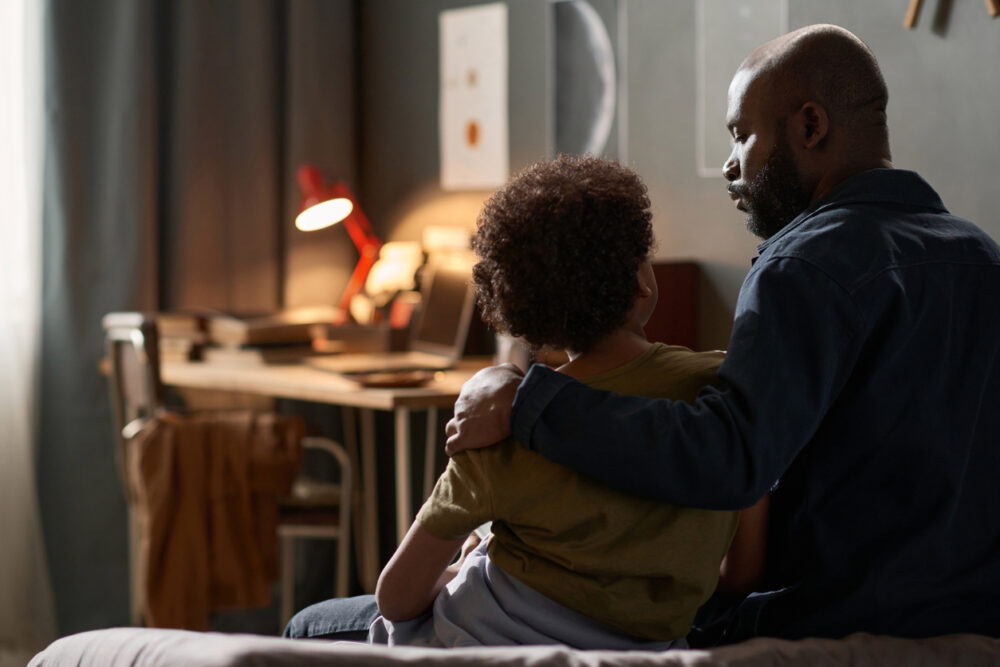
Millennial parents aren’t waiting for high school to have hard conversations. They introduce books, shows, and real talk about racism, privilege, and inequality early. They want their kids to grow up aware, empathetic, and able to recognize injustice when they see it. Silence, to them, isn’t neutral—it’s harmful.
Boomers often find this premature or heavy-handed. They believe kids should be “kids” and not burdened with the weight of the world too soon. But millennials argue that kids notice differences early, and pretending those differences don’t exist doesn’t make the world fairer. They want their kids to grow up as part of the solution—not the problem. To them, woke parenting is just responsible parenting.
9. They avoid labeling kids as “good” or “bad.”

Instead of saying “you’re such a good boy” or “bad girl,” millennials focus on behavior, not identity. They’ll say “you made a kind choice” or “that wasn’t respectful,” aiming to separate the action from the person. It’s about helping kids understand what they did—not who they are.
Boomers might hear this and think it’s just semantics. They grew up with labels and turned out fine, right? But millennials believe that kids internalize those words and build their self-worth around them. If a child hears they’re “bad,” they might start to believe it. This parenting shift is about nurturing self-awareness instead of self-judgment. To boomers, it sounds like overthinking. To millennials, it’s emotional hygiene.
10. They let their kids set boundaries—even with adults.

Millennial parents encourage their kids to speak up when they’re uncomfortable. That might mean saying “no” to tickling, not wanting to share toys, or asking a grown-up to back off. They want their kids to feel empowered to advocate for themselves, even if it makes others uncomfortable.
Boomers often interpret this as disrespect. They were raised to be seen, not heard. But millennials believe this boundary-setting is vital for safety, self-respect, and healthy relationships. It’s not about raising rude kids—it’s about raising assertive ones. They see boundaries as protective, not rebellious. Boomers may struggle with this shift, but millennials stand by it as a non-negotiable.
11. They ditch “boys don’t cry” and “act like a lady.”

Millennials are actively working to unlearn the gendered expectations they grew up with. They tell their sons it’s okay to cry and teach their daughters that they don’t have to be “nice” to be liked. They’re throwing out the idea that emotions or assertiveness should be filtered through gender roles.
Boomers often see this as overcorrecting. They worry it might make kids too sensitive or disrupt traditional values. But millennials argue that emotional repression hurts boys, and people-pleasing limits girls. They want all kids to be whole—not molded into outdated stereotypes. It’s not about destroying tradition. It’s about building better mental health.
12. They crowdsource parenting advice through social media.

If a millennial mom has a parenting question, she’s more likely to ask her Instagram followers than her own parents. Online parenting communities are where advice, validation, and support happen in real-time. These parents read threads, watch TikToks, and trust influencers more than old-school experts.
Boomers find this baffling. They think the internet is full of nonsense and can’t believe strangers are being consulted over family. But millennials value diverse perspectives and want advice that matches their values. Social media gives them that instantly. It’s not about disrespecting their elders—it’s about finding their tribe. Even if boomers don’t understand it, millennials swear by it.
13. They encourage their kids to question authority—even theirs.

Millennial parents don’t expect blind obedience. They want their kids to be respectful, yes—but also to speak up when something feels wrong. That includes questioning teachers, coaches, and even mom or dad. It’s not chaos—it’s a shift in how power and respect are taught.
Boomers may see this as dangerous or defiant. They were raised to follow orders without question. But millennials believe that teaching kids to speak up is how you raise leaders, not followers. They’re not encouraging rebellion—they’re fostering critical thinking. They want kids who know when to say “no” and why it matters. It’s a harder path—but one they believe creates stronger, more self-aware adults.