
The sober-curious crowd is quietly rewriting the rules—and alcohol brands are scrambling to keep up.

What used to be a rite of passage—partying hard in your 20s—now looks more like a liability to many young adults. Gen Z and younger millennials are cutting back, swapping tequila shots for sparkling water and opting for clarity over hangovers. The change isn’t just a health trend—it’s reshaping nightlife, advertising, and even the flavor aisle at your local grocery store.
And while alcohol companies try to pivot, six of them are feeling the sting more than they expected.
1. Bud Light stumbled hard after losing cultural relevance.
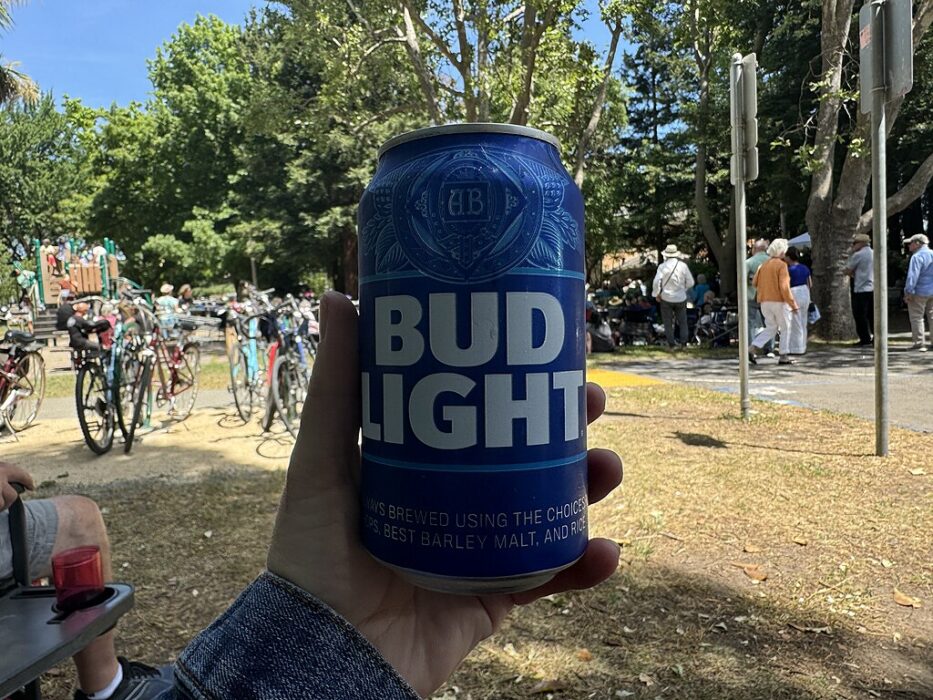
Once the unofficial beer of frat parties, tailgates, and barbecues, Bud Light has struggled to connect with younger drinkers. The brand’s attempts to modernize its image backfired in every direction—alienating longtime loyalists while failing to win over the younger, health-conscious crowd. Add in awkward marketing missteps and the rise of hard seltzers, and suddenly Bud Light feels more like a relic than a staple. Younger consumers don’t want to drink like their dads, and the beer’s identity crisis hasn’t helped. For a generation fluent in irony, Bud Light just doesn’t feel cool, aspirational, or worth the calories anymore.
2. Jack Daniel’s is losing ground in a bourbon-saturated world.
For decades, Jack Daniel’s was the go-to name in American whiskey. But these days, younger consumers are less interested in brand loyalty and more curious about craft alternatives. Boutique distilleries with small-batch production and quirky backstories are winning attention—and shelf space. Meanwhile, many Gen Z drinkers are simply drinking less, or skipping spirits altogether. The strong, smoky burn of Tennessee whiskey doesn’t pair well with a lighter lifestyle. Jack Daniel’s hasn’t vanished, but its once-iconic status is wobbling. In an era where subtlety and sustainability win points, the old-school swagger just isn’t landing the same way.
3. Heineken’s premium image isn’t enough to justify the price.
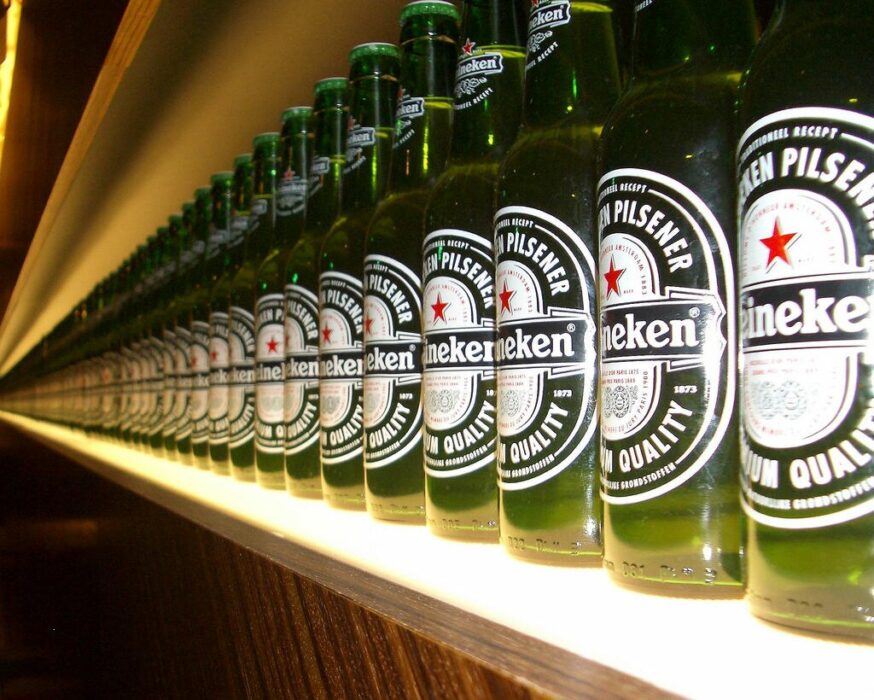
Heineken has always sold itself as a “better” beer—smoother, more refined, a little classier than the rest. But in a market where craft brews, alcohol-free options, and trendy canned cocktails offer something more distinct, Heineken’s middle-of-the-road identity is getting lost. Younger drinkers want story, experience, and ethical sourcing—not just a fancy green bottle. And for those who are drinking less frequently, every sip has to be worth it. Heineken hasn’t tanked, but it’s definitely stalled. Its old appeal—polished, cosmopolitan, and just safe enough—isn’t resonating with a generation that prefers bold over bland.
4. Smirnoff’s flavored legacy feels a little embarrassing now.
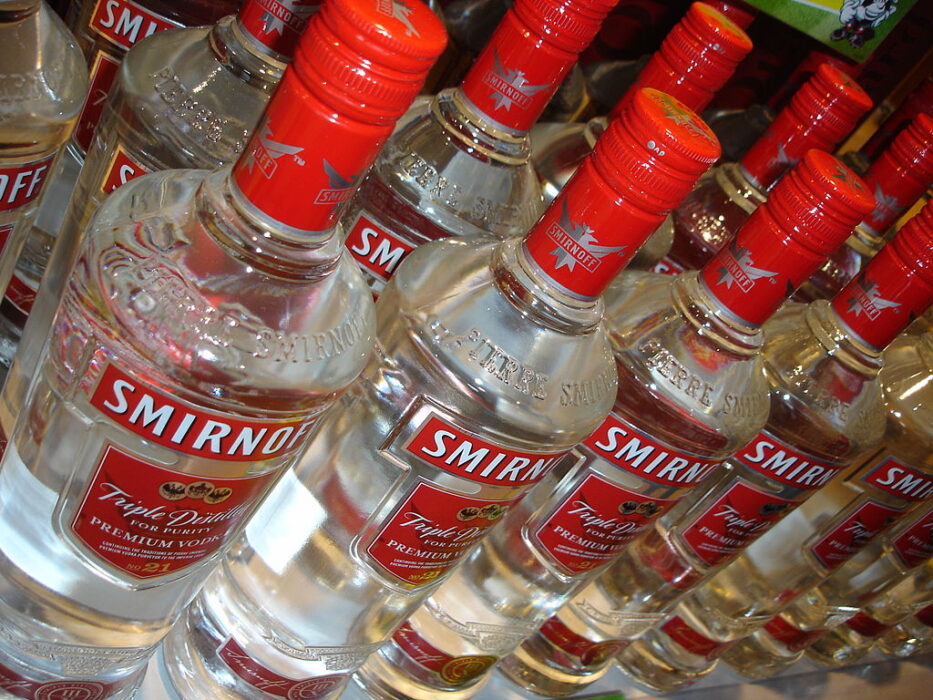
Smirnoff Ice had its heyday—usually involving flip-flops, music videos, and someone being “iced” in a very bro-y prank. But those sugar-laden, neon-colored flavors just don’t fly anymore. Gen Z isn’t interested in drinking something that tastes like liquefied candy and leaves a chemical afterburn. Even Smirnoff’s vodka lineup has suffered as hard seltzers, canned wines, and non-alcoholic spirits have taken over. The brand tried to rebrand as playful and inclusive, but the nostalgia it leans on is exactly what makes it feel outdated. Today’s drinkers are looking for balance and minimalism, not nostalgia wrapped in a hangover.
5. Corona’s beachy branding lost its luster post-pandemic.
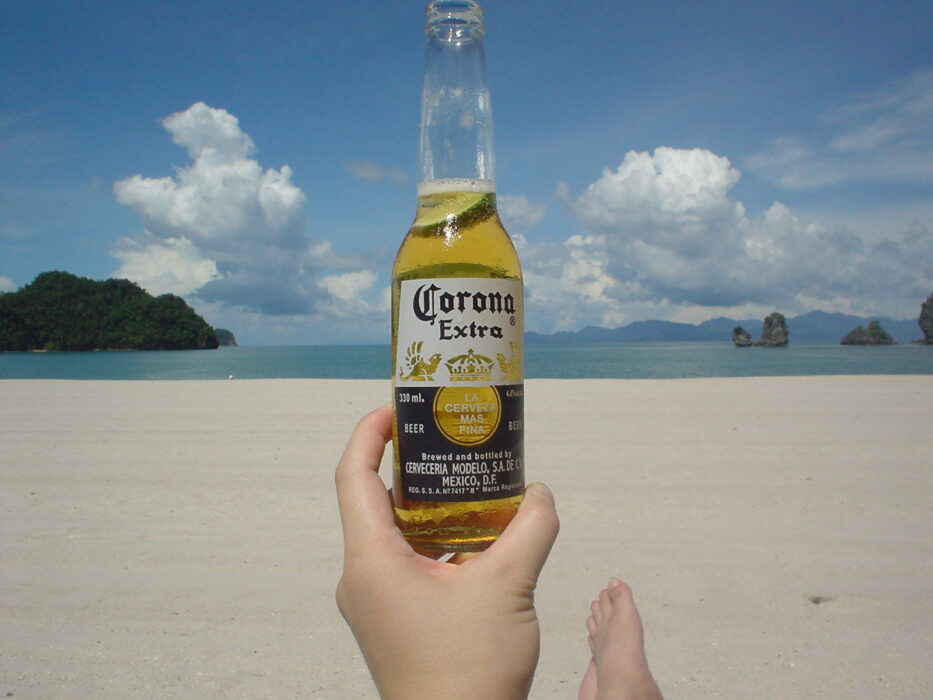
Corona’s whole vibe was relaxation in a bottle—a lime, a sunset, maybe a hammock somewhere warm. But after lockdowns, travel restrictions, and a world that’s anything but chill, the image stopped clicking. Worse, the unfortunate name association during the early days of COVID didn’t help, even if it was irrational. Beyond that, the beer itself hasn’t evolved much, while drinkers have moved toward local brews, seltzers, or skipping booze entirely. The beach fantasy feels out of sync with the cautious, more introspective mood of younger generations. Turns out, escapism alone can’t carry a brand forever.
6. Bacardi’s party vibe isn’t aging well with younger drinkers.
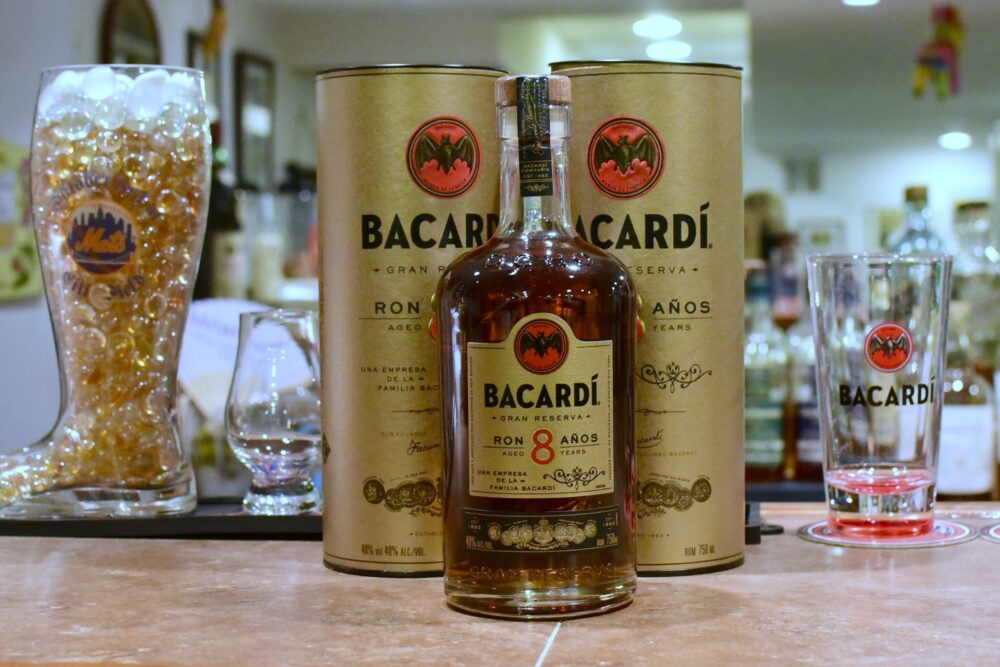
Bacardi built its image around nightlife—clubs, dancing, DJs, and plenty of rum-fueled chaos. But those club-heavy marketing campaigns feel tone-deaf to a generation that’s less interested in blackout weekends and more invested in self-care, authenticity, and mental health. Sweet rum cocktails also don’t fit into the lower-sugar, lower-calorie lifestyles many young adults are embracing. And as alcohol takes a backseat in social settings, Bacardi’s high-energy persona feels like it’s performing for an audience that left the party early. The louder the brand shouts, the more disconnected it sounds in a culture craving substance over spectacle.