
Drivers once relied on ingenuity instead of apps.

Before phones told us every turn and predicted traffic jams, road trips required patience, preparation, and clever tricks. The experience was less about speed and more about resourcefulness. Families leaned on hacks that made long drives smoother, safer, and often more fun.
Many of those old habits are worth remembering today. They’re not only practical—they also remind us that problem-solving used to be part of the adventure itself.
1. Marking maps with highlighters.
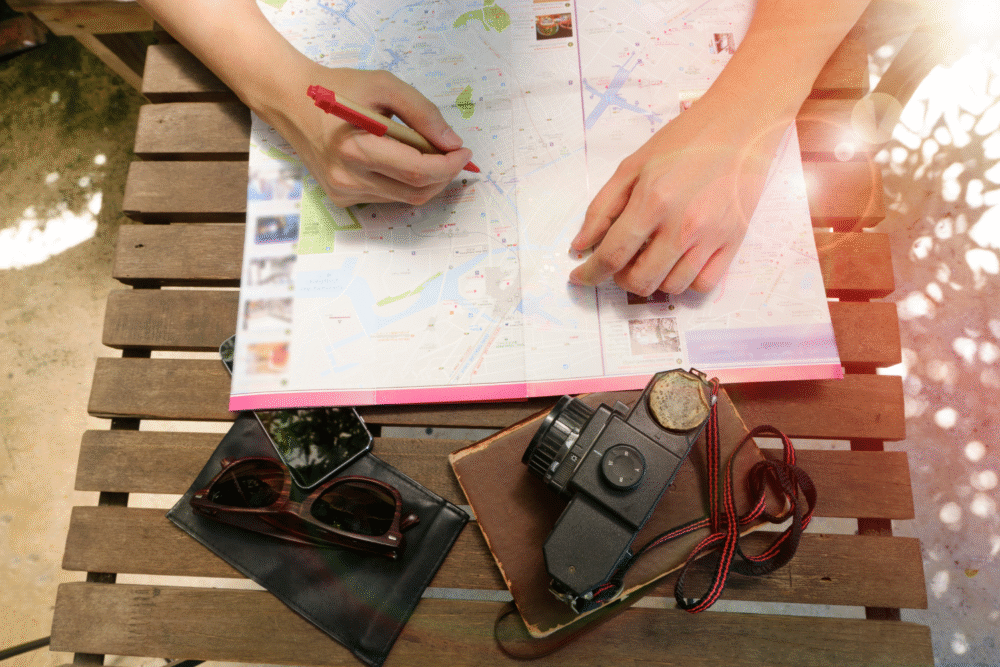
Paper maps weren’t just folded nightmares; they were living documents. Travelers traced routes with highlighters, circling rest stops, attractions, and alternate roads in case of detours. The visual aid kept drivers confident even without a digital guide.
This hands-on approach also created keepsakes. After the trip, the highlighted map became a personal record of where you’d been—a travel journal with creases and smudges to prove it.
2. Keeping an atlas in the car.
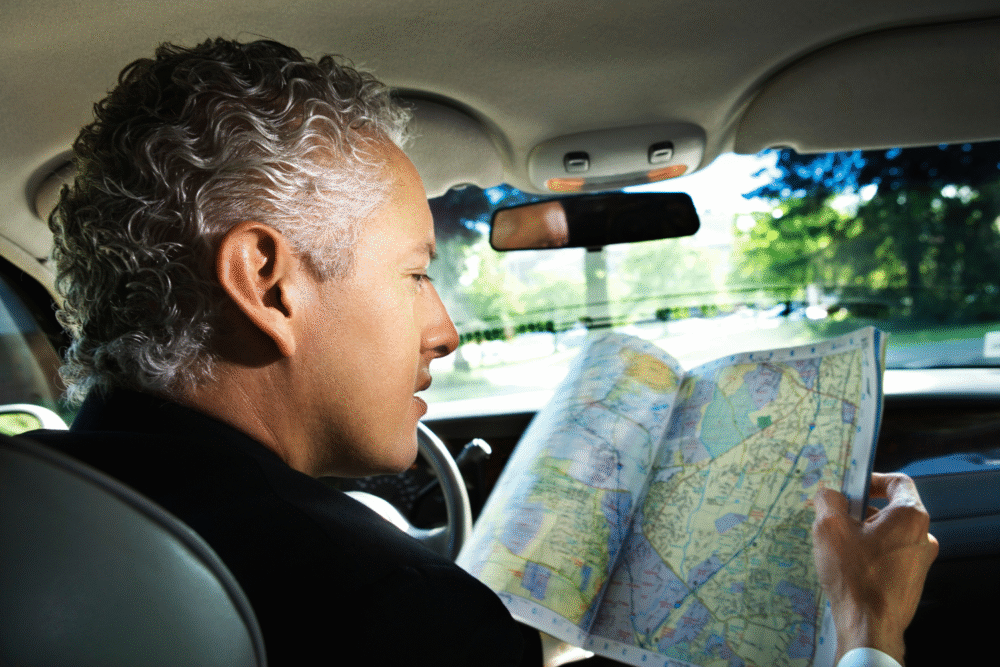
Every glove compartment once held a fat road atlas, covering every state with meticulous detail. It wasn’t sleek, but it was reliable. When you crossed state lines, it gave you continuity no single folded map could.
Atlases also encouraged curiosity. Drivers and passengers studied nearby towns or scenic routes, sparking spontaneous detours. The atlas wasn’t just navigation—it was inspiration.
3. Using CB radios for communication.

Long before texting, CB radios let drivers talk directly to one another. Truckers used them to share road conditions, speed traps, and weather updates, while families joined in for fun chatter.
The radios turned lonely stretches into shared experiences. They created an informal network of travelers helping each other long before crowdsourced apps existed.
4. Memorizing phone numbers for emergencies.
When breakdowns happened, there was no “click to call.” Drivers carried notebooks with phone numbers for tow trucks, motels, or relatives. Memorizing key contacts was common practice.
It made travelers self-reliant. Instead of searching for help in the moment, they already had the lifeline ready. It seems tedious now, but it built confidence on the open road.
5. Packing paper directions from AAA.
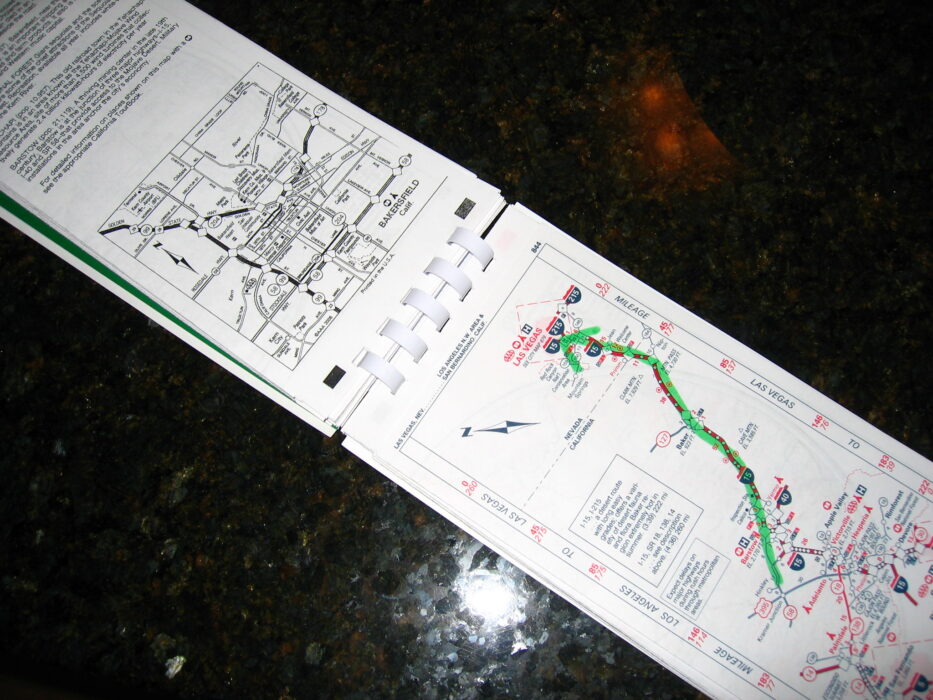
Before navigation apps, AAA’s TripTiks were iconic. These spiral-bound booklets had turn-by-turn directions printed in columns, with gas stations and rest stops marked clearly. Families swore by them.
They were customized for each route, giving travelers a sense of personal guidance. TripTiks felt like an early version of GPS—just on paper and without the robotic voice.
6. Stashing snacks in a cooler.
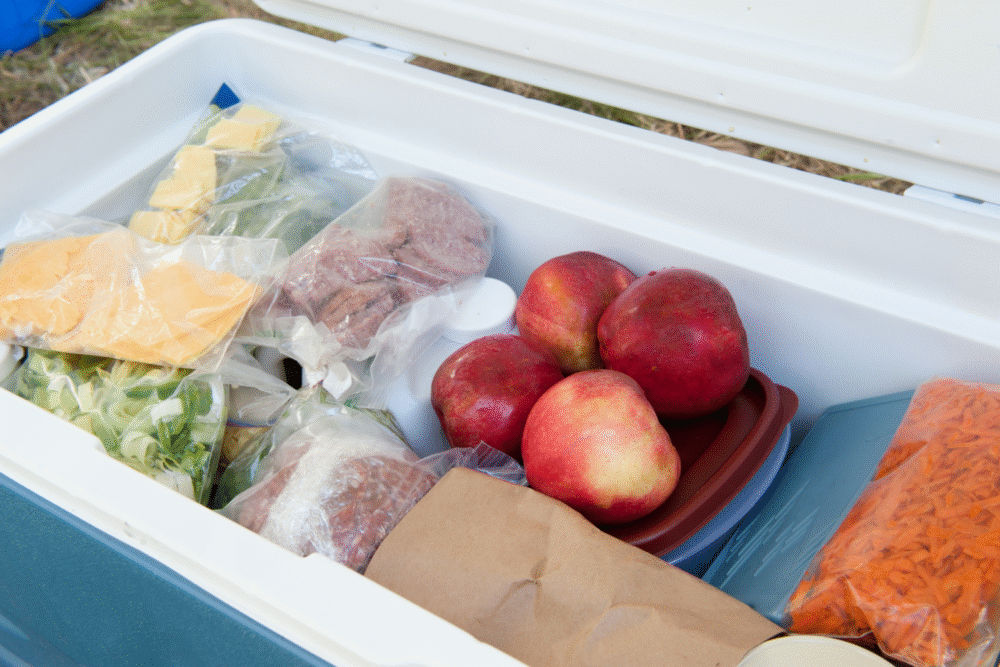
Gas station food wasn’t always dependable, so families packed coolers full of sandwiches, fruit, and drinks. It cut costs and ensured everyone had something they liked.
The cooler also doubled as peacekeeper—kids whining in the backseat quieted quickly with snacks at hand. It was simple, effective, and always made the journey feel a little more comfortable.