
Discover which countries dominate gold production and shape the global economy today.

Gold mining plays a vital role in the economies of several countries, driving mineral exports and influencing global markets. Understanding the top gold-producing nations reveals the complex balance between resource availability, production capacity, and geopolitical factors. These countries not only impact the precious metals supply chain but also face ongoing environmental and regulatory challenges tied to their mining industries.
1. China Leads the World in Annual Gold Production by a Wide Margin.
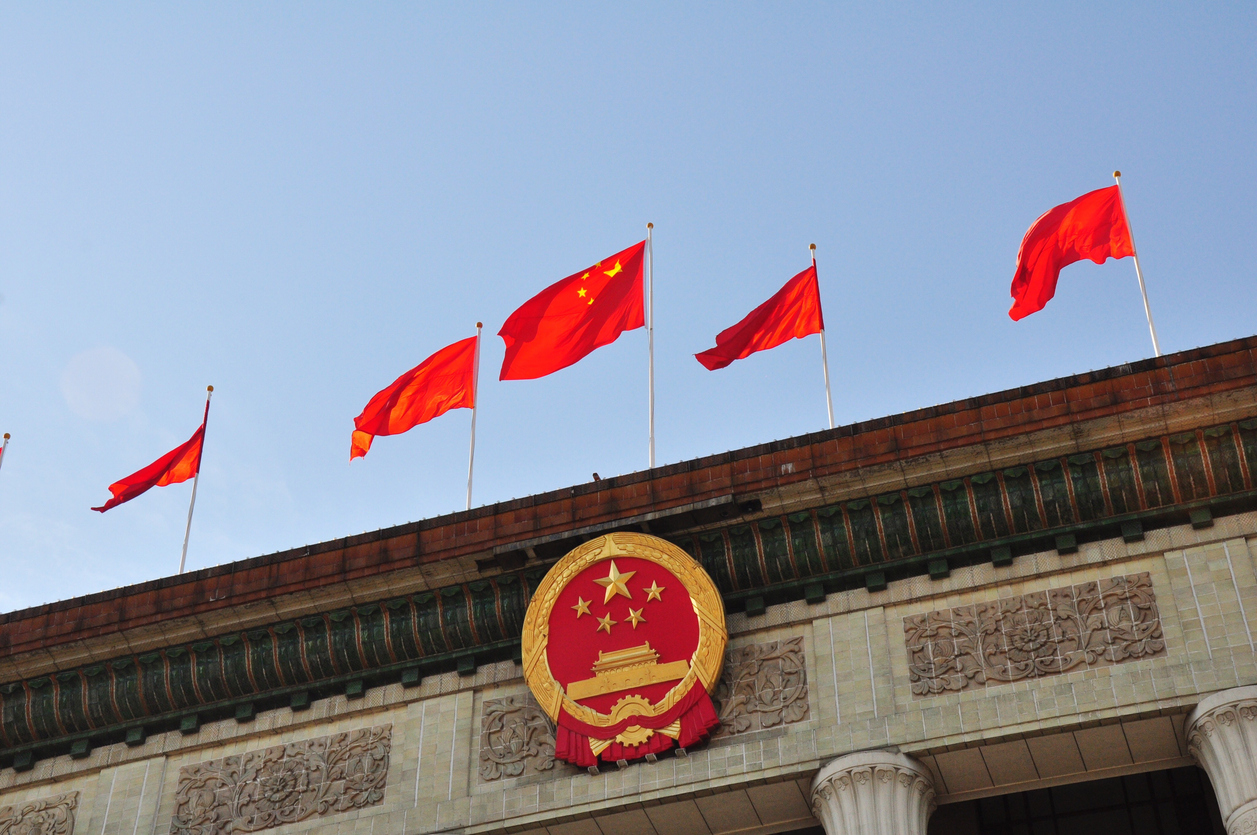
China stands as the world’s largest gold producer, surpassing other countries with its vast yearly output. The country’s mining operations span multiple regions, with significant activities in the provinces of Shandong and Henan, harnessing the mineral-rich earth to maintain dominance.
Leading the global market, China’s robust infrastructure supports industrial-scale gold mining, influencing international gold supply chains. Though China produces more gold than any other nation, its reserves differ, highlighting the complex interplay between resource availability and extraction rates.
2. Australia Maintains Strong Gold Mining Output with Diverse Deposits.

Australia ranks highly with its substantial gold mining operations spread across its diverse geological landscape. The country’s mines, such as those in Kalgoorlie, are famous for yielding high-quality deposits, contributing significantly to their position in the global mining industry.
Rich in mineral resources, Australia blends modern techniques with a seasoned workforce to optimize gold production. Despite high output levels, Australia’s extensive reserves ensure continued influence in global markets, while sustainable practices cater to environmental and regulatory considerations.
3. Russia’s Vast Reserves Make It a Top Contributor to Gold Supply.

Russia boasts enormous gold reserves, underpinning its role as a major player in global gold supply. With key sites located in Siberia, Russia taps into its untapped resources to secure its position alongside other top producers.
While vast reserves bolster its long-term potentials, Russia’s policy and infrastructure factors play a pivotal role in actual production levels. The balance between untapped resources and annual output is crucial, shaping its ability to consistently impact the global market.
4. The United States Holds Significant Gold Mining Operations Nationwide.

The United States hosts significant gold mining operations throughout its diverse regions. Notable areas include Nevada, where vast gold deposits provide steady output, reinforcing the country’s presence in the global market.
Despite fluctuations in production, the U.S.’s technological advancements lead to efficient mining processes. While it doesn’t hold top gold reserves globally, its strategic geographical distribution ensures steady contributions to the world’s gold supply.
5. Canada Boasts Rich Gold Deposits Across Multiple Mining Regions.

Across Canada, rich gold deposits anchor its position as a leading producer. Regions like Ontario offer robust mining potentials, drawing from extensive experience and advanced techniques to maximize their output in the precious metals market.
With a mix of both historical and contemporary operations, Canada’s strategic emphasis on safety and environmental regulations supports sustainable mining. This approach, coupled with investments in technology, maintains its strong influence on the gold supply chain.
6. Peru Is Known for Its Steady and Growing Gold Production Levels.
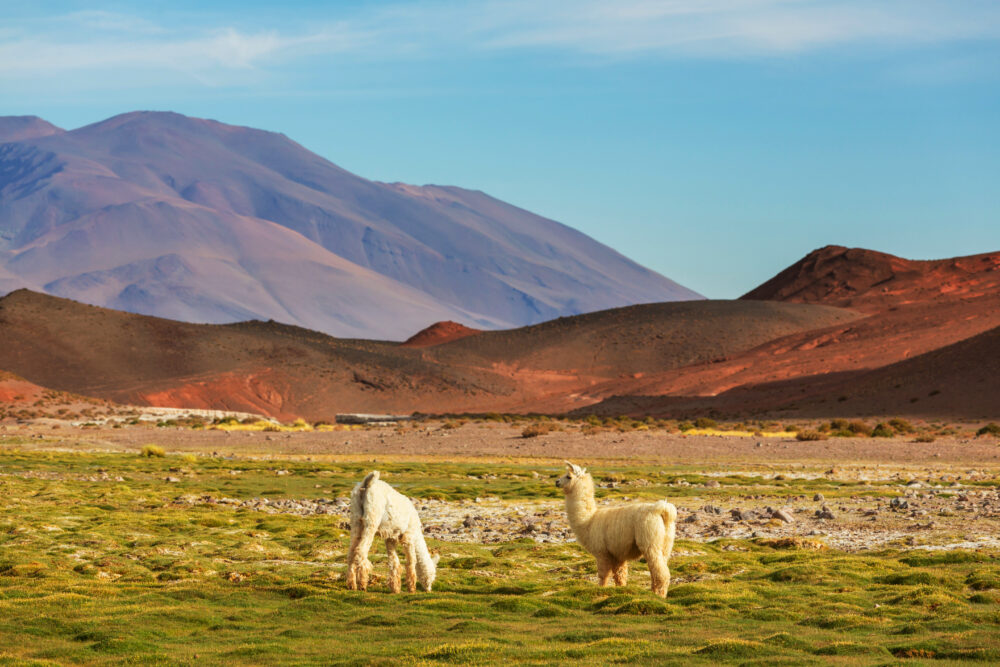
Known for consistent and increasing gold production, Peru utilizes its rich natural reserves effectively. Mining activities concentrated in the Andes are integral to its economic landscape, providing employment and contributing to global supply chains.
Peru’s growth in gold output, despite geographical and operational challenges, showcases resilience in the industry. With investments in infrastructure and regulatory frameworks, the country continues to contribute significantly while managing social and environmental impacts.