
One wants to store your wealth, the other wants to replace your wallet.

At first glance, Bitcoin (BTC) and Bitcoin Cash (BCH) seem like two versions of the same idea—decentralized digital money born from the same blockchain roots. But beneath the surface, they’ve taken very different paths. BTC has become the poster child for long-term crypto investing, while BCH leans into practical, everyday spending. Understanding where they differ isn’t just about nerding out on tech specs—it’s about knowing which one actually fits your goals.
If you’re thinking about holding, using, or even just exploring the crypto space, knowing how BTC and BCH compare can save you from making a costly mistake. They may sound alike and share a similar origin, but these coins operate under different philosophies, serve different users, and offer different advantages. These seven differences explain why picking one over the other depends on what you care about most: security, speed, ideology, or cold hard utility.
1. Bitcoin is built for value storage, Bitcoin Cash is built for spending.

Bitcoin is often called “digital gold” for a reason. It’s meant to store value over time, with limited supply and robust security. Most BTC holders aren’t looking to make quick payments—they’re aiming to ride the long-term wave of appreciation. That makes Bitcoin slower and more expensive to move, but highly trusted when it comes to securing wealth for the future, according to Nathan Reiff at Investopedia.
Bitcoin Cash, on the other hand, wants to function more like cash. Its main goal is to be fast, reliable, and cheap enough for day-to-day transactions. Think grocery shopping, paying freelancers, or sending money overseas in minutes. BCH may not get the flashy headlines that BTC does, but its focus on usability gives it a more grounded, practical edge for those who want to actually use their crypto—not just watch it.
2. Bitcoin has smaller blocks, Bitcoin Cash has larger ones.

The block size debate is what sparked the BCH fork in the first place. Bitcoin stuck with a 1MB block size to prioritize security and decentralization. That decision keeps the blockchain lean and harder to manipulate, but it also limits how many transactions can fit into each block, which often results in delays and higher fees during busy times.
Bitcoin Cash responded by boosting its block size—first to 8MB, then up to 32MB—to allow more transactions per block. This change drastically reduced fees and wait times, making BCH more efficient for regular use. Larger blocks do raise questions about network centralization and storage demands, but BCH holders see it as a worthwhile tradeoff for everyday functionality. It’s a classic battle of scale versus security, and the two camps made different bets, as reported by the experts at Kraken.
3. Bitcoin is backed by institutions, Bitcoin Cash by individual users.

Bitcoin’s rise has attracted attention far beyond the crypto crowd, as stated by Kevin Voigt at Nerdwallet. Institutional investors, Fortune 500 companies, and even governments have thrown support behind BTC. It’s listed on major exchanges, included in ETFs, and increasingly seen as a serious asset class. That kind of legitimacy gives BTC added price stability and influence over mainstream financial markets.
Bitcoin Cash, by contrast, remains largely a grassroots movement. It doesn’t attract the same level of institutional capital or press coverage. BCH thrives in communities that care about decentralization, peer-to-peer transactions, and keeping crypto usable for regular folks. While it may not have Wall Street’s backing, it’s deeply embedded in small businesses, merchant networks, and practical crypto tools that aim to make digital cash a reality.
4. Bitcoin transactions are slower and costlier than Bitcoin Cash.

One of the biggest pain points for Bitcoin users is speed and cost. When the network gets busy, fees skyrocket and transactions can get stuck in limbo. Sending BTC can feel more like a bank transfer than a digital revolution, especially if you’re just trying to send a few dollars or pay for something on the fly.
Bitcoin Cash was designed specifically to fix that issue. BCH transactions are typically confirmed within seconds and cost only a fraction of a cent. That consistency makes it appealing for real-time payments and cross-border transfers. You won’t worry about getting gouged on fees or waiting half an hour for a coffee purchase to confirm. For everyday use, BCH is simply smoother and faster out of the box.
5. Bitcoin has more liquidity and higher market dominance.
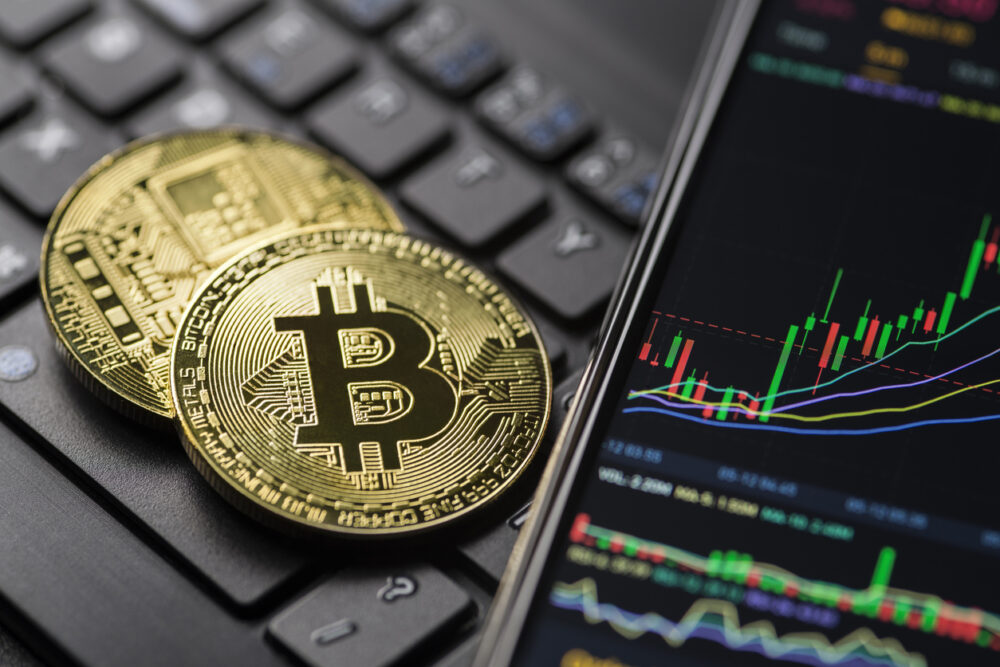
Bitcoin dominates the crypto world in terms of volume, liquidity, and market cap. It’s the most recognized cryptocurrency on the planet, which makes it easier to buy, sell, and trade across countless platforms. BTC is also more widely accepted by payment processors, wallets, and online services, giving it a practical edge even with its slower speed.
Bitcoin Cash lags behind in all those metrics. It’s still traded on major exchanges, but with less volume and fewer pairs. That can make it harder to move large amounts without impacting price. The lower liquidity doesn’t mean BCH is unusable—it just means it’s better suited for smaller transactions or personal payments than large-scale trading or institutional moves. If you’re looking for reach and flexibility, BTC gives you more doors to walk through.
6. Bitcoin upgrades slowly, Bitcoin Cash evolves quickly.

Bitcoin’s development is cautious and conservative. Any proposed change to the network goes through intense scrutiny, debate, and often takes years to implement. This slow pace is intentional—it helps prevent bugs, forks, or unintended consequences that could shake confidence in the system. BTC is about preserving trust more than pushing rapid innovation.
Bitcoin Cash takes a more experimental approach. Its developers push regular updates that focus on improving usability, expanding features, and making BCH more adaptable. This faster pace can be exciting for users who want a coin that keeps evolving, but it also means BCH has more moving parts and slightly higher risks when things shift. The tradeoff is between stability and flexibility—and each project leans in a different direction.
7. Bitcoin has the stronger brand, Bitcoin Cash fights for recognition.
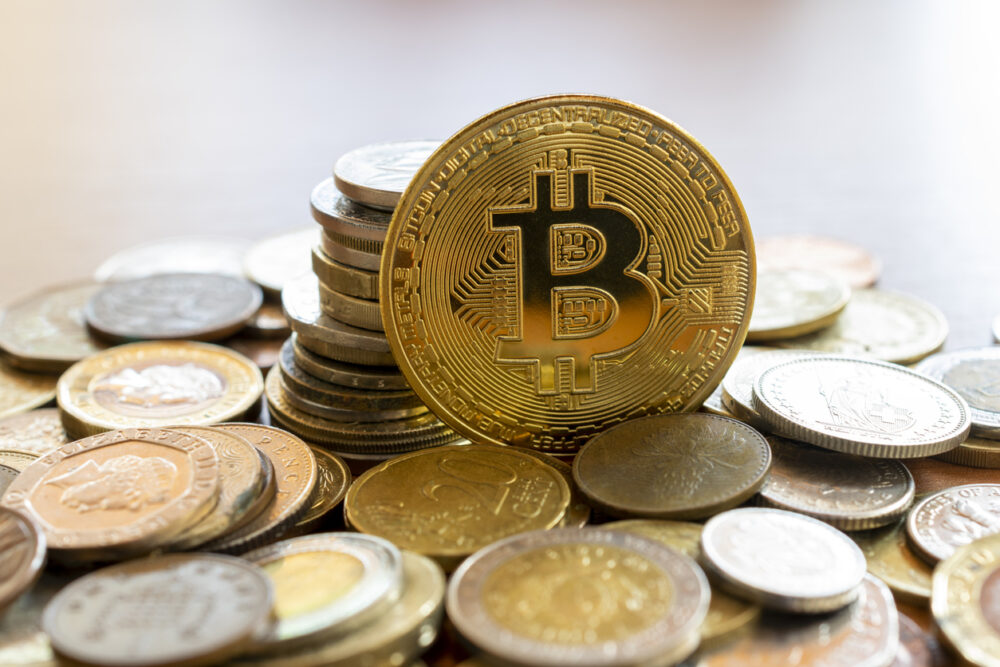
Bitcoin is a household name at this point. It’s the coin people think of when they hear “crypto.” That brand recognition gives BTC a massive head start in adoption, media coverage, and overall trust. Even people who have never touched a wallet know what Bitcoin is—and that kind of cultural foothold is hard to challenge.
Bitcoin Cash struggles with identity confusion. Some people think it’s a clone or knockoff. Others assume it’s just another altcoin among thousands. BCH supporters argue that it holds closer to the original vision of peer-to-peer digital money outlined in the Bitcoin whitepaper. Still, it faces an uphill battle when it comes to getting noticed or taken seriously. BTC wins the branding war, but BCH continues to build in the background for those paying attention.