
Several US states have significantly higher rates of fatal crashes linked to alcohol than others.
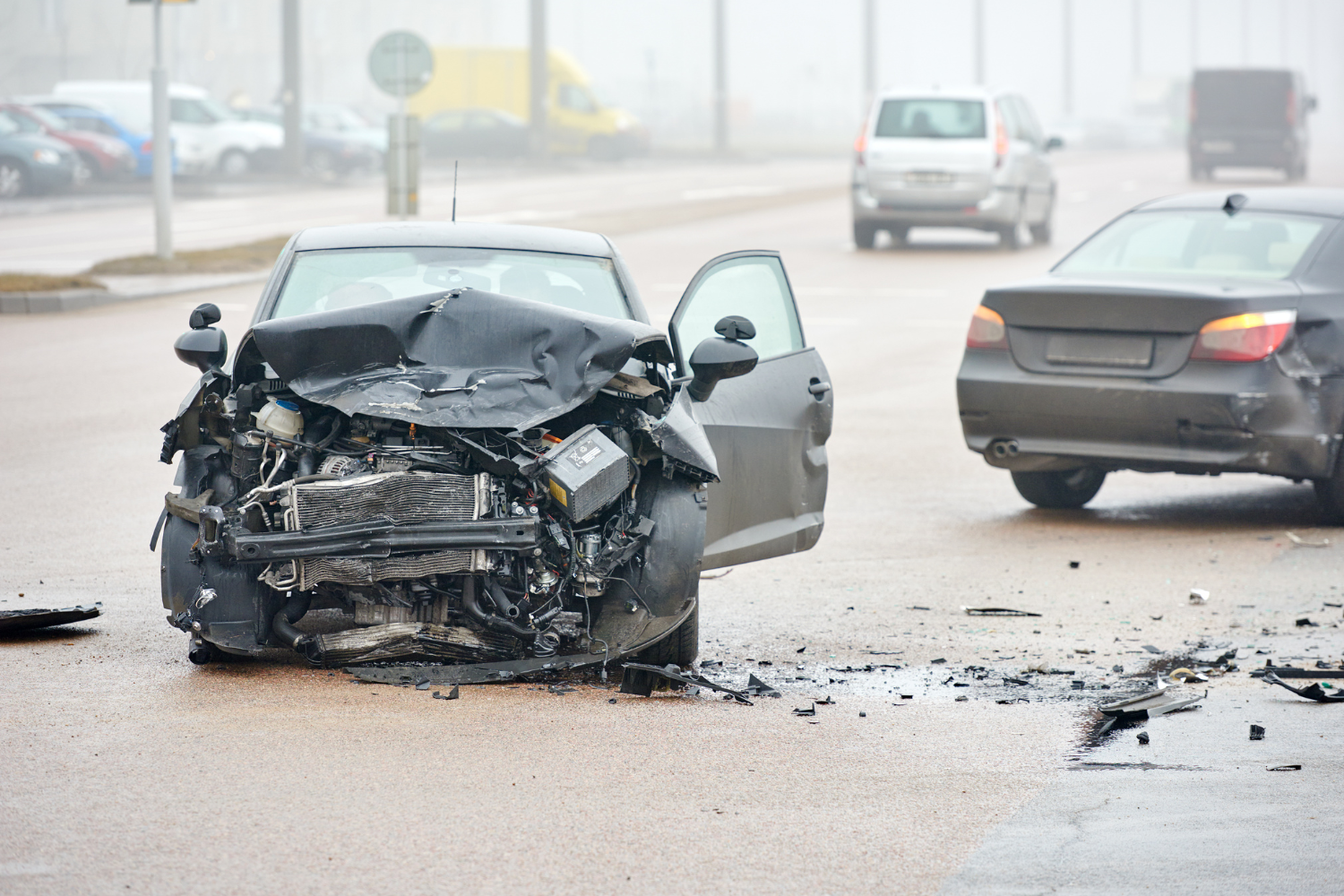
Understanding which states experience the highest rates of alcohol-involved fatal crashes provides insight into the ongoing challenges of impaired driving. Factors such as rural geography, law enforcement capacity, and local culture contribute to these variations. By examining data from authoritative sources like the National Highway Traffic Safety Administration and the CDC, we can better appreciate the nuances behind state comparisons and the importance of targeted prevention efforts to improve road safety.
1. New Mexico leads the nation in alcohol-involved fatal crashes per capita.
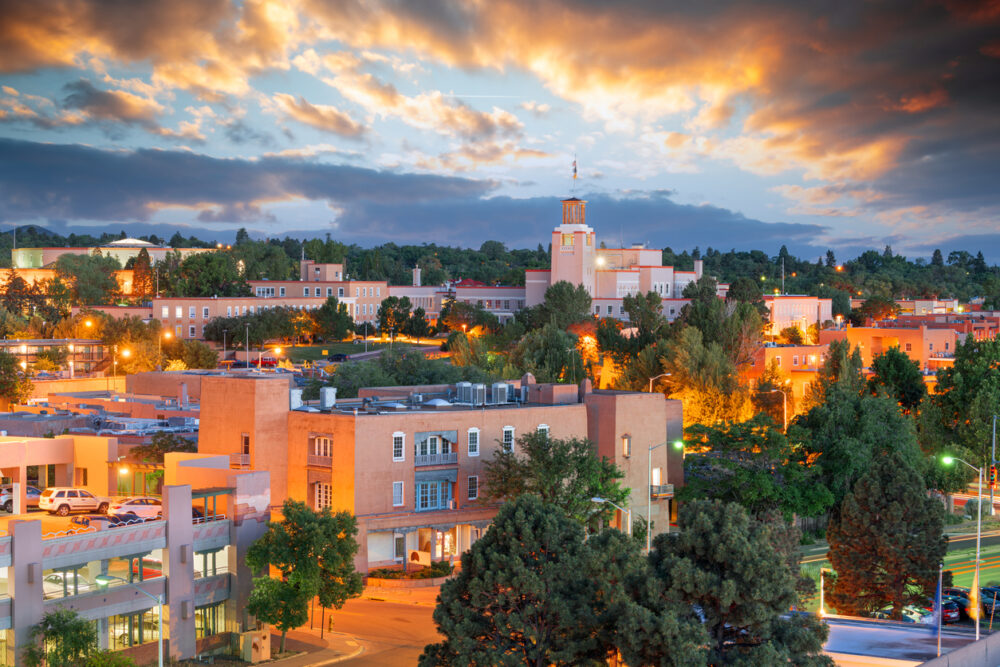
New Mexico’s wide open highways see a disproportionate number of alcohol-involved fatal crashes per capita. This southwestern state shows that sprawling miles aren’t only freeways for adventure but also potential danger when alcohol clouds a driver’s judgment. One risky decision can lead to irreversible consequences.
One reason is the mix of rural expanses and urban centers where impaired driving often feels inconspicuous. The tragic implications are clear: sparse law enforcement spread over large distances struggles to deter dangerous inebriated driving. Heightened awareness and preventive measures remain crucial in addressing these alarming statistics.
2. Alaska experiences a higher rate of fatal crashes involving alcohol than most states.

Alaska’s remote roads become perilous corridors when alcohol is involved, leading to a high rate of fatal crashes. Isolated stretches and icy conditions compound the risk, but the state’s vastness isn’t its only challenge. When alcohol mixes with inclement weather, the results can be deadly.
Limited access to public transportation and extended travel distances make hitching a ride more than an inconvenience—it can be a scarcity. These factors underline the necessity for robust local prevention programs. Better community awareness and adaptable solutions are keys to reducing such tragedies.
3. South Carolina ranks among states with a significant number of alcohol-related crash deaths.
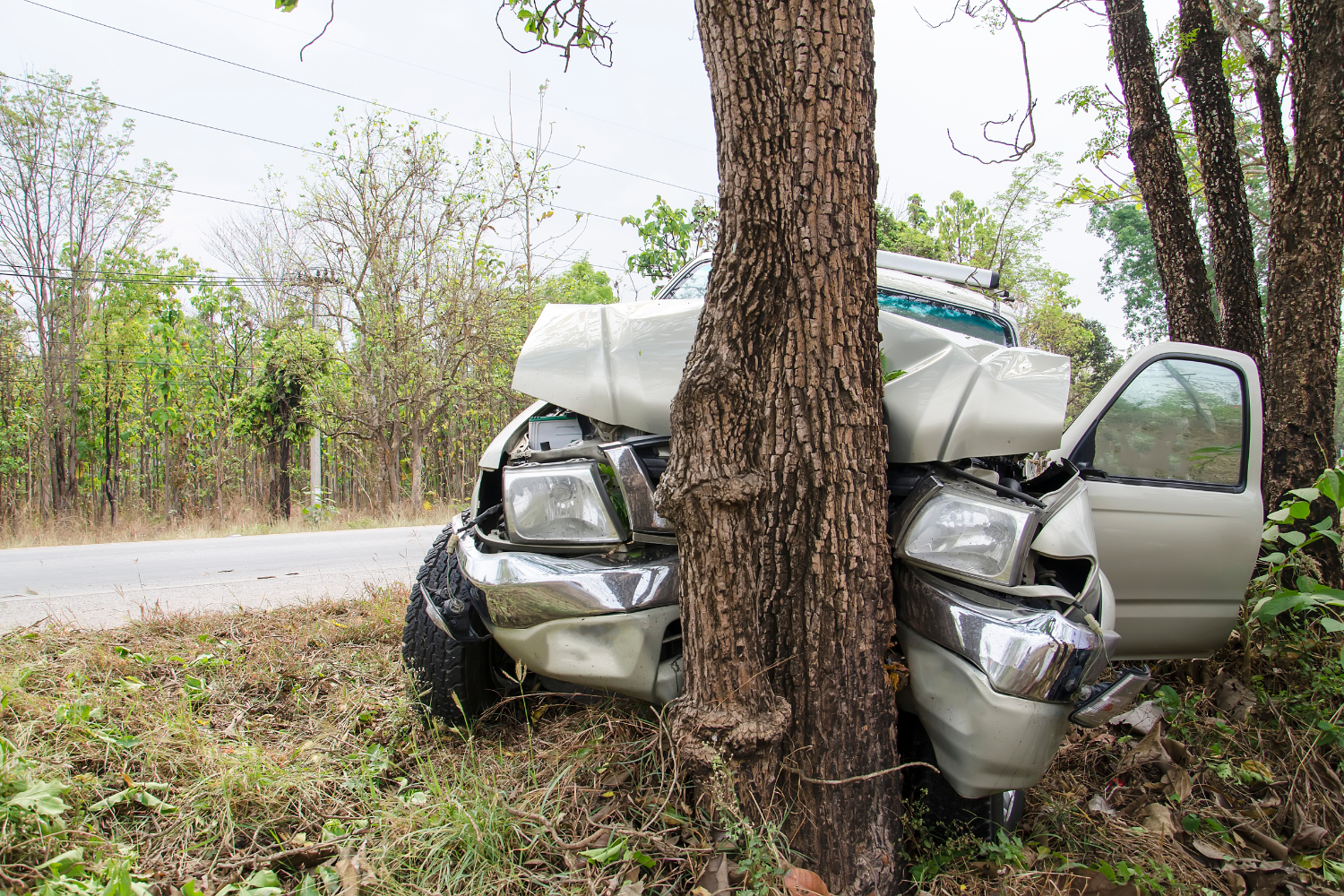
South Carolina has areas where alcohol-related crash deaths alarmingly outpace national averages. This southeastern state faces complex challenges despite its scenic highways. Heavy traffic and rural byways contribute to the danger when drivers hit the road. Nightlife in bustling towns can prompt risky behavior further afield.
Diverse transportation patterns mean state laws and deterrent measures must adapt to overlapping urban sprawl and country roads. Strengthening patrols and public education across regions might mitigate the frequency of such devastating collisions. Continuous dialogue helps foster safer driving choices.
4. Montana shows alarmingly high rates of fatal accidents connected to alcohol consumption.

Montana’s picturesque roads tell another story beneath the surface with high rates of fatalities linked to alcohol. Expansive landscapes can obscure the prevalence of impairment among some drivers. This vast state suffers from its own kind of isolation when prevention faces geographical challenges.
Local law enforcement often tackles difficult terrain and dispersed populations, making sobriety checks a logistical marathon. The rugged terrain demands both vigilance and tailored initiatives to support safe driving practices. Community efforts aim to bring these heart-wrenching statistics closer to zero.
5. Wyoming has a notable percentage of fatal crashes that involve alcohol impairment.

In Wyoming, a striking percentage of fatal crashes bear the imprint of alcohol impairment. This state’s broad plains and rolling mountains often amplify risky decisions under the influence, turning tranquil scenes into sites of sobering loss. Impact extends beyond travelers to local communities.
Sparse populations intermingle with a culture of independence, creating nuanced hurdles for law enforcement. Gathering an understanding of such dynamics stands vital in crafting effective deterrents. Maintaining awareness and fostering community education build a framework for positive changes on these roads.
6. Louisiana reports frequent fatal crashes where alcohol plays a critical role.

Fatal crashes with critical alcohol involvement frequently occur in Louisiana, where festivals and celebrations sometimes give way to regretful endings. The vibrant culture intertwines with challenging statistics as nightfall may invite higher intoxication levels on its roadways. Each celebration demands attention to safety practices.
Flood-prone streets and varied parishes structure the law enforcement landscape, necessitating adaptive responses. Strong public messaging and strategic local enforcement work to disrupt trends contributing to these grim outcomes. Prioritizing localized strategies underscores the commitment to reducing preventable fatalities.
7. North Dakota consistently appears near the top in alcohol-involved fatal crash statistics.
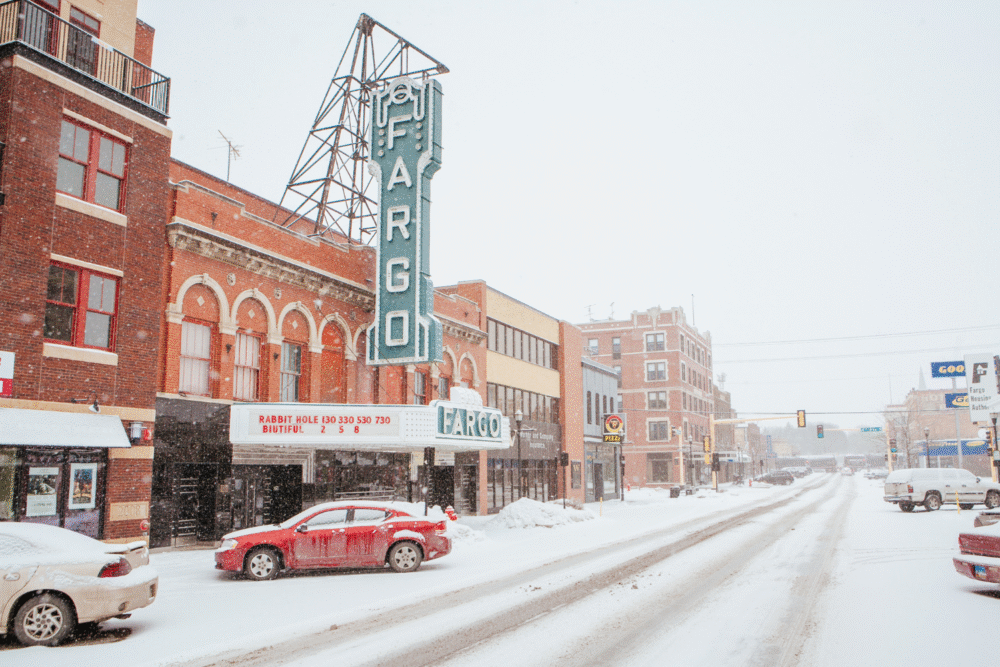
North Dakota continually registers alarming statistics in alcohol-related fatal crashes, defying some expectations for this quiet northern state. Open spaces and long stretches between towns increase the potential for impaired driving to escalate tragically. Here, quietness hides a loud alarm for caution.
Farm-to-market roads make patrol continuity challenging without comprehensive interventions. Programs highlighting the risks of alcohol on rural stretches form part of the educational blueprint. A community-focused approach helps address these distressing numbers by promoting alternatives to prevent impaired driving.