
Avoid buying used items that could pose hidden health and safety risks in everyday life.

When shopping for second-hand goods, it’s important to recognize which items may compromise your health or safety. Certain products can harbor bacteria, suffer from unseen damage, or lack current safety features, making them unsuitable for reuse. Understanding these risks helps prevent issues from allergens, contamination, or faulty protection. Choosing wisely can protect your well-being while navigating the used goods market with confidence.
1. Mattresses should always be bought new to avoid allergens and pests.
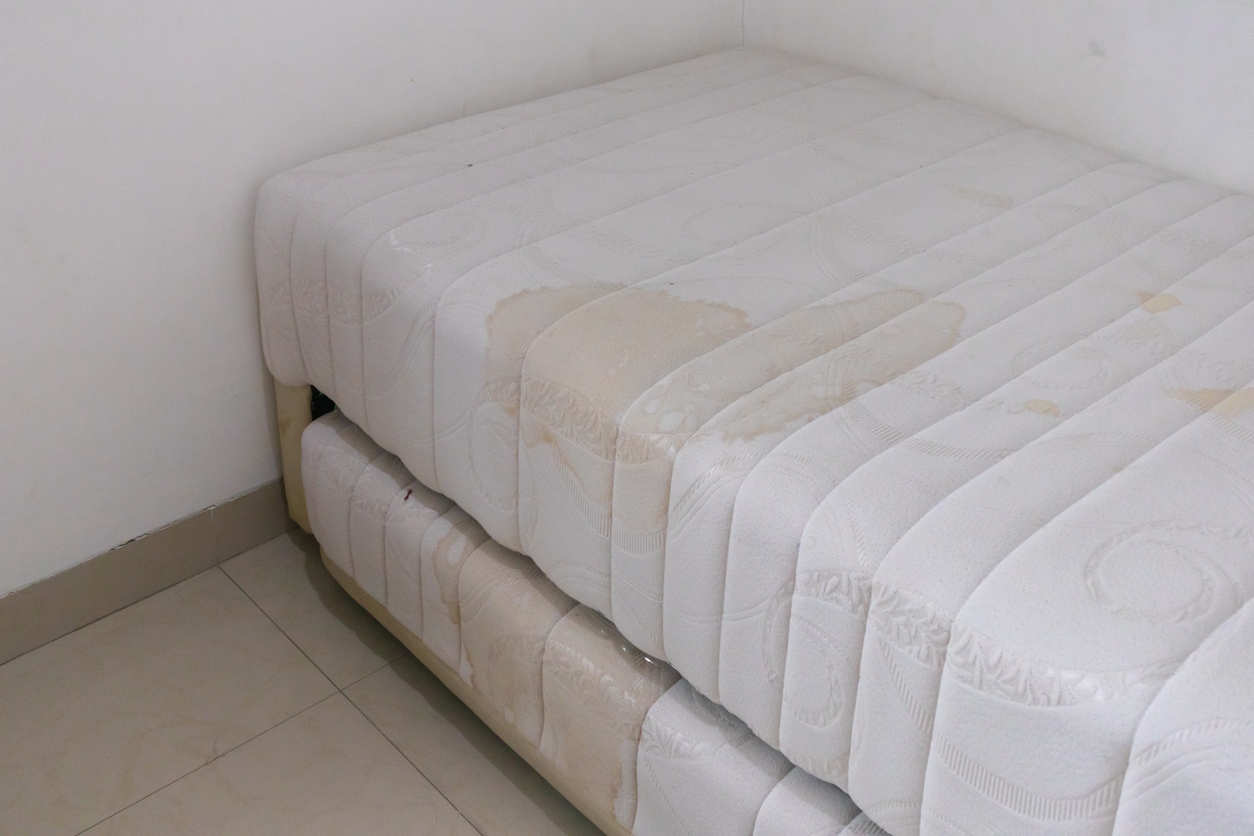
Mattresses, under soft covers, can host allergens and pests over time. Bed bugs and dust mites, invisible to the naked eye, thrive in used mattresses. Even thorough cleaning doesn’t always eliminate these hidden hazards. A fresh start with a new mattress can help maintain a healthier sleep environment.
An apparent bargain may attract second-hand buyers, but unseen risks lurk beneath the surface. Allergens like dust mites can exacerbate respiratory issues, while bed bugs cause discomfort and expense. With a new mattress, you gain peace of mind along with proven quality and comfort.
2. Helmets need to be new to ensure full structural integrity and protection.

Helmets are designed for one-time impact safety, absorbing force to protect the brain. Even if a used helmet looks intact, unseen structural damage can severely compromise its protection. A new, unused helmet ensures that full safety measures are uncompromised.
While a used helmet might seem economical, potential hidden fractures reduce its reliability. Structural integrity is essential as helmets distribute impact energy. Unfortunately, prior accidents may not be visibly evident. Prioritizing a new helmet provides essential safety, safeguarding lives during unexpected events as people engage in cycling or motorcycling.
3. Child car seats must be purchased new for uncompromised safety standards.

Child car seats are critical for ensuring young passengers’ safety during travel. Manufacturers frequently update safety standards, and structural integrity could weaken from previous accidents or wear. Buying a new car seat assures compliance with the latest safety regulations and complete reliability.
Older car seats, though appearing functional, may lack modern safety features or be subject to recalls. A new seat can provide peace of mind, incorporating advancements in side-impact protection and material designs. For safety and reliability, fresh car seats offer the best protection for children’s delicate bodies.
4. Underwear is a personal hygiene item that should never be used.

Underwear, being in constant contact with intimate areas, requires strict hygiene standards. Fabrics often absorb body fluids and lose integrity over time. Fresh underwear ensures proper hygiene and reduces the risk of infections or irritations, maintaining comfort and cleanliness daily.
Buying used underwear poses hygiene risks due to the potential for lurking bacteria or fungal spores. New underwear, however, offers assurance of clean, unused fabric against the skin. This consideration is practical for anyone prioritizing personal hygiene and health in personal attire choices.
5. Toothbrushes should be bought new to maintain proper oral health hygiene.

Toothbrushes perform a crucial role in oral hygiene by scrubbing teeth and gums several times a day. Sharing or reusing toothbrushes can introduce foreign bacteria or viruses. A new toothbrush ensures that no residual bacteria compromise oral health, promoting cleaner, healthier mouths.
Used toothbrushes, often with worn bristles, fail to provide effective cleaning, letting bacteria thrive. A fresh brush starts with firm bristles designed to reach crevices adequately. This small investment in oral care plays a significant role in avoiding cavities and gum disease over time.
6. Cooking pots and pans can retain bacteria and contaminants if reused.
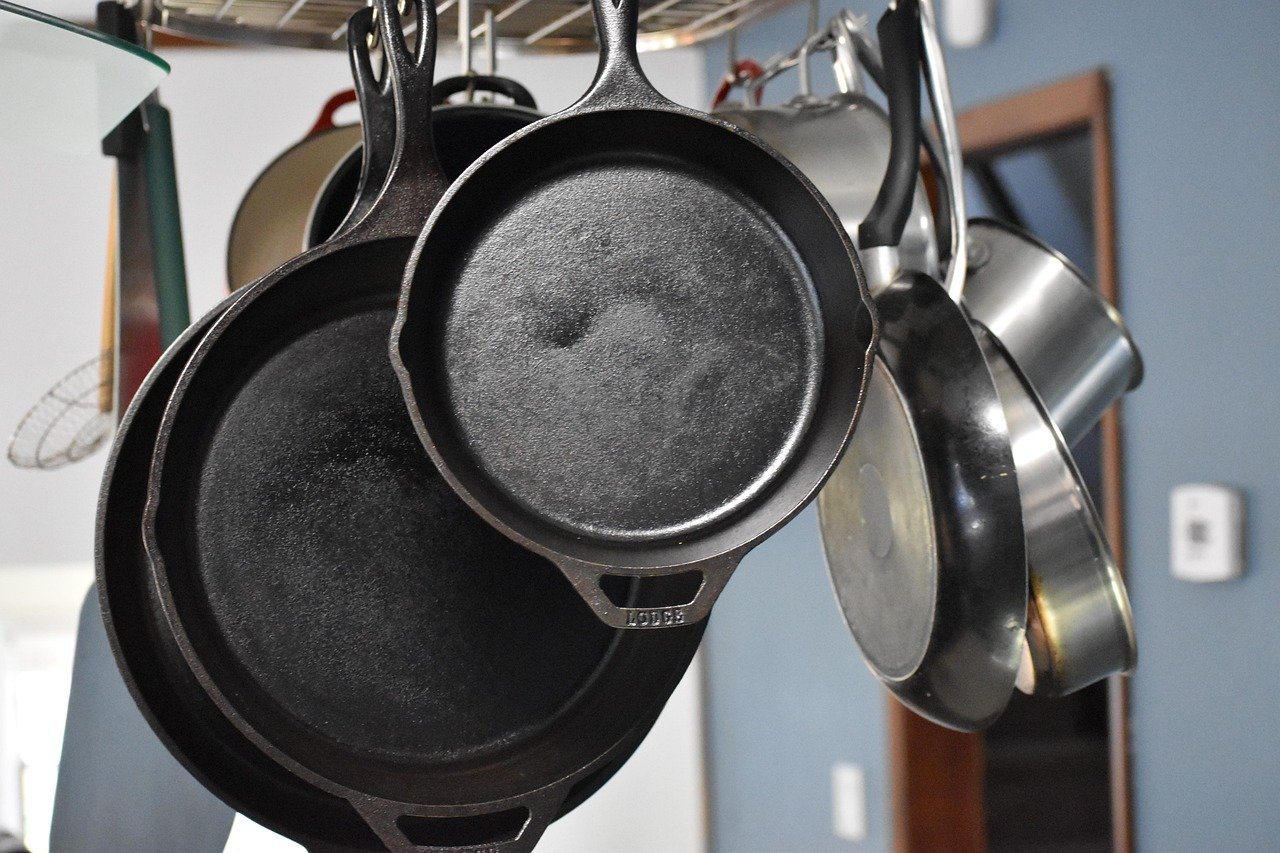
Cooking pots and pans, especially with scratched surfaces, can harbor bacteria and contaminants from previous use. These unseen remnants risk transferring into food, making cooking less safe. A new set of cookware ensures optimal hygiene and cooking safety standards from the start.
Second-hand cookware may also involve compromised non-stick coatings, intensifying the risk of harmful chemical leaching. Reliable, clean surfaces are essential for both food taste and health. Opting for new pots and pans eliminates these concerns, supporting quality meal preparation with peace of mind.
7. Water bottles are best purchased new to prevent bacterial buildup and leaks.
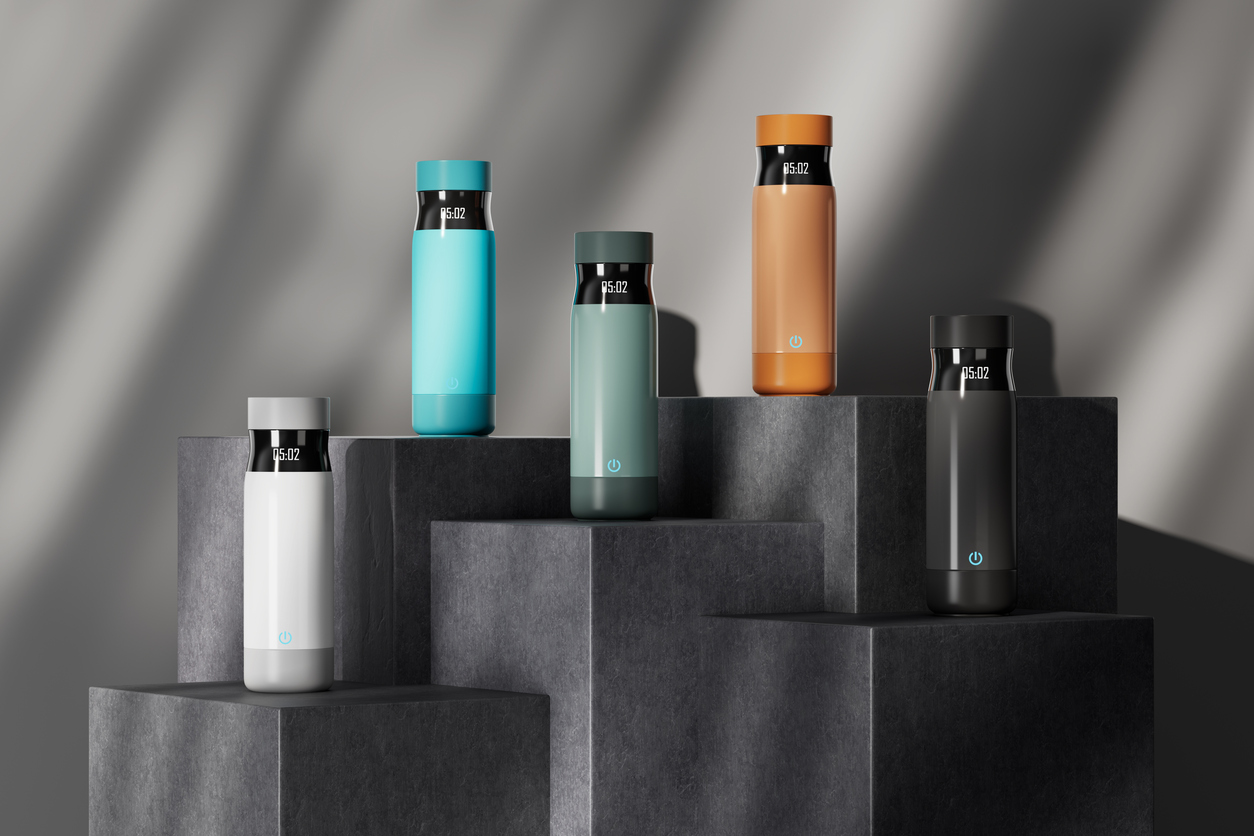
Water bottles, as daily refreshment companions, face significant wear and tear, posing bacterial buildup risks. Used bottles with scratches or cracks can turn storage into a breeding ground for microbes. New bottles provide assurance of hygiene, ensuring safe sipping throughout the day.
Reused water bottles often permit bacterial growth due to accumulation in narrow openings or seal imperfections. Fresh bottles lend confidence in their durability and cleanliness, whether on a hiking trail or a daily commute. Prioritizing new over used prevents exposure to otherwise invisible health threats.