
Tipping customs have transformed across industries, payment methods, and cultural expectations today.

Tipping etiquette has shifted significantly in recent years, influenced by technology, evolving service roles, and cultural variances. From digital payments and contactless options to automatic gratuities and new tipping contexts, what was once straightforward can now feel complex. Understanding these changes helps navigate when, how much, and whom to tip with confidence and respect, ensuring fair acknowledgment of service quality across diverse scenarios.
1. Understanding how digital payments have changed tipping methods significantly.

Digital payments have transformed tipping, offering convenience but also altering etiquette. With a few taps, gratuity can be added to a bill, often before a service concludes. This shift allows for easier tipping yet introduces uncertainty about appropriate amounts in different situations.
Positively, electronic tips ensure prompt receipt by service workers, avoiding misplaced cash. However, the ease of digital transactions might pressure individuals to tip more frequently or in contexts where it was once optional. Balance must be maintained as technology continues to shape tipping mechanisms.
2. Recognizing the growing practice of tipping in non-traditional service industries.

Tipping has expanded beyond restaurants into non-traditional industries. Now, personal trainers or salon professionals may expect gratuity for services rendered. Such practice blurs traditional lines of when and where tips should be offered, complicating customer decisions.
Unexpected requests for tips can catch some off-guard, leading to confusion over societal norms. As many industries modernize and integrate tipping, patrons may encounter dilemmas on properly compensating professionals whose fields lack historic tipping customs.
3. Adapting to the increased use of tip jars and contactless tipping options.
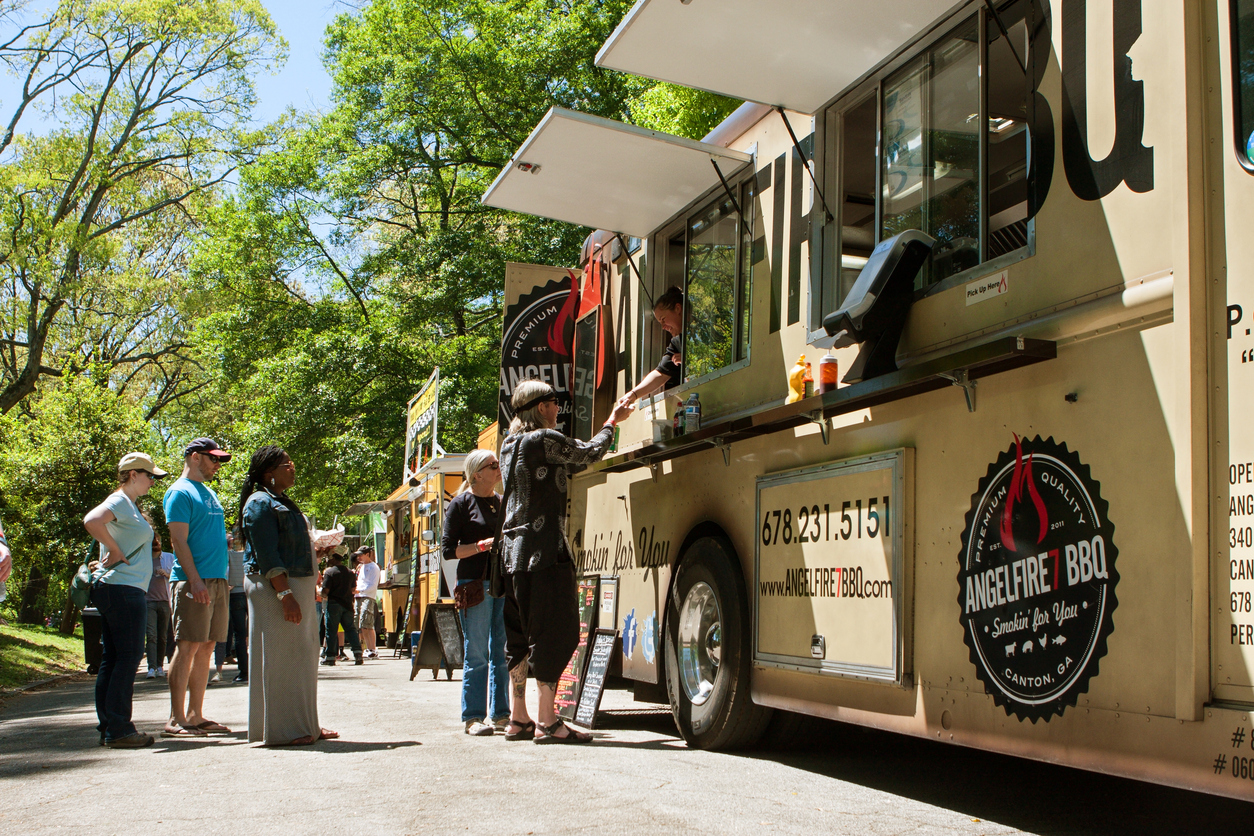
Tip jars and contactless options have become common in casual service settings. Conspicuously placed near checkout counters, jars invite customers to contribute a little extra with digital alternatives now prevalent in cafes and food trucks. These developments align with changing consumer habits.
As interaction shifts from personal exchanges to streamlined technology, patrons may feel detached from the human aspect of gratitude. Recognizing the symbolic gesture of tipping, even through virtual means, helps maintain its essence despite its evolving forms.
4. Considering cultural differences in tipping norms when traveling abroad.

Different countries embrace varied tipping norms, often bewildering tourists. In some cultures, gratuity reflects appreciation, while in others it’s unnecessary or offensive. Awareness of these distinctions fosters respectful travel experiences, minimizing awkwardness at dining tables or service counters.
Misjudging tipping expectations may lead to embarrassment or unintended offense. Travelers should understand local practices—whether tipping for a taxi ride or a meal—to ensure alignment with social customs, showing respect for cultural diversity.
5. Noticing the rise of automatic gratuity charges on certain bills.
Automatic gratuity charges simplify billing but can surprise unsuspecting patrons. Incorporated into bills, preset tips usually appear in group dining scenarios or high-end establishments, reducing the confusion of splitting checks. Though convenient, transparency remains critical.
Such charges can evoke mixed feelings, particularly if service quality falls short. Understanding these automatic additions helps manage expectations and ensures customers aren’t caught off-guard by final costs incrusting personalized experiences in dining.
6. Acknowledging service workers’ perspectives on tipping fairness and expectations.
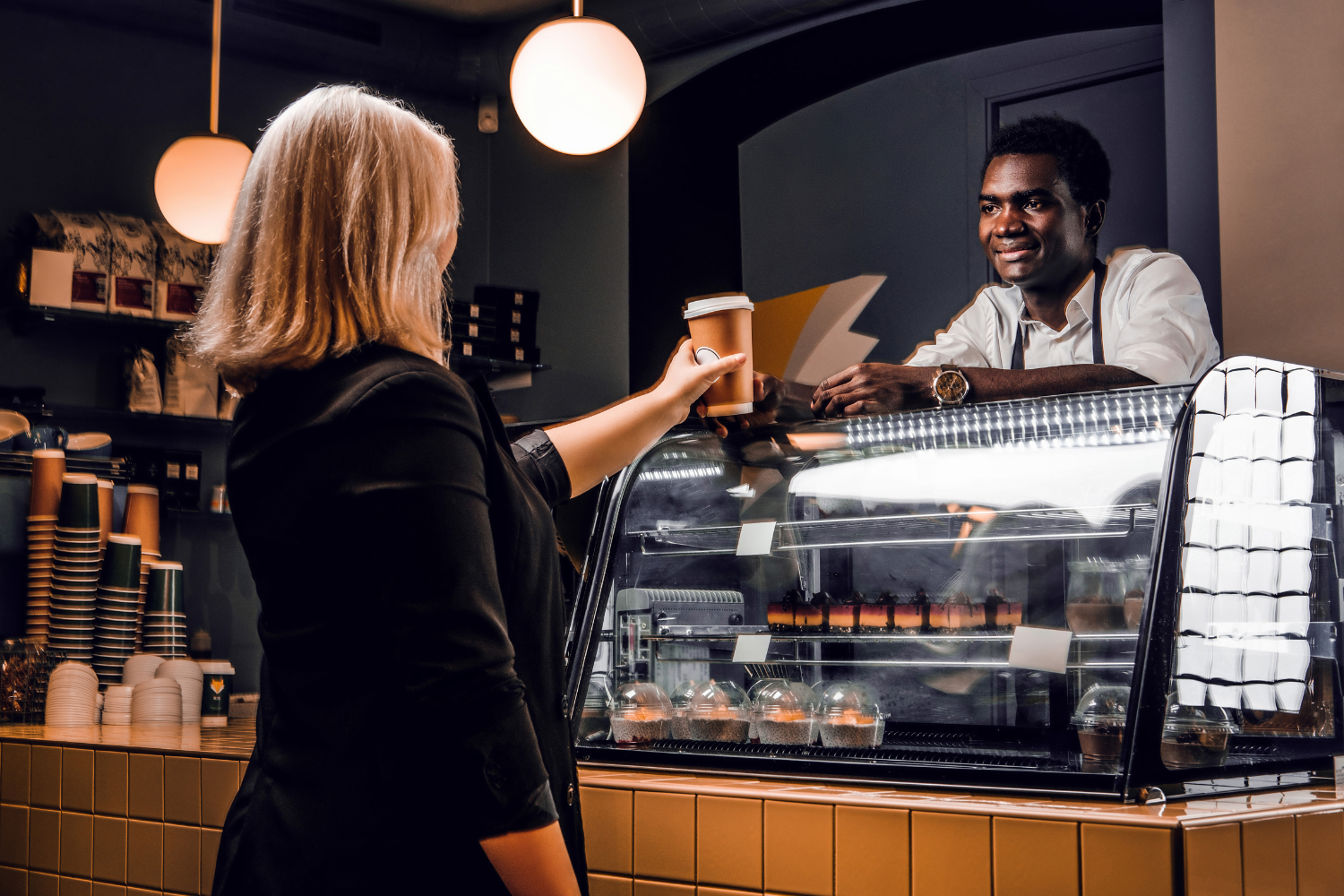
Service workers view tipping as recognition of effort, directly affecting income satisfaction. Gratuity levels often equate to job affirmation, influencing morale and service quality. Insight into worker perspectives nudges empathy when deciding tip amounts, bridging gaps in understanding.
Across sectors, employees face varied expectations, sometimes pressuring customers to resolve ambiguities. Fostering transparent communication and fair tipping habits strengthens mutual appreciation for service, acknowledging the importance of balanced compensation practices.
7. Learning when and how to appropriately tip delivery and gig economy workers.

Delivery and gig workers navigate distinct tipping challenges, often bridging gaps in new economy models. While accommodations for their services integrate into standardized fees, tipping remains pivotal in distinguishing exceptional service. This approach helps rebalance inherent uncertainties in freelancer-driven fields.
Determining gratuity often depends on factors like delivery speed and interaction quality, introducing nuances absent in more traditional settings. Acknowledging these elements informs fair cost allocation, supporting gig workers’ livelihoods within evolving occupational landscapes.