
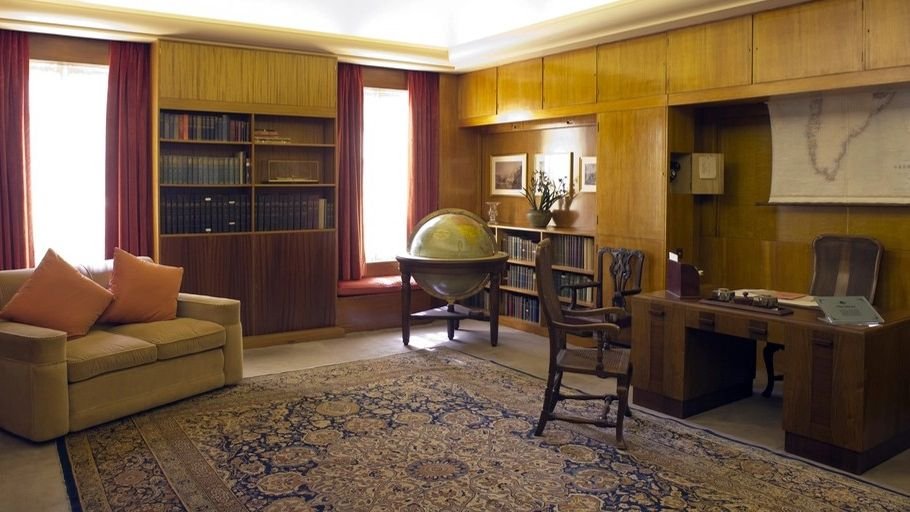
There is something quietly thrilling about the idea that a forgotten object sitting in your grandmother’s attic might be worth a small fortune today. We live in a world obsessed with the new, the shiny, the mass-produced. Yet, strangely enough, the things that are climbing in value fastest are often the oldest, the most worn, and the most overlooked.
The rise of millennial and Gen Z buyers is fueling significant growth in the antiques market, with younger shoppers increasingly moving away from mass-produced “fast furniture” and embracing pieces with character and story. The global collectibles market was estimated at over $306 billion in 2024 and is projected to nearly double by 2033. That is not a niche hobby anymore. That is a financial movement hiding in plain sight. Let’s dive in.
1. Mid-Century Modern Furniture: The Crown Jewel of Antique Collecting

Here is the thing about mid-century modern furniture – it never really went anywhere. It just waited. Mid-century modern furniture remains a top choice for homeowners and collectors due to its timeless appeal and functional design, with pieces originating from the 1950s to 1970s that emphasize clean lines, natural materials, and minimalism.
Pieces from designers like Charles and Ray Eames, Eero Saarinen, and Arne Jacobsen continue to fetch high prices, with collectors appreciating the functionality and timeless appeal of these pieces, making them a safe investment. Honestly, I think part of the appeal is that you can actually use them in a modern home without them looking out of place.
Mid-century modern furniture has become a favorite style of younger collectors, proving that what goes around comes back around – especially in design. Original pieces from renowned designers can fetch thousands of dollars at auctions or antique stores.
The antique and vintage industry is witnessing a strong interest in mid-century modern furniture and decorative objects. It is the kind of category where buying early is almost always the right call.
2. Original Tiffany Studios Lamps: Glass That Glows With Value

Few antiques are as visually striking as a genuine Tiffany Studios lamp. Created by Louis Comfort Tiffany in the late 1800s, each lamp features hundreds of hand-selected glass pieces soldered together in copper foil, with Dragonfly, Wisteria, and Peony designs commanding the highest prices. Authentic examples bear the Tiffany Studios mark and have a distinctive warm glow when illuminated, thanks to the unique glass formulations Tiffany invented.
Authentic Tiffany lamps typically range from $4,000 to over $1 million. That range is staggering. We are talking about something that might look like a pretty lamp on the surface but functions more like a piece of fine art.
Lamps produced by Tiffany Studios are among the most sought-after in American collecting circles, with authentic stained glass Tiffany lamps regularly selling for five to six figures at auctions. The market for Tiffany lamps is thriving, with significant sales in auction houses reflecting their enduring appeal – a rare 1903 Pond Lily table lamp sold for $3.4 million.
One of the fastest ways to reduce value is by replacing the original shade. Authentic vintage lamp shades, especially stained glass, hand-painted, or silk models, are highly prized. Collectors want originality. A lamp with its original shade intact often sells for far more than the same base paired with a modern replacement.
3. Antique Cast Iron Cookware: From the Kitchen to the Collector’s Cabinet

I know it sounds crazy, but that old skillet rusting in a garage might be worth serious money. In December 2024, a vintage Griswold #14 skillet with a front-pour spot sold for $3,249, and a #13 with a slant logo sold for $2,799.99. Those are not typos.
In August 2024, one Griswold spider skillet, also stamped with an all-caps “ERIE” for where the company was founded, sold for $10,000 at auction. The history and rarity behind these pieces drive prices to levels that genuinely surprise first-time sellers.
Vintage cast iron skillets are valued by both collectors and home chefs for their quality craftsmanship and durability, with some of these vintage pieces fetching high sums in the high hundreds to even thousands. If your pan was made before 1957, it is considered vintage cast iron.
The value of antique cast iron skillets can start at similar-to-new prices, but a super rare Wagner or Griswold can fetch up to $1,500 apiece. A mint condition, super rare “spider skillet” made in the 1890s by Griswold is worth up to $8,000. Suddenly, grandma’s kitchen feels like a treasure vault.
4. Art Deco Furniture and Decorative Pieces: The Roaring Twenties Are Roaring Back

Art Deco is one of those styles that comes and goes from mainstream conversation. Right now, it is very much back. Art Deco, characterized by bold geometric shapes, luxurious materials, and intricate detailing, is experiencing a resurgence, with pieces from the 1920s and 1930s such as chrome light fixtures, mirrored furniture, and ornate cabinets now highly sought after.
The appeal of Art Deco lies in its ability to exude opulence while maintaining a sense of modernity. Collectors and interior designers are drawn to its boldness, making it a centerpiece in contemporary homes. As a result, authentic Art Deco furniture and decorative items are commanding higher prices, especially those crafted from rare woods, marble, or inlaid metals.
According to ABC Carpet & Home, Art Deco rugs from the 1920s will be very popular in 2025, and the trend is expected to remain in demand for years to come. The geometric boldness of the style appeals to a generation that grew up valuing visual impact and self-expression.
5. Antique Persian and Oriental Rugs: Floor Coverings That Fund Retirements

Think about the sheer audacity of something you walk on every day being worth thousands. Antique rugs, tapestries, and textiles are experiencing growing demand, with handwoven Persian and Oriental rugs highly valued for their intricate designs and vibrant colors, adding warmth, texture, and a sense of history to any room.
If you can get your hands on a true antique hand-woven rug, then you have a great find. The worn and lived-in look of vintage rugs continues to be popular. The “perfectly imperfect” aesthetic is precisely what modern decorators are hunting for.
Collectors often look for rugs with natural dyes, traditional patterns, and minimal wear. Additionally, vintage quilts and embroidered textiles are becoming popular for use as wall art or throws, with the rise of sustainable living further fueling interest in these timeless, handcrafted items.
In the realm of antique rugs, large Turkish rugs with soft or unusual coloring, such as ivory, pale blues, soft yellows, greens, and chocolate browns, are particularly popular among interior designers. Let’s be real – these are not just rugs anymore. They are investments you can decorate your home with.
6. Antique Porcelain and Stoneware Sets: Beauty That Breaks Price Records

Porcelain is having a genuine moment. Experts are seeing increased interest in highly decorative and patterned antique porcelain and stoneware sets. The level of craftsmanship involved in these older pieces simply cannot be replicated with modern mass manufacturing.
Porcelain, ceramic, and glassware items have long been cherished for their beauty, craftsmanship, and cultural significance. In 2024 and 2025, collectors are specifically looking for items that combine rarity, craftsmanship, and provenance, with a well-documented history tending to hold greater value.
In May 2025, two rare Chinese antiques over 300 years old, part of a family collection in East Sussex, were sold for a combined $153,744. The items, a vase and a wine pitcher, date back to the reign of the Kangxi Emperor, highlighting the enduring appeal of Chinese antiques among collectors.
Pieces that are signed by the artist or part of a limited series often carry the highest value. Whether displayed as heirlooms, used as functional decor, or collected as investments, porcelain and ceramic items offer both beauty and financial potential.
7. Vintage Handmade Quilts: The Cottage Core Boom Is Real

Quilts used to be something people stored in cedar chests and occasionally apologized for. Not anymore. Driven by the cottage core movement, there is a renewed interest in vintage textiles, specifically quilts, which have become more sought after and are now commanding higher prices than in the past, even for quilts that have some wear on them.
When shopping for quilts, buyers look for ones that have evidence of hand-quilting with uneven stitching and age older than the 1970s with cotton fabric. These are the telltale signs of authenticity that push prices higher at estate sales and online marketplaces.
It is hard to say for sure exactly what is driving this trend, but sustainability plays a big part. In recent years, the antique and vintage industry has seen a significant shift towards sustainability and eco-friendliness. As awareness of climate change and environmental issues grows, more consumers are seeking ways to reduce their carbon footprint, leading to a surge in demand for second-hand and vintage items including household goods.
The second-hand market is expanding at a rate 21 times faster than traditional retail stores, a trend particularly driven by Generation Y and Generation Z who are more conscious of the environmental impact of their purchases. Quilts perfectly fit this mindset – artisanal, eco-friendly, and dripping with history.
8. Depression-Era Glassware: Colorful, Fragile, and Surprisingly Valuable

There is something poetic about the fact that glassware made during one of history’s hardest economic periods is now fetching impressive prices. Depression-era glassware is experiencing a revival in popularity. Produced during the 1920s and 1930s, this glassware is characterized by vibrant colors like pink, green, and amber, as well as intricate patterns, with collectors prizing intact pieces such as plates, bowls, and serving dishes, especially from manufacturers like Federal Glass or Hocking Glass.
Another highly coveted category is Murano glass, a form of Venetian glassmaking that dates back to the 13th century. Known for its bold colors, swirls, and embedded details like gold leaf, Murano glass art pieces ranging from vases to chandeliers are increasingly sought after by collectors and interior designers alike, with the craftsmanship and authenticity making each piece a unique work of art.
Venetian glass pieces are not just pretty – they are portable goldmines. Sales of these delicate treasures have tripled recently, particularly items like barware, sconces, and chandeliers. Each piece carries centuries of craftsmanship tradition from Murano Island, with authentic pieces featuring distinctive bubble patterns, vibrant colors, and impossibly thin walls.
The broader market confirms this trajectory. The second-hand collectibles market was valued at over $142 billion in 2024 and is projected to reach nearly $249 billion by 2034, fueled by a rising preference for sustainable consumption and growing demand for unique, affordable items that also offer environmental benefits. Depression-era glassware sits right at the intersection of all those forces.
The Market Forces Driving All of This Upward

These are not random coincidences. There is a very real market force behind every single item on this list. After growing up surrounded by fast fashion and mass production, younger consumers are hungry for the quality and character that only comes with age and masterful craftsmanship. They recognize antiques as the ultimate example of circular economy principles, where beautiful objects gain value and meaning over time rather than ending up in landfills.
Step into any antiques fair today and you will witness a fundamental shift: twenty-somethings photographing Victorian jewelry for their Instagram stories, seasoned collectors bidding via smartphone apps, and dealers discussing blockchain provenance alongside centuries-old craftsmanship. The antiques trade is in the midst of a powerful transformation, flourishing in ways that would have been unthinkable only ten years ago.
Collectors are looking for items that combine rarity, craftsmanship, and provenance. An item with a well-documented history tends to hold greater value, and unique designs or items from significant historical periods also drive up interest and prices. The formula for value is actually quite consistent across all categories.
How to Spot Value Before Everyone Else Does

Here is where it gets practical. Most valuable antiques are not found at upscale dealers where they are already priced accordingly. The condition of an antique significantly affects its value, and items with documented history or provenance are often more valuable. Always dig deeper when inspecting a piece.
Antiques, particularly antique furniture, embody history and craftsmanship that appeal to collectors and interior designers alike. As more people turn to vintage and authentic decor for their homes, the demand for antique furniture continues to rise, potentially increasing its value over time. The demand side of the equation is only growing stronger.
As sustainability becomes a bigger consideration, pieces that promote reuse and long-lasting craftsmanship are also growing in popularity. Think of it this way: every antique you preserve is one less thing headed to a landfill and one more story kept alive. That narrative now carries genuine dollar value.
Conclusion: The Attic Might Be Your Best Investment Account

The antique market in 2025 and 2026 is no longer a quiet backwater for dusty collectors. It is a serious, data-backed, globally expanding market driven by real human desire – for quality, for history, for sustainability, and for things that simply cannot be replicated by a factory. Whether it is a cast iron skillet from a garage sale or a porcelain vase inherited from a relative, the object’s story is part of its value.
The antiques trade stands at a fascinating inflection point, with multiple favorable trends converging: younger buyers embracing vintage for both aesthetic and sustainability reasons, affluent collectors continuing to invest in tangible assets, and technology finally catching up to the industry’s unique needs.
The real question is not whether these items are increasing in value. They clearly are. The real question is: what might be sitting in your home right now that you have not yet thought to look up? What would you have guessed was worth nothing – but might actually be worth a fortune?