
Discover which Latin American countries have the highest living expenses and why they stand out.
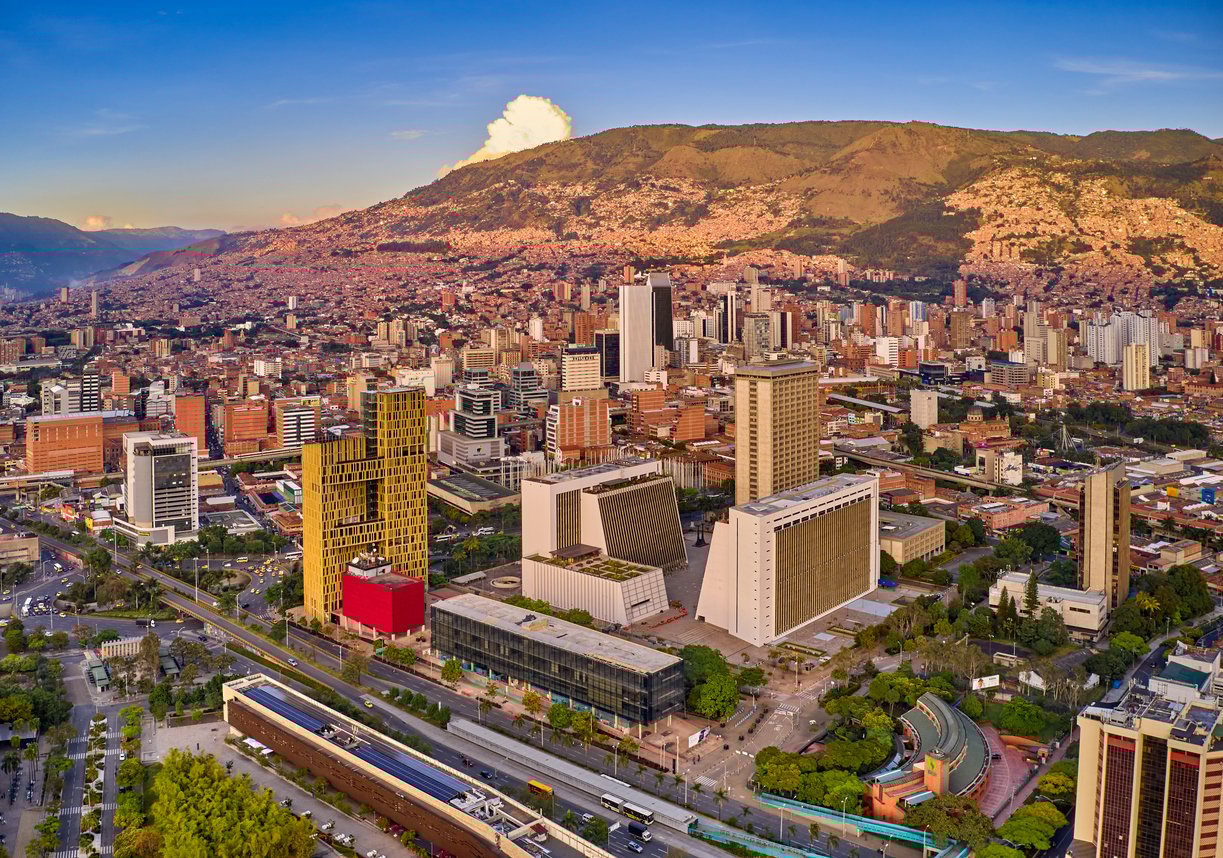
Living costs vary widely across Latin America, influenced by factors like housing, food, transportation, and economic stability. Some countries present notably higher expenses, especially in their urban centers, reflecting stronger currencies and developed infrastructure. Understanding these variations helps travelers and potential residents make informed decisions about where to live or visit, balancing lifestyle needs with financial realities.
1. Chile consistently ranks among the priciest countries to live in Latin America.

Chile’s steep living costs are driven by elevated housing expenses, reflecting its economic stability and natural landscapes. The capital, Santiago, highlights this with high-priced rentals and modern amenities, offering a stark glimpse into its economic dynamics. Living here is an experience of contrasts.
In contrast to its breathtaking geography, rural areas may offer more affordable options but lack the job opportunities and conveniences found in urban centers. This reality compels many to consider Santiago despite the financial stretch. Economic splits between city and countryside are significant in terms of lifestyle and opportunities.
2. Uruguay offers a high cost of living with quality services and amenities.

Uruguay is known for excellent infrastructure and public services, often at a premium. Life in Montevideo feels orderly and pleasant, but with costs that match its European-like ambiance. The blend of cultural charm and quality services plays a crucial role in its expense profile.
For those seeking tranquility and quality of life, the picturesque coastal town of Punta del Este provides such appeal, albeit at a significant cost. The contrast between rural and urban expenses is pronounced, with coastal regions offering a luxurious lifestyle but demanding deep pockets.
3. Argentina’s capital city is notably expensive compared to other regional centers.

Buenos Aires, Argentina’s vibrant heart, presents a living cost that towers over its provinces. Urban living here encapsulates diverse dining experiences and cultural events, drawing both locals and visitors despite higher expenses. This economic disparity within Argentina is notable and affects lifestyle decisions.
While Buenos Aires buzzes with activity, areas like Mendoza or Córdoba offer lower expenses but fewer amenities. Such contrasts highlight the need to weigh economic factors alongside lifestyle preferences. The capital’s magnetism often overshadows these financial considerations, yet regional alternatives do exist.
4. Brazil’s major urban hubs have a rising cost of living for residents.

Brazil’s bustling metropolises such as São Paulo and Rio de Janeiro are synonymous with escalating living costs. These cities are economic powerhouses that amplify urban living. While they demand higher rent and consumer goods expenses, they also offer unmatched cultural and job opportunities.
Even so, outside the urban core, life in smaller towns or rural areas provides a financially attractive alternative. The disparity in housing and food costs between cosmopolitan hubs and less populated regions provides a choice between bustling city life and smaller community allure with lower living expenses.
5. Panama attracts expats but living expenses remain high in key areas.
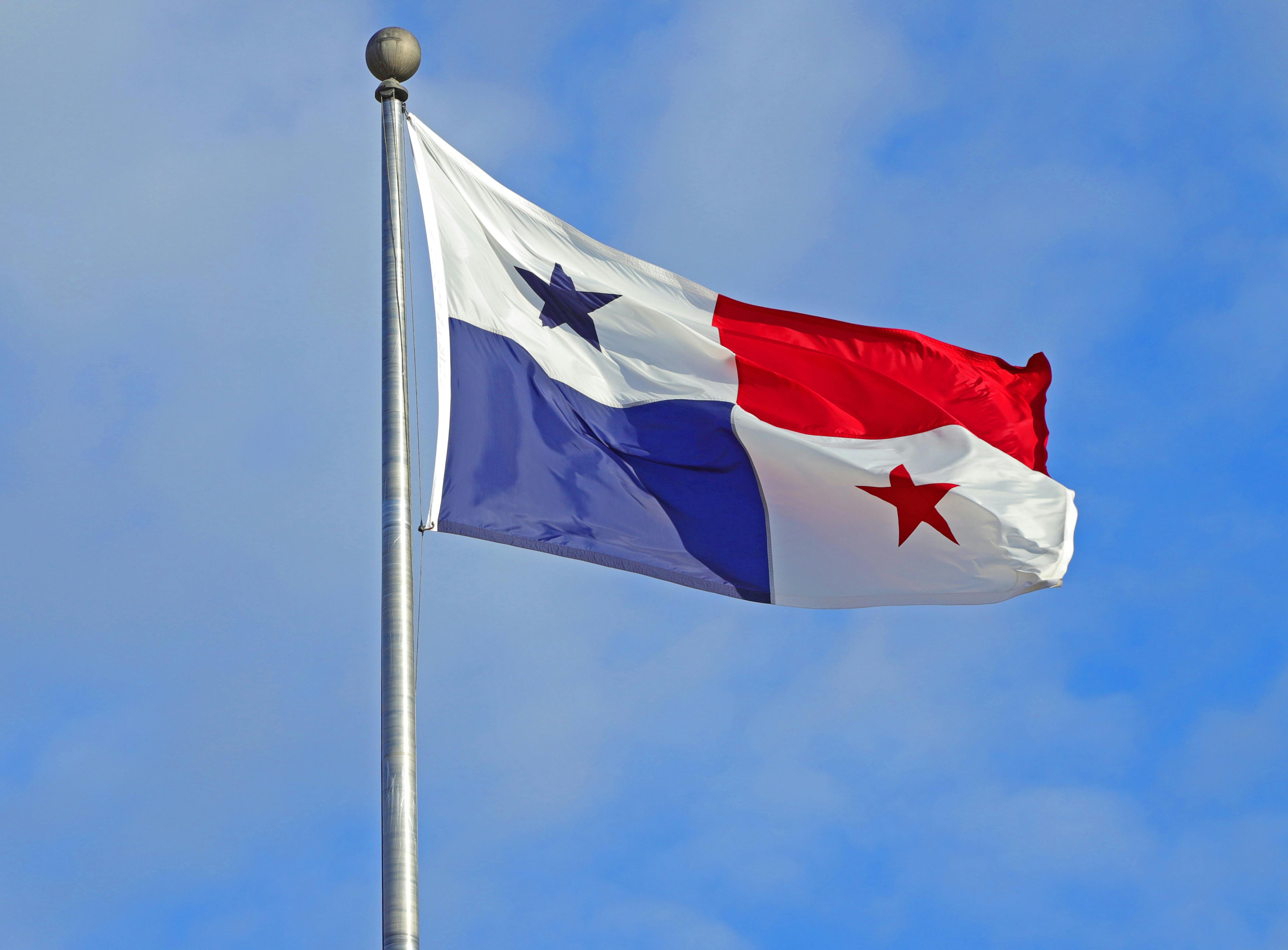
Panama’s allure for expats includes regulatory incentives and cultural warmth, yet this comes with notable living expenses in regions like Panama City. The thriving expat communities and urban development raise costs, especially for housing and imported goods.
Despite the appeal of a well-connected lifestyle in the capital, suburban and rural zones can ease financial burdens. Pricing contrasts between these areas illustrate how location impacts cost and lifestyle, offering choices between modern pressures and peaceful surroundings.
6. Costa Rica combines natural beauty with a relatively steep living cost.
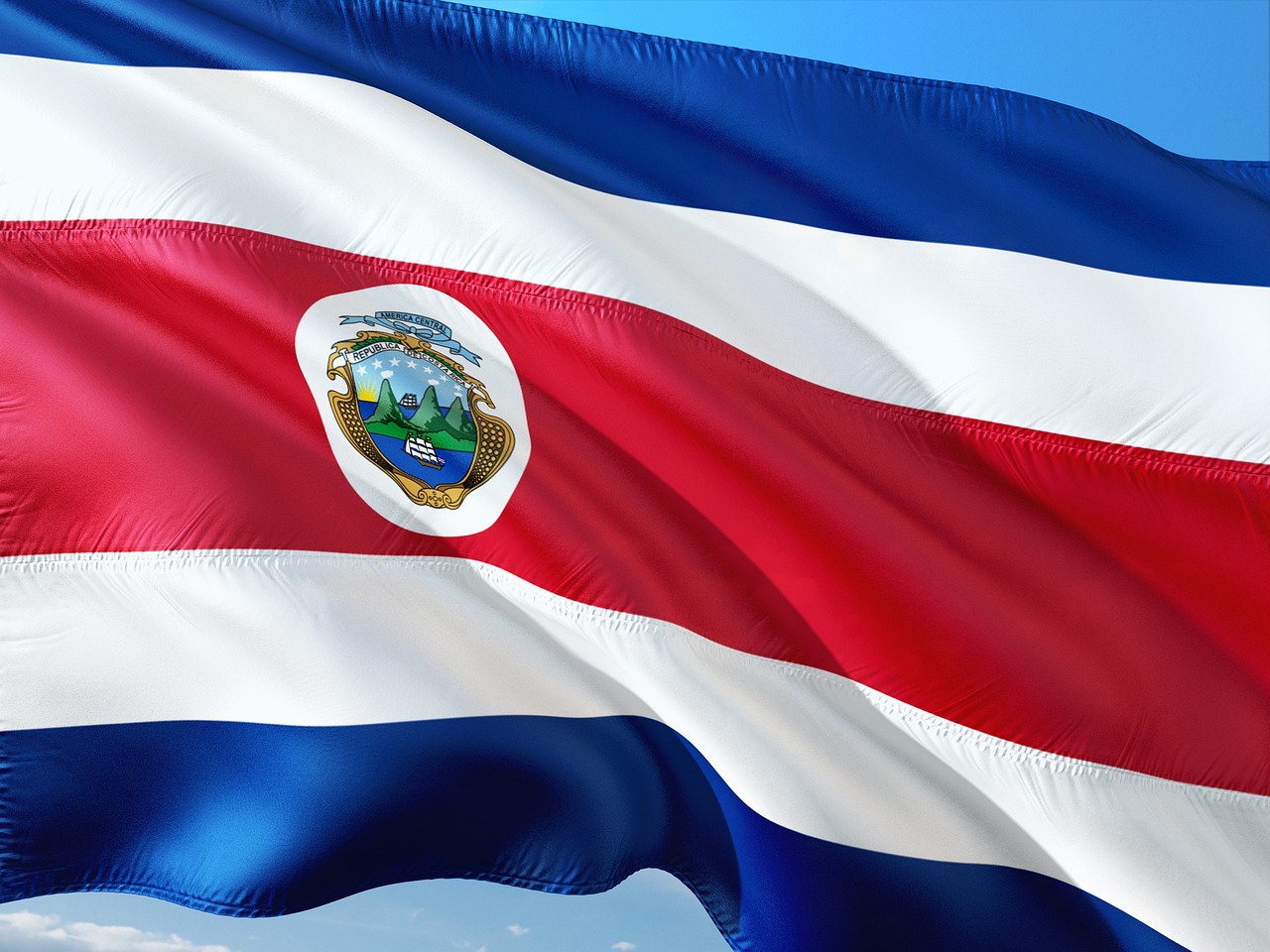
Costa Rica captivates with biodiversity and eco-friendly living but carries a significant cost of living. Areas such as San José and the coastal regions witness higher housing and food prices amplified by tourists and expats. Such dynamics influence both the economy and daily life.
Crafting a budget in Costa Rica means balancing the costs of tourist-heavy areas with serene and less expensive regions like the Central Valley. The country’s richness in flora and fauna draws many, despite the financial stretch involved in maintaining a similar lifestyle as one might have at home.
7. Colombia’s large cities see growing expenses driven by urban development.
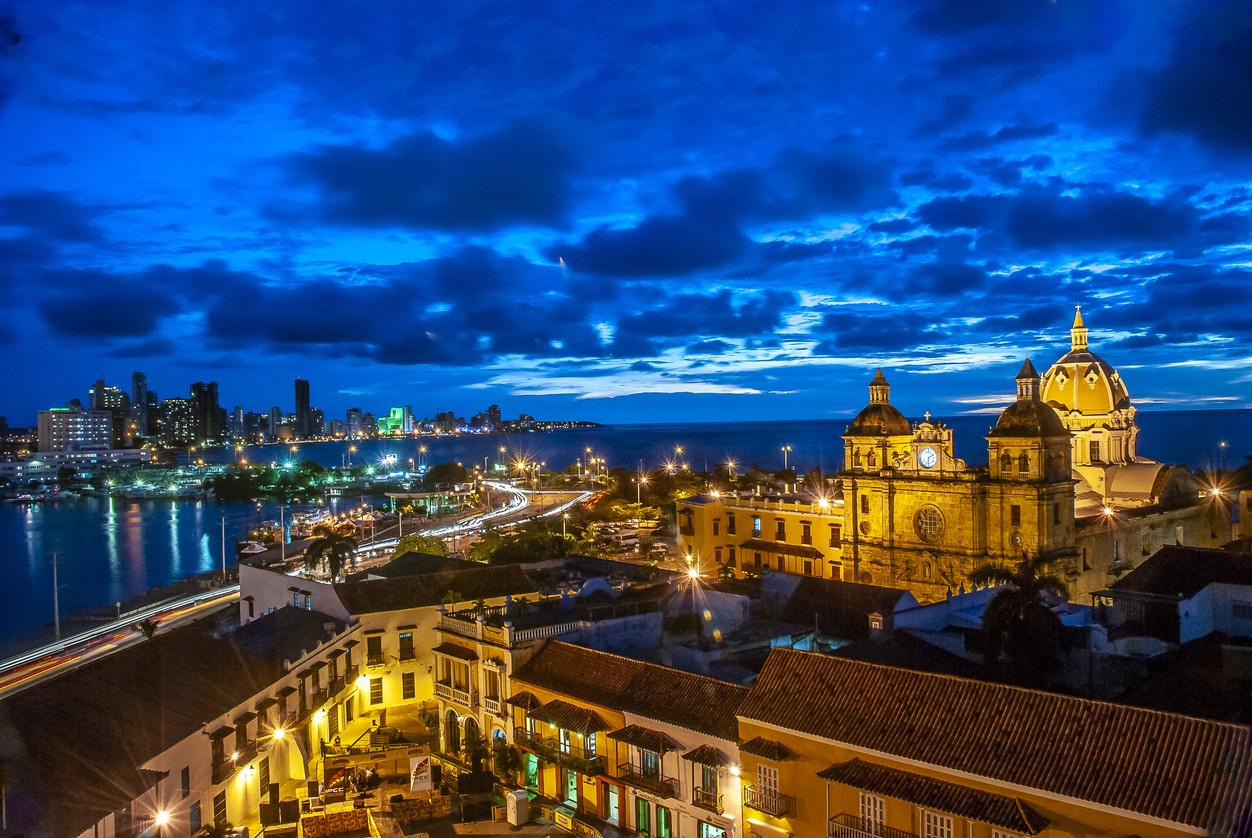
Colombia sees its largest urban areas like Bogotá and Medellín experience climbing living costs, primarily due to urban development and demand for modern amenities. These cities are cultural centers with rising land prices and competition for resources.
Still, living outside major urban sprawl offers budget relief and retains Colombia’s vibrant culture. The significant economic variance between rural and urban settings emphasizes the need to find a balance that suits individual financial situations while adjusting to urban vs rural price dynamics.
8. Mexico’s popular regions feature elevated prices despite a generally affordable reputation.
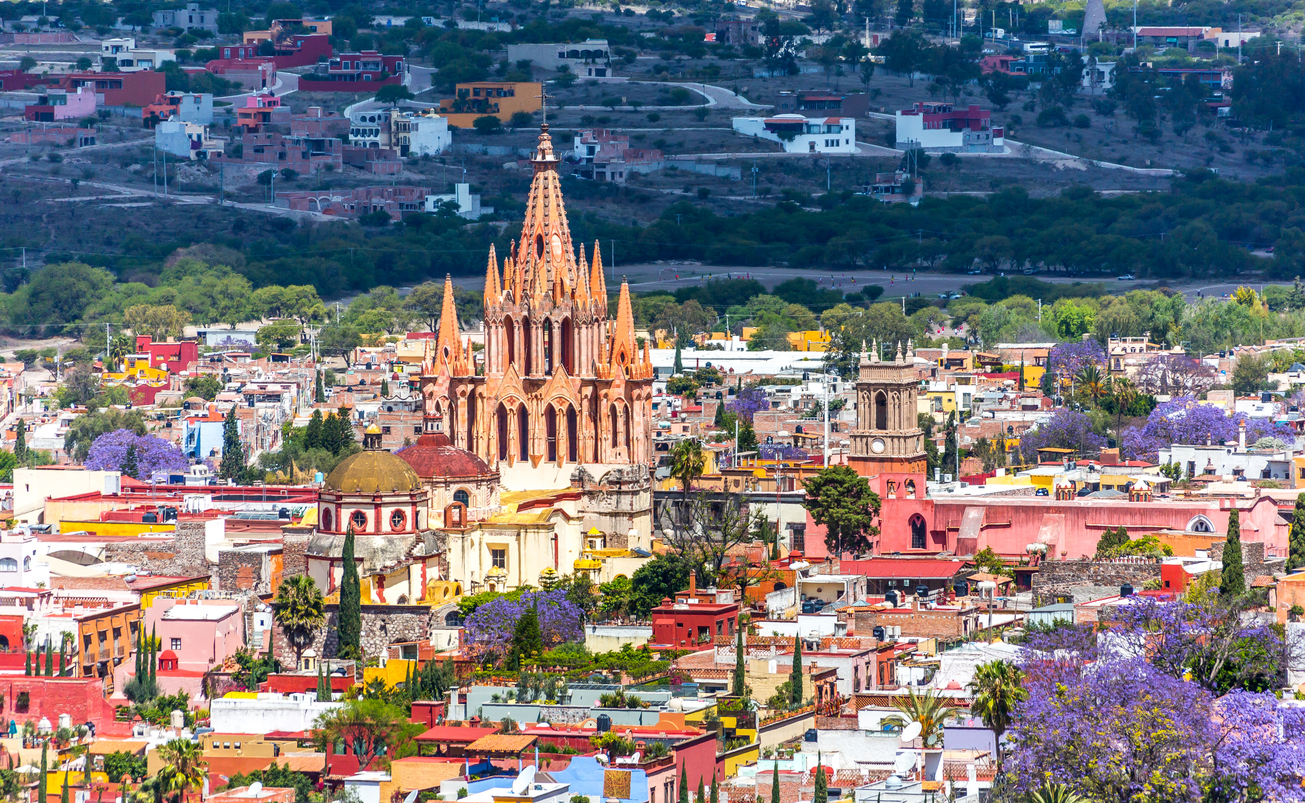
Mexico offers a broad spectrum of living costs, with popular spots like Mexico City and the Riviera Maya marked by prices above the national average. These regions entice with cultural wealth and modern conveniences, yet such attractions often come with elevated costs.
Those desiring a more budget-friendly lifestyle might explore areas like Guadalajara or Mérida, where costs are tempered yet still provide a rich cultural experience. Exploring these differences helps in understanding the economic landscape affecting both expatriates and locals choosing their ideal setting.