
Explore why these states endure sharp job losses amid shifting economic landscapes and industry declines.

The United States faces uneven job loss patterns across various states, driven by diverse economic challenges and industry-specific downturns. This analysis highlights eight states experiencing the most significant employment declines, delving into the underlying causes such as shifts in manufacturing, energy sectors, and heavy industry. Understanding these trends provides clarity on each state’s labor market struggles and the broader implications for regional economies.
1. West Virginia struggles with steady declines in manufacturing jobs.
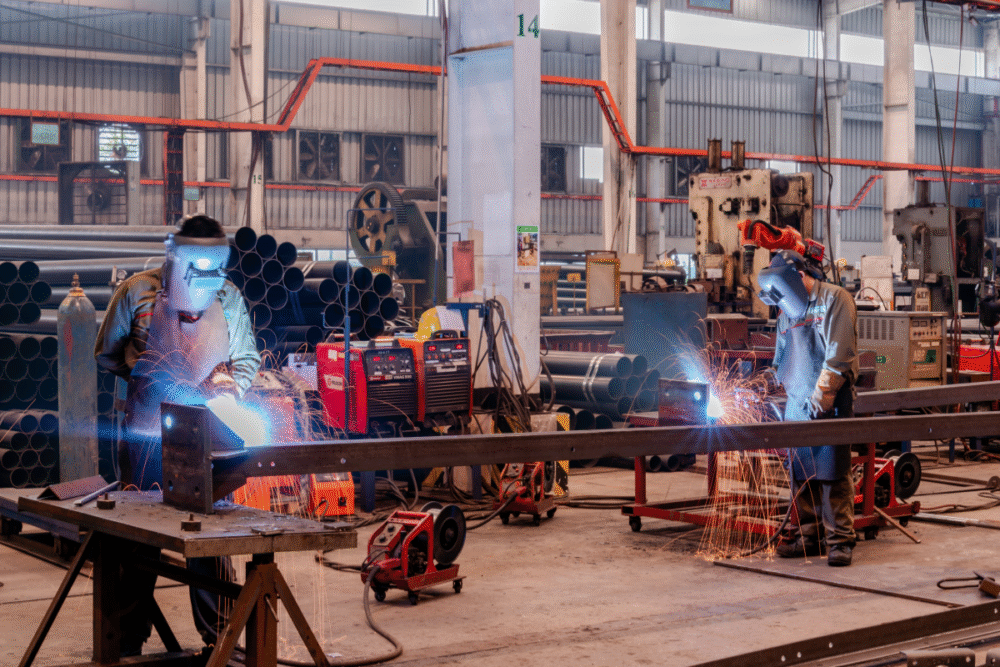
West Virginia experiences ongoing challenges due to the decline in manufacturing, which remains a backbone of its economy. This sector’s steady contraction leaves workers with fewer job opportunities, impacting local communities reliant on manufacturing for economic vitality.
Limited diversification leaves the state’s economy vulnerable to shifts in manufacturing, prolonging recovery efforts. As industries evolve, understanding the broader implications of these shifts helps contextualize West Virginia’s employment landscape, highlighting the need for strategic initiatives in workforce development to navigate long-term challenges.
2. Alaska faces shrinking opportunities in oil and gas industries.

Alaska’s economy heavily depends on the oil and gas sectors, both of which are currently facing downturns. This reliance has resulted in significant job losses, leaving many skilled workers without positions and straining the local communities dependent on these industries.
The oil and gas downturn has wider implications, affecting ancillary businesses and putting pressure on state revenues. In an increasingly volatile industry, understanding global energy trends and their local impacts becomes crucial for assessing Alaska’s job market resilience and planning adaptive economic strategies.
3. Louisiana experiences significant job cuts in energy and construction.

Louisiana’s economy has been hit hard by job cuts in energy and construction, two traditionally strong sectors. The decline in these areas has increased unemployment rates, adversely affecting economic growth and the financial stability of communities relying on these industries.
The ongoing difficulties reflect broader trends in environmental policy and shifts toward renewable resources. Economic diversification could help mitigate the impact, but recovery in these sectors remains key for local labor markets. The state’s employment landscape highlights complex economic interdependencies influencing job availability.
4. Kentucky sees a downturn in coal mining employment rates.

Kentucky has seen an alarming downturn in coal mining, historically one of its core industries. The mining sector’s decline has translated into significant job losses, disrupting communities and economies once closely tied to coal production.
Shifts towards cleaner energy sources drive these changes, reflecting national trends impacting local employment. Understanding how these transitions affect regional labor markets can unveil Kentucky’s broader economic challenges, underlining the importance of strategic job market adaptation amidst evolving energy sectors.
5. New Mexico deals with losses in oil extraction and resources.
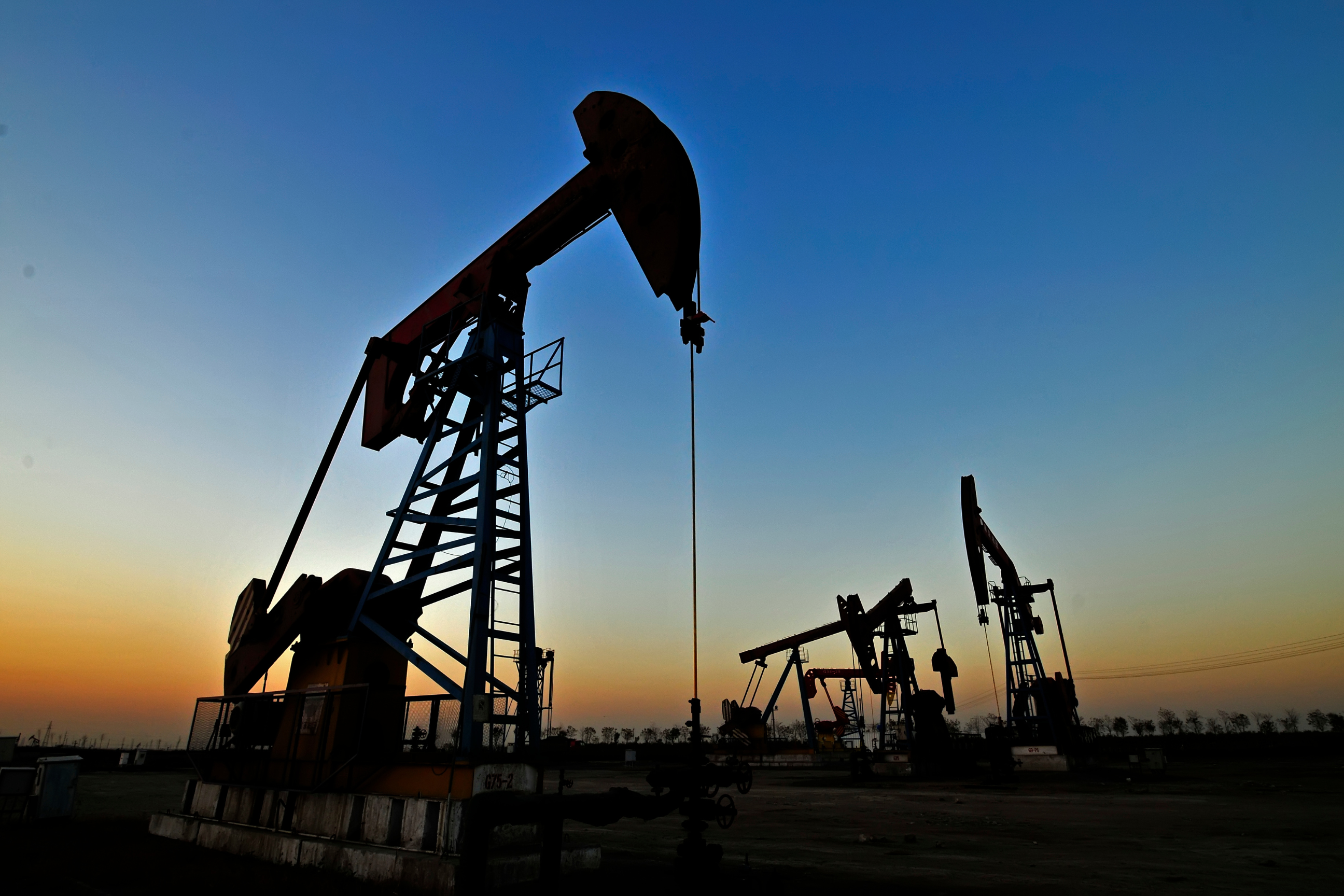
New Mexico faces a challenging situation with losses in oil extraction and related resource sectors. These declines directly impact local economies reliant on energy production, creating job shortages and financial instability for affected workers and their families.
Global energy market shifts and regulatory changes exacerbate these pressures, complicating recovery efforts. Recognizing New Mexico’s dependence on energy highlights vulnerabilities in its labor market, prompting discussions on diversification and future-proofing against further economic dips through strategic economic planning.
6. Ohio undergoes shifts leading to reduced jobs in steel production.
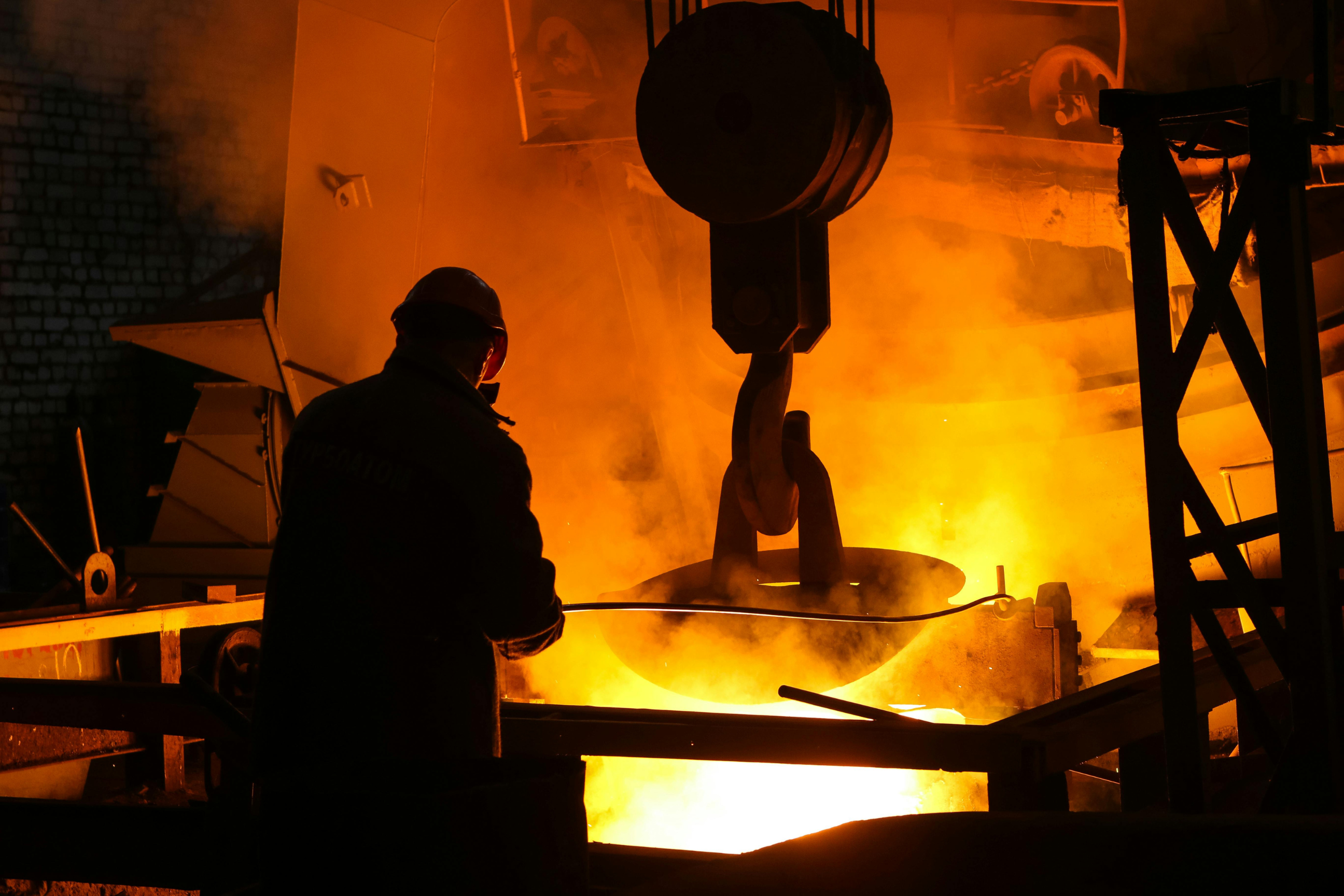
Ohio’s labor market has been affected by decreased steel production, a key industry historically contributing to its economic strength. This downturn correlates with shrinking job opportunities, leaving skilled workers with limited options and affecting regional economic health.
These changes underline broader manufacturing industry trends and shifts in global demand. Ohio’s situation stresses the need for understanding how market dynamics drive job availability. Monitoring such trends could offer insights into employee retraining initiatives and potential new economic growth areas.
7. Michigan confronts job losses amid declining automotive manufacturing roles.

Michigan, a traditional hub for automotive manufacturing, confronts declining job roles within the industry, affecting its economic fabric. The automotive sector’s volatile nature and evolving technologies contribute to workforce reductions, impacting communities tied to this historically pivotal industry.
Industry-specific challenges, including automation and changing consumer demands, drive these employment shifts. Evaluating Michigan’s job losses offers a window into broader manufacturing trends and emphasizes the importance of aligning workforce skills with emerging automotive technologies to sustain long-term economic health.
8. Pennsylvania battles layoffs in traditional heavy industry sectors.

Pennsylvania is grappling with layoffs in its traditional heavy industry sectors, which have historically underpinned its economy. The downturn in these sectors results in significant job reductions, challenging local economies dependent on industrial employment.
Industry shifts towards modern manufacturing processes and reduced global demand for traditional outputs contribute to these job losses. Understanding Pennsylvania’s position within these trends highlights potential paths for industrial adaptation and the necessity of aligning workforce capabilities with evolving economic landscapes driven by technological and market changes.